
Phase 2: During — Action, protection and immediate response
Guide for individuals, families and communities
During a volcanic eruption, the absolute priority is to protect life and avoid unnecessary exposure to volcanic hazards.
A volcanic emergency can present very different situations depending on the volcano, the location of the home or community, weather conditions, and the type of phenomenon occurring. There may be ashfall, gas emissions, ballistic projectiles, pyroclastic flows, lava flows, lahars, landslides, fires, utility disruptions, and difficulties with communications or transportation.
For this reason, there is no single valid course of action for every eruption.
In some places it will be necessary to evacuate immediately. In others, the authorities may indicate that it is best to temporarily stay inside buildings. In certain areas, the main danger will be ashfall; in others, there may be much more serious threats that make it essential to leave the area.
Throughout the emergency, instructions from the civil protection authorities, the agencies responsible for volcanic monitoring, and emergency services must be followed.
 2.1
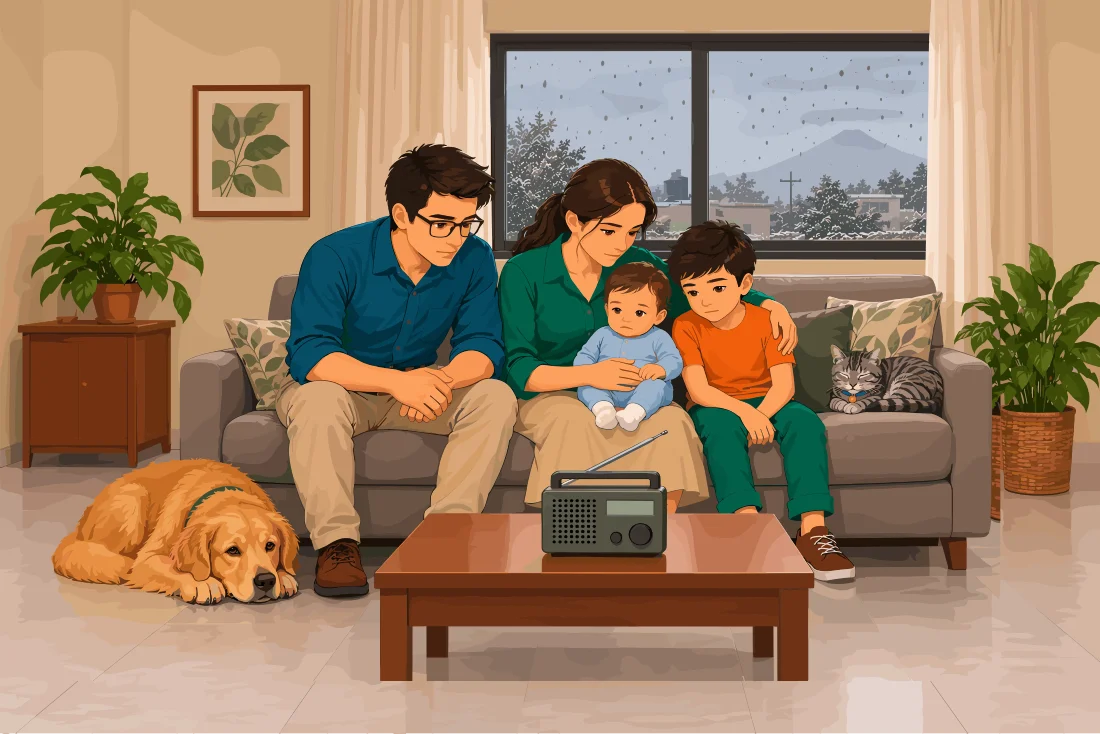
Stay calm and activate the emergency plan
When an eruption, a dangerous increase in volcanic activity, or an official action order is reported, the household or community must immediately activate the plan established beforehand.
Those in charge must:
- Take on your roles,
- issue clear instructions,
- check the official communication channels,
- determine whether to evacuate or shelter in place,
- prioritize assistance for those who need help,
- distribute the available protective equipment,
- keep the group organized,
- avoid unnecessary movement.
Rumors, unverified messages, or social media posts must never be allowed to replace the official instructions.
 2.2
Follow the authorities’ instructions
During a volcanic crisis, conditions can change rapidly.
Every indivudual, family, or community must stay informed through the official channels available, such as:
- Civil protection authorities,
- national or regional volcano monitoring agencies,
- emergency services,
- local authorities,
- radio,
- official alert systems,
- other authorized community channels.
Pay particular attention to:
- Evacuation orders,
- exclusion zones,
- road closures,
- route changes,
- shelter-in-place recommendations,
- information on ashfall,
- lahar (volcanic mudflow) warnings,
- air quality,
- utility interruptions,
- instructions about drinking water.
An eruption can go through different eruptive pulses or phases and intensify again.
 2.3
If the authorities order an evacuation
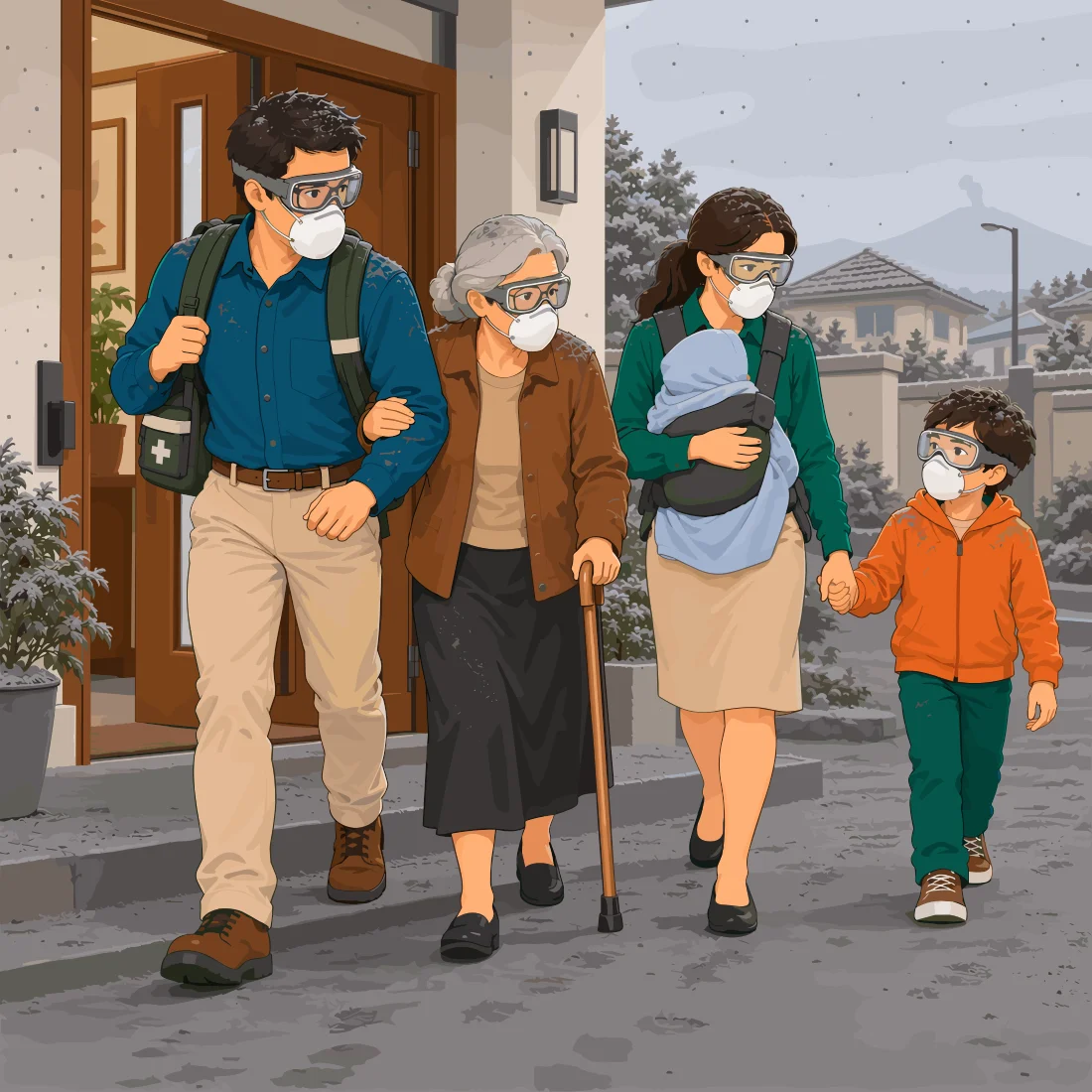
An evacuation order must be carried out without delay. Every household or community must implement the plan already established.
Before leaving the home or community spaces, only if there is enough time and doing so does not mean exposing yourself to danger, those in charge may:
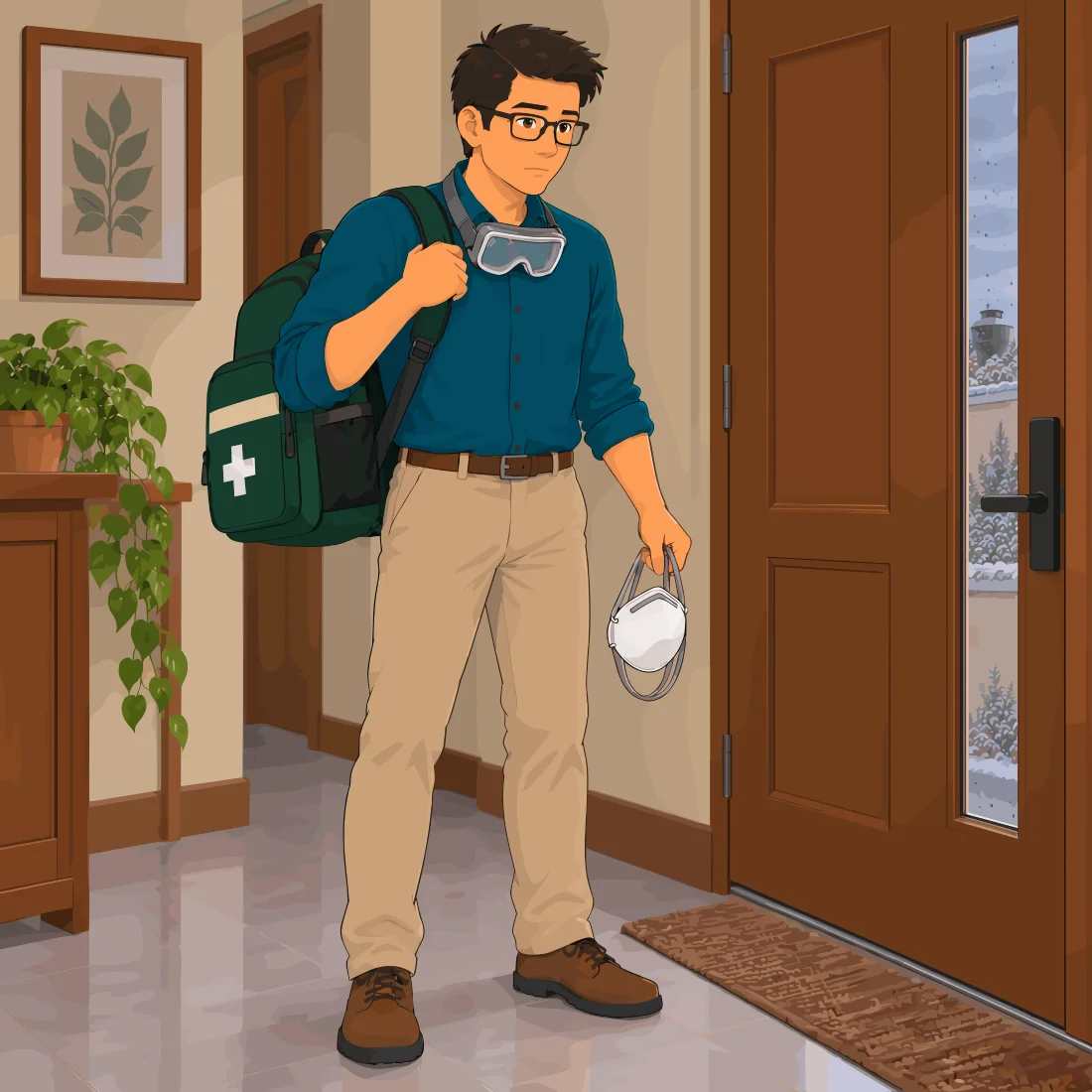
Take the emergency supplies prepared in advance,
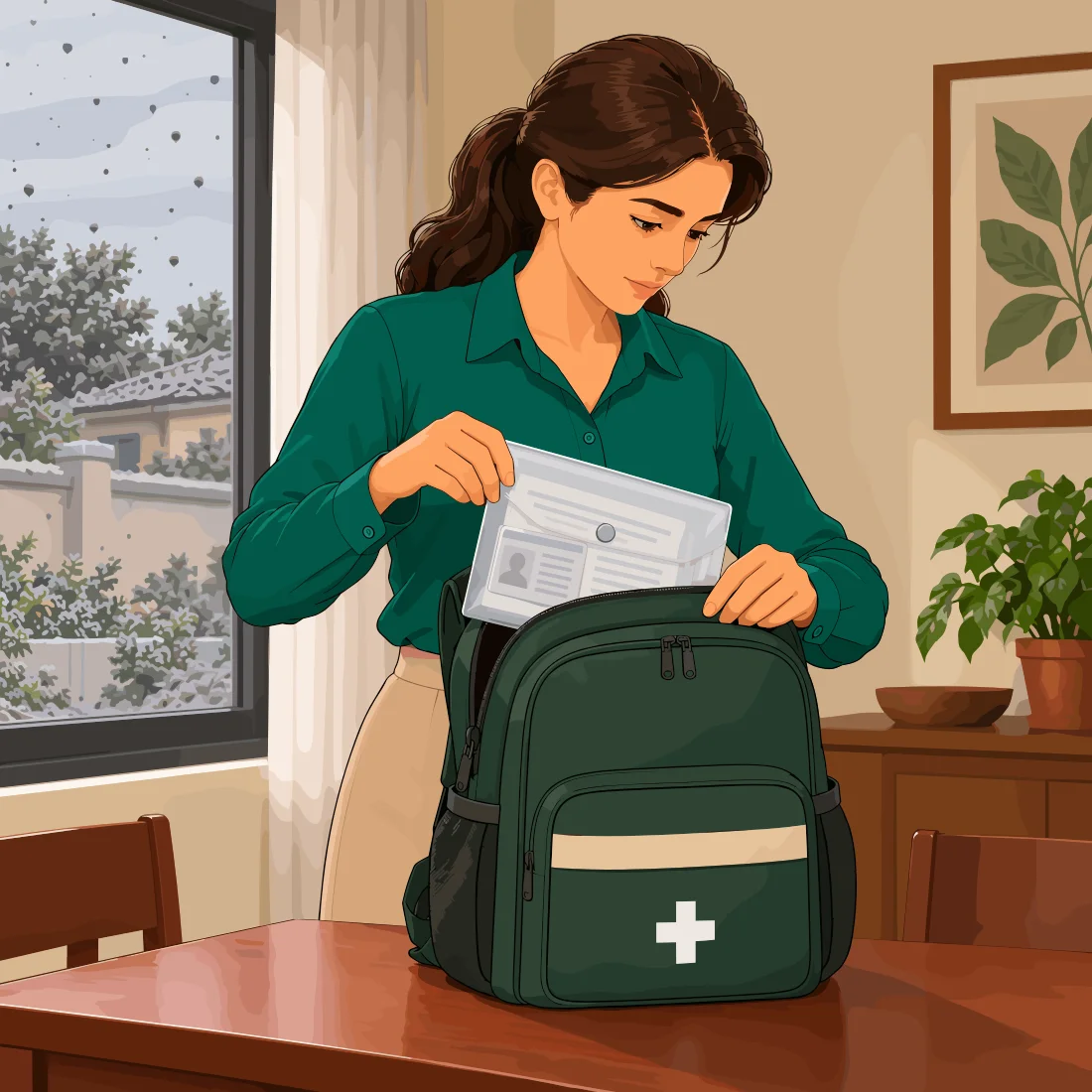
bring essential documentation,
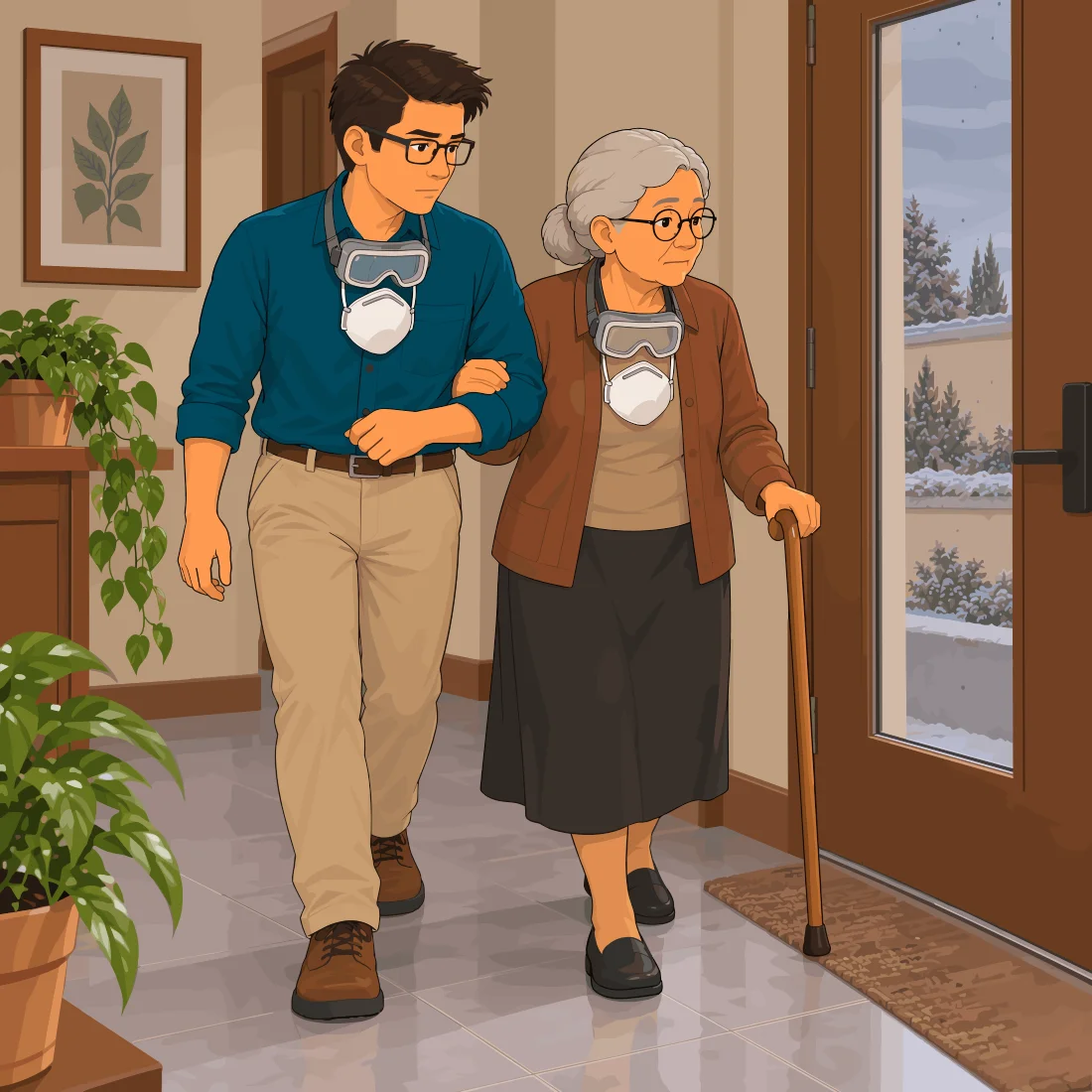
assist vulnerable people,
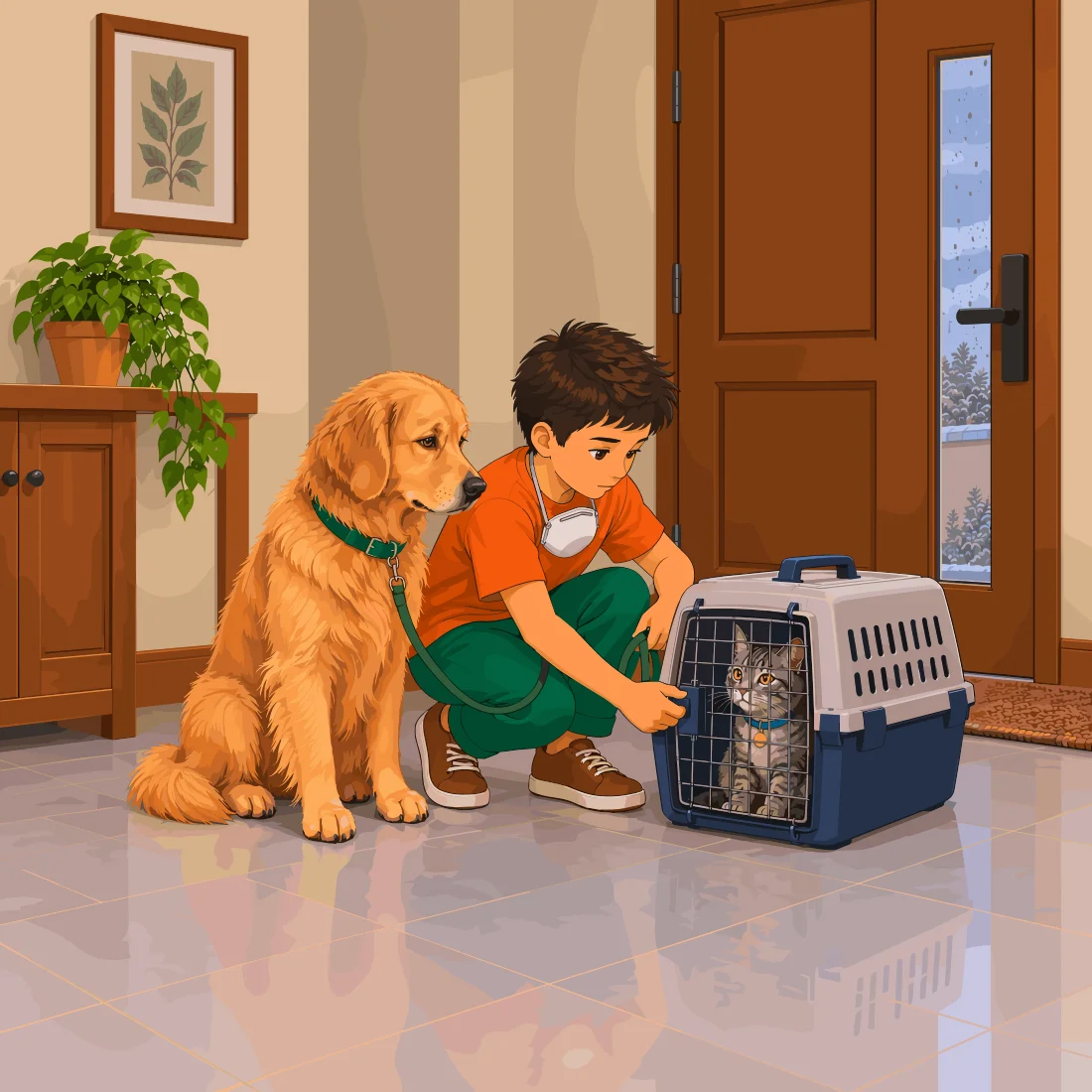
secure pets or other animals that can be evacuated according to the plan,
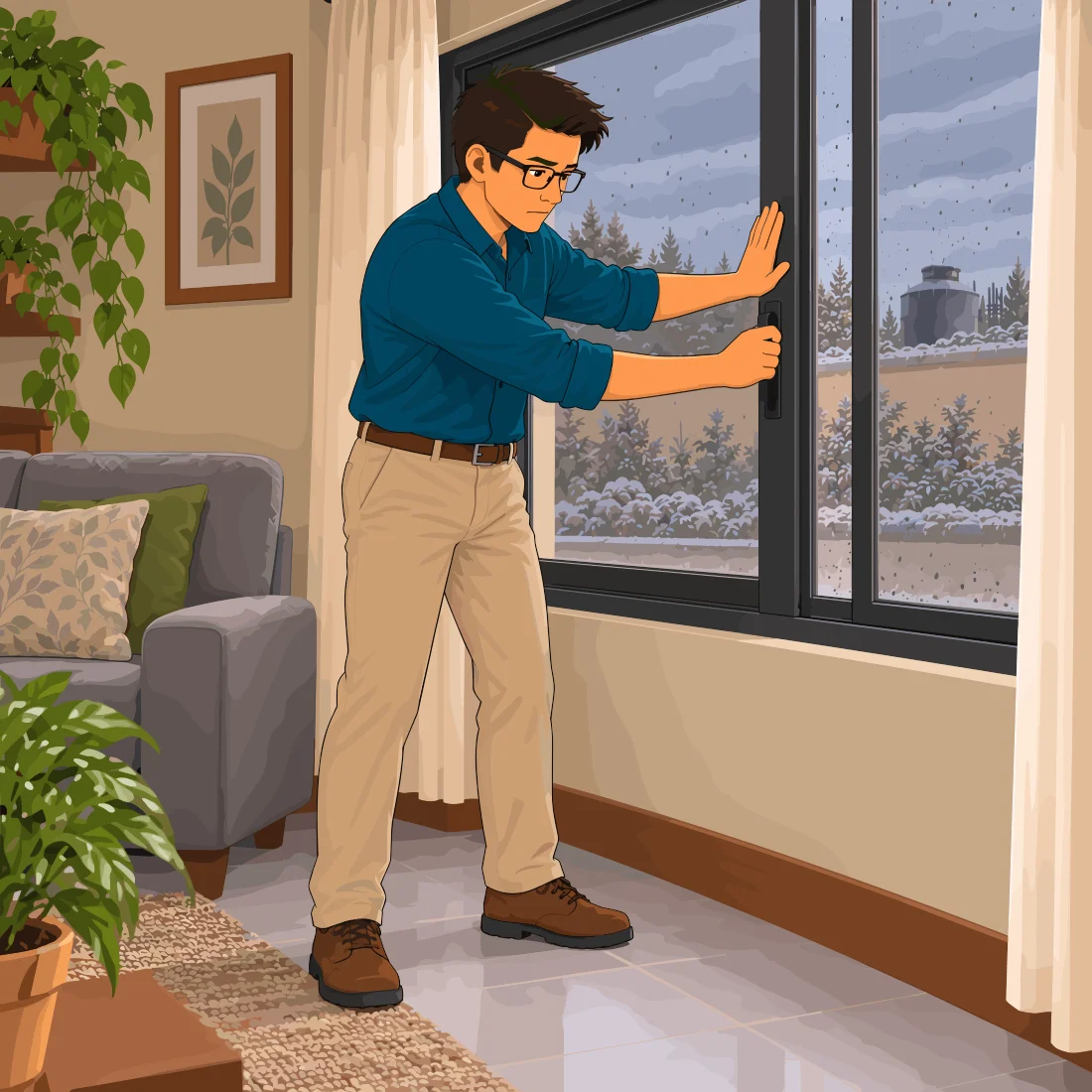
close doors and windows,
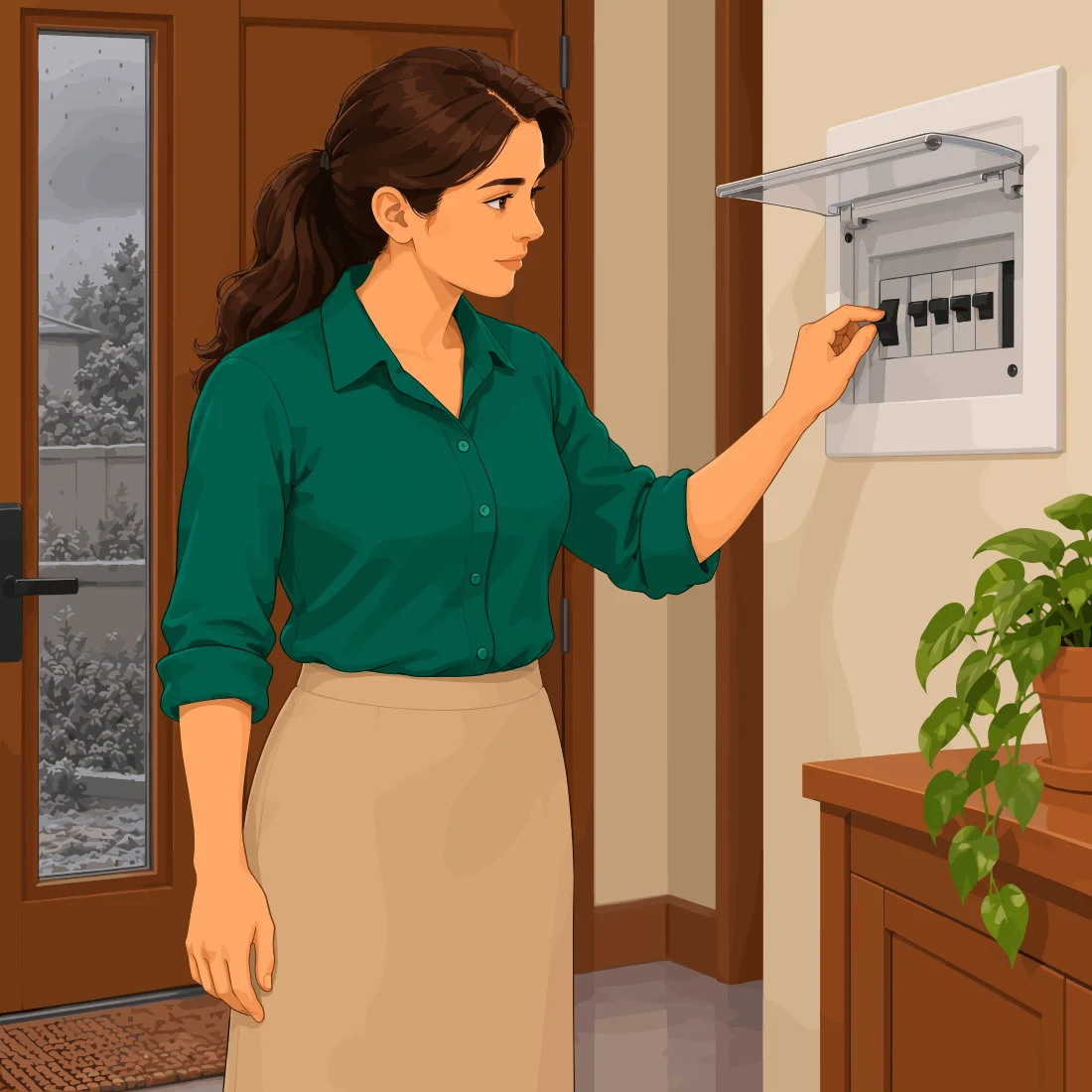
take the measures previously established for gas, electricity, water or other services.
 2.4
Strictly use the established safe routes
During the evacuation, use the routes indicated by the authorities. Do not improvise alternative paths simply because they seem shorter.
The authorities may change the routes because of:
- Heavy ashfall,
- lahars,
- lava,
- fires,
- landslides,
- damaged bridges,
- low visibility,
- accidents,
- crowds of people or vehicles,
- other threats.
In lahar hazard zones, avoid entering or staying in riverbeds, creeks, ravines, valleys, and other areas officially identified as dangerous.
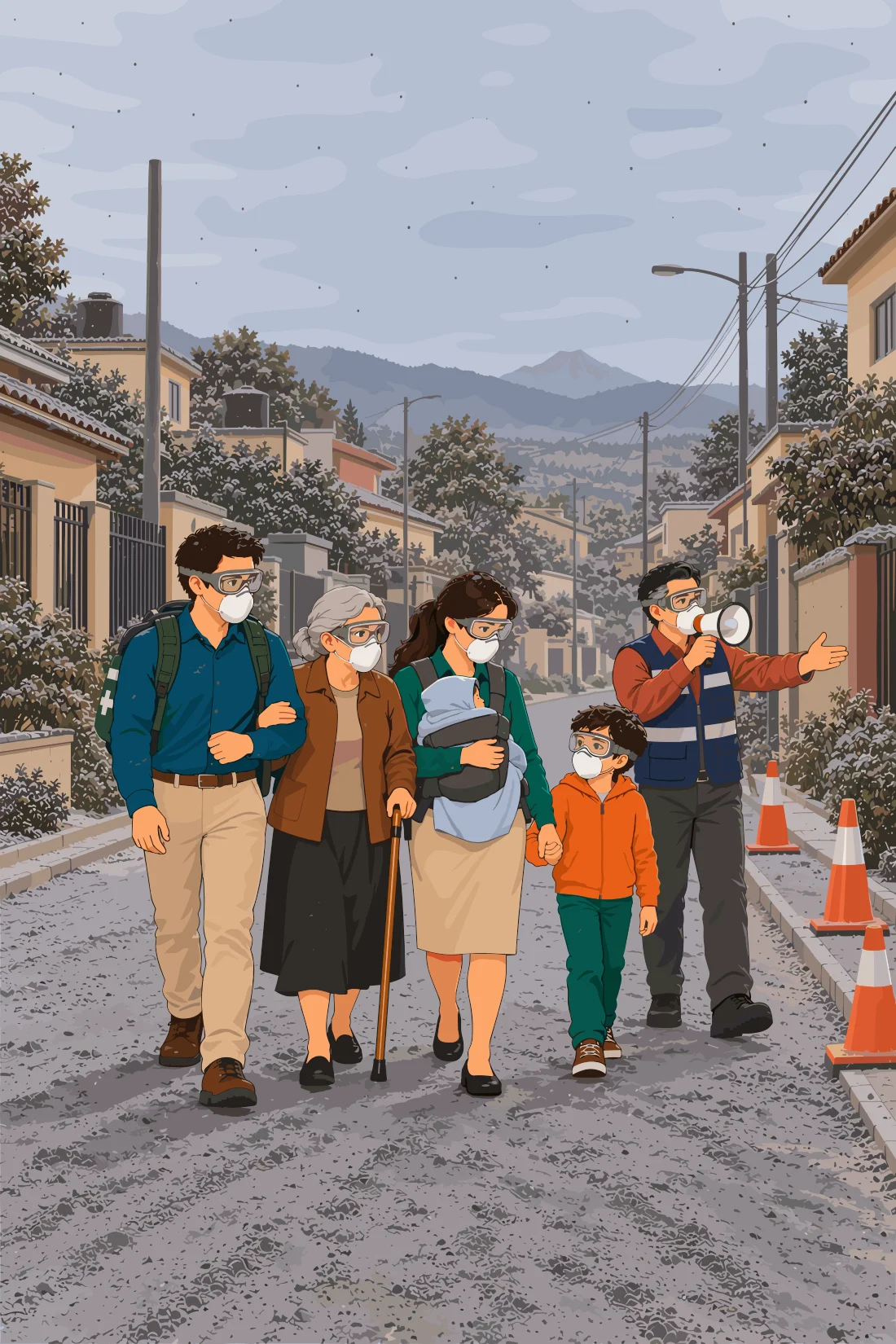
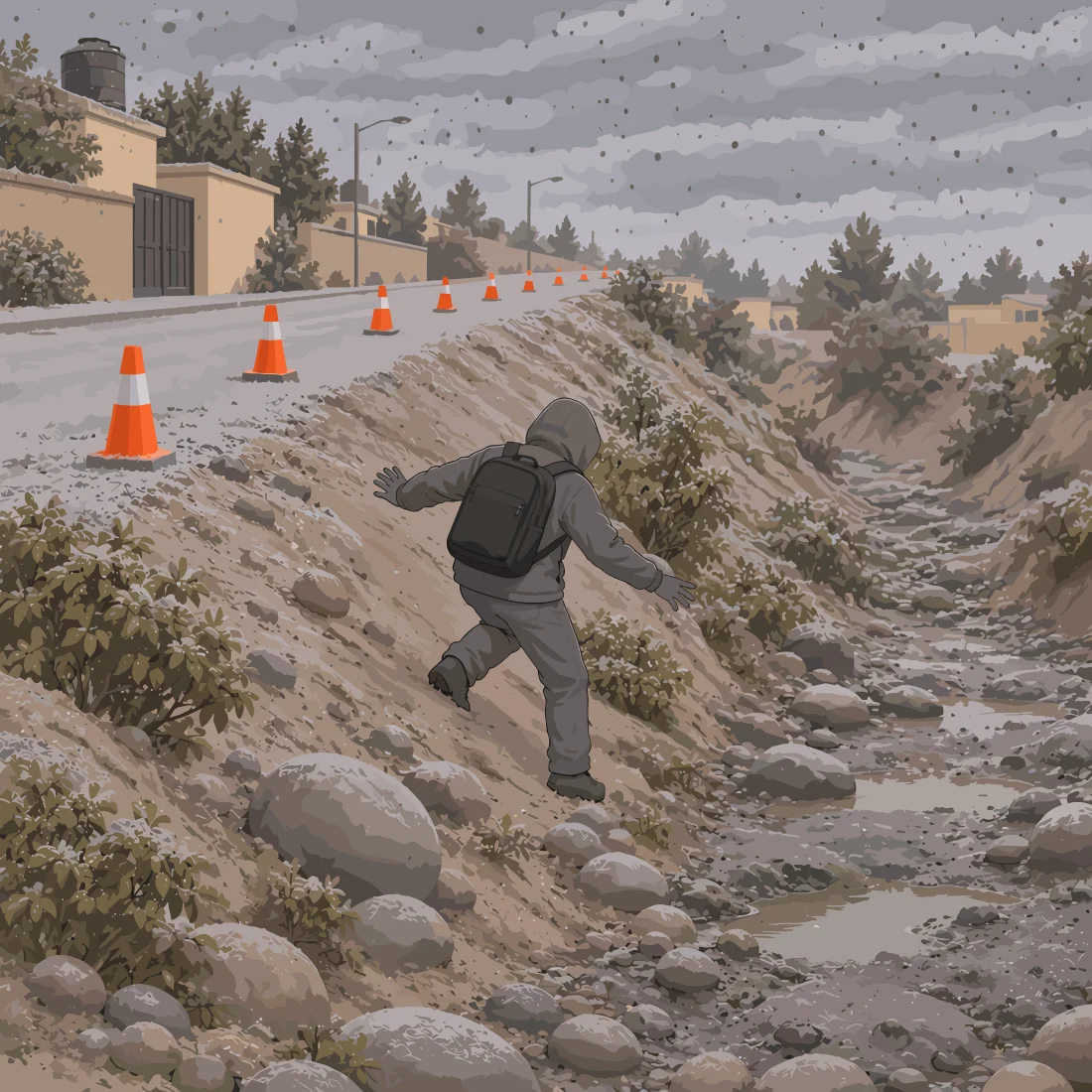
The safe direction will depend on the specific threat and on the maps and routes established for each territory.
 2.5
Do not go near the volcano
During an eruption:
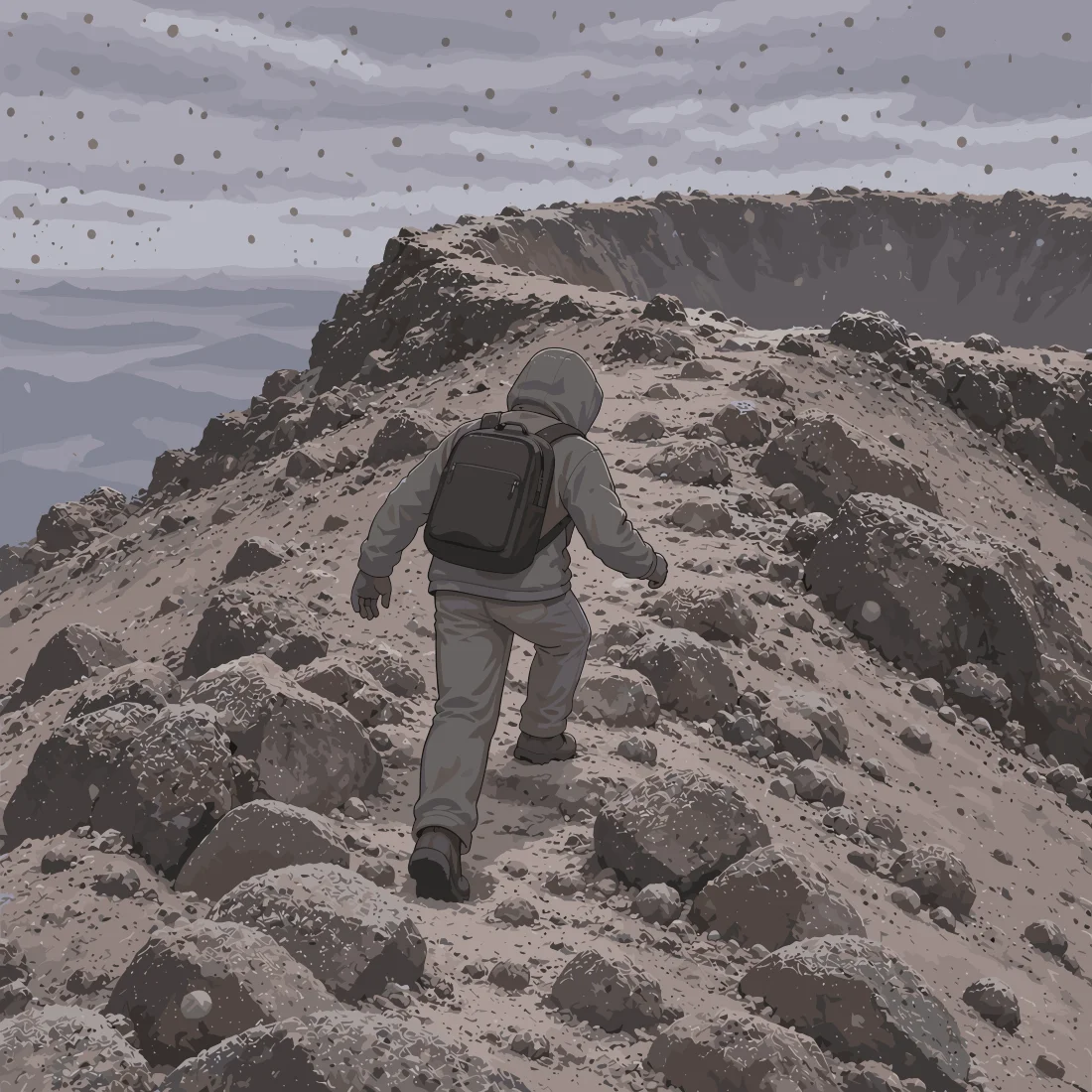
Do not go near the crater,
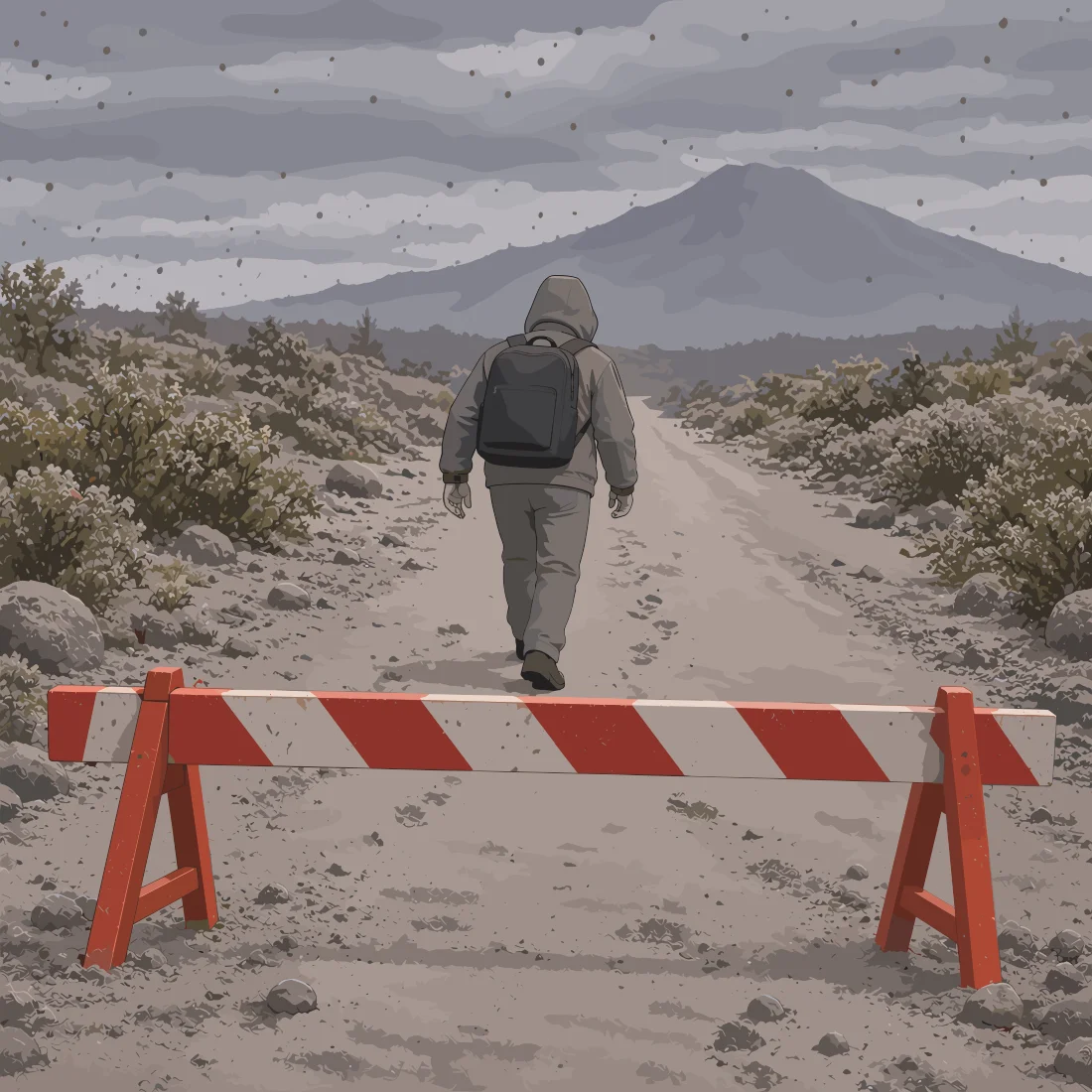
do not enter exclusion zones,
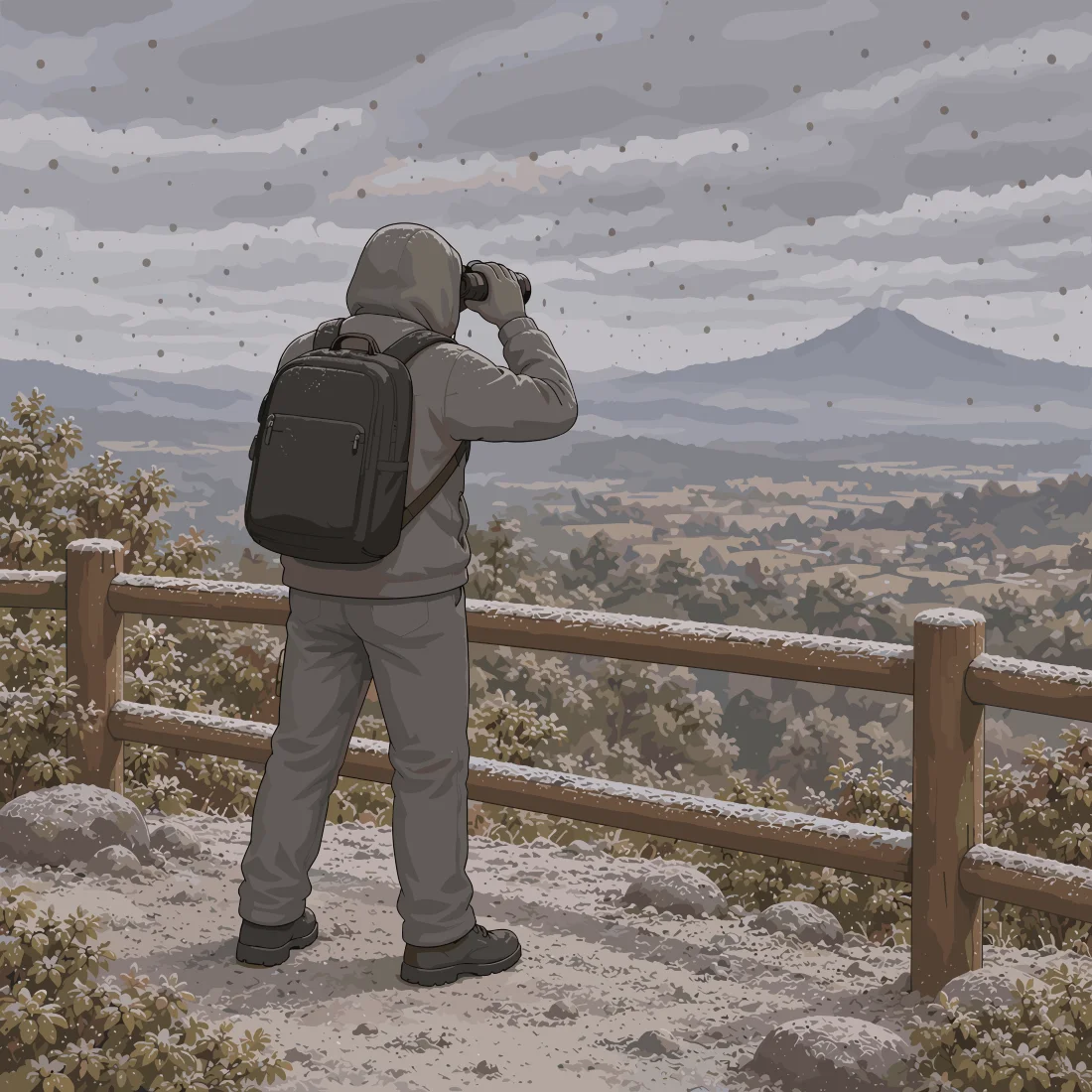
do not approach to observe the activity,
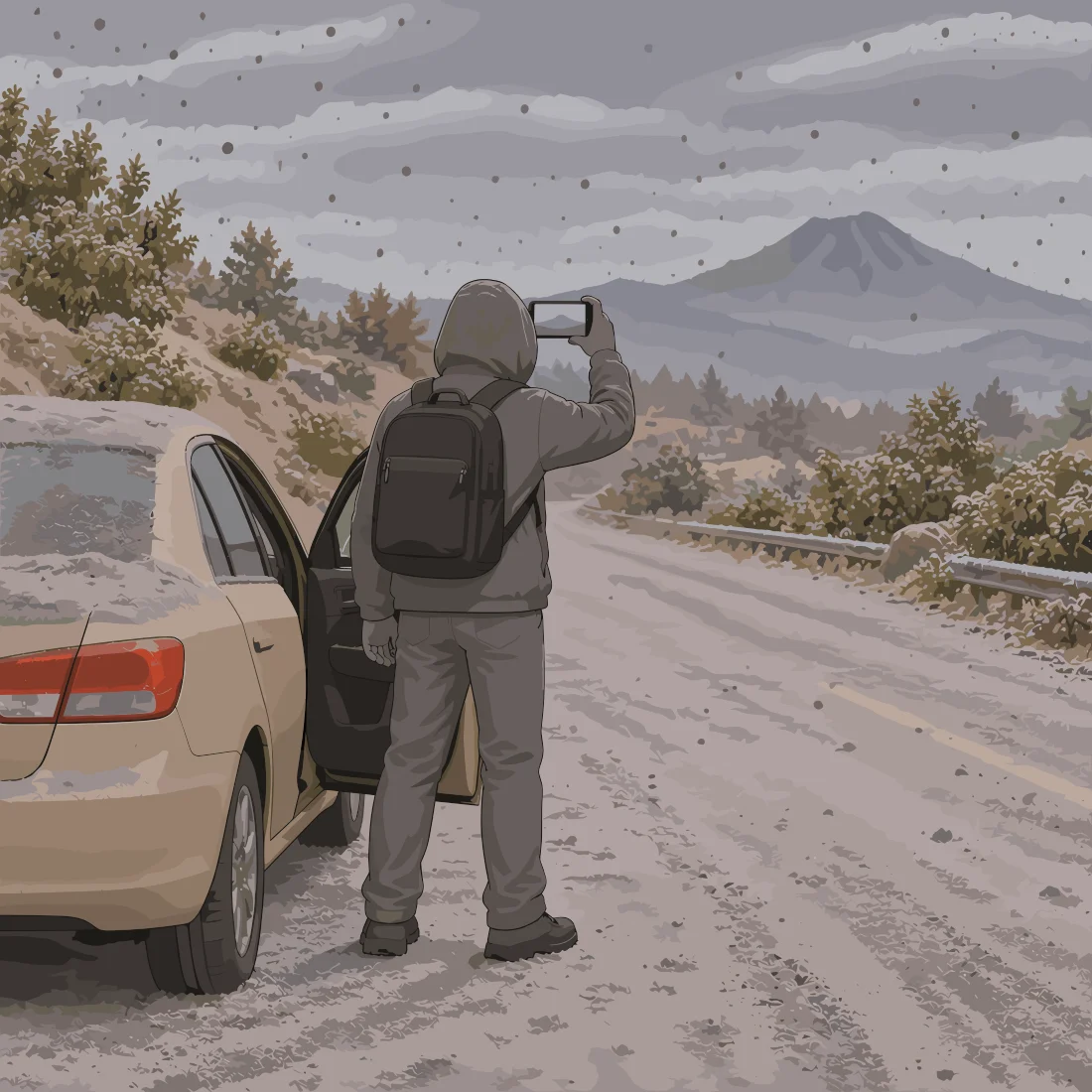
do not stop vehicles to take pictures,
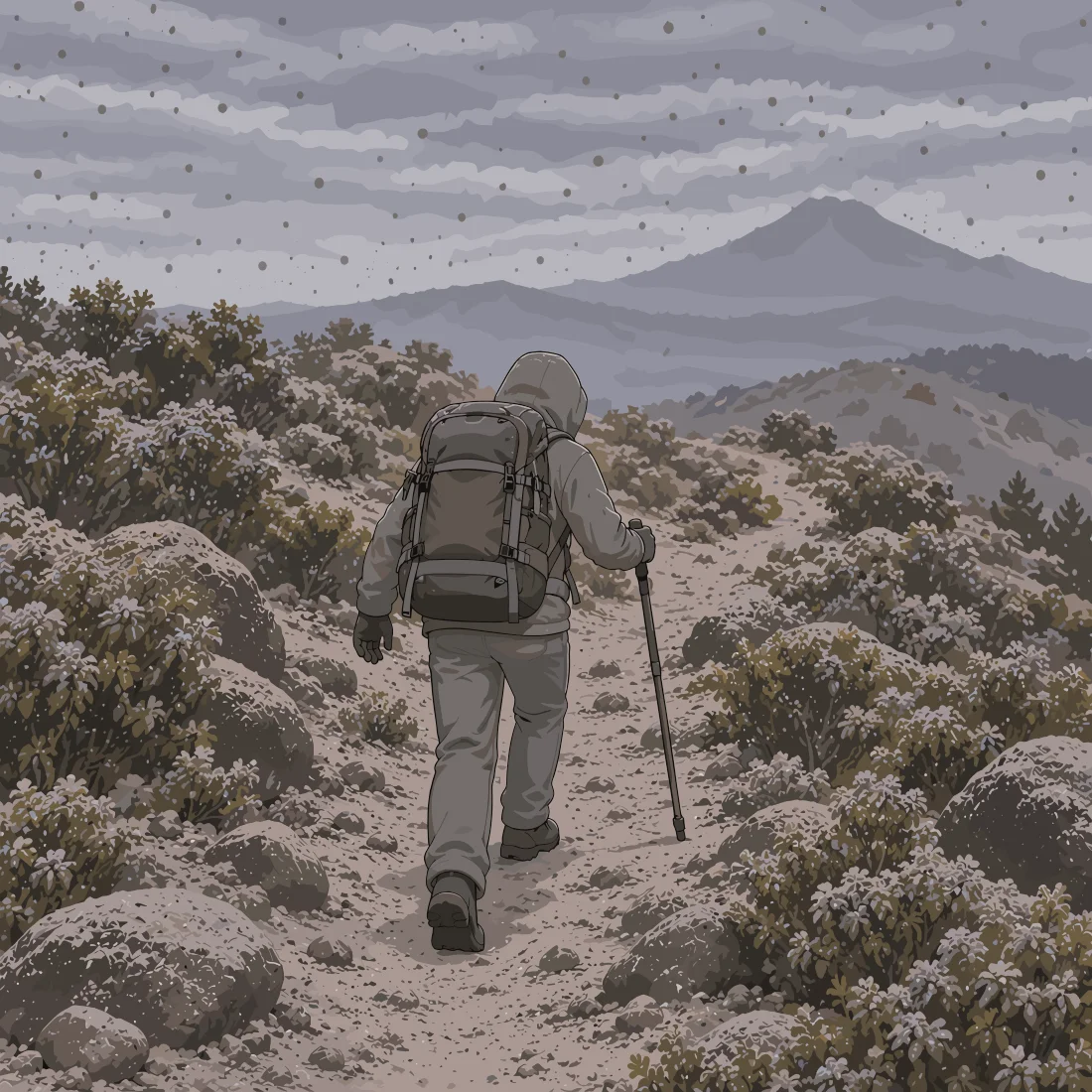
avoid all outdoor activities,
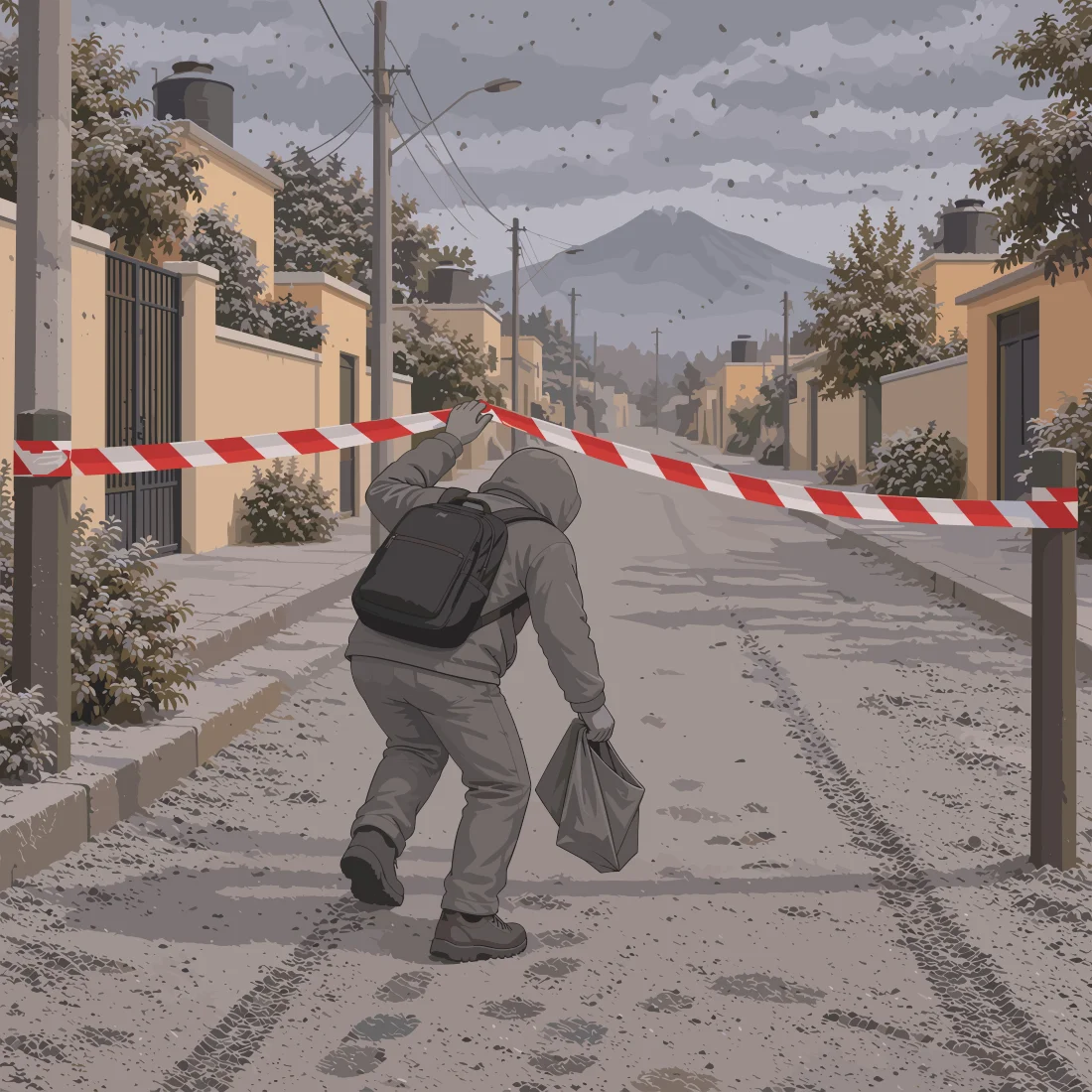
do not enter restricted areas to recover belongings.
 2.6
If the authorities indicate sheltering in place
In certain situations, especially when the main problem is ashfall, the authorities may recommend staying temporarily inside a building.
In that case:
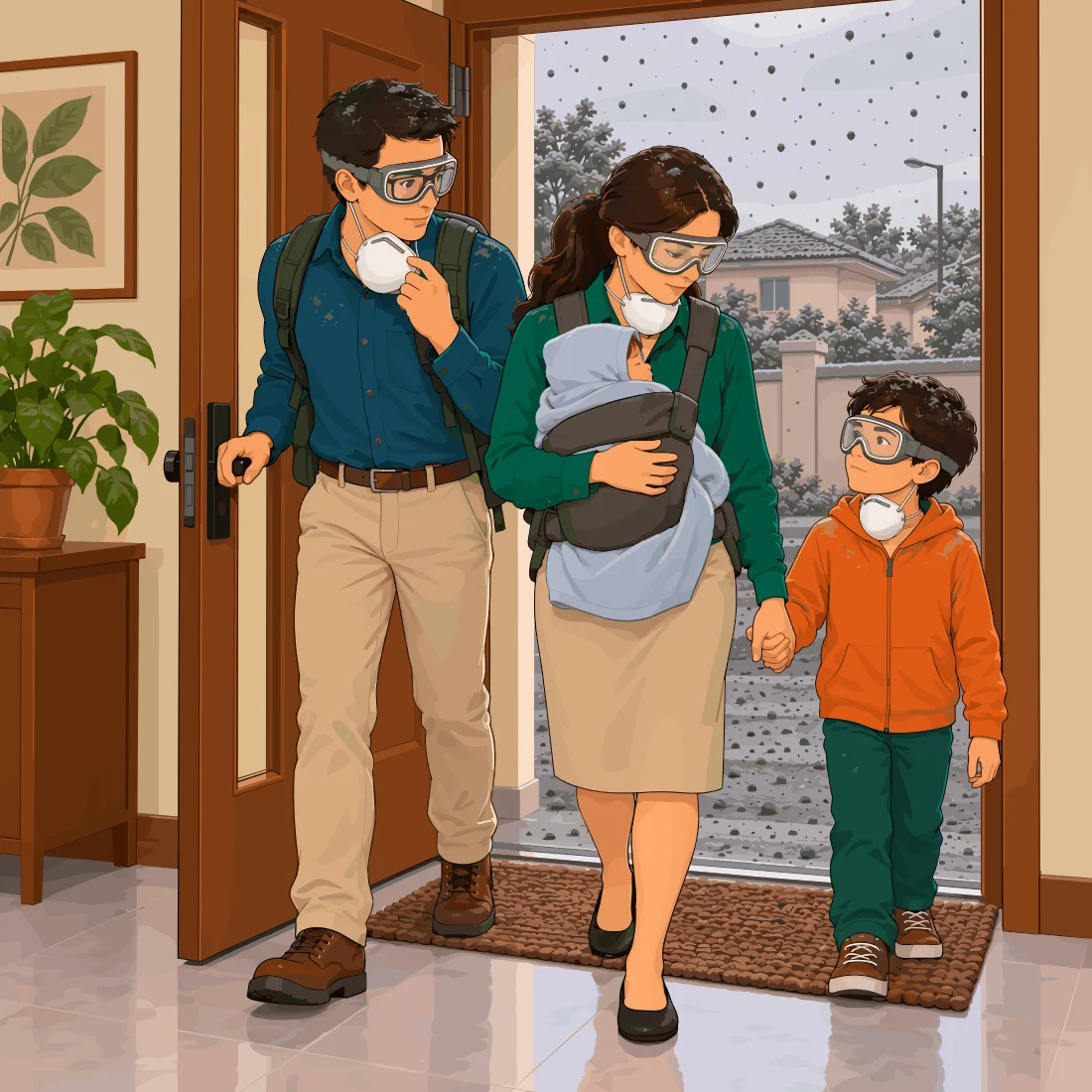
Go into the building,
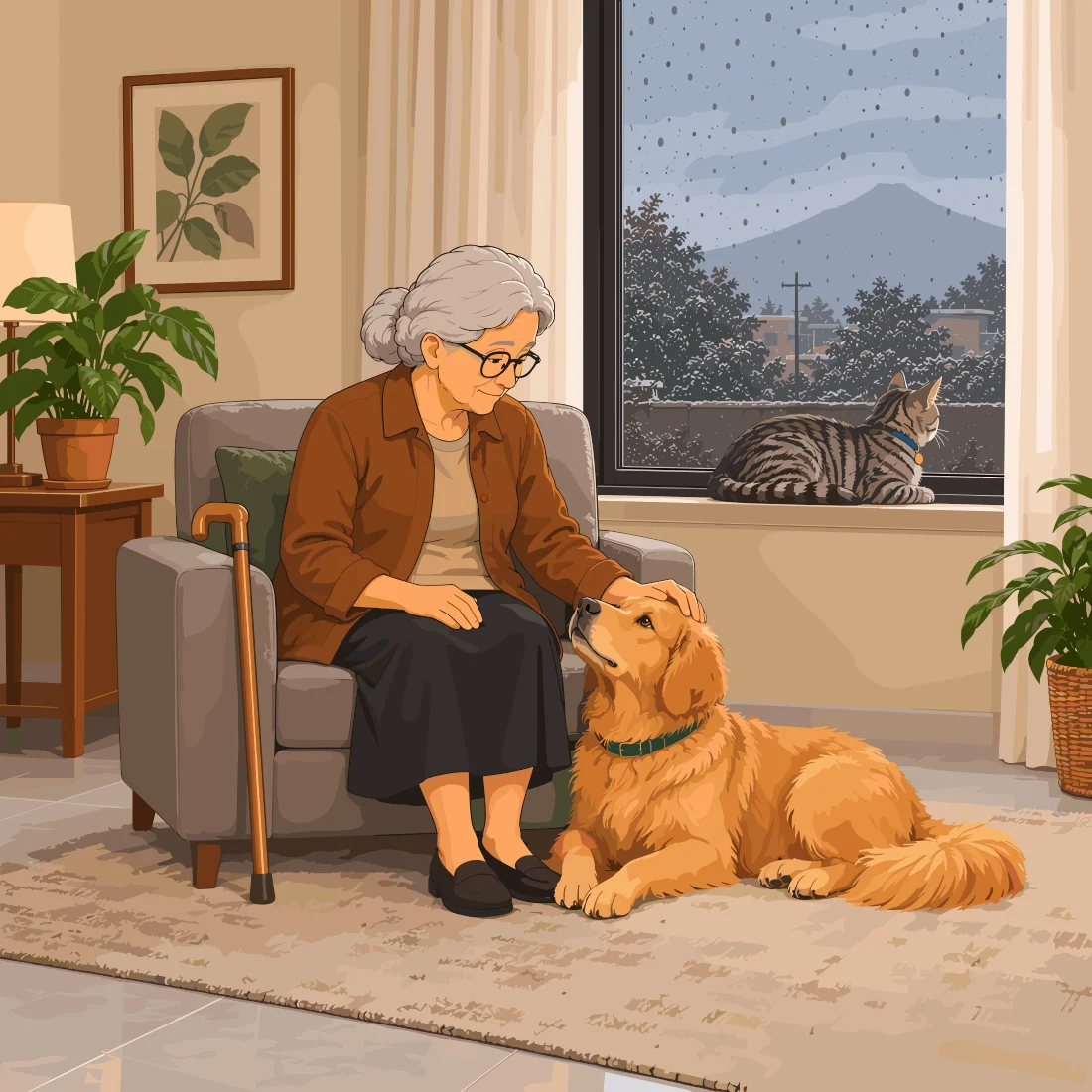
keep people and animals indoors,
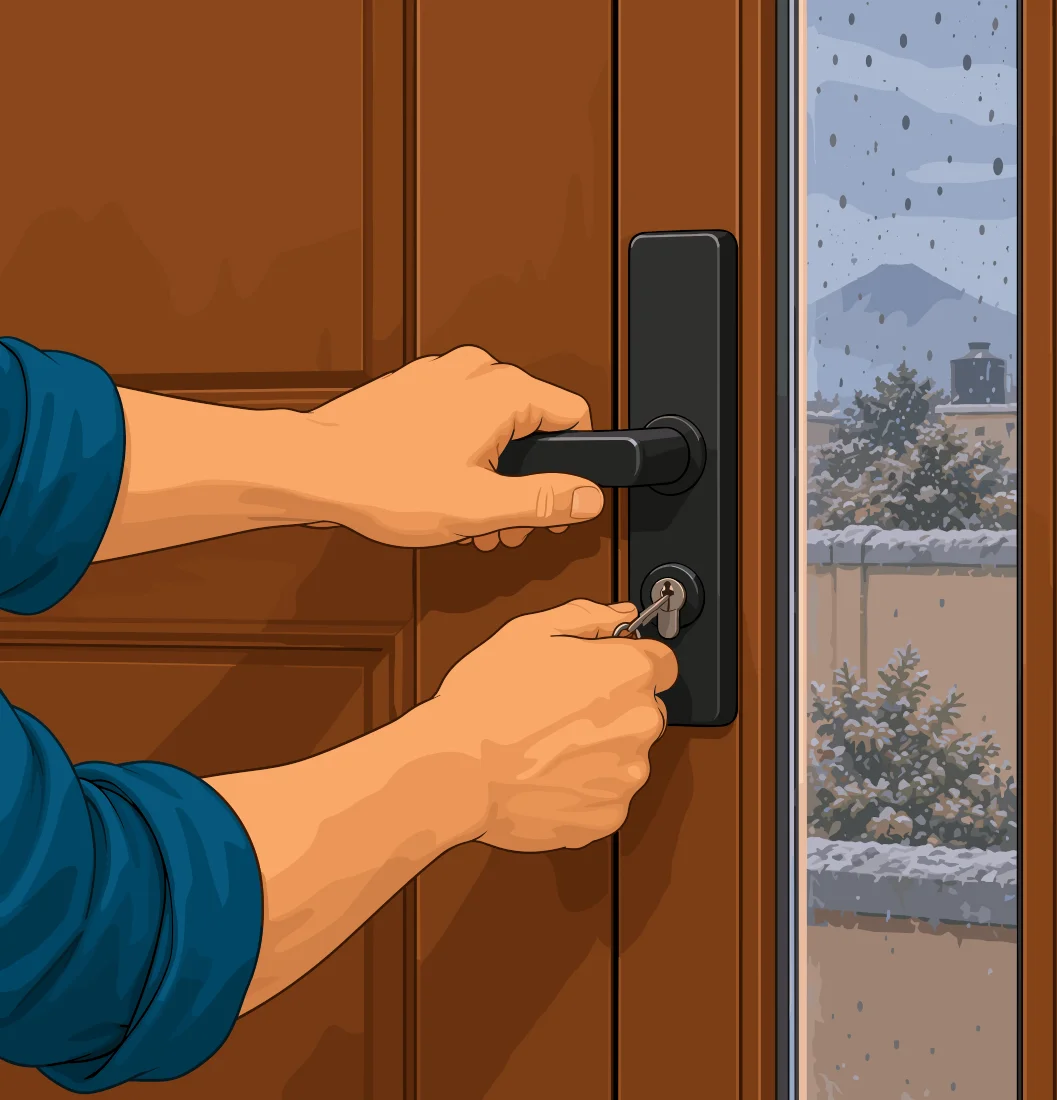
close doors and windows,
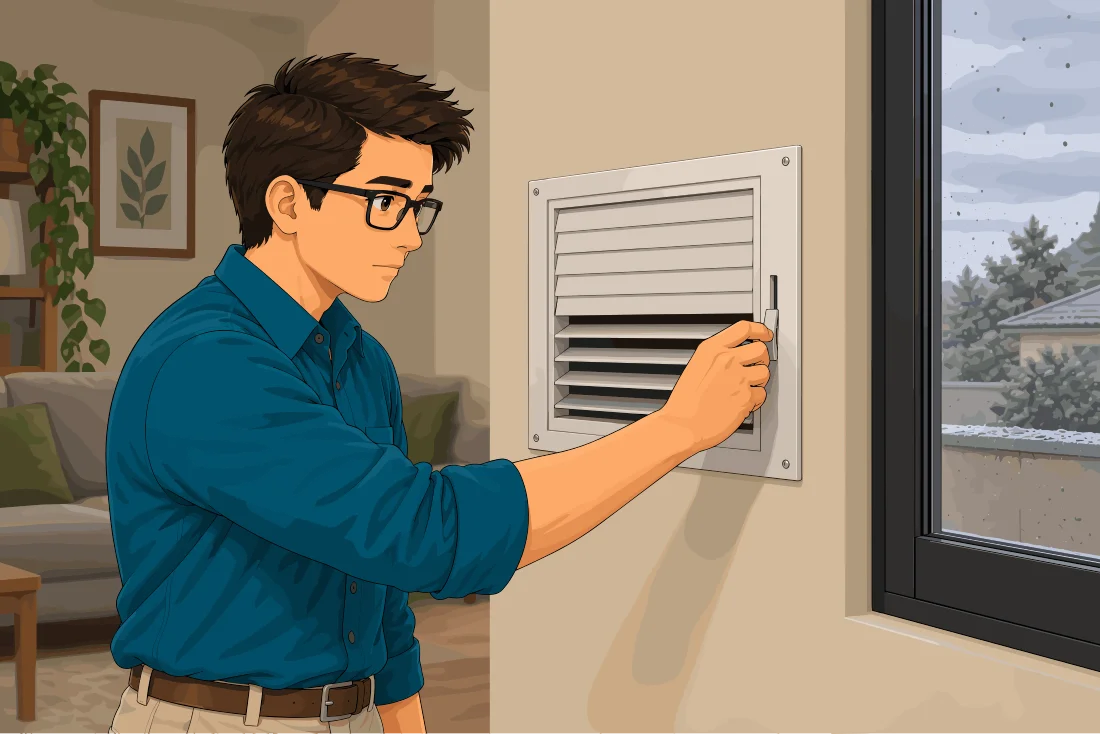
reduce the entry of outside air when the authorities recommend it,
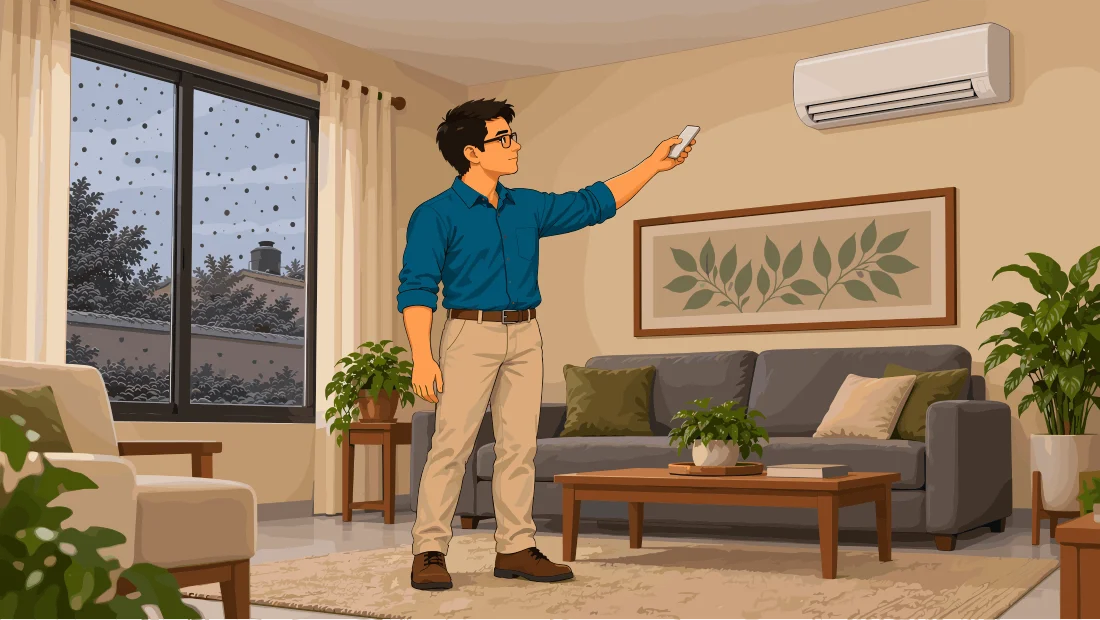
close or adjust the ventilation and air conditioning systems according to the procedure already established,
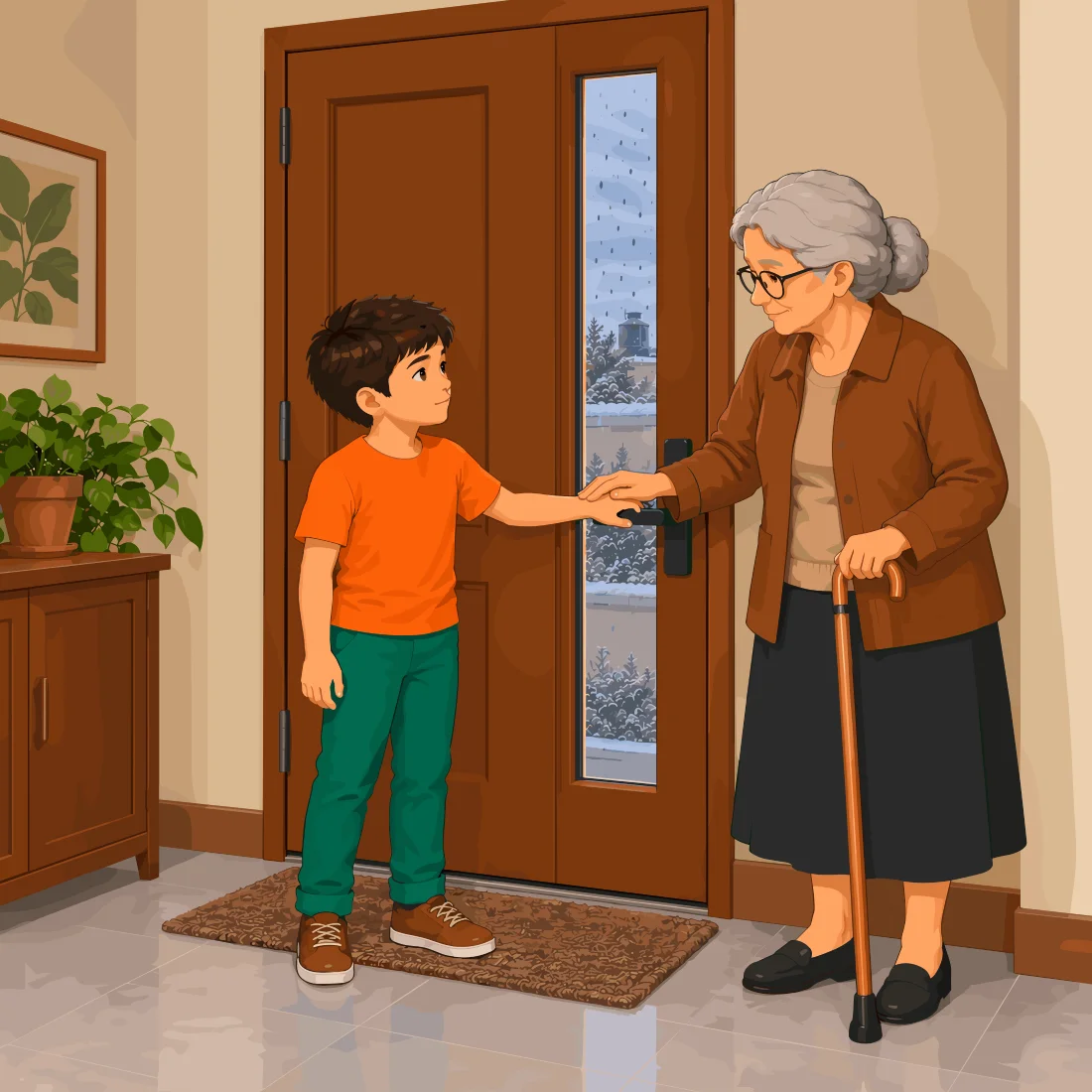
avoid opening doors,
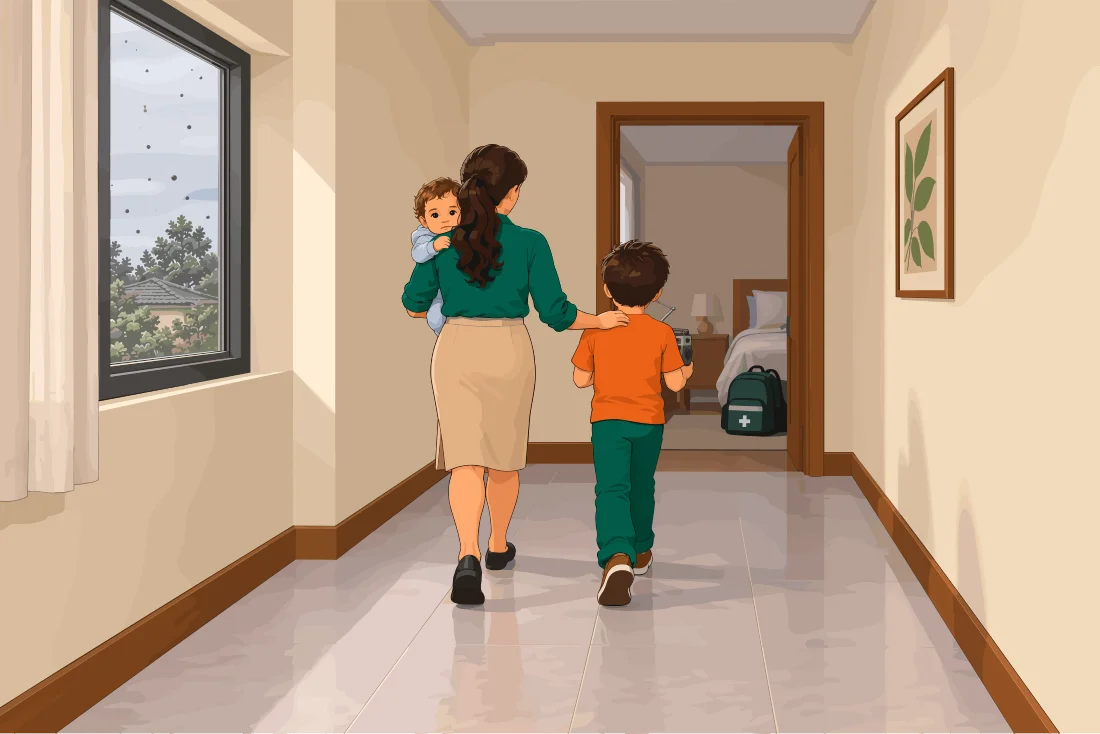
move to the area identified in advance for sheltering in place when applicable,
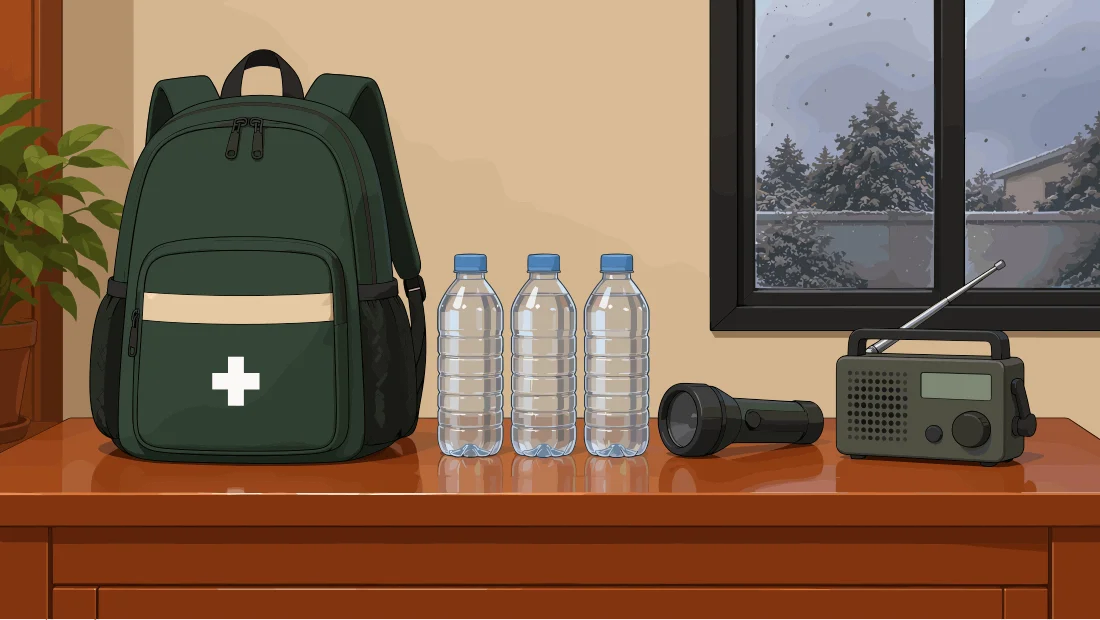
keep emergency supplies available,
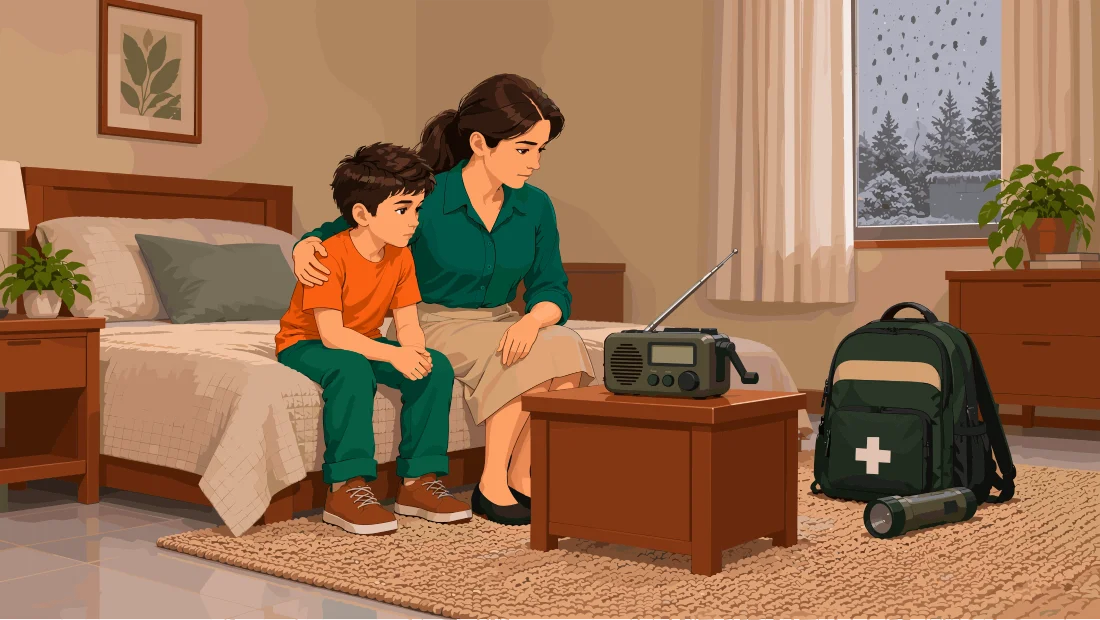
continue listening to the official communications.
The sealing materials prepared beforehand may be used to reduce the entry of ash through major openings.
It is not necessary to try to make a room a completely airtight space, and ventilation must never be compromised, or use an improvised procedure that could create another hazard.
 2.7
Sheltering in place does not protect against every threat
Staying inside a building can considerably reduce exposure to ash, but it does not provide adequate protection against every volcanic threat.
A conventional building must not be considered a safe shelter against:
- Pyroclastic flows,
- certain lahars,
- lava that directly reaches the building,
- major ballistic projectiles,
- structural fires,
- building collapse,
- dangerous concentrations of certain gases.
 2.8
During ashfall
When volcanic ash begins to fall, exposure must be reduced to a minimum.
Whenever possible:
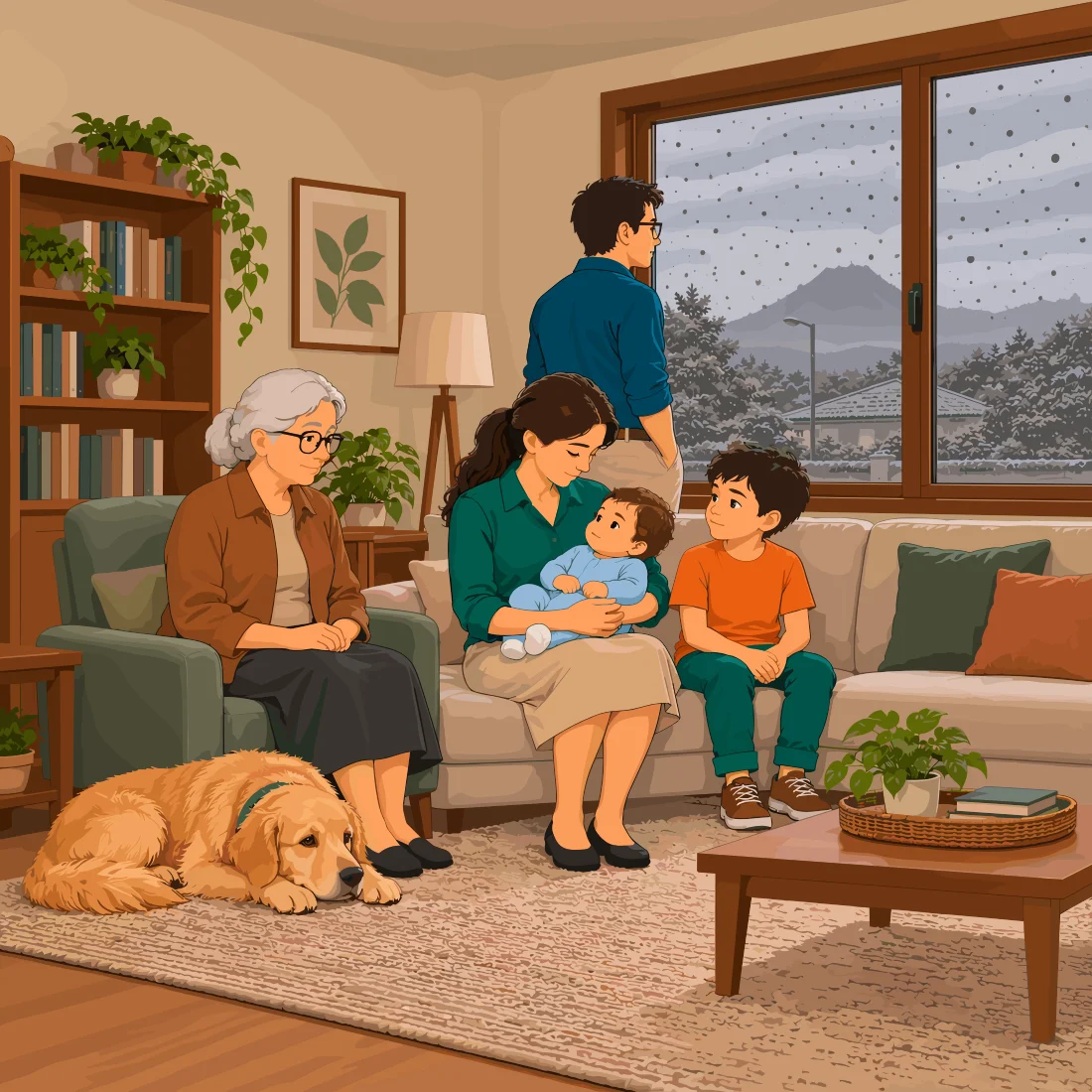
- Stay indoors,
- close doors and windows,
- keep children and vulnerable people inside,
- keep animals protected,
- reduce unnecessary physical activity,
- avoid travel,
- protect food and water,
- follow the official instructions.
Volcanic ash is not the same as household dust. It is made up of small fragments of rock, minerals, and volcanic glass, and can irritate the eyes and airways, as well as damage equipment, vehicles, and infrastructure.
 2.9
If it is necesary to go outdoors during ashfall
Avoid going outside while ash is falling, unless it is necessary to evacuate, carry out an essential function, or respond to an emergency.
When it is unavoidable:
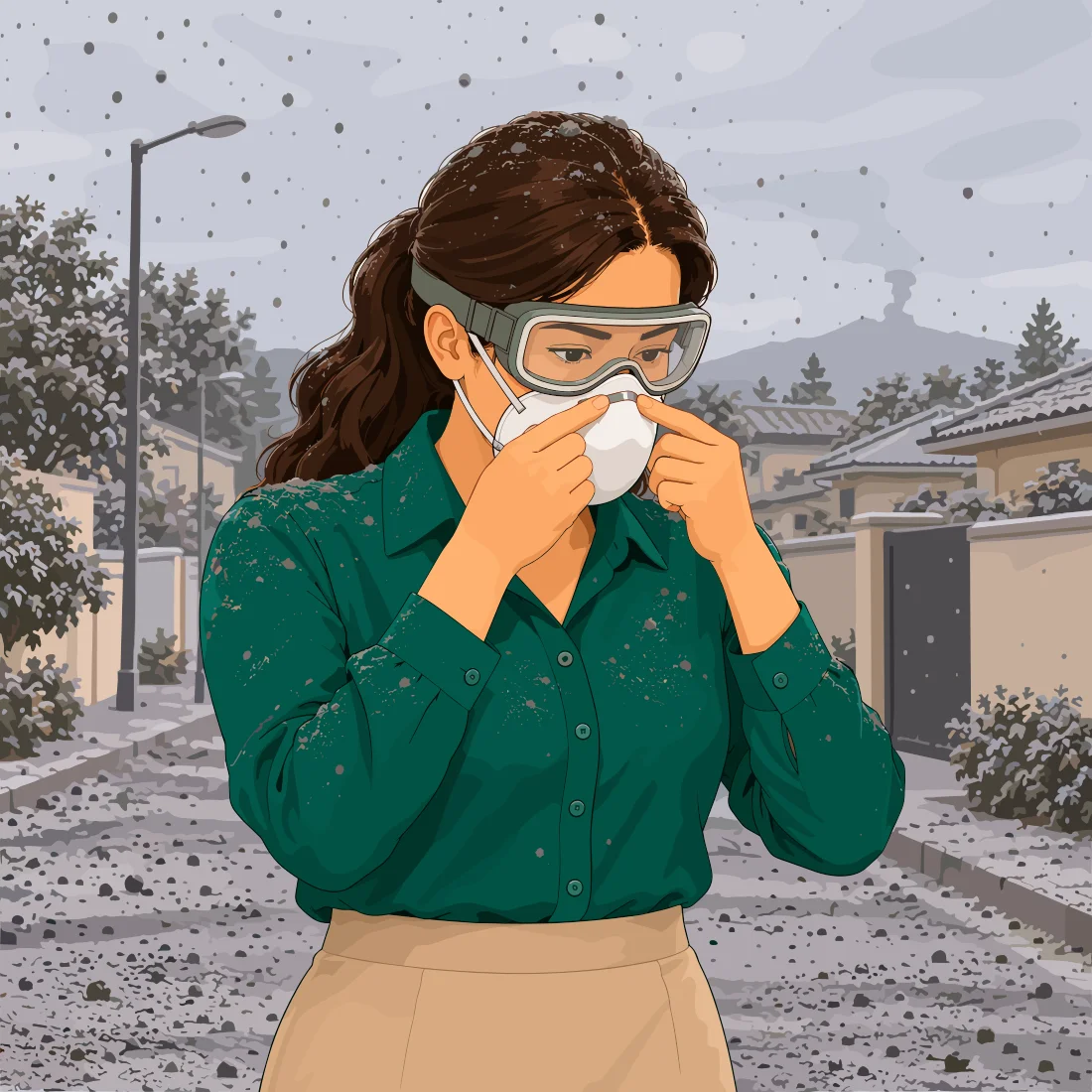
Use appropriate respiratory protection,
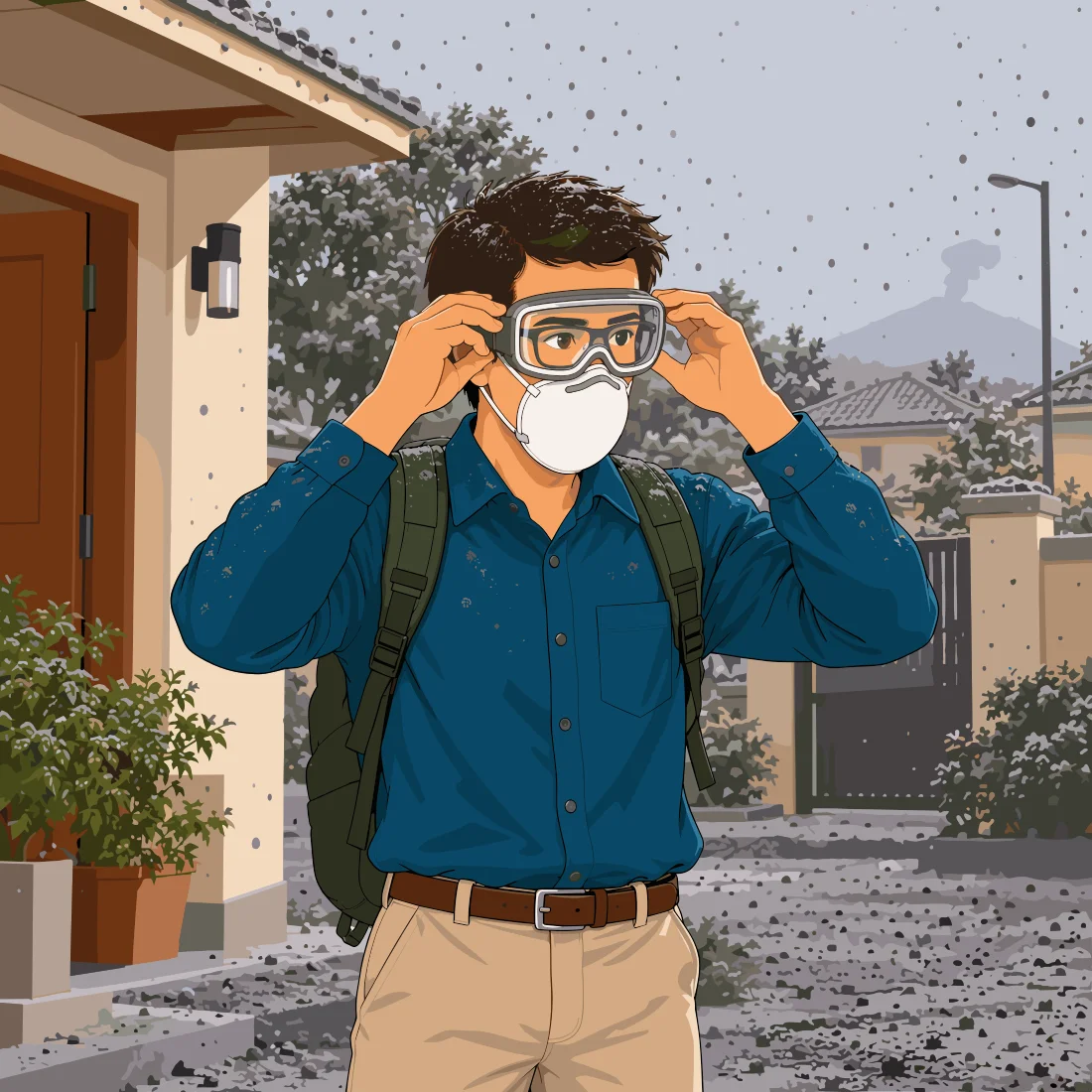
use eye protection,
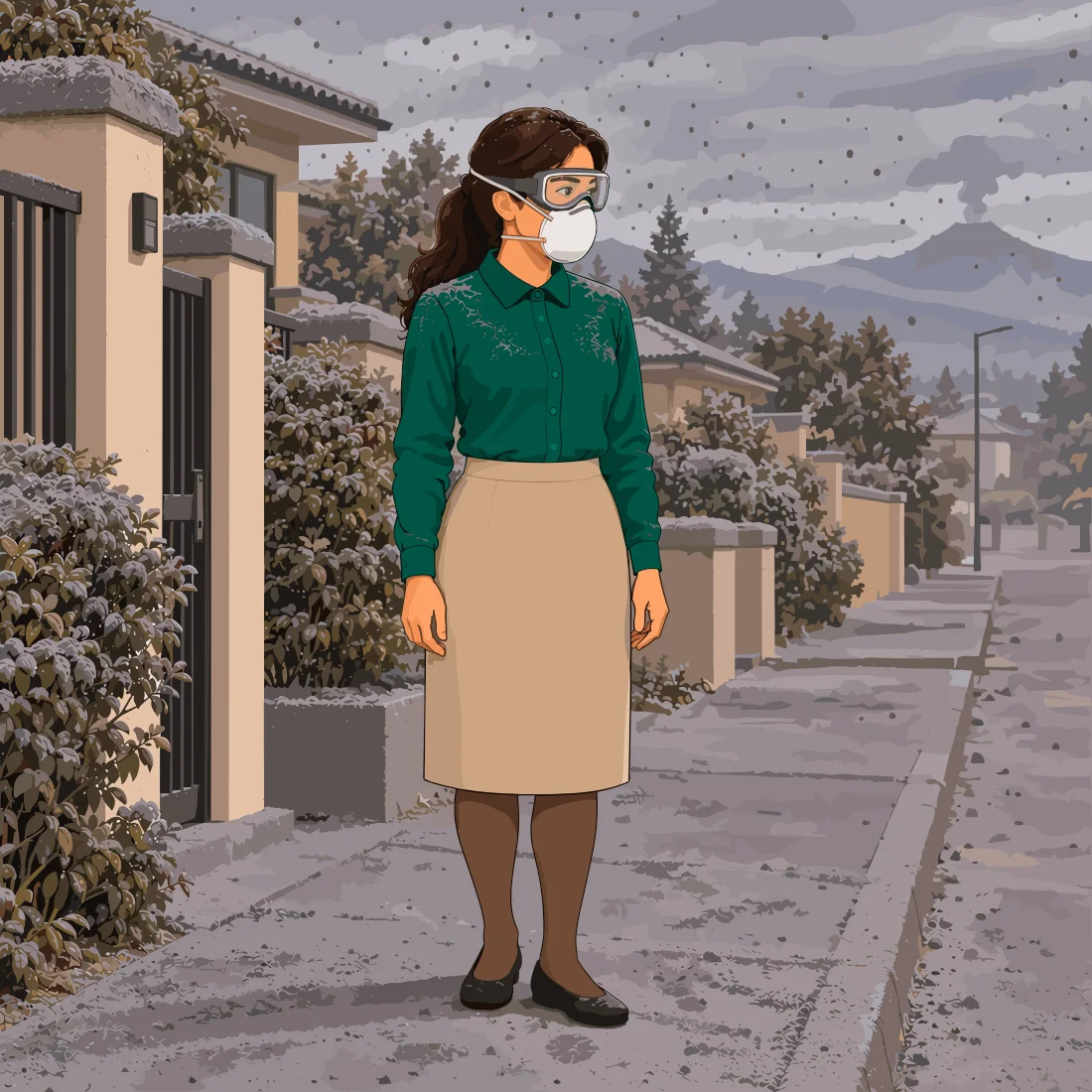
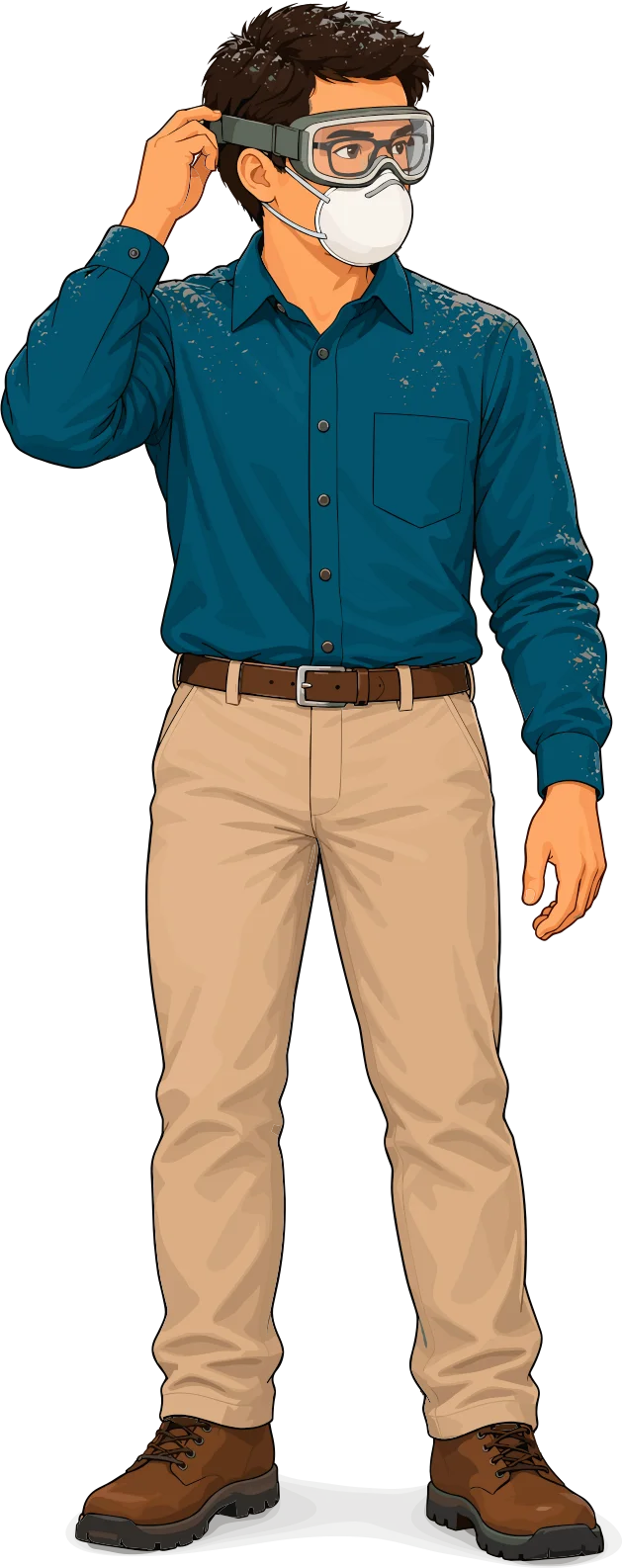
cover as much skin as possible,
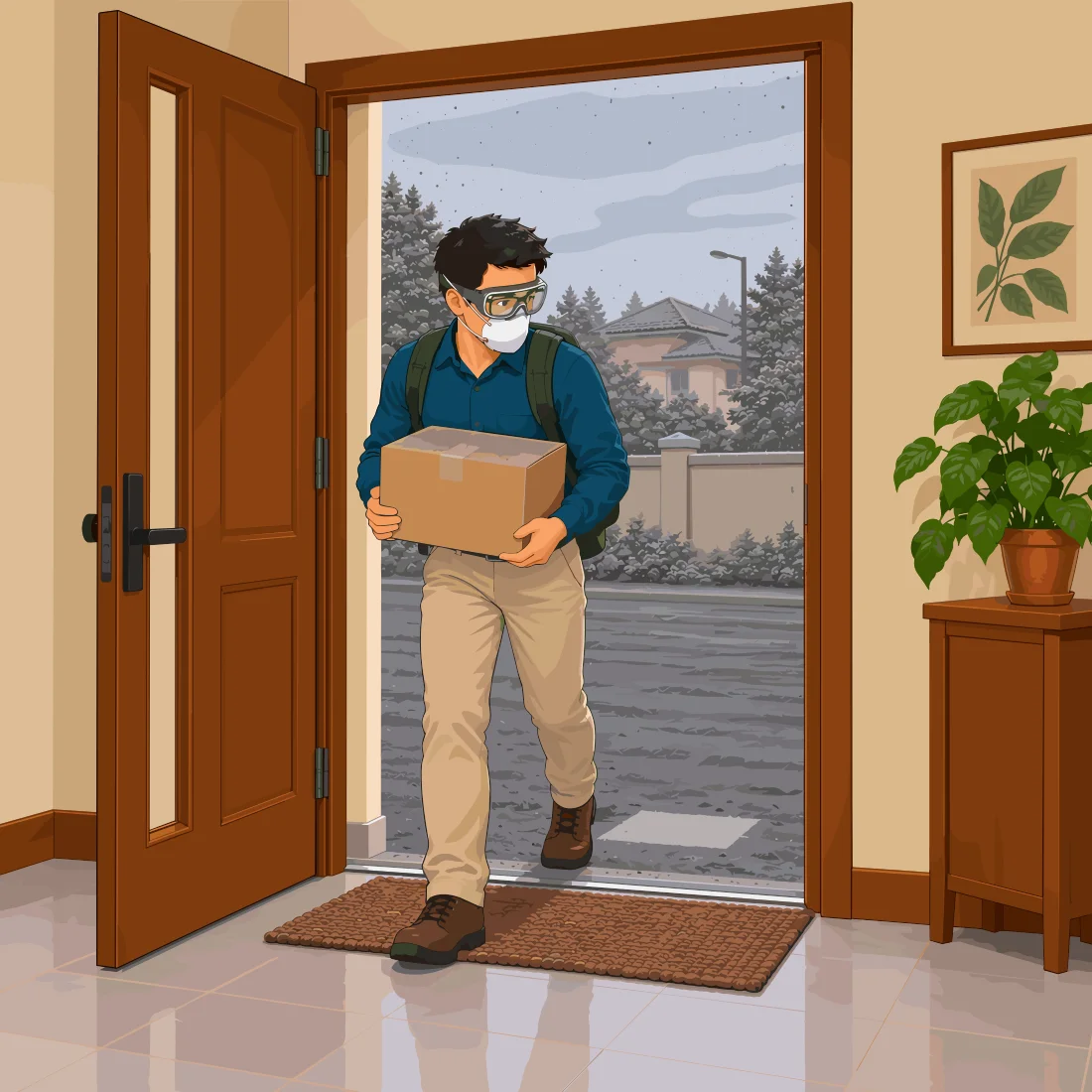
limit exposure time,
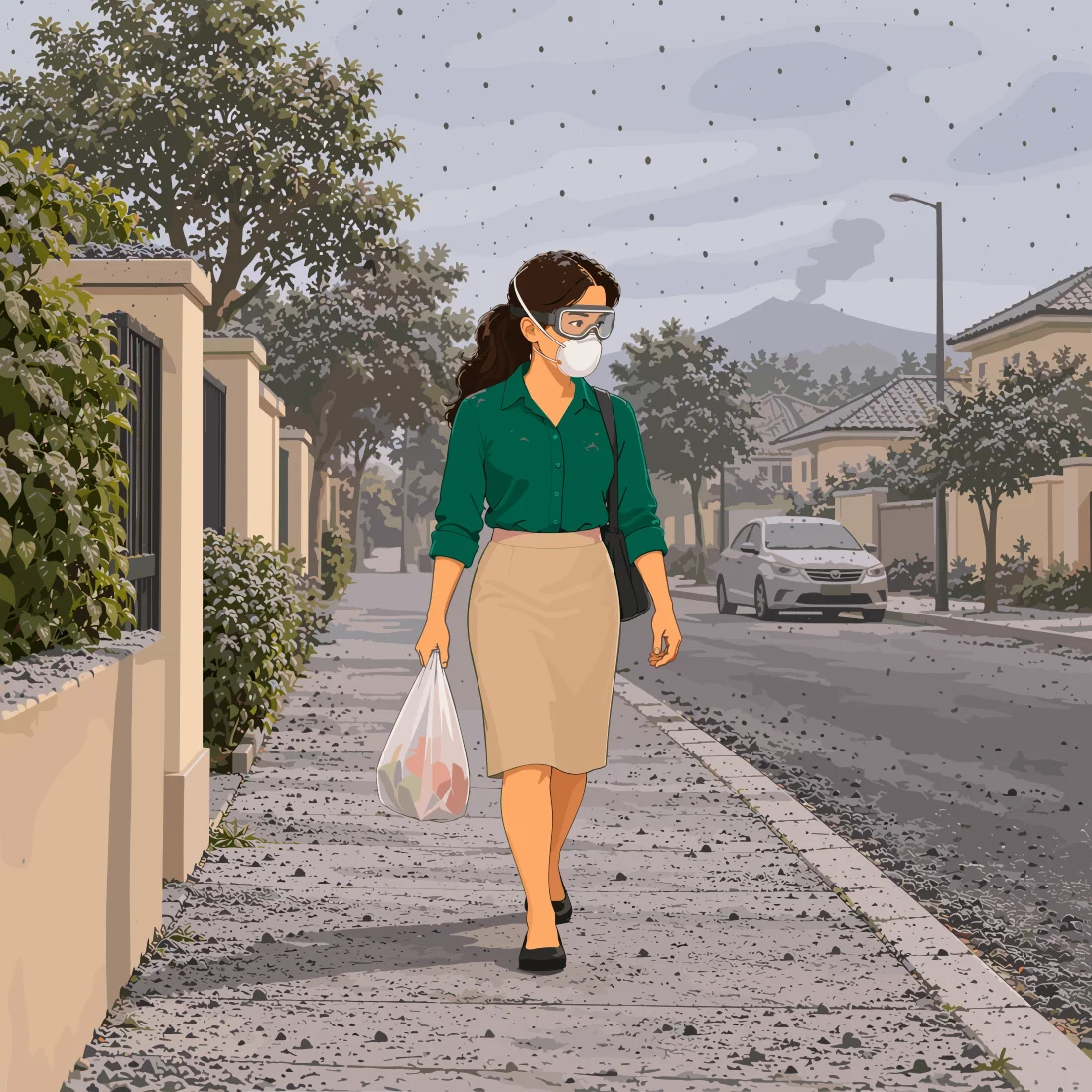
avoid unnecessary physical effort,
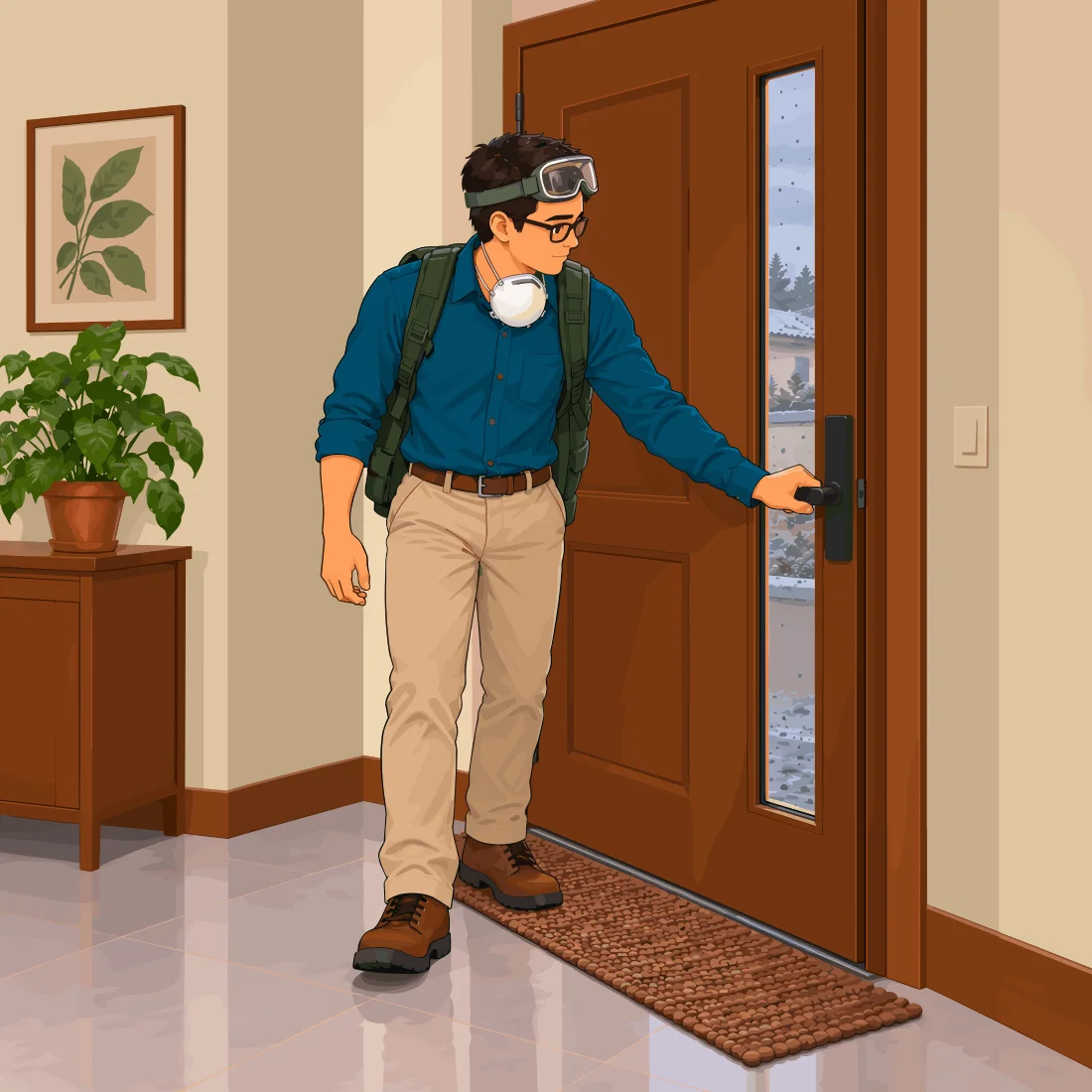
return to a protected environment as soon as possible.
 2.10
Respiratory protection
To reduce the inhalation of ash particles, certified particulate respirators —such as N95, P2, FFP2, or equivalent— should preferably be used and fitted correctly.
Keep in mind that:
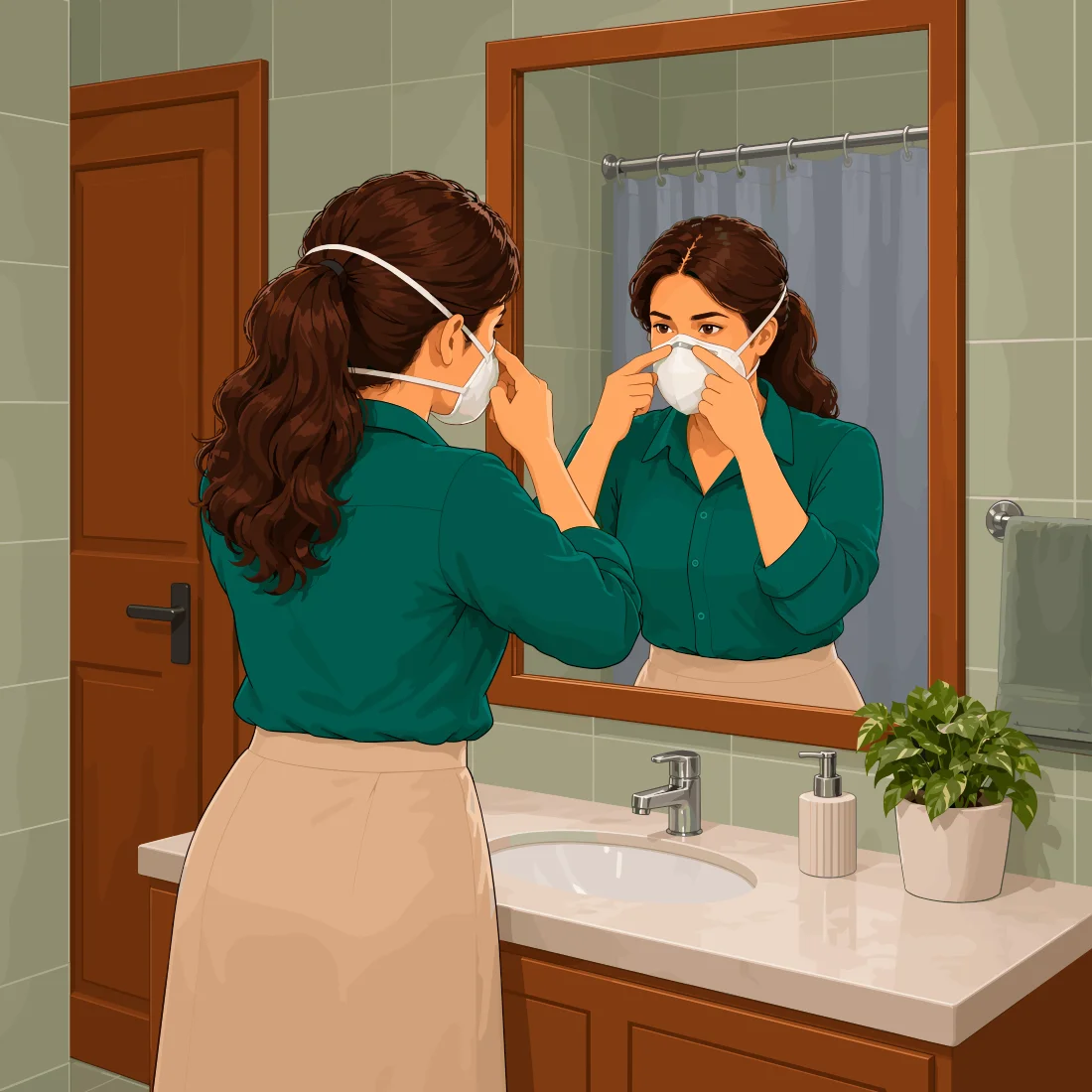
The respirator must fit the face correctly,
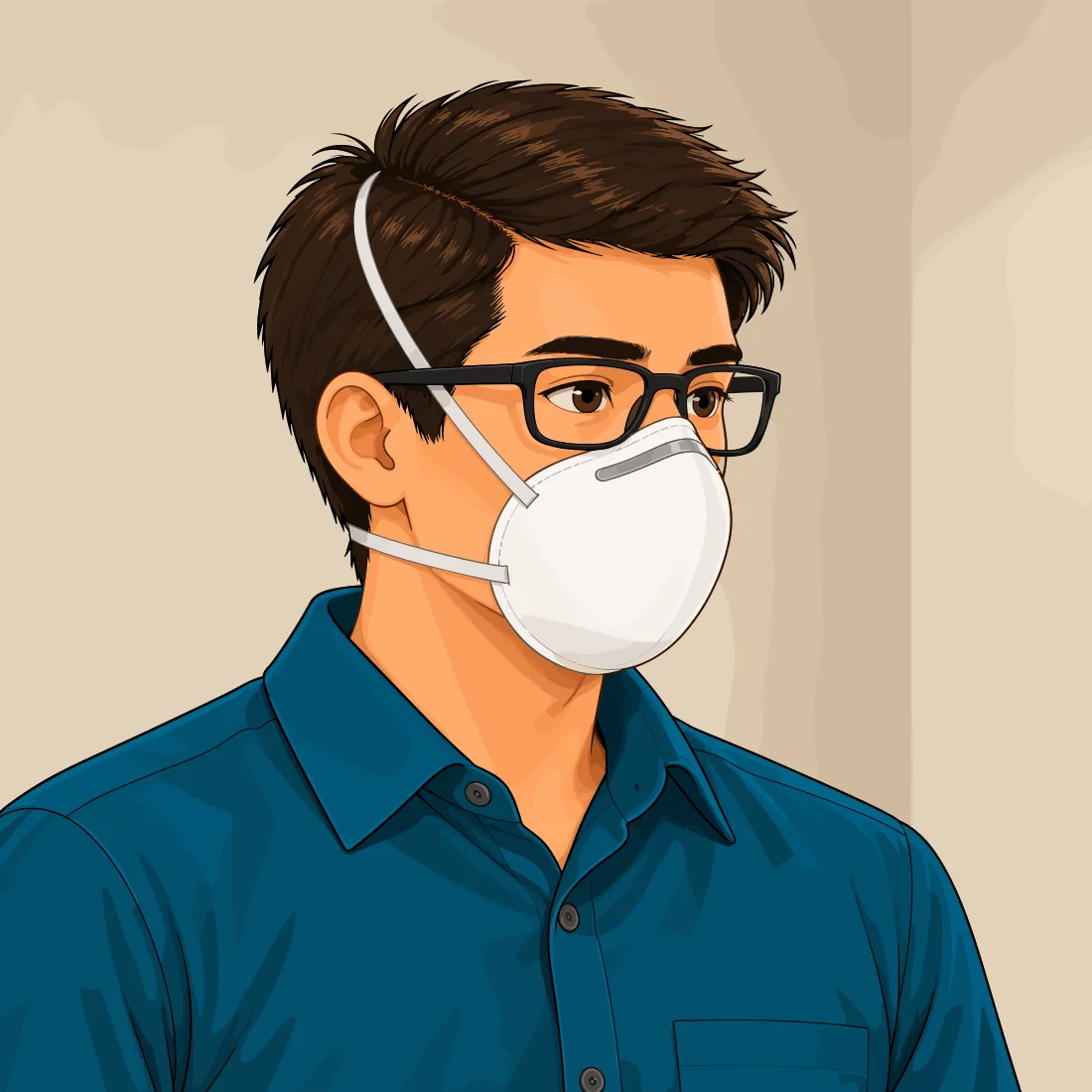
it must cover the nose and mouth,

facial hair can make it harder to achieve a proper seal,
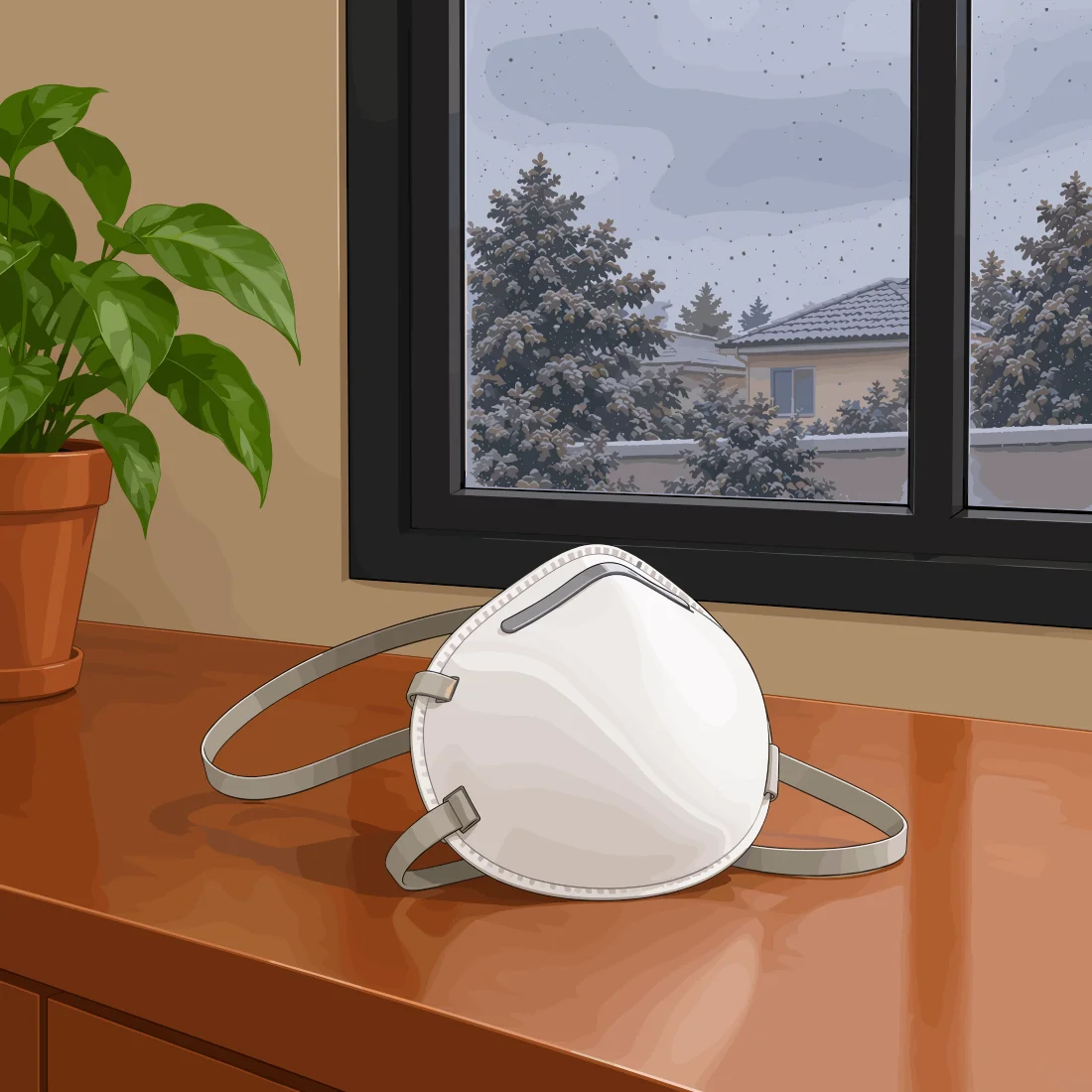
a respirator designed for particles does not protect against volcanic gases,
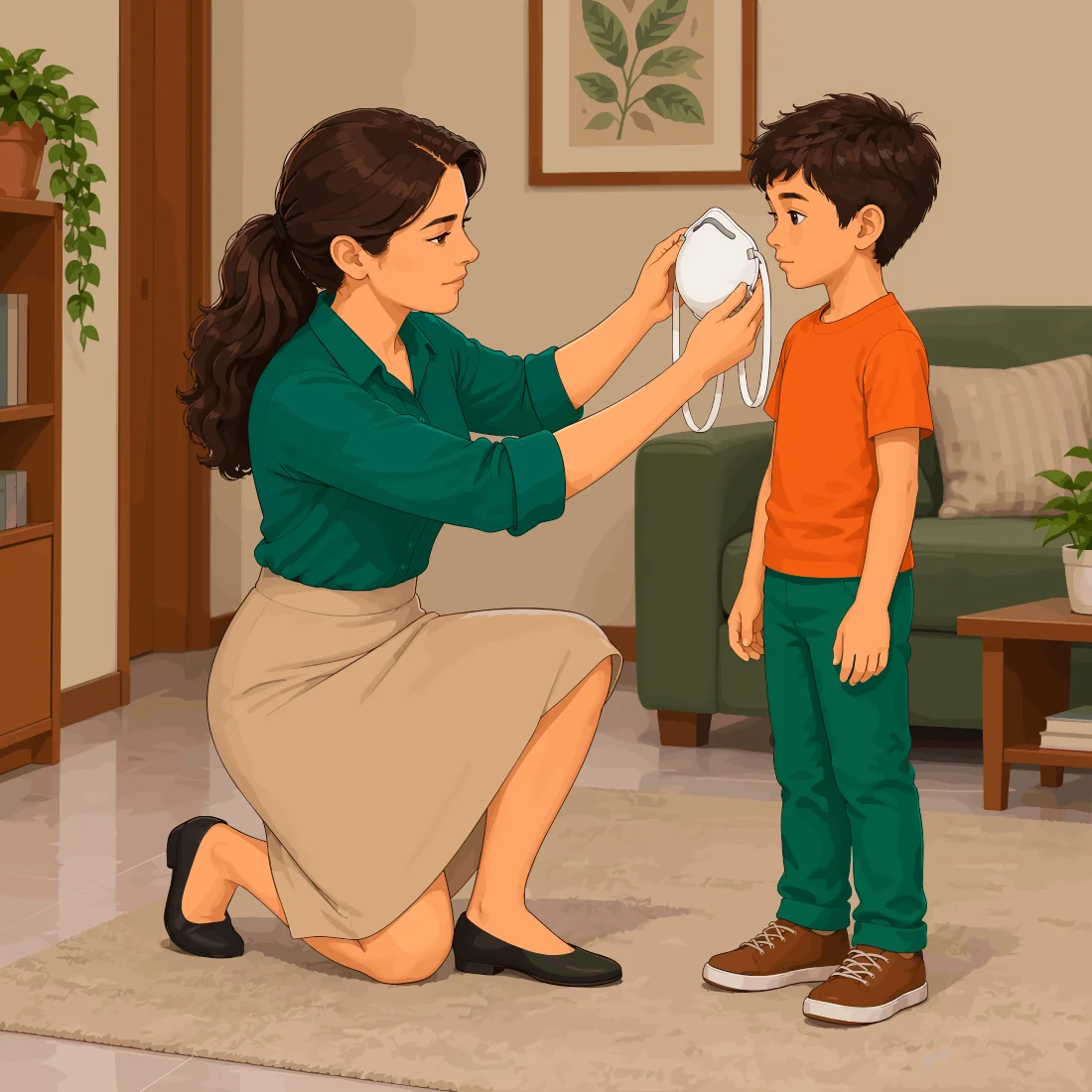
models designed for adults may not fit children correctly,
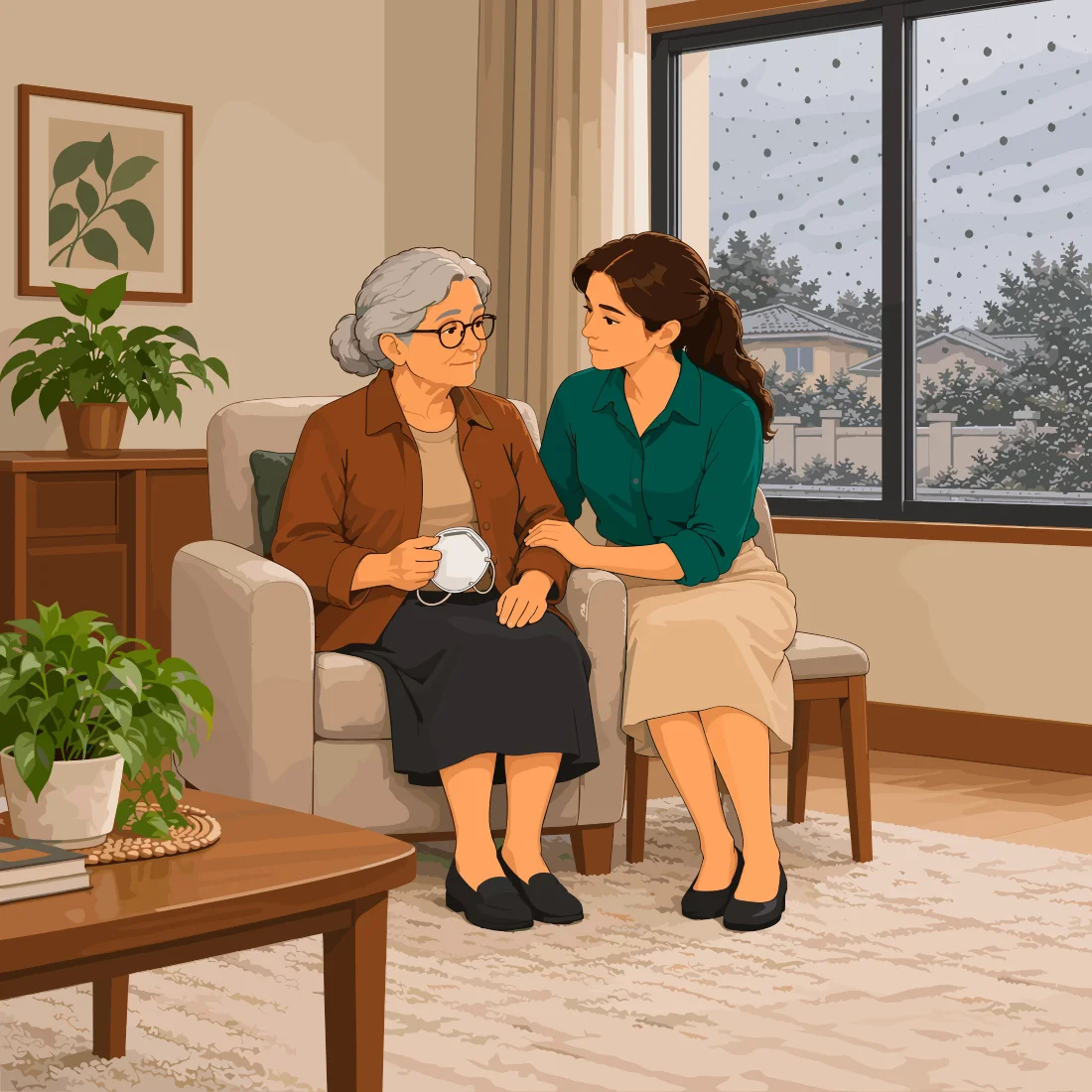
people with certain respiratory or cardiovascular conditions may have difficulty using some respirators.
 2.11
Eye protection
During ashfall, protective goggles that reduce the entry of particles should be used whenever it is necessary to stay outdoors.
Goggles or tight-fitting safety glasses offer superior protection compared to regular eyeglasses.
Sunglasses can partially reduce direct contact with larger particles, but they do not replace proper eye protection.
Avoid wearing contact lenses during ashfall when possible, since particles can become trapped between the lens and the eye and cause irritation or injury.
Do not rub your eyes if ash gets into them.
 2.12
People with asthma and other respiratory conditions
Exposure to ash can worsen asthma and other respiratory conditions.
During the emergency, these people should:
- Reduce their outdoor exposure to a minimum,
- stay indoors, whenever possible, in an environment with the cleanest air possible,
- keep the prescribed medication accessible,
- follow the usual medical plan,
- avoid unnecessary physical effort,
- use the indicated respiratory protection when they must be exposed to ash and can do so safely,
- seek medical attention if significant symptoms appear or their condition worsens.
 2.13
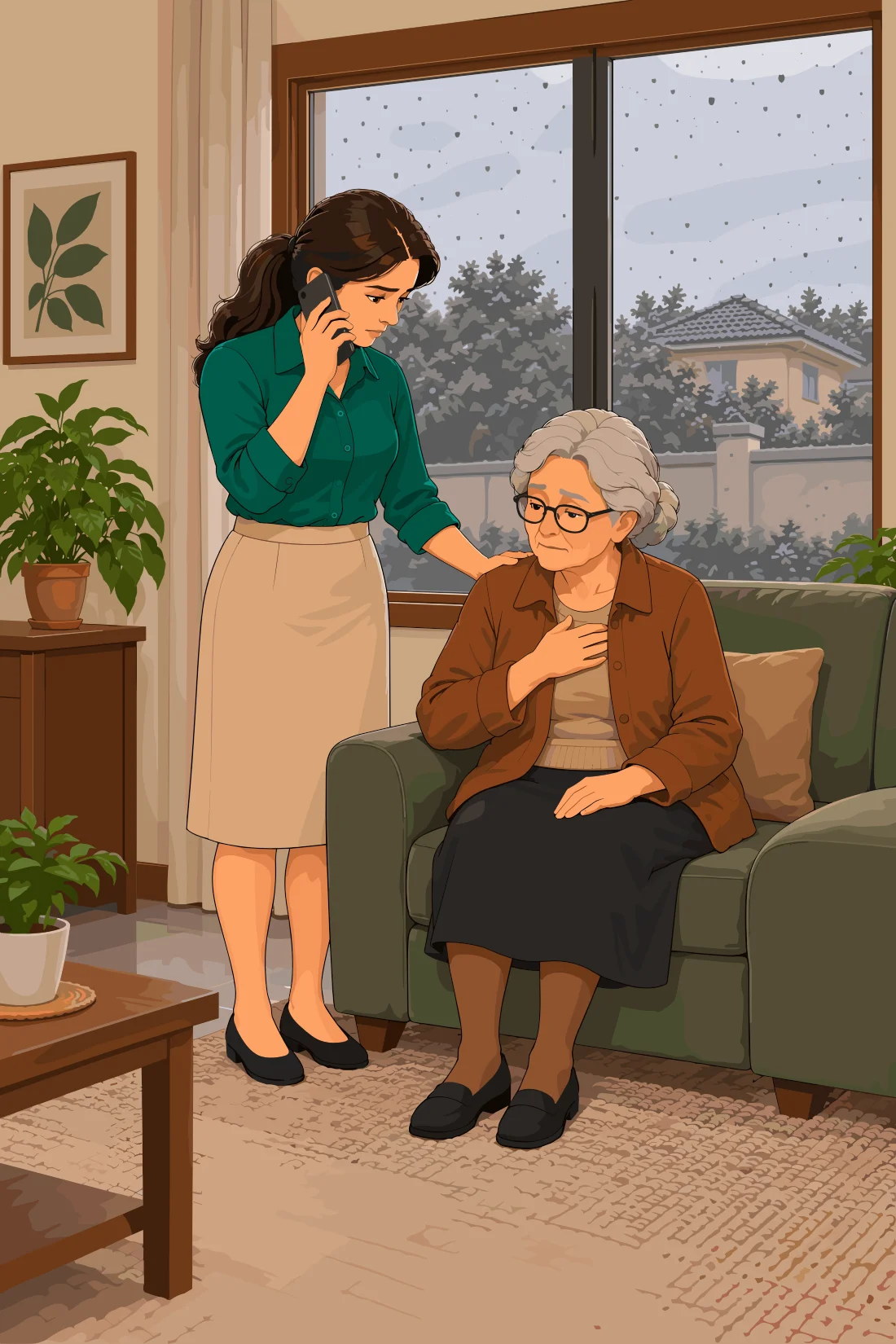
When to seek medical assistance
Seek emergency medical assistance when a person shows significant signs such as:
- Severe difficulty breathing,
- severe worsening of a respiratory condition,
- significant chest pain or pressure,
- loss of consciousness,
- sudden confusion,
- serious injuries,
- burns,
- trauma,
- any other situation that poses immediate danger to life.
 2.14
Protect water and food
During ashfall:
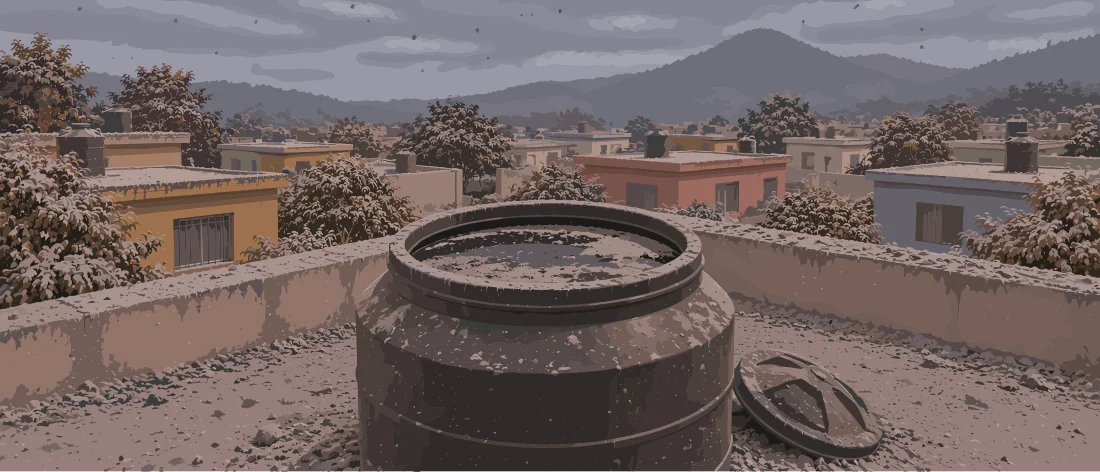
- Keep water storage containers closed,
- protect cisterns, tanks, and catchment systems,
- prevent ash from getting into containers,
- keep food covered,
- do not eat food that has been exposed and cannot be properly cleaned,
- follow the official instructions on whether water is safe to drink.
 2.15
Ventilation and air conditioning systems
If ash is falling, apply the procedures already established to limit it from entering the building.
When appropriate and it can be done safely:
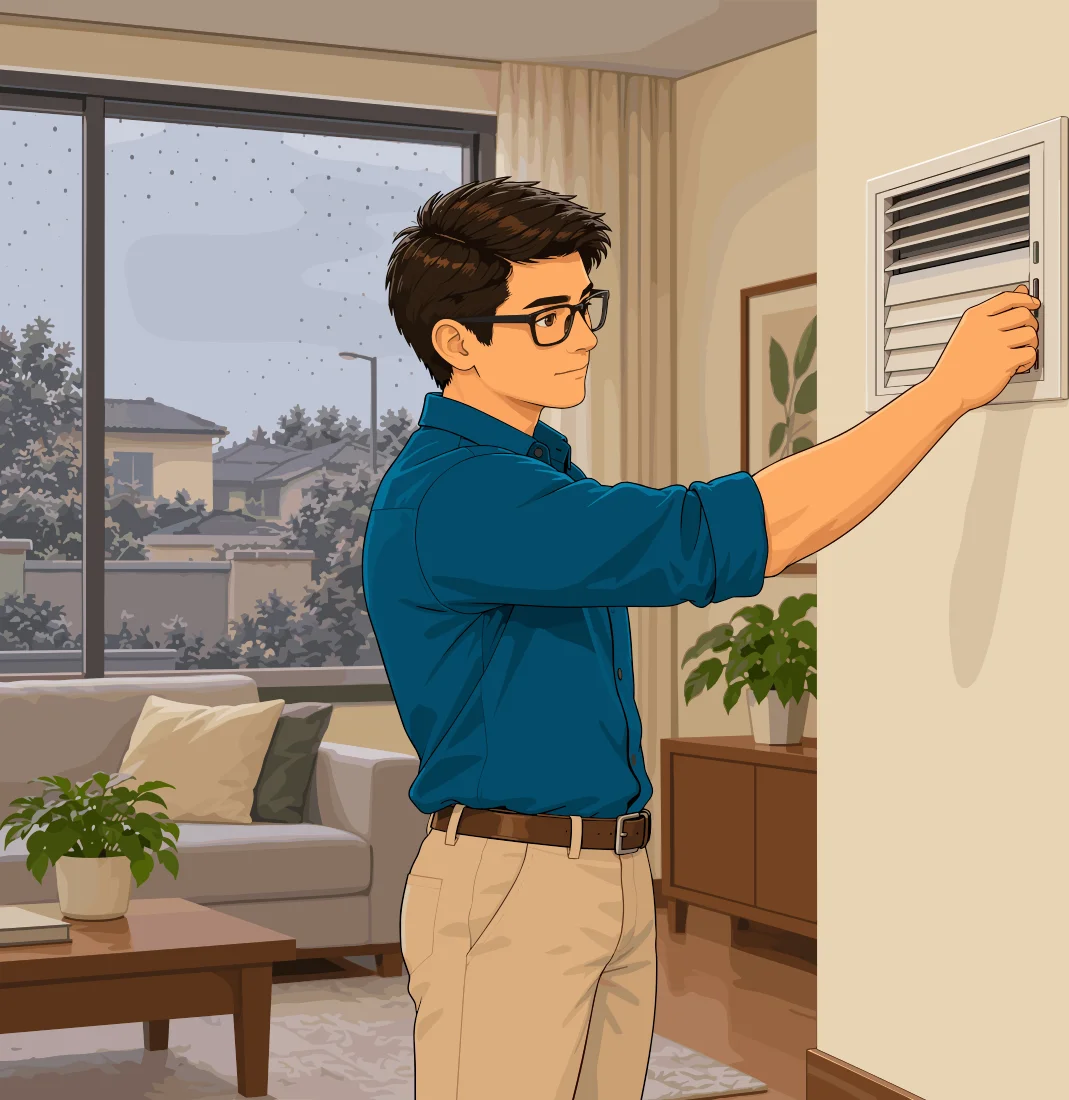
Close outside air intakes,
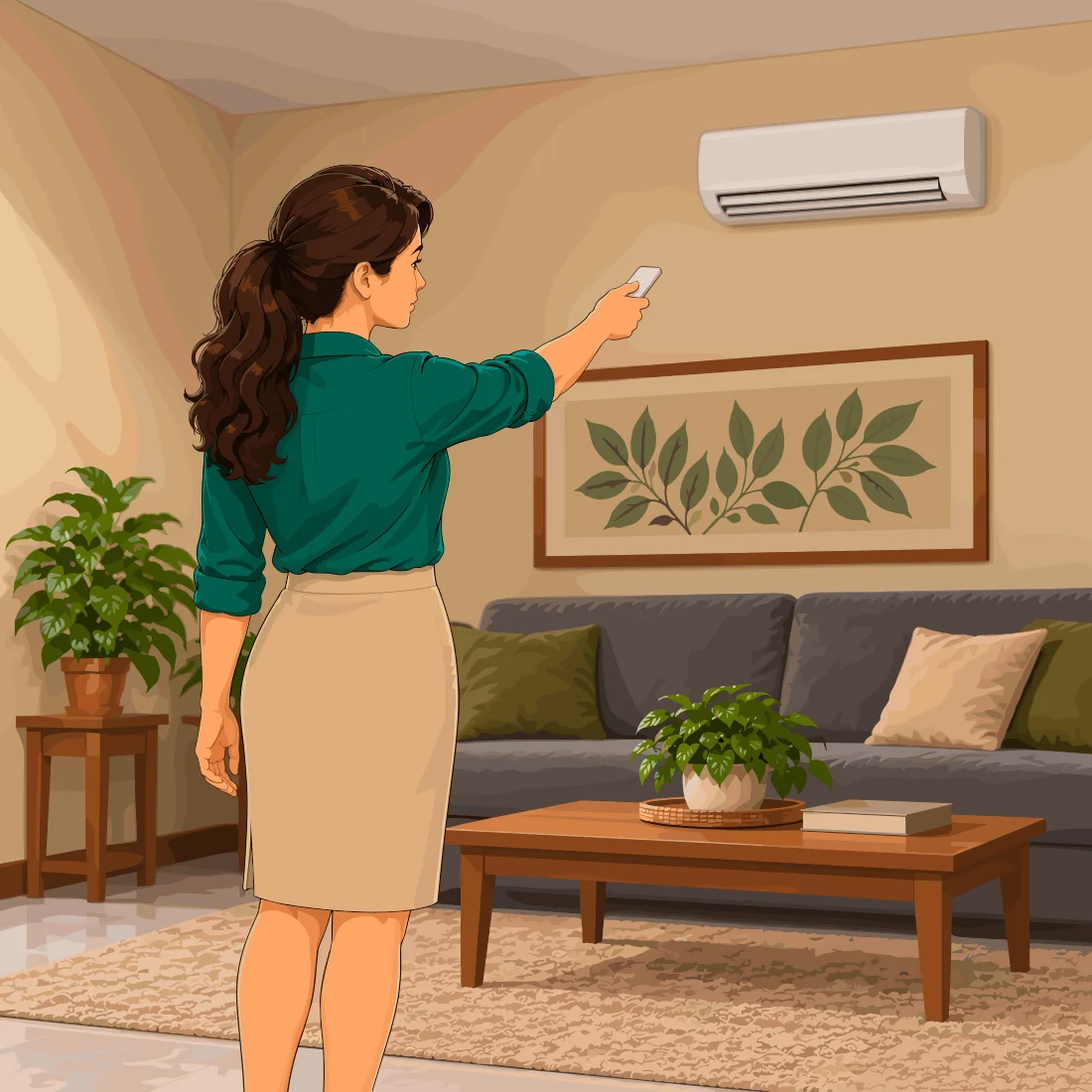
adjust the air conditioning systems,
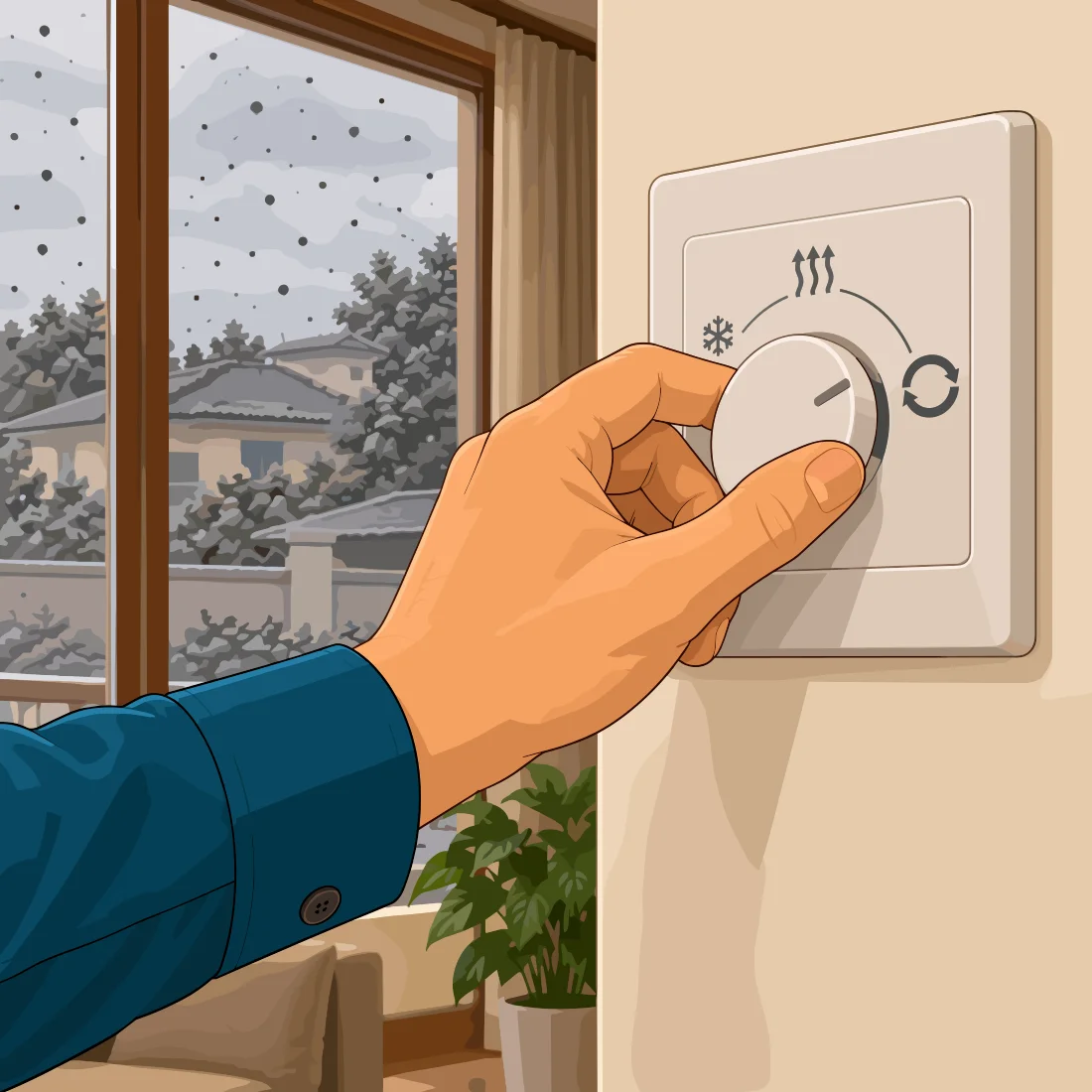
use recirculation modes when appropriate,
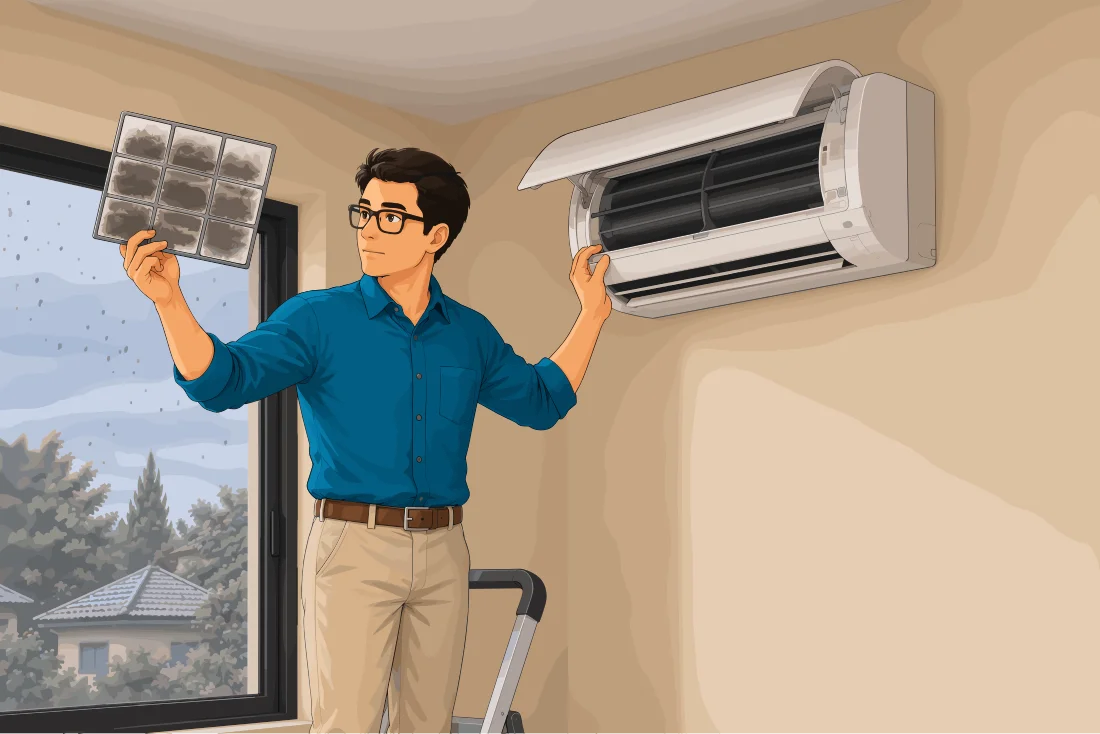
check the filters,
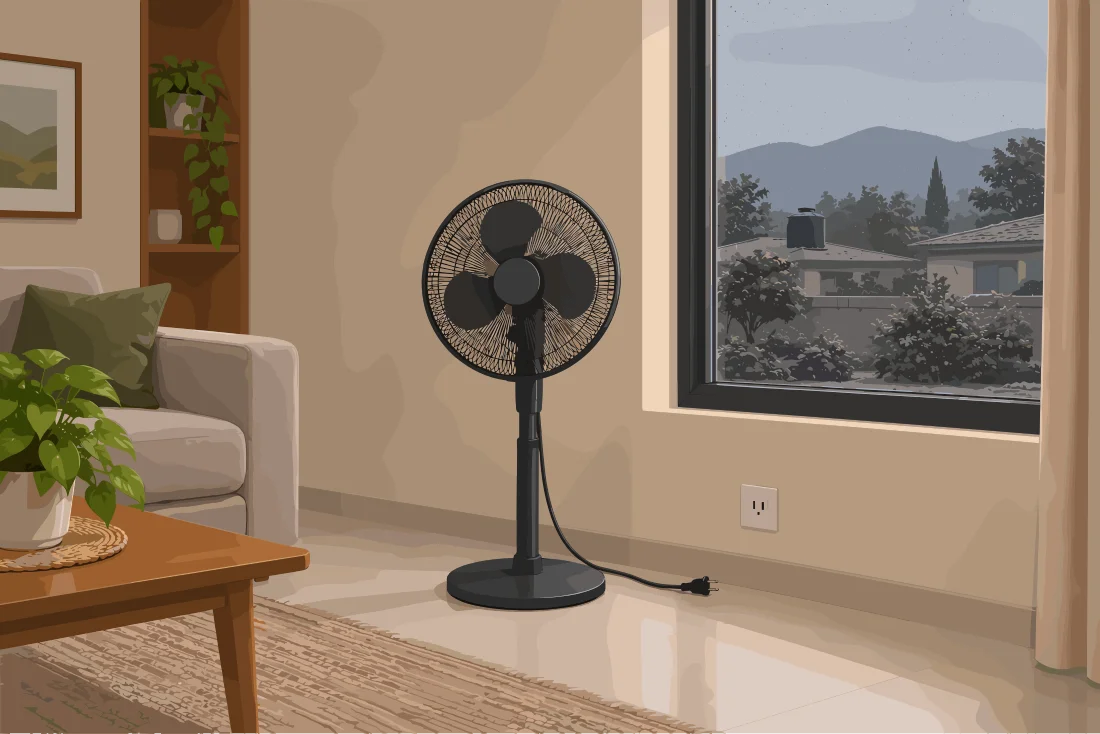
avoid using equipment that draws in large amounts of outside air contaminated with ash.
 2.16
Electrical and electronic equipment
Fine ash can get into equipment and cause abrasion, blockages, overheating, or failures.
During significant ashfall:
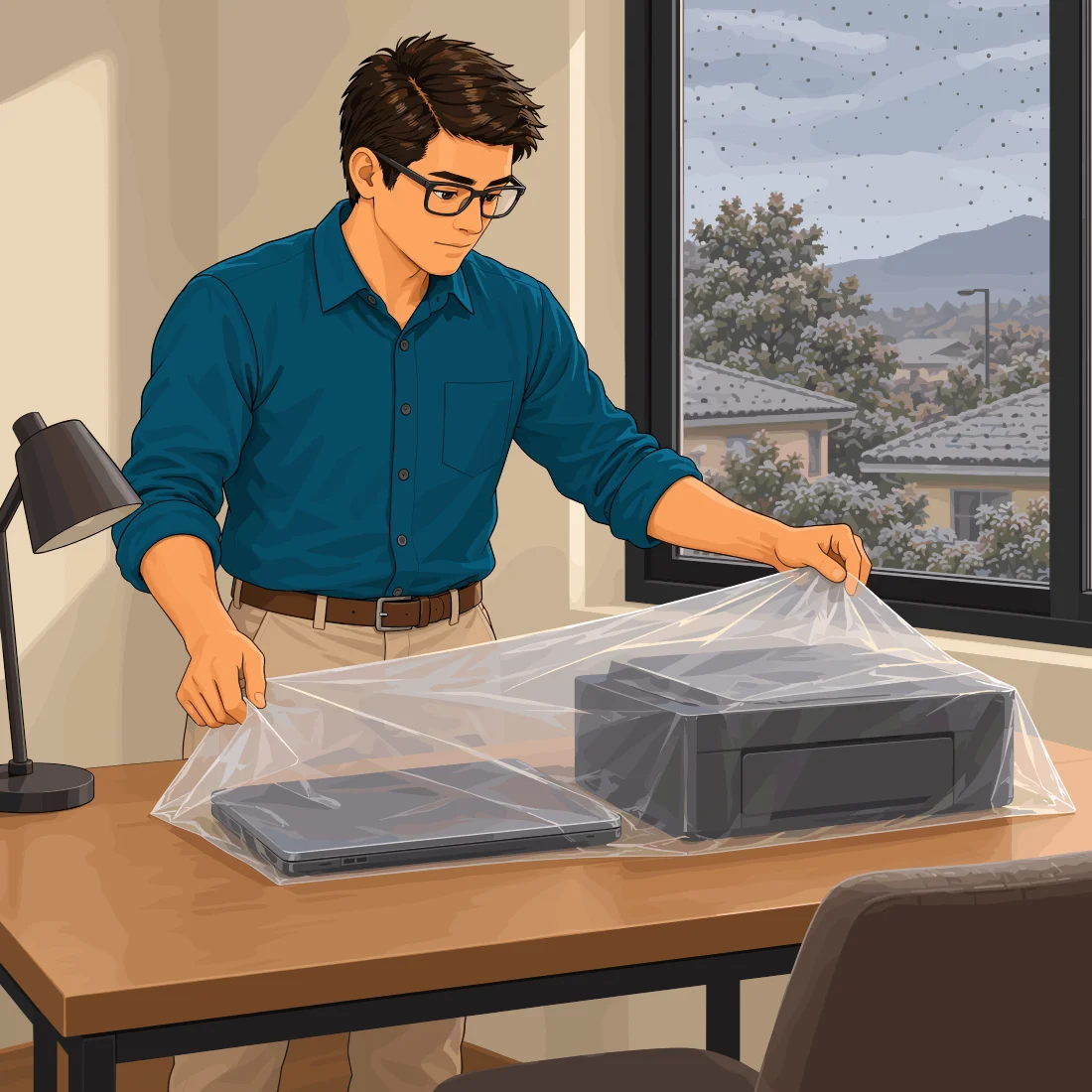
Protect sensitive equipment,
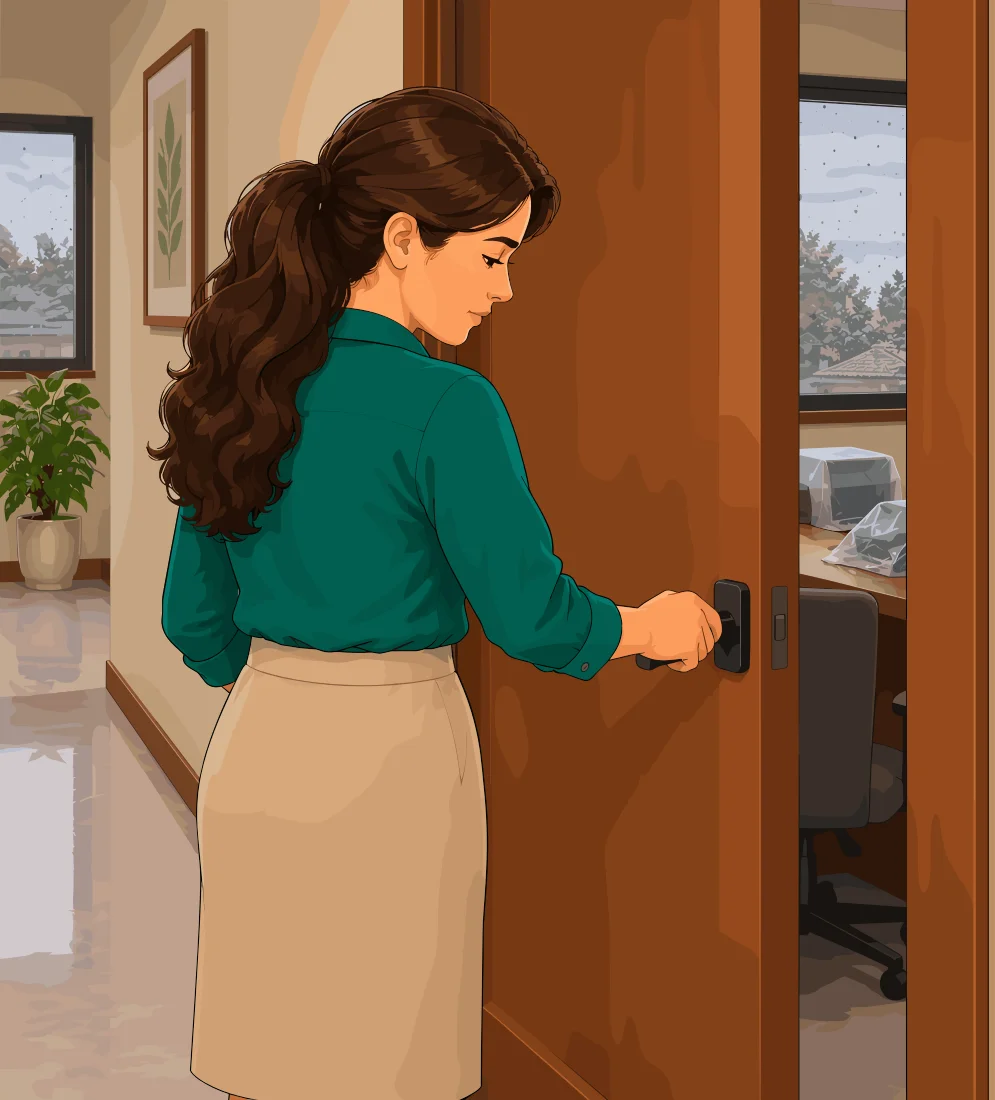
keep the spaces where it is located closed,
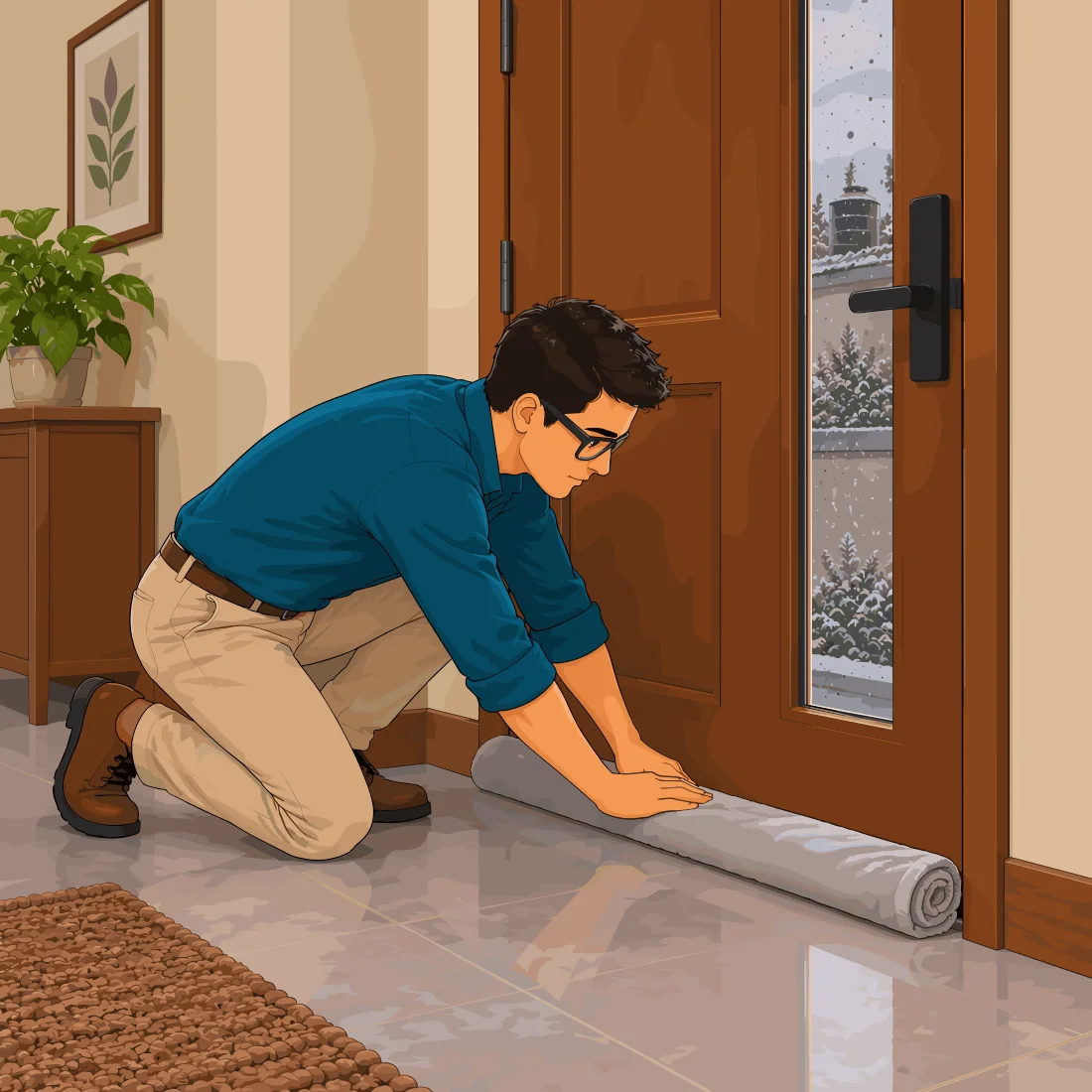
reduce the entry of ash,
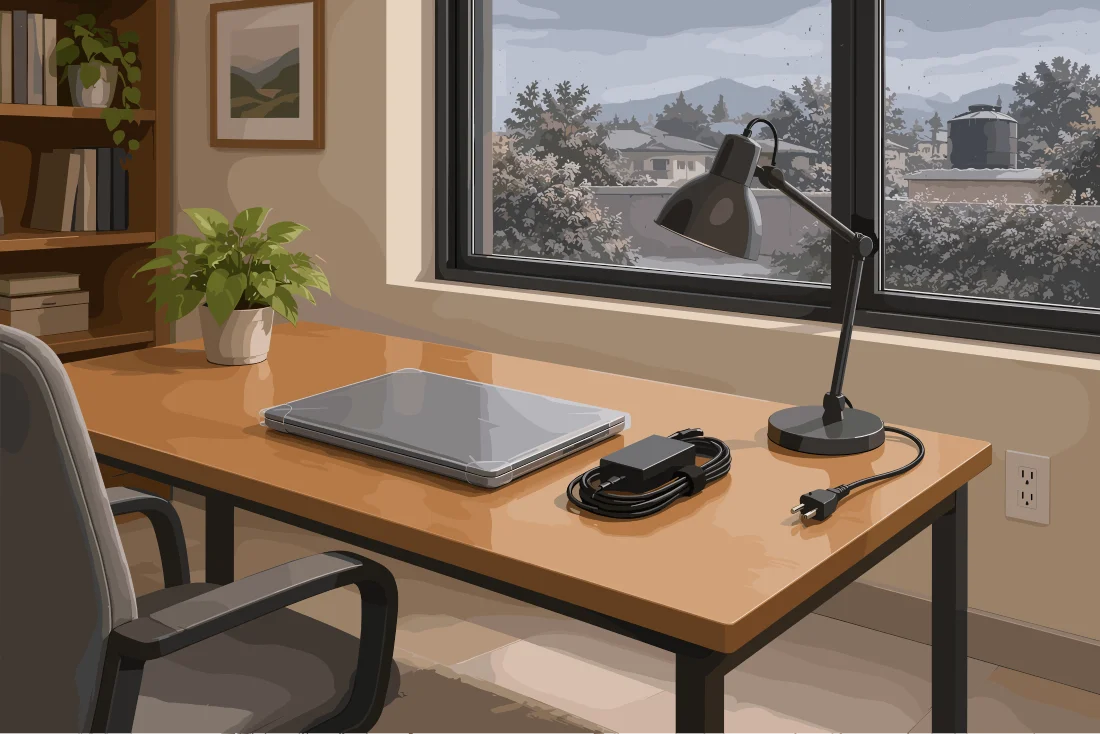
avoid use of exposed equipment,

follow the manufacturer’s or technical staff’s instructions.
 2.17
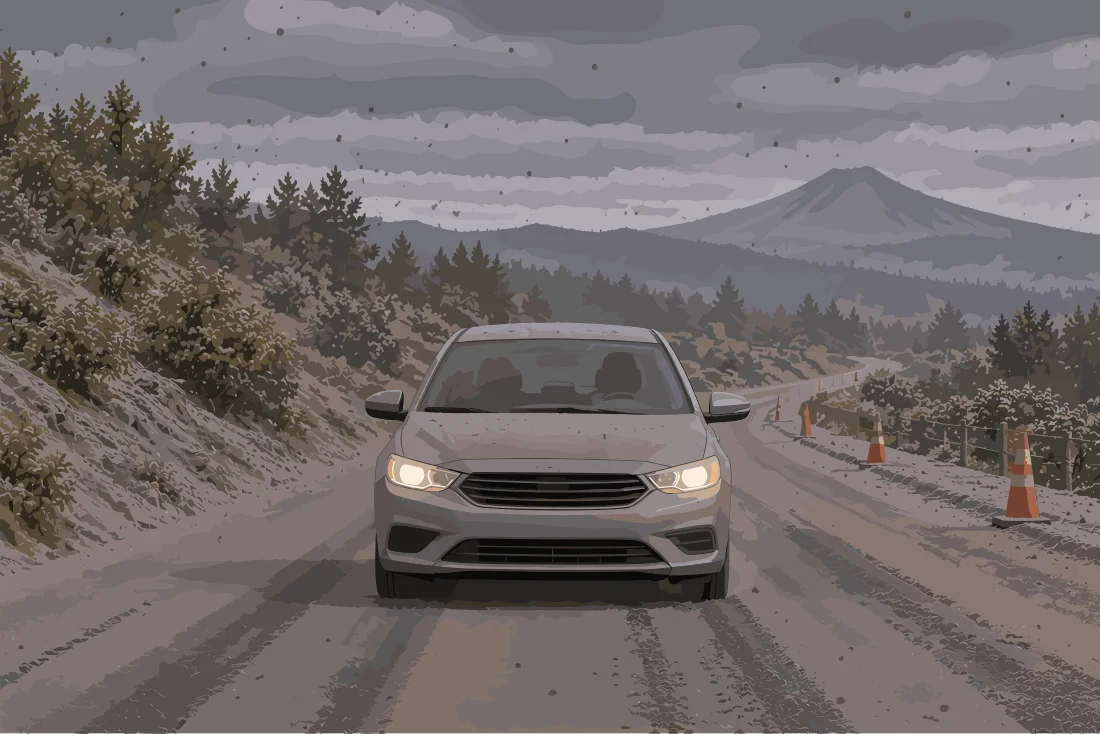
Avoid driving during heavy ashfall
Whenever the authorities have not ordered an evacuation and there is no other urgent need, avoid driving during significant ashfall.
Ash can:
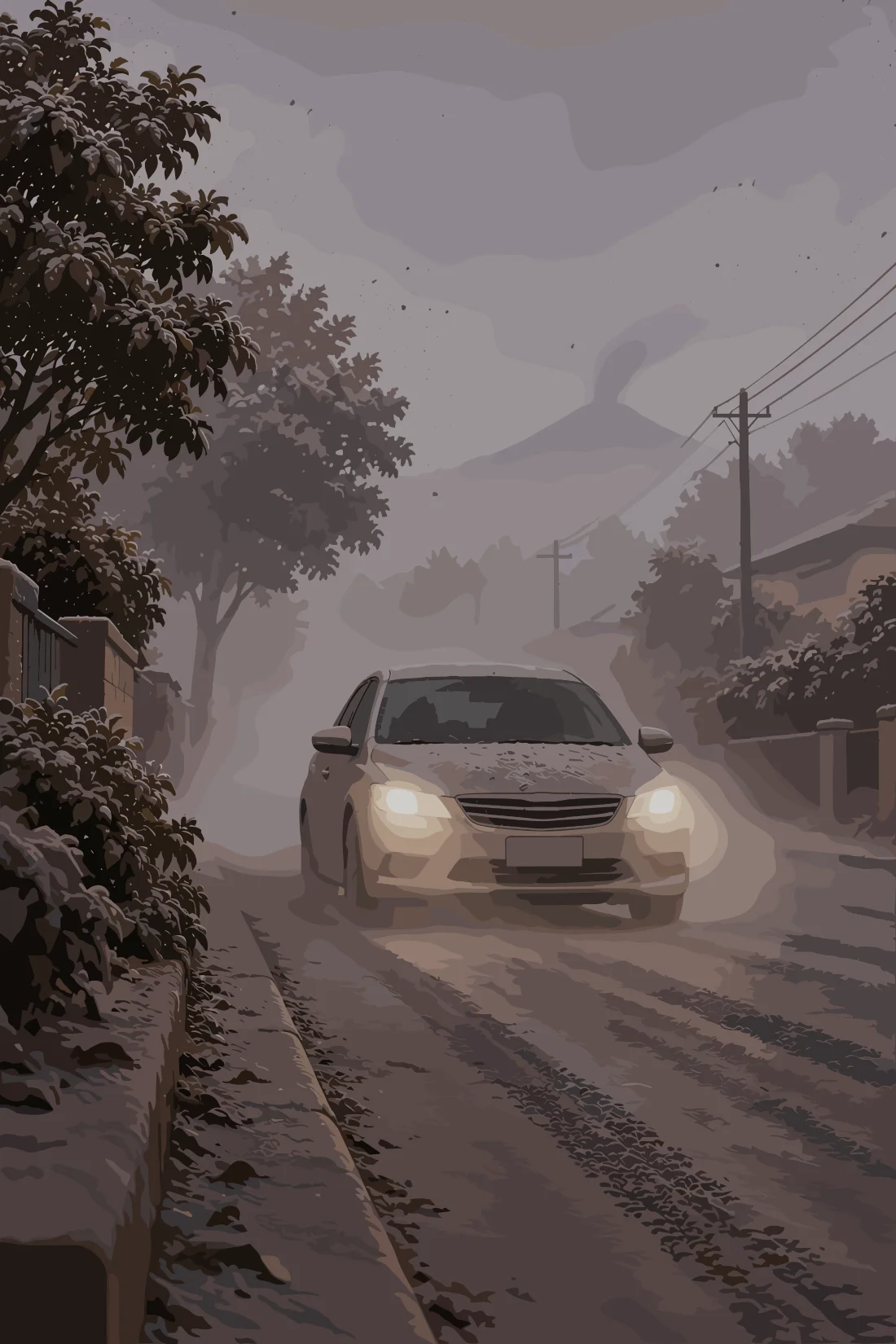
Drastically reduce visibility,
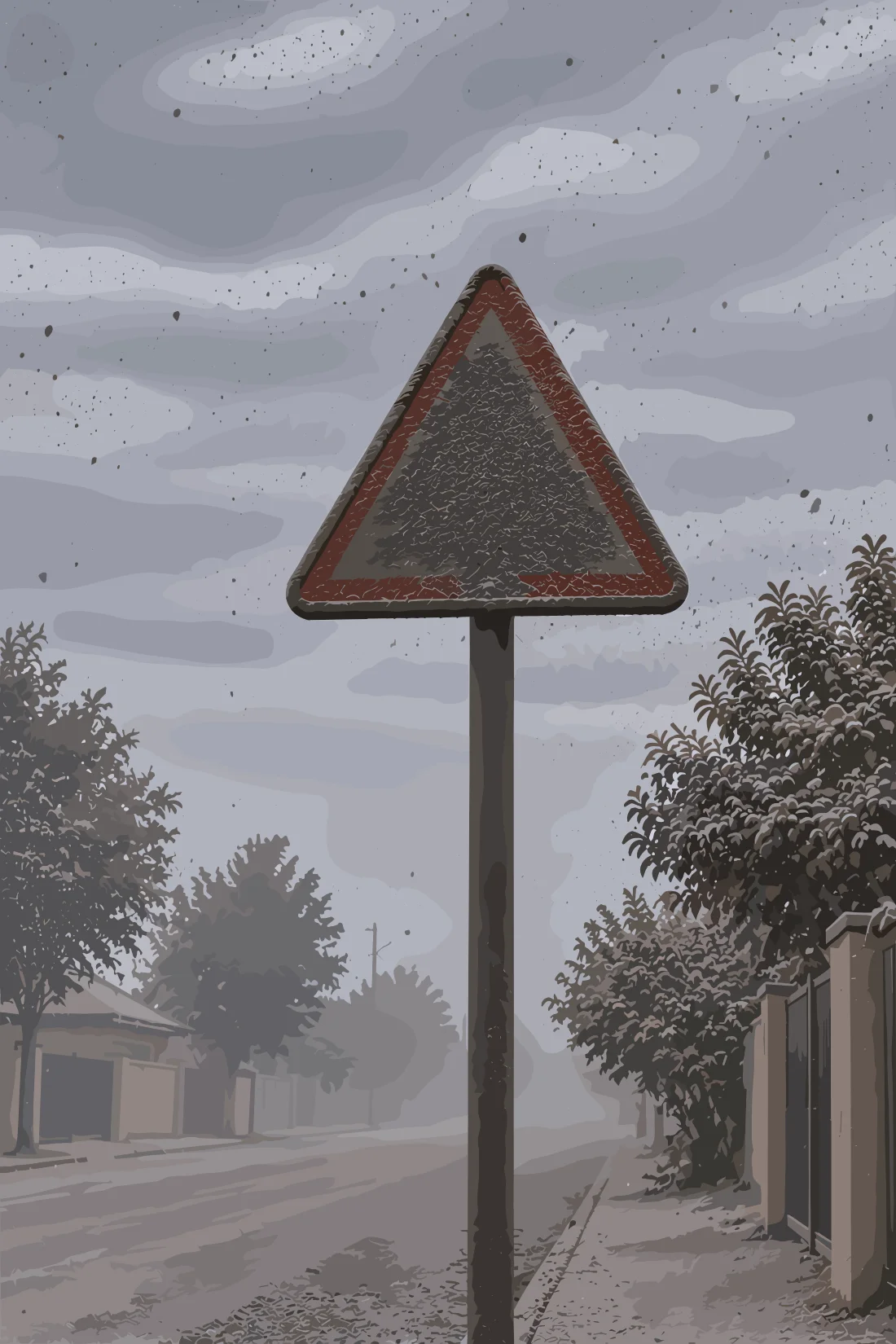
hide signage and obstacles,
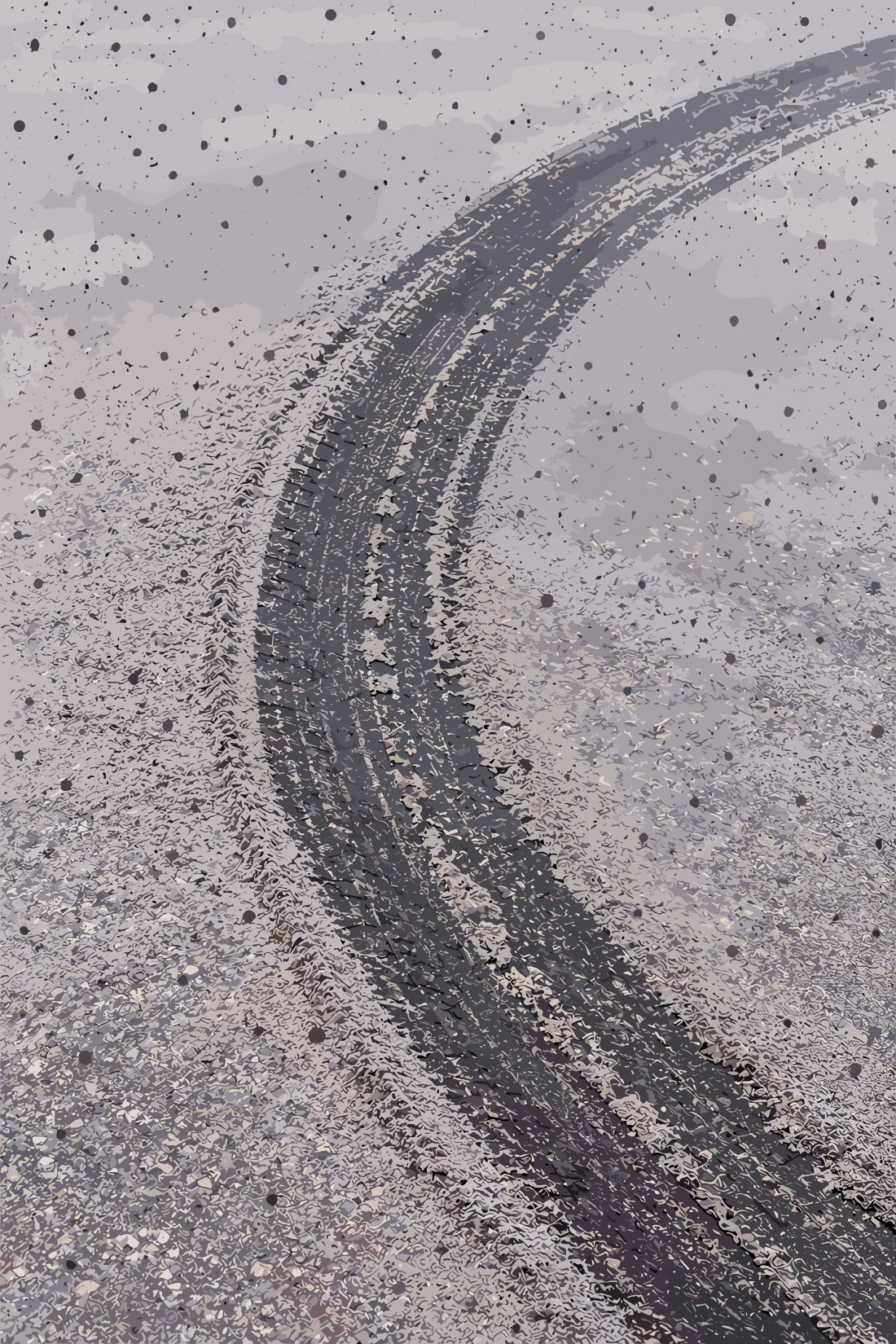
make surfaces slippery,
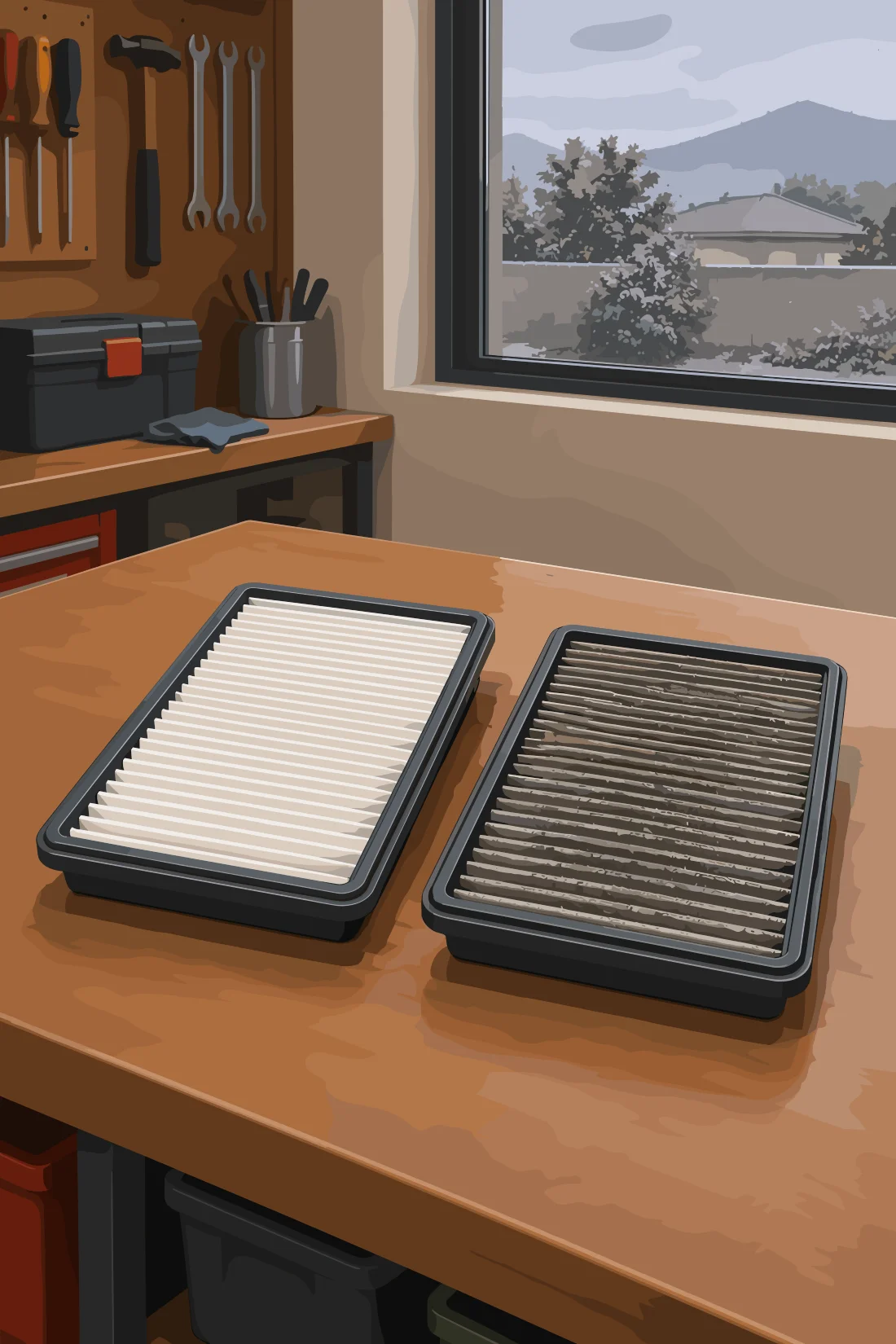
affect filters,
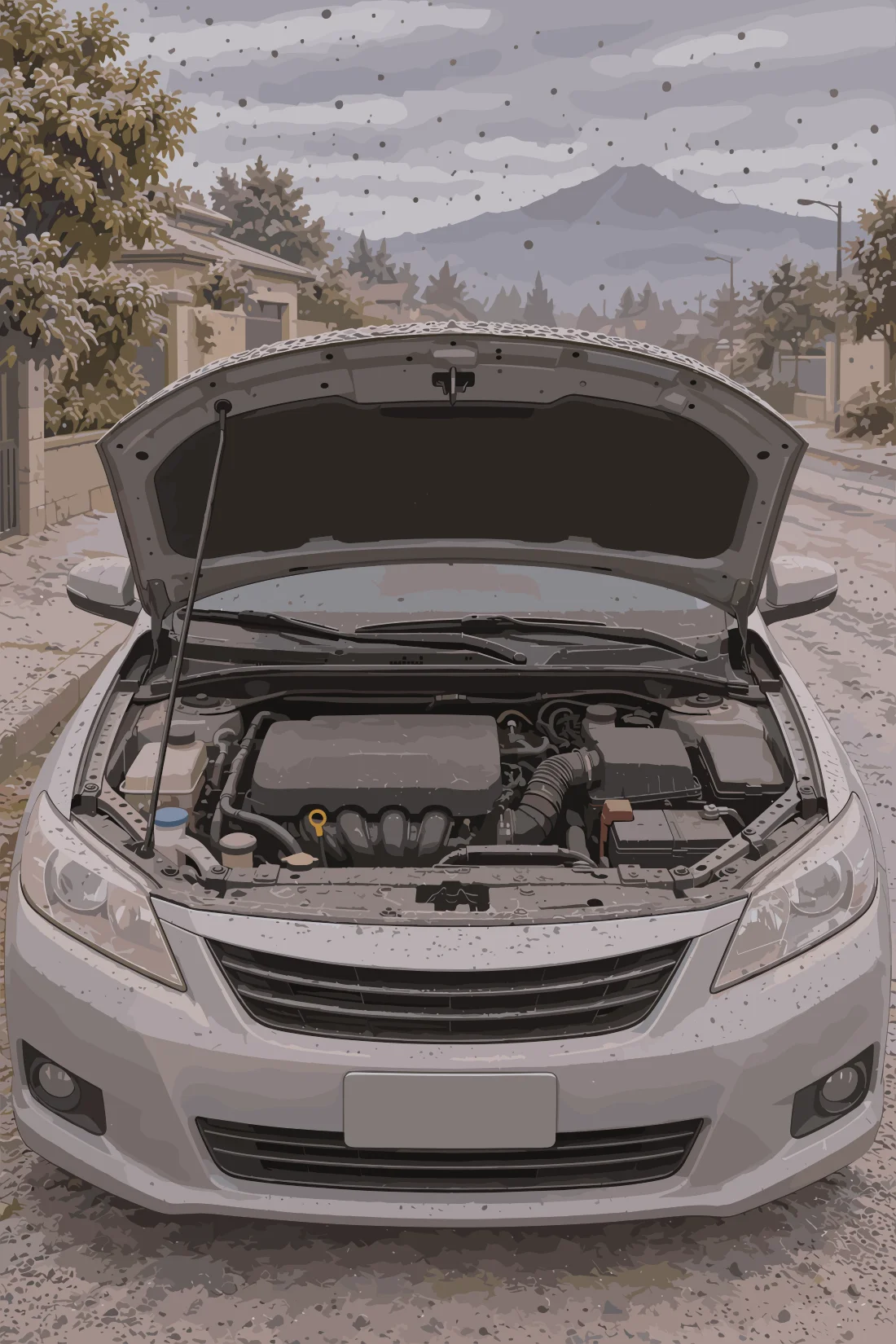
get into engines,
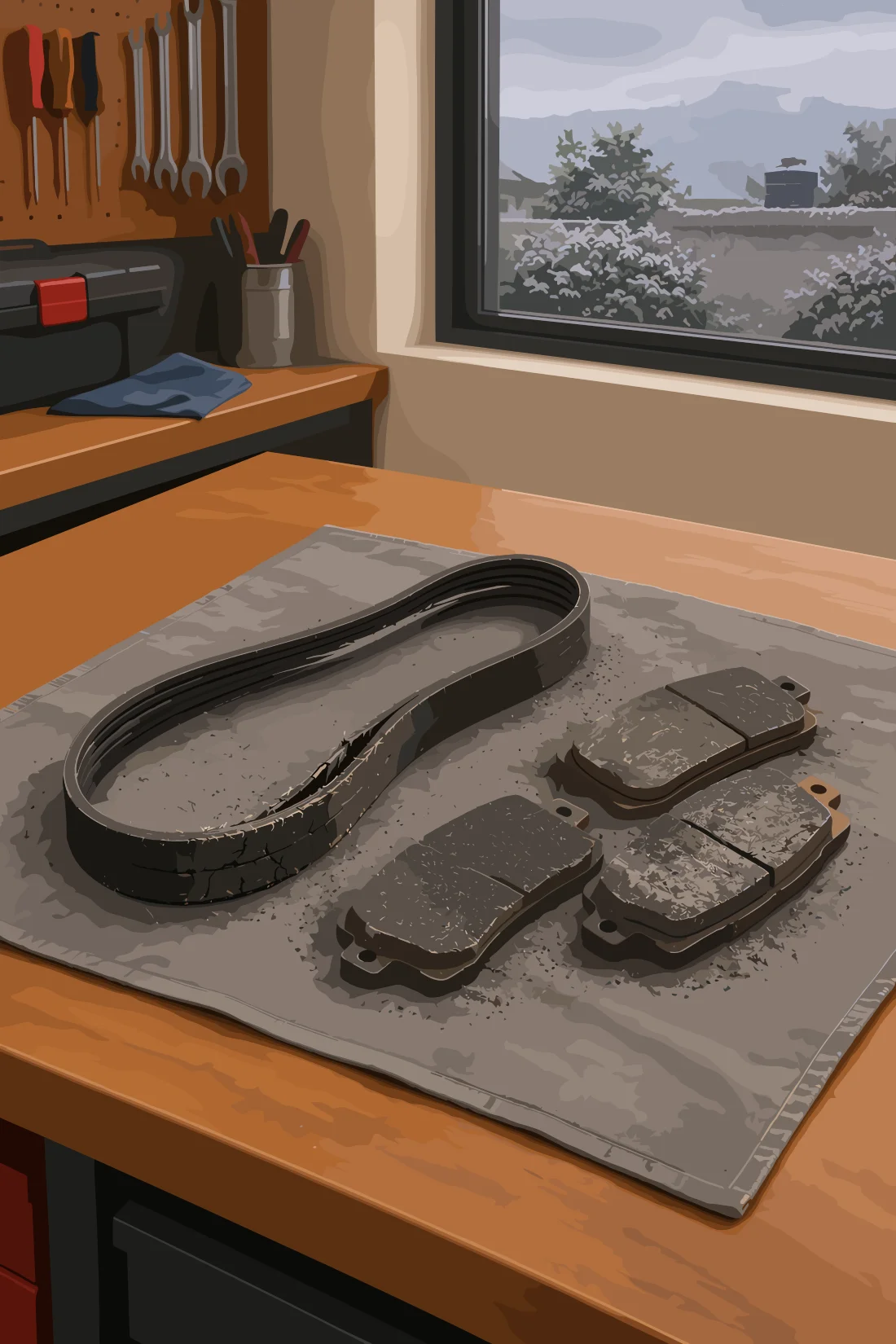
wear down components,
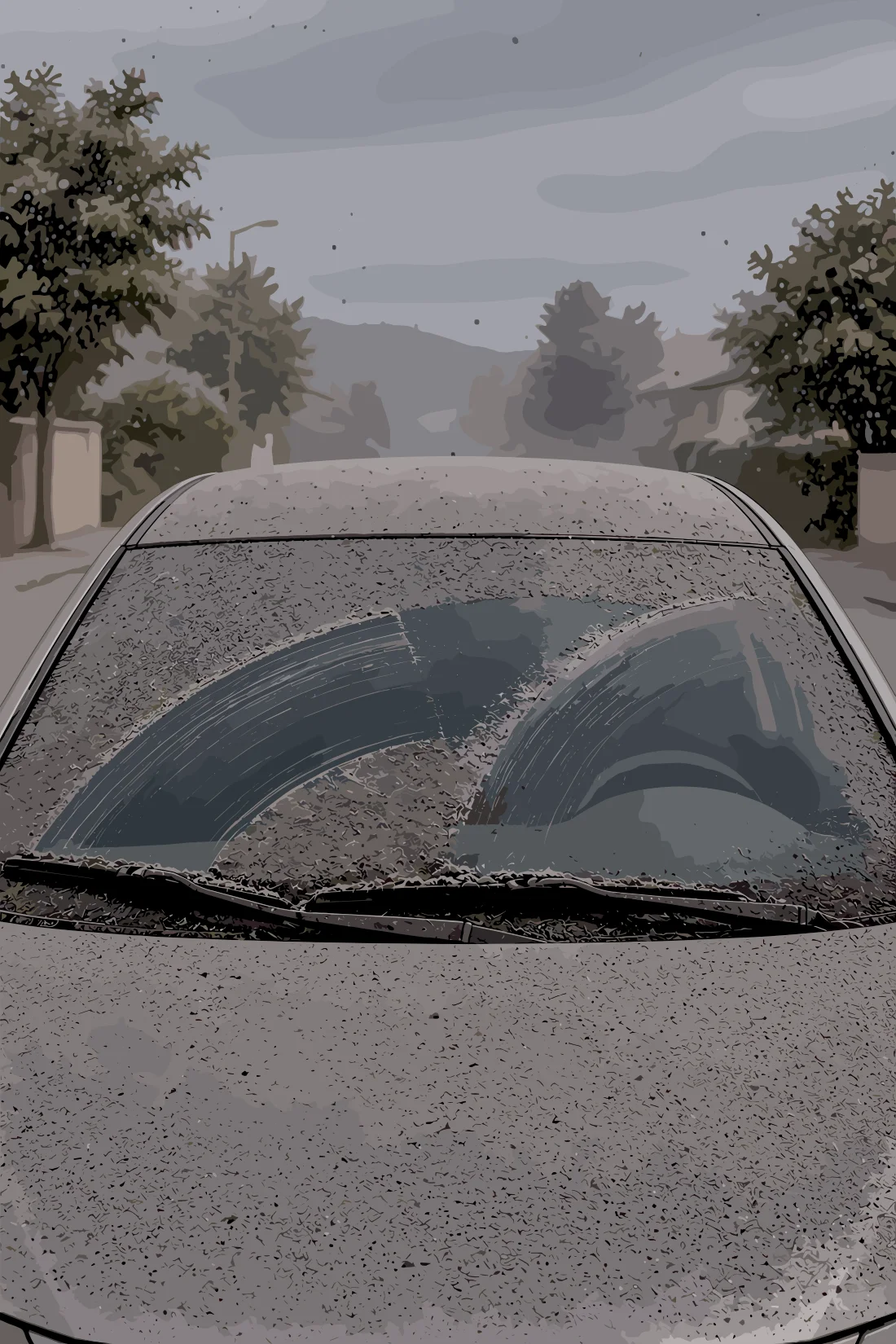
affect windshield wipers and windshields.
 2.18
If driving is unavoidable
If a vehicle must be used because of an evacuation or emergency:
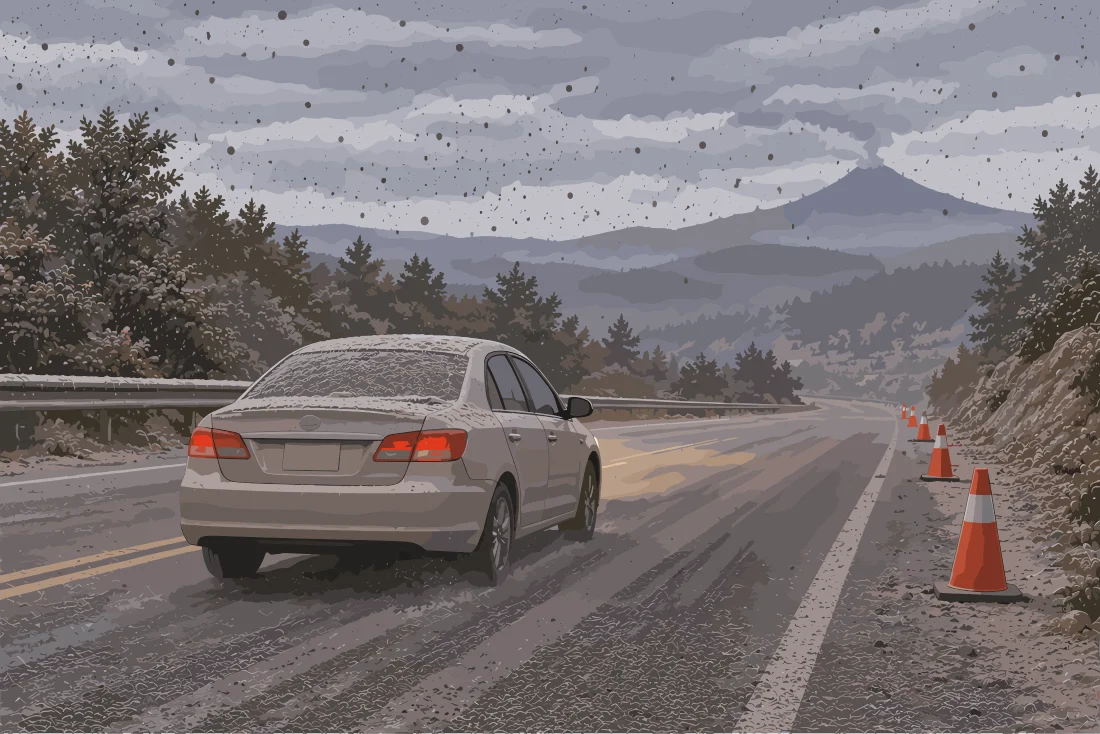
Follow the official routes,
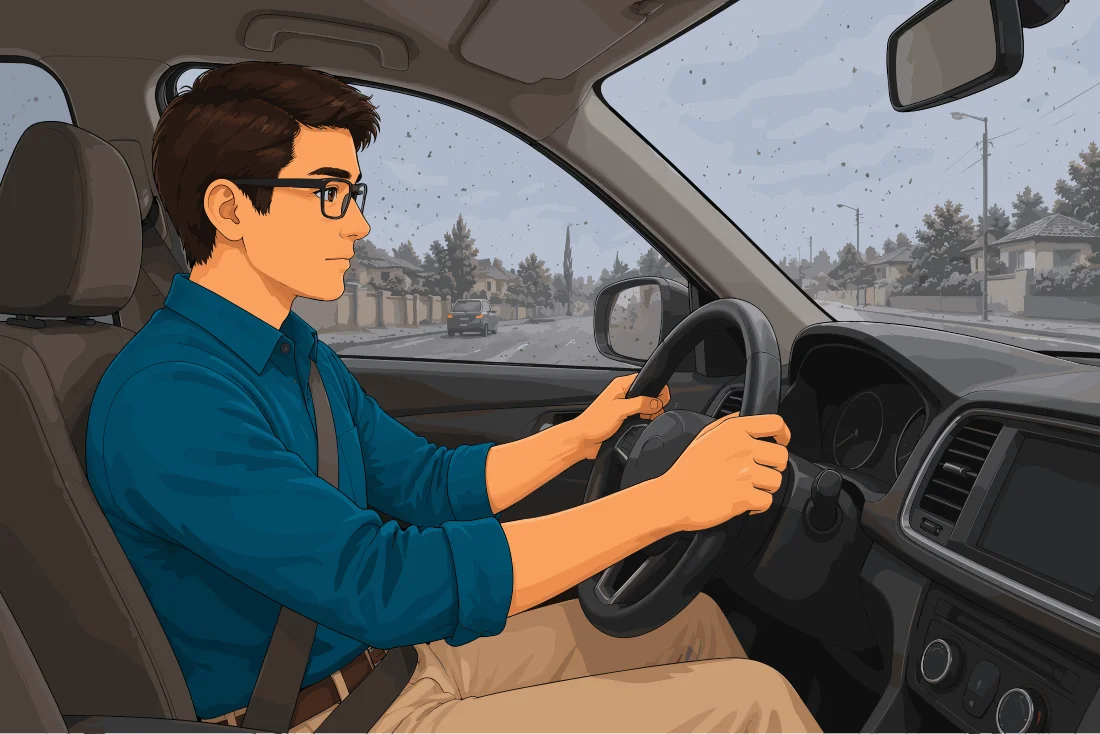
drive slowly,
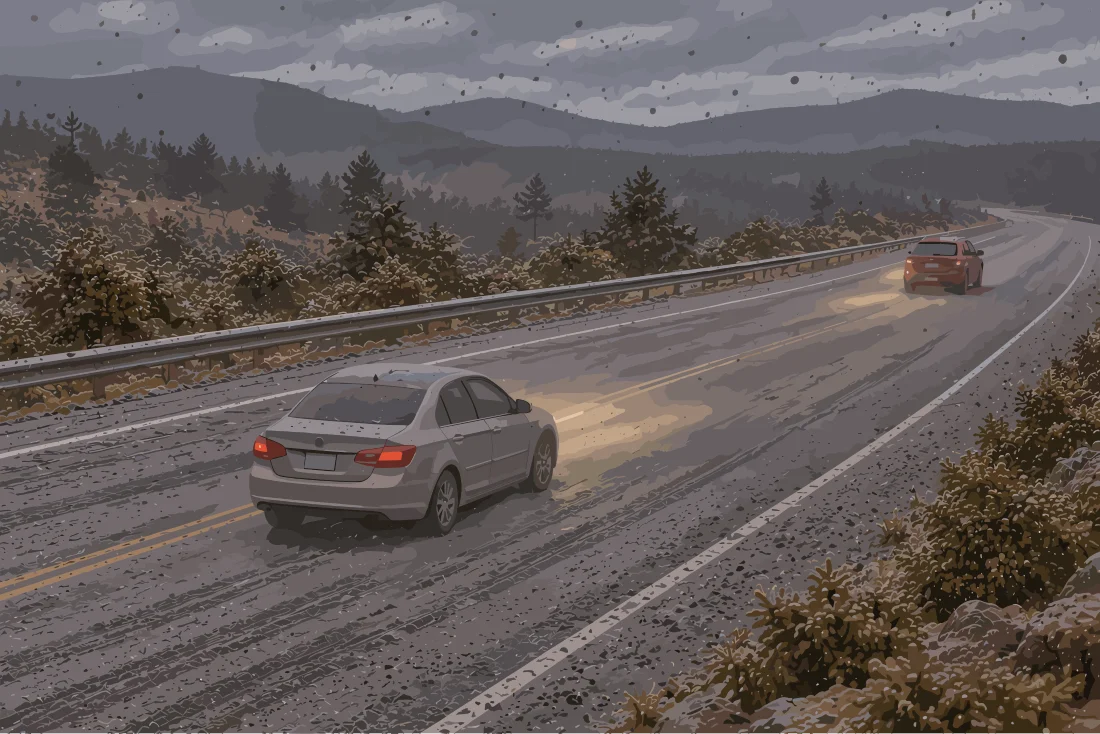
keep a considerable distance from other vehicles,
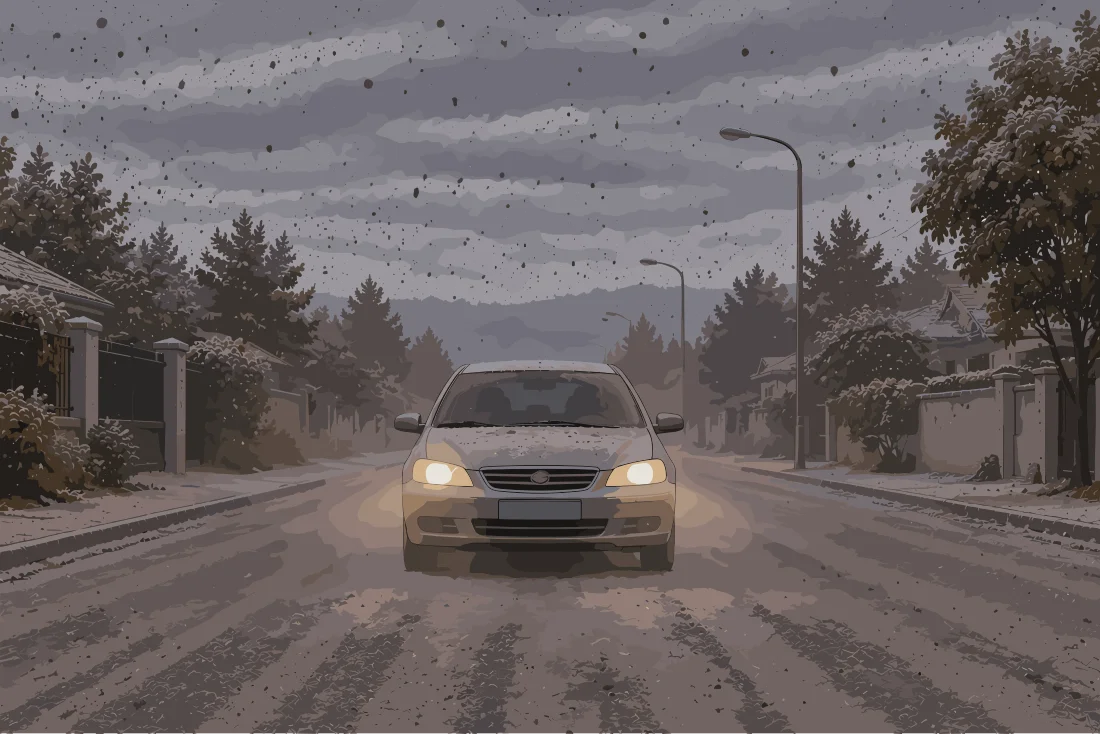
use lights according to visibility conditions and traffic rules,
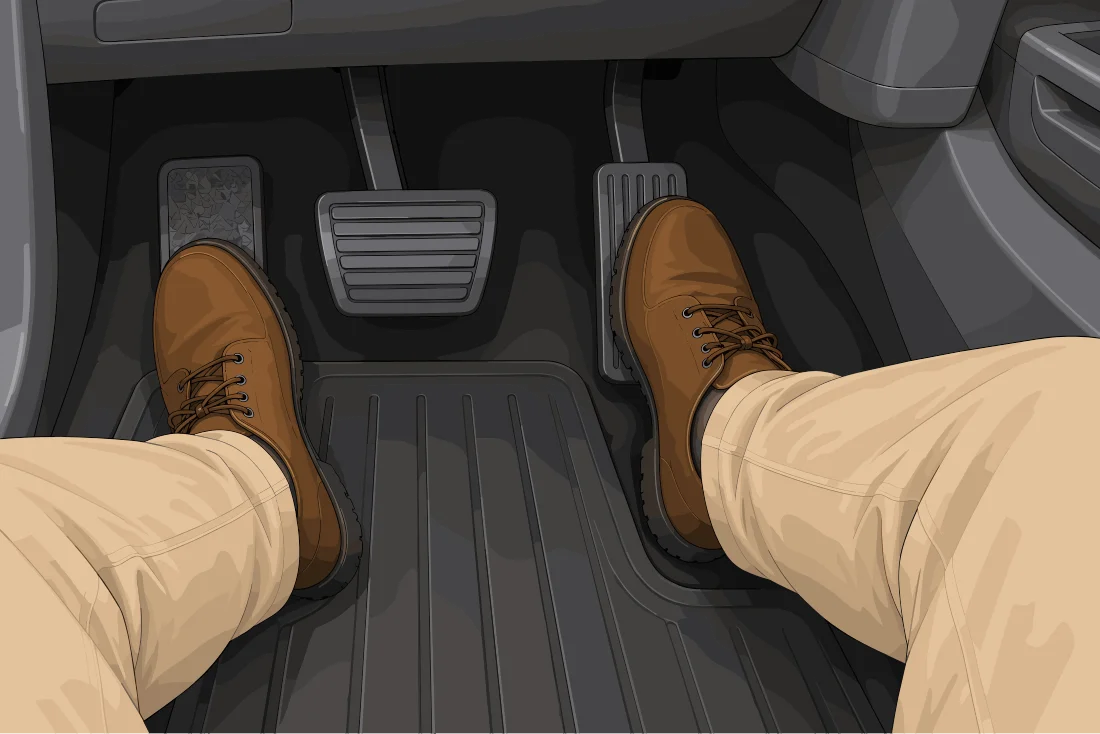
avoid sudden accelerating and braking,
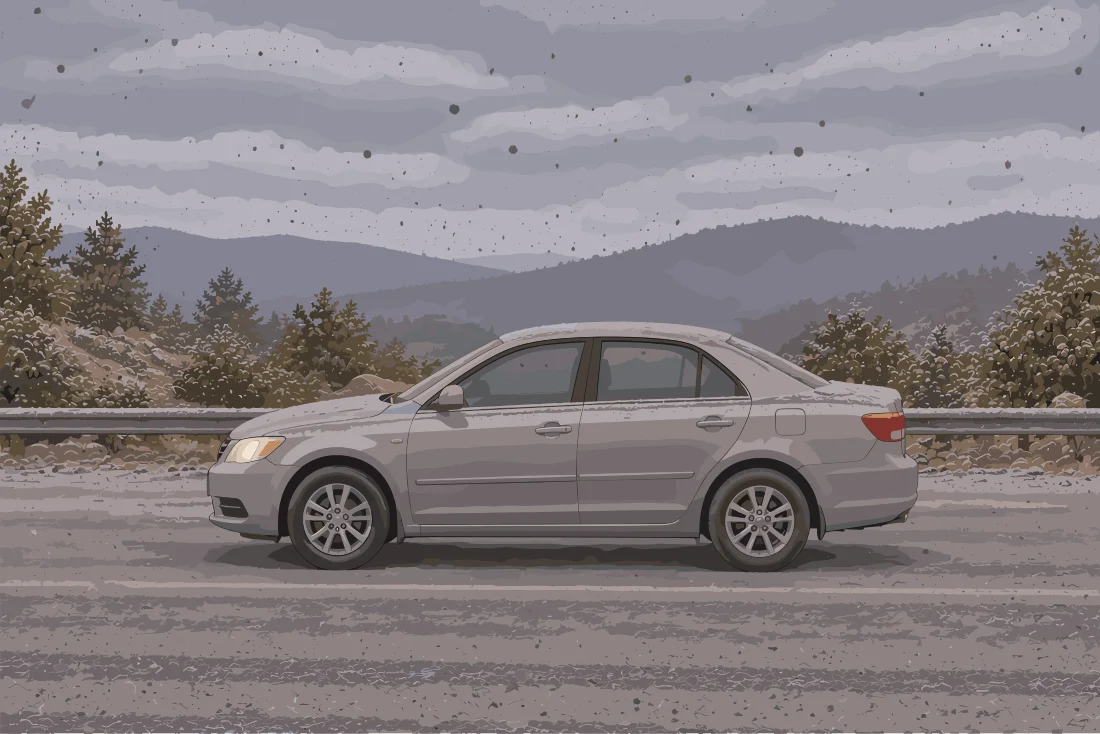
keep the windows closed,
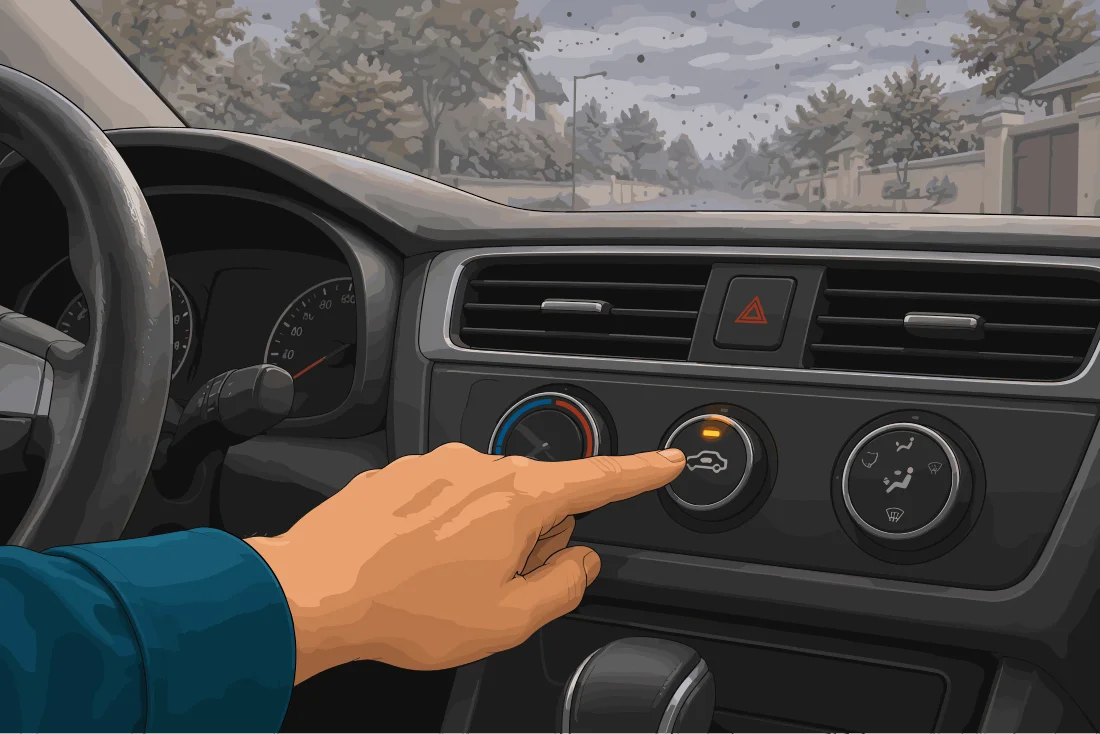
use the air conditioning system in a way that reduces the entry of contaminated air, when the vehicle allows it,
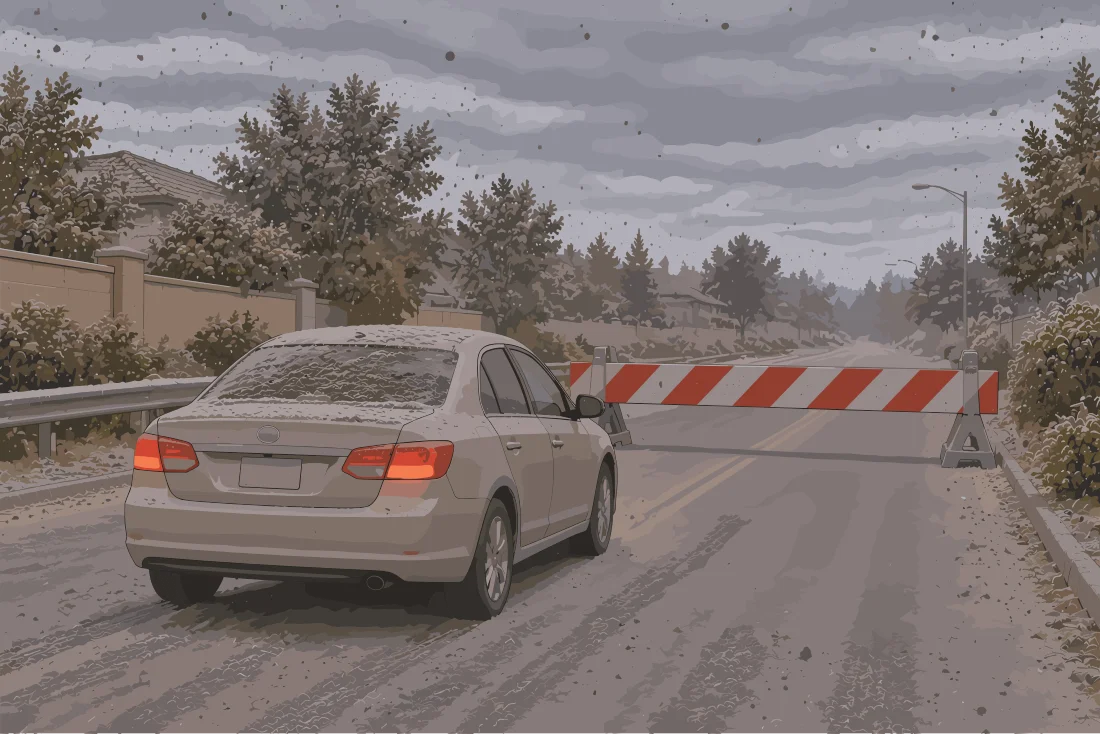
avoid officially closed areas,
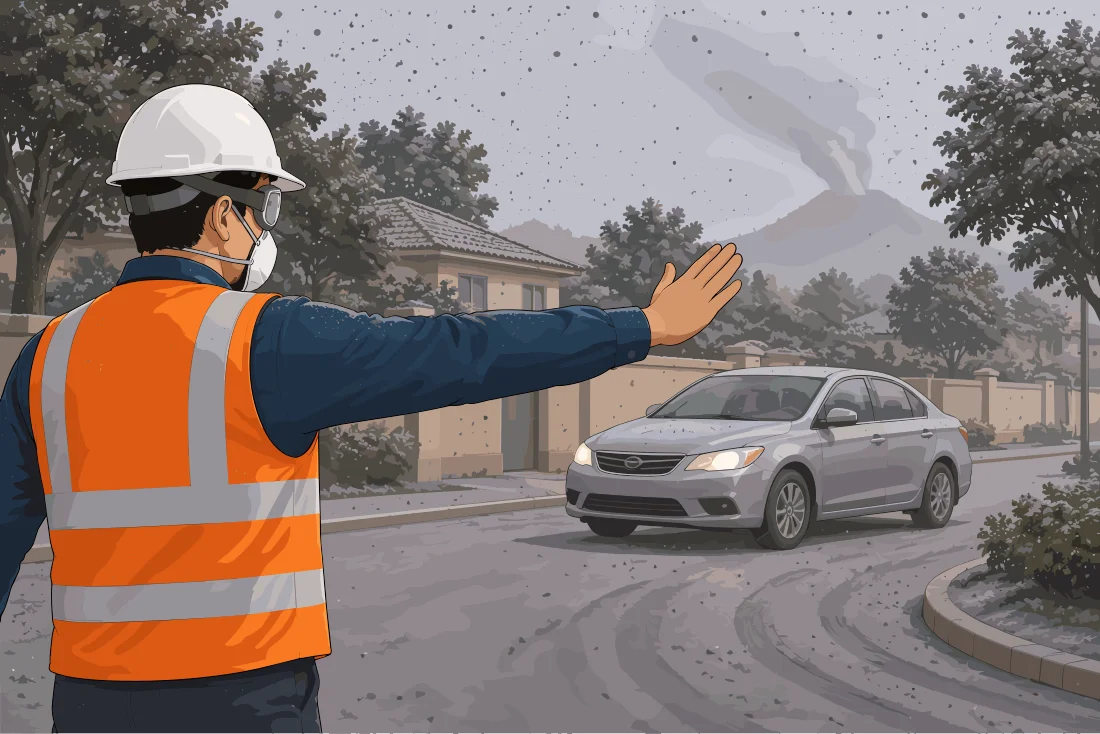
be prepared to abandon a route if instructed by authorities.
 2.19
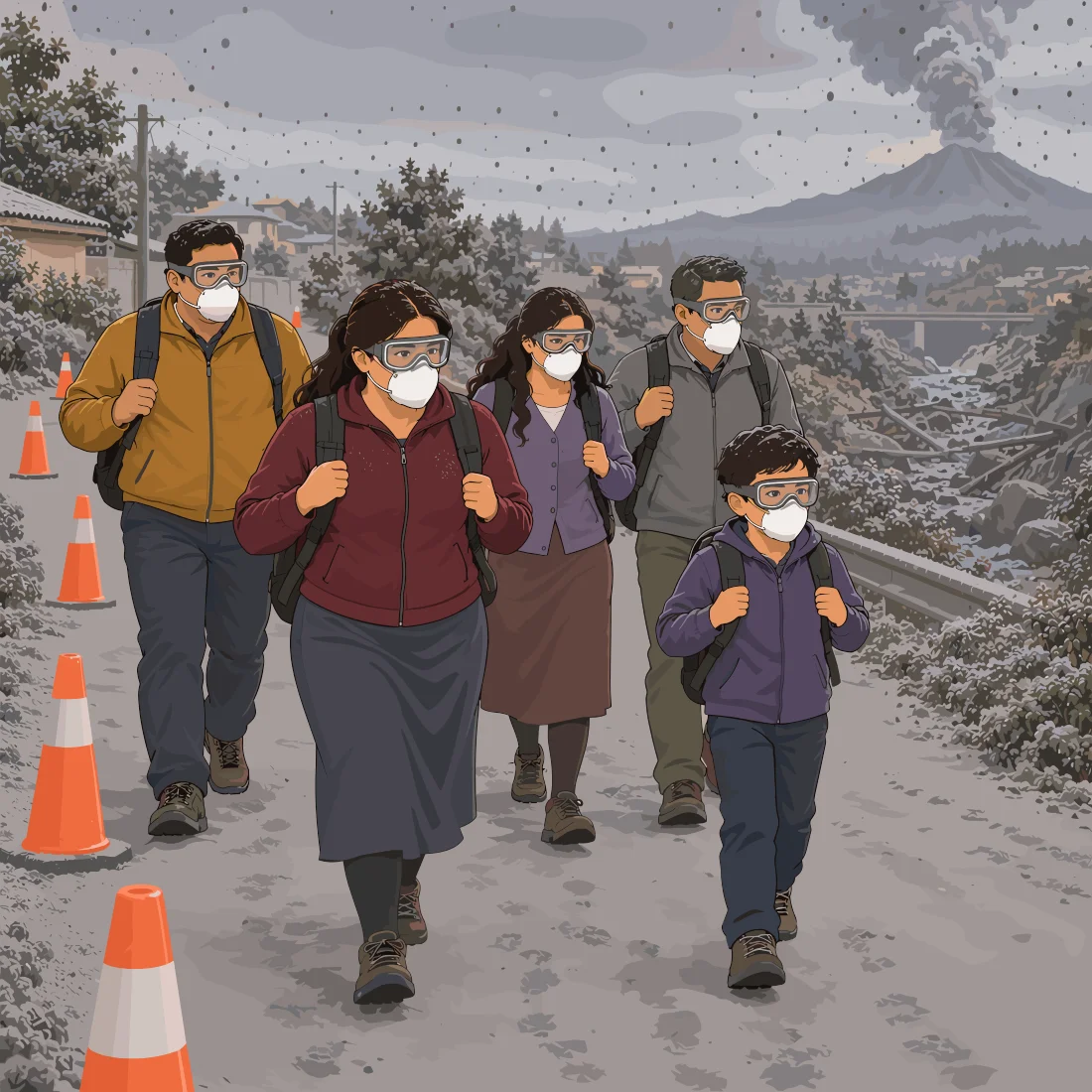
Lahars (volcanic mudflow)
Lahars can be one of the most dangerous hazards of a volcanic crisis. They can occur during an eruption and can also be associated with rain, snowmelt, or other conditions capable of mobilizing volcanic material.
If there is a lahar warning:
- Act immediately;
- follow official routes;
- leave the areas identified as threatened;
- move away from channels, rivers, creeks, ravines, and affected valleys;
- head for the safe zones established by the authorities;
- do not cross bridges or channels if there is a flow warning;
- do not stop to watch the phenomenon.
 2.20
Pyroclastic flows
- Pyroclastic flows are an extreme hazard.
- They are mixtures of extremely hot gases, ash, and volcanic fragments that can move rapidly.
- The fundamental protective measure is not to be inside the threatened areas when these phenomena occur.
- If the authorities order the evacuation of an exposed area, it must be carried out immediately.
 2.21
Volcanic projectiles
Near certain volcanoes, blocks and fragments ejected during explosions can fall.
If a person is unexpectedly exposed to falling fragments and cannot evacuate immediately, they should seek available protection from impact while following emergency instructions.
 2.22
Lava flows
If there is a lava flow:
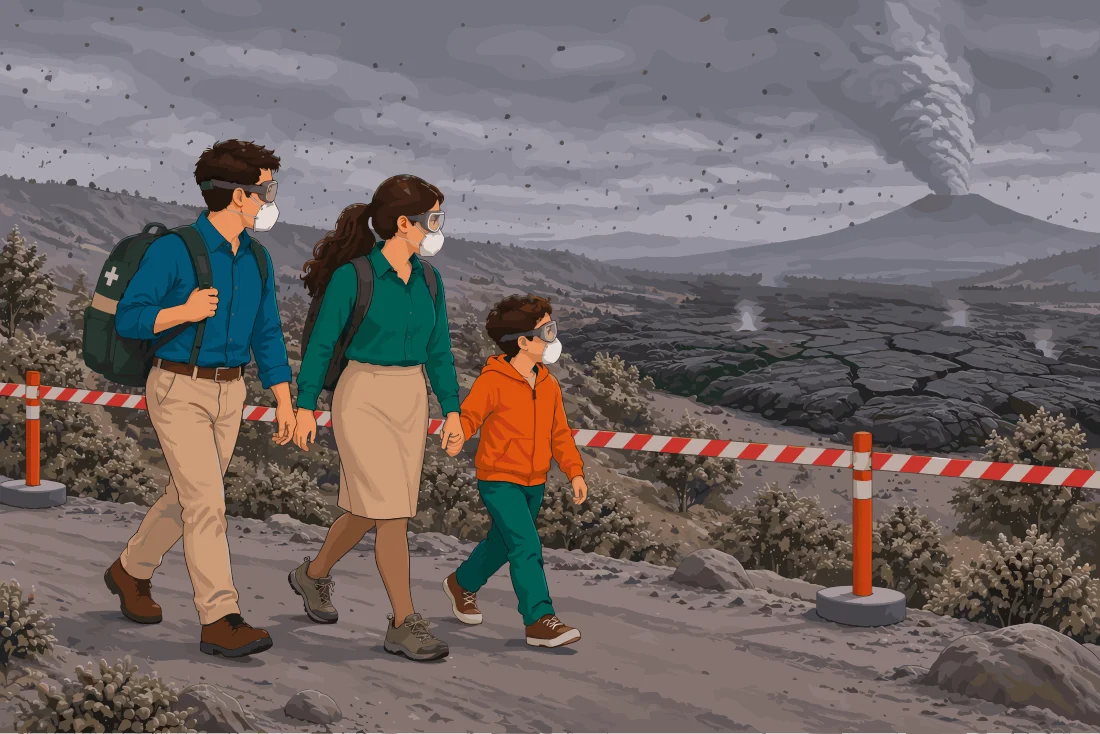
Stay away,
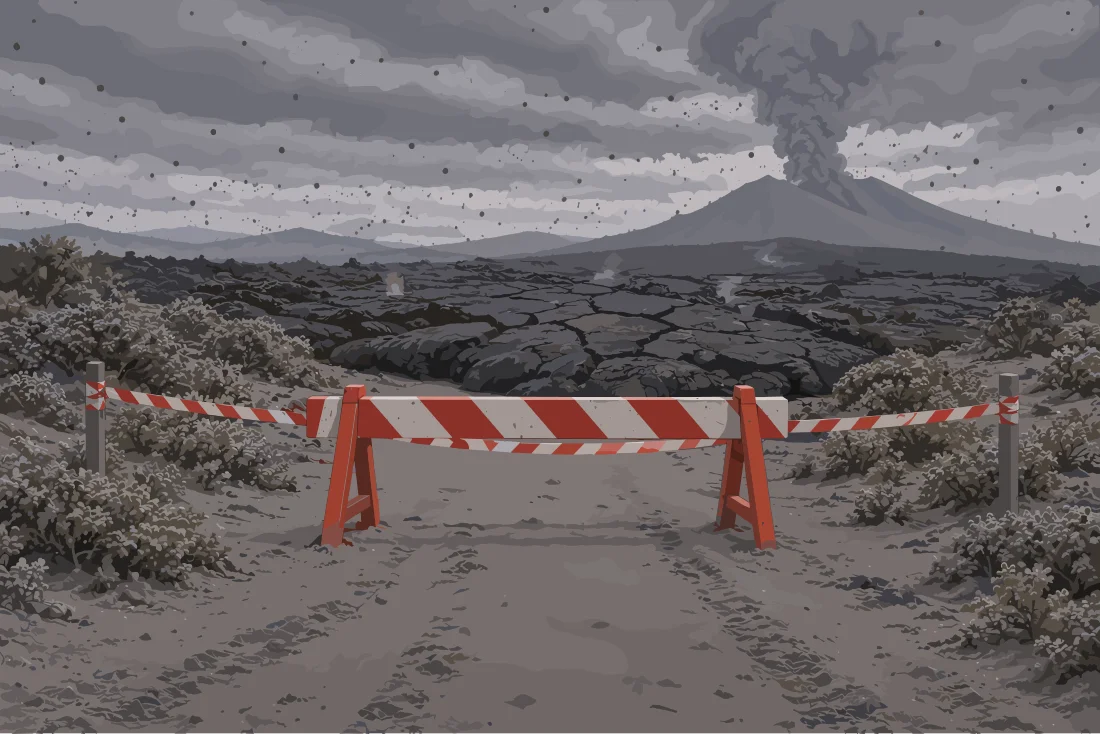
respect the exclusion zones,
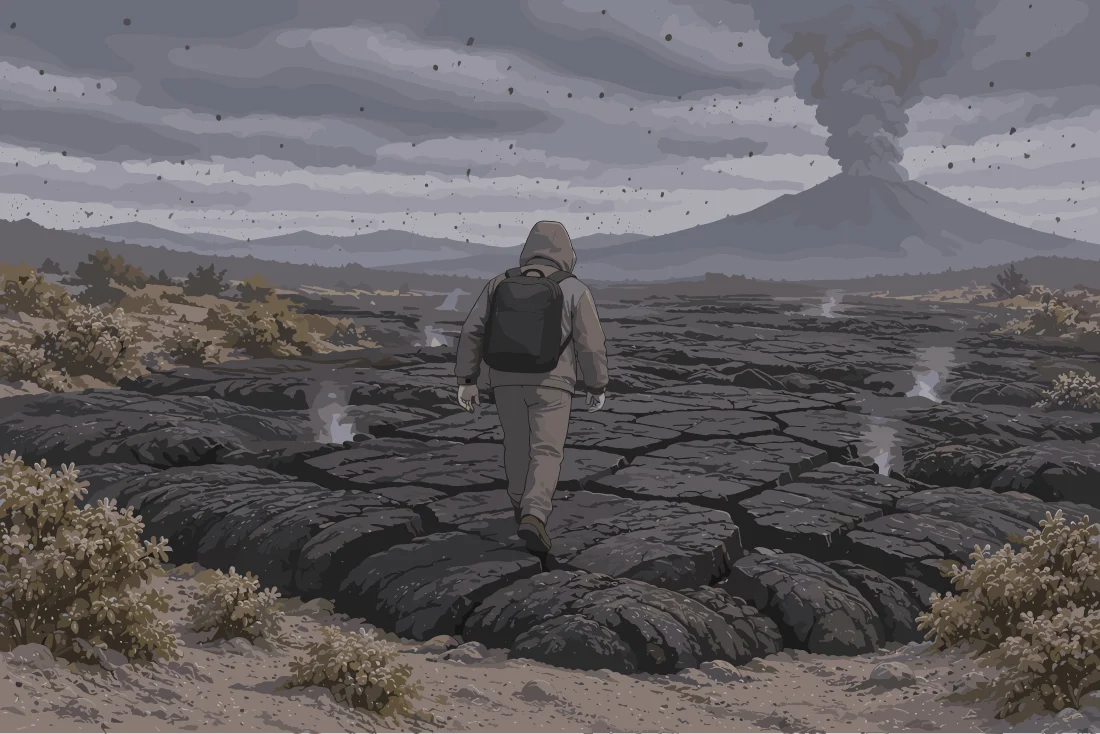
do not walk on lava that appears to have solidified,
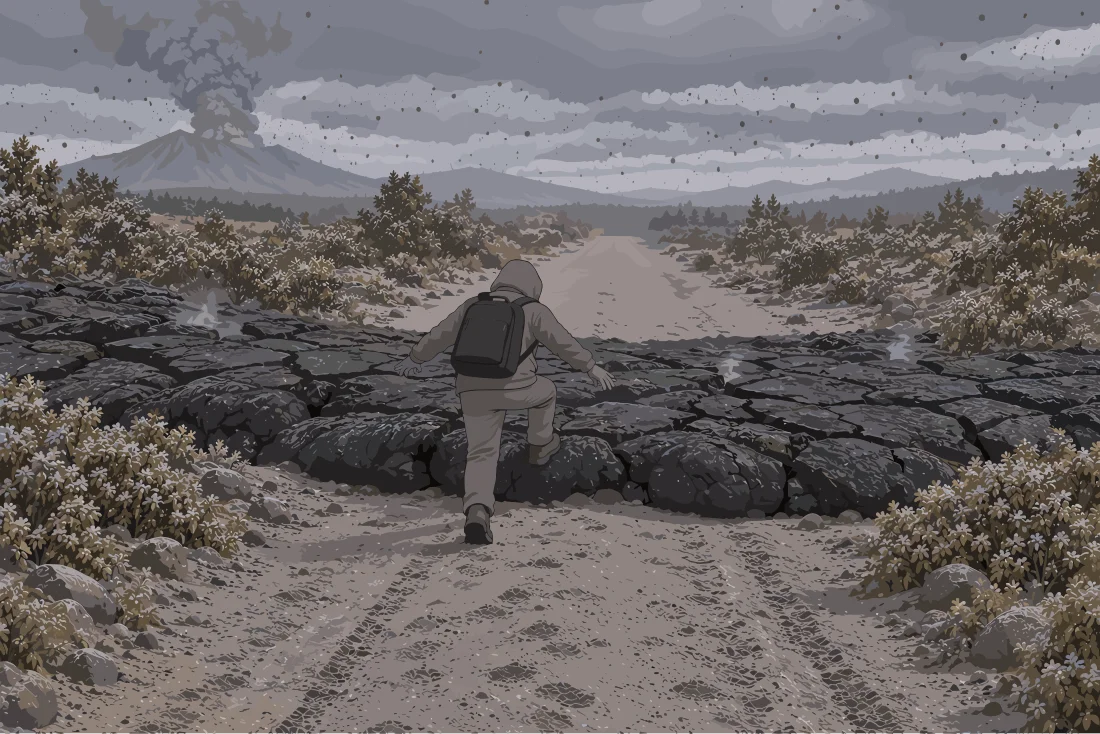
do not try to cross a flow,
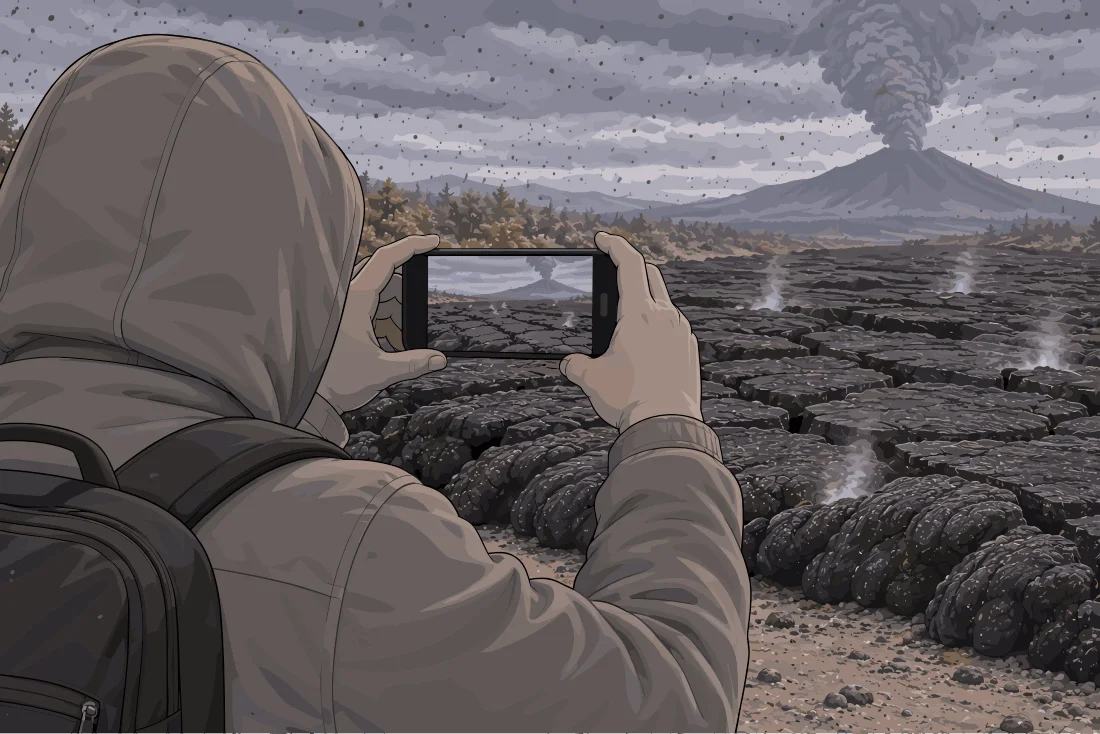
do not go closer to watch it,
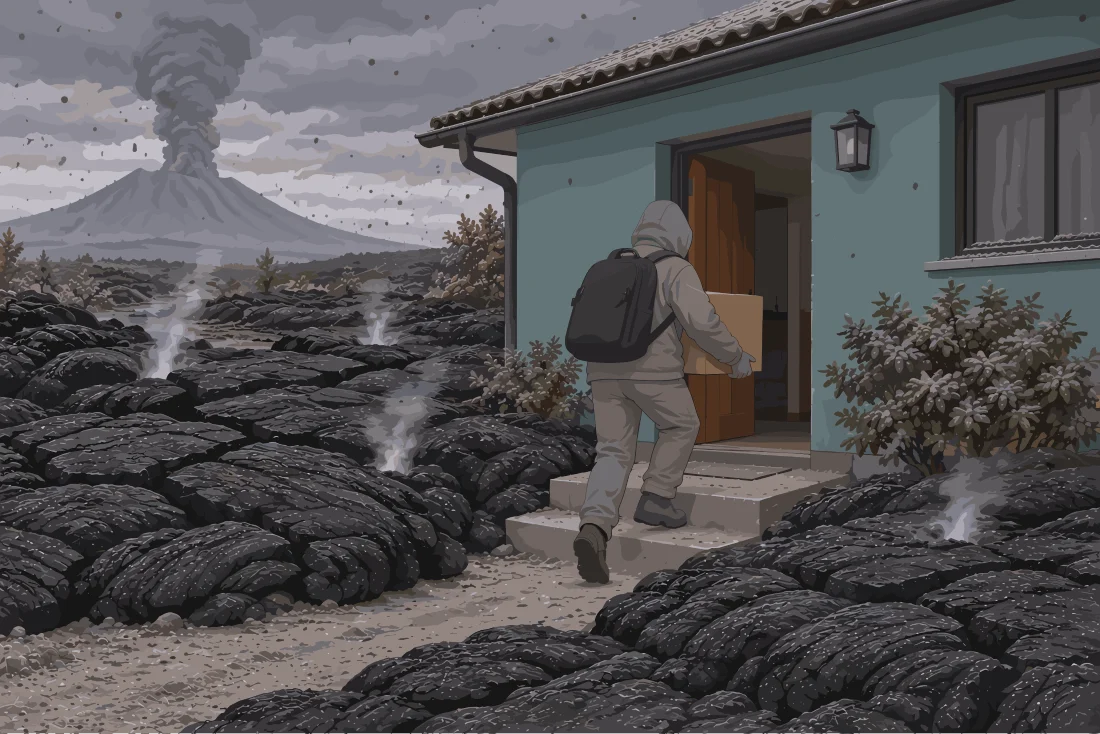
do not enter threatened buildings or areas to recover belongings.
 2.23
Volcanic gases
Volcanic gases can be dangerous even when there is no heavy ashfall.
Keep in mind that:
- Some gases are irritants,
- some can reach dangerous concentrations,
- certain gases can build up in low-lying or poorly ventilated areas,
- smell is not a reliable way to determine whether an environment is safe,
- an N95, P2, or FFP2 respirator does not protect against toxic gases.
 2.24
Do not carry out major cleanup while ashfall continues
While significant ashfall continues, the priority is not cleaning but protecting people and maintaining essential functions.
Continuous cleanup can:
- Increase exposure,
- resuspend particles,
- waste protective equipment unnecessarialy,
- force people to stay outdoors,
- create a risk of falling.
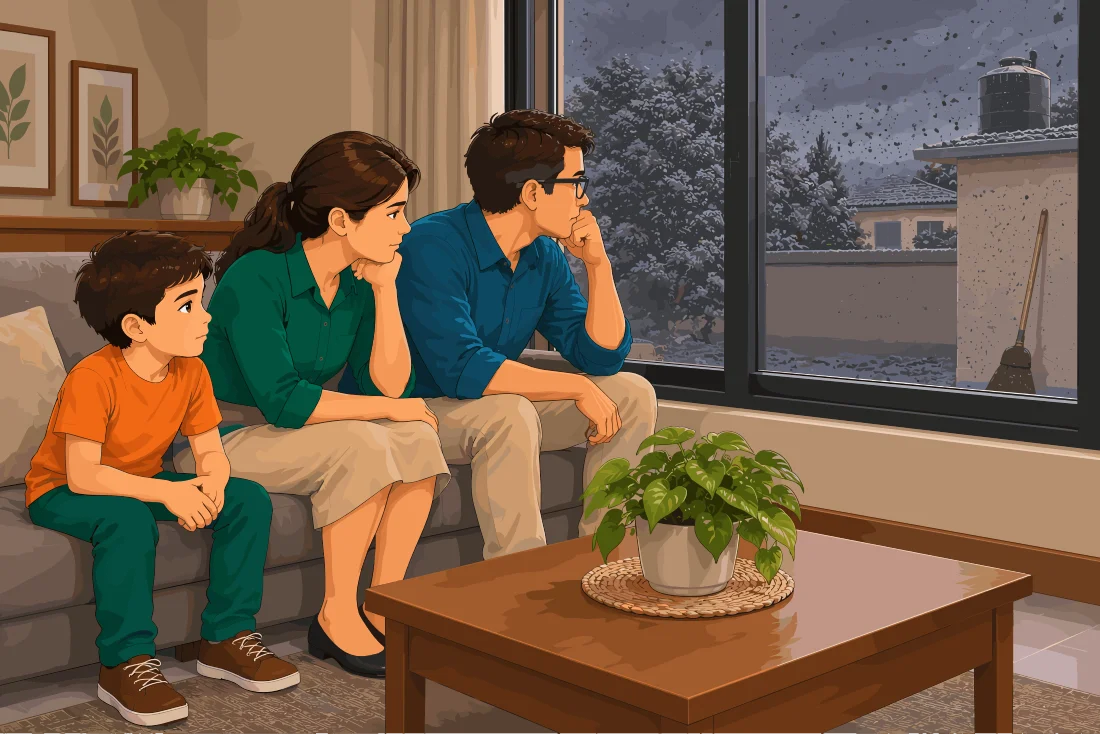
Extensive cleanup tasks should be carried out once conditions are appropriate and in accordance with the authorities’ recommendations.
 2.25
If ash accumulates on the roof
A significant accumulation of ash can increase the load on a structure.
However, people must not automatically be sent onto the roof during an eruption to remove ash.
Climbing onto a roof can carry risks of:
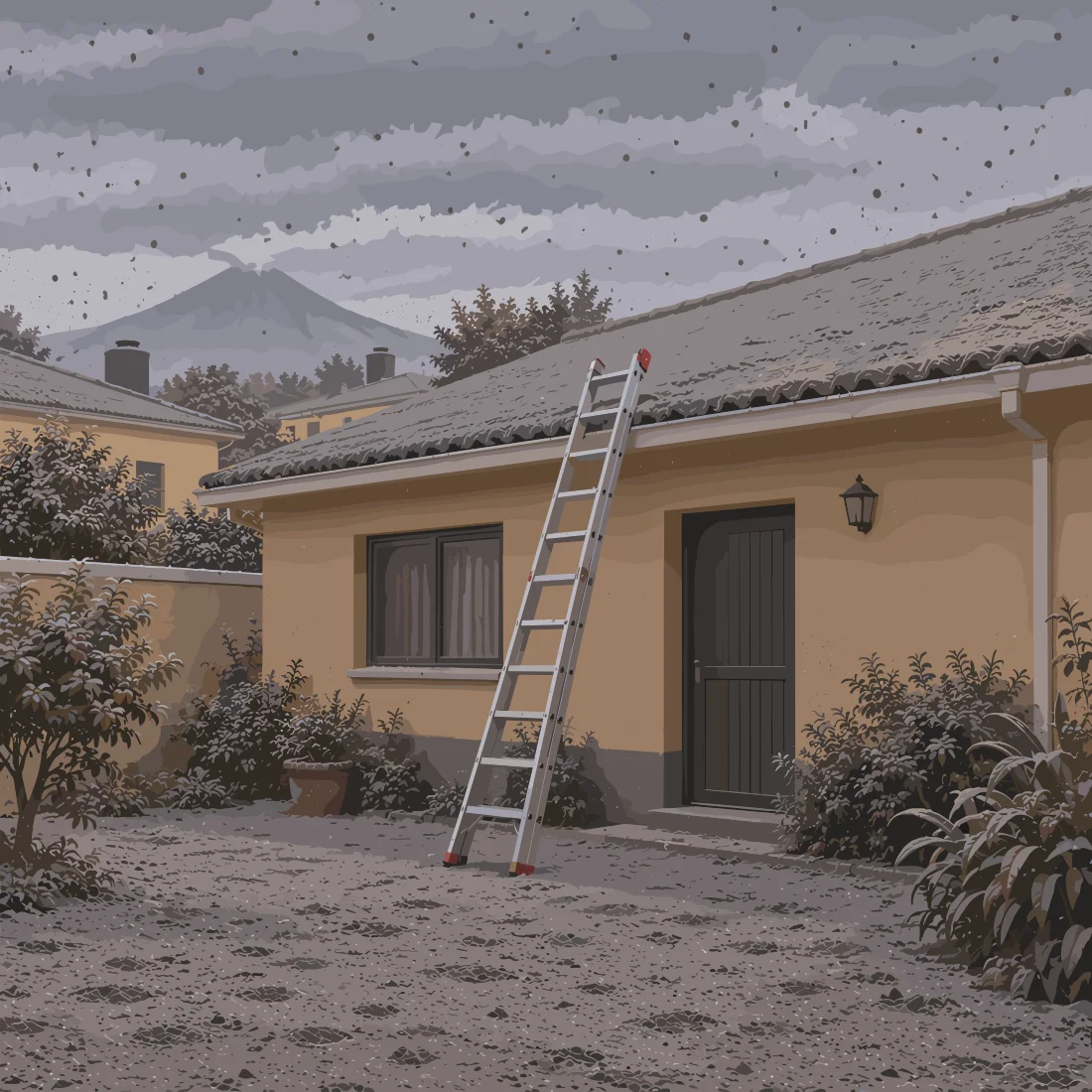
Falling,
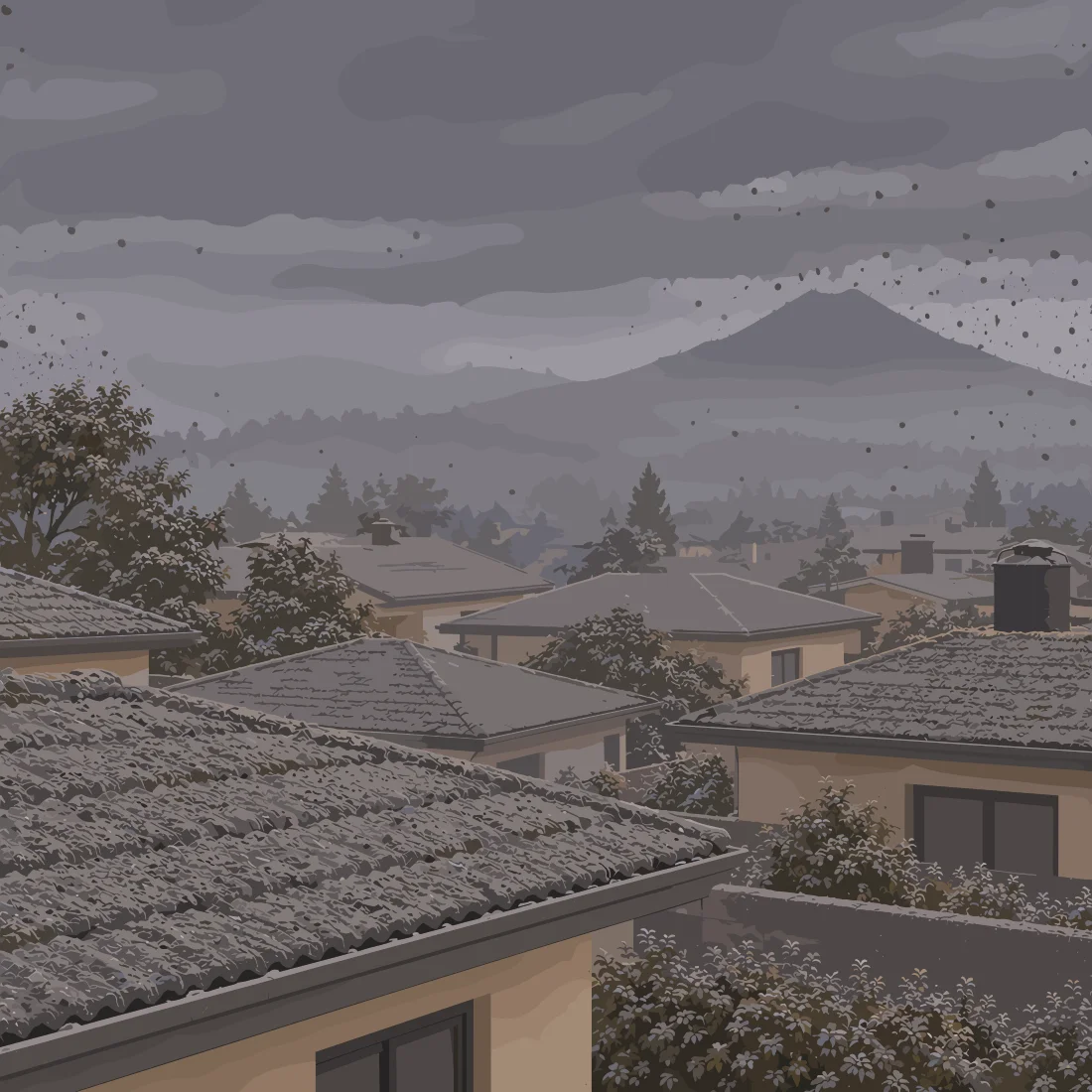
low visibility,
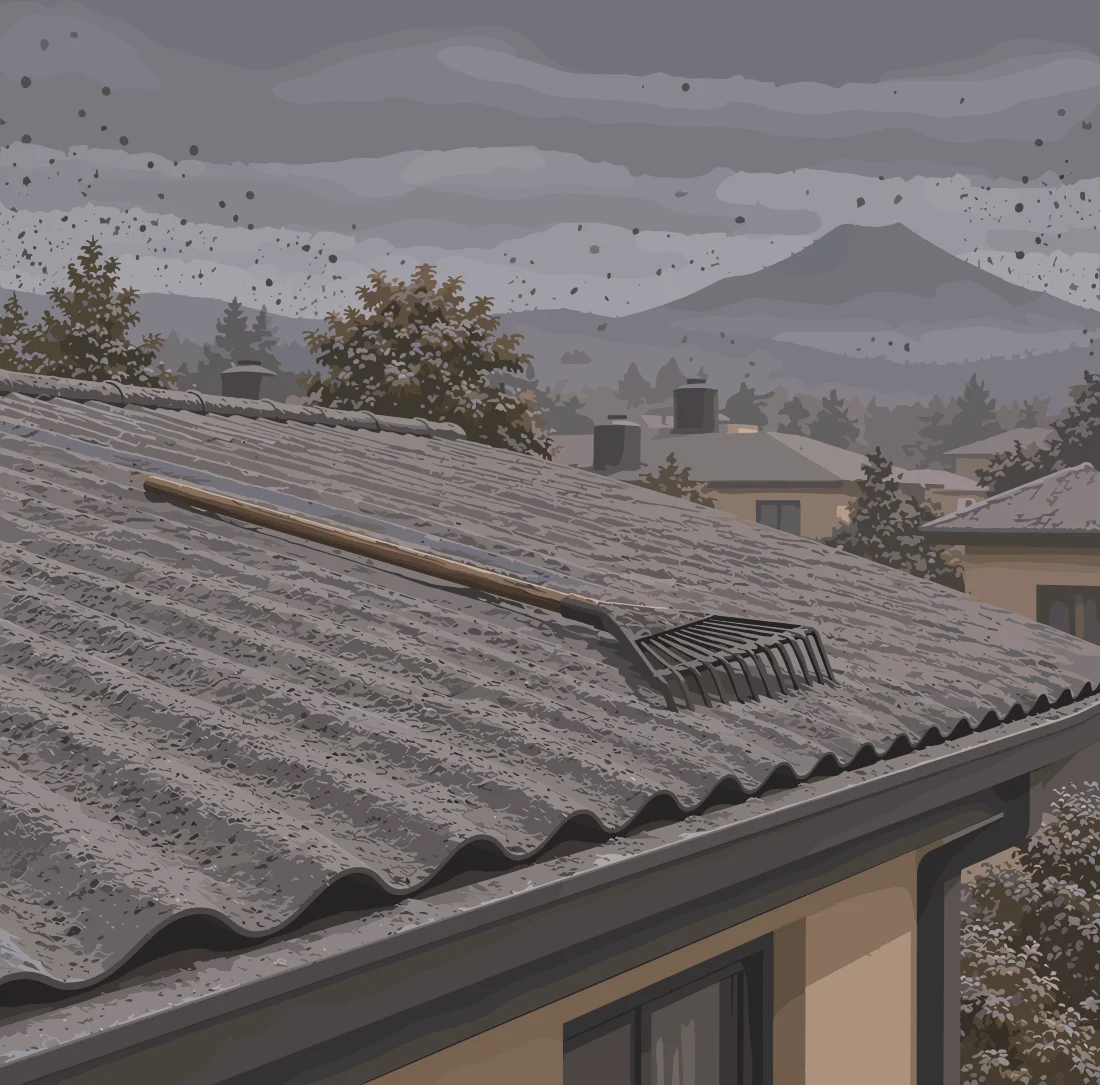
slippery surfaces,
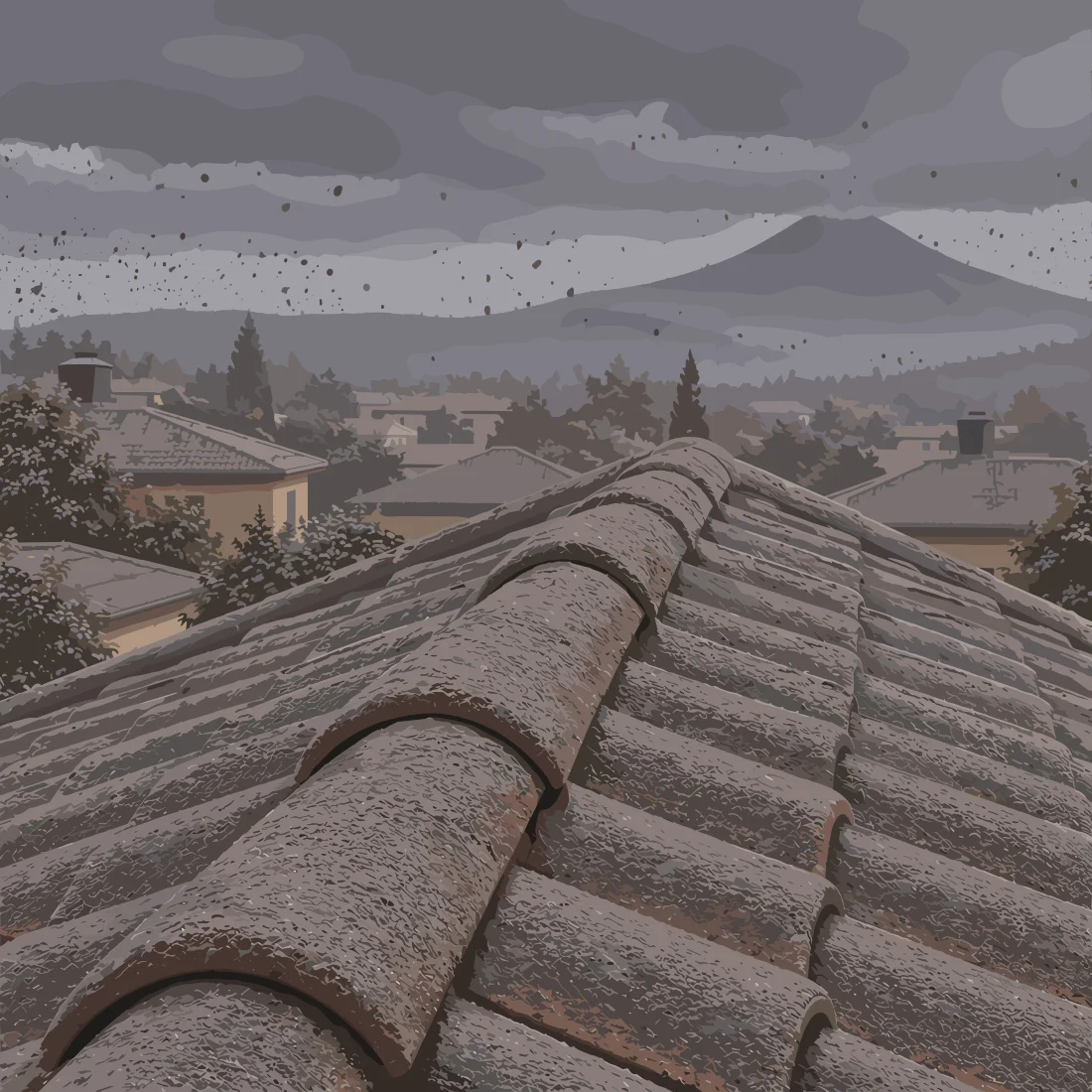
respiratory exposure,
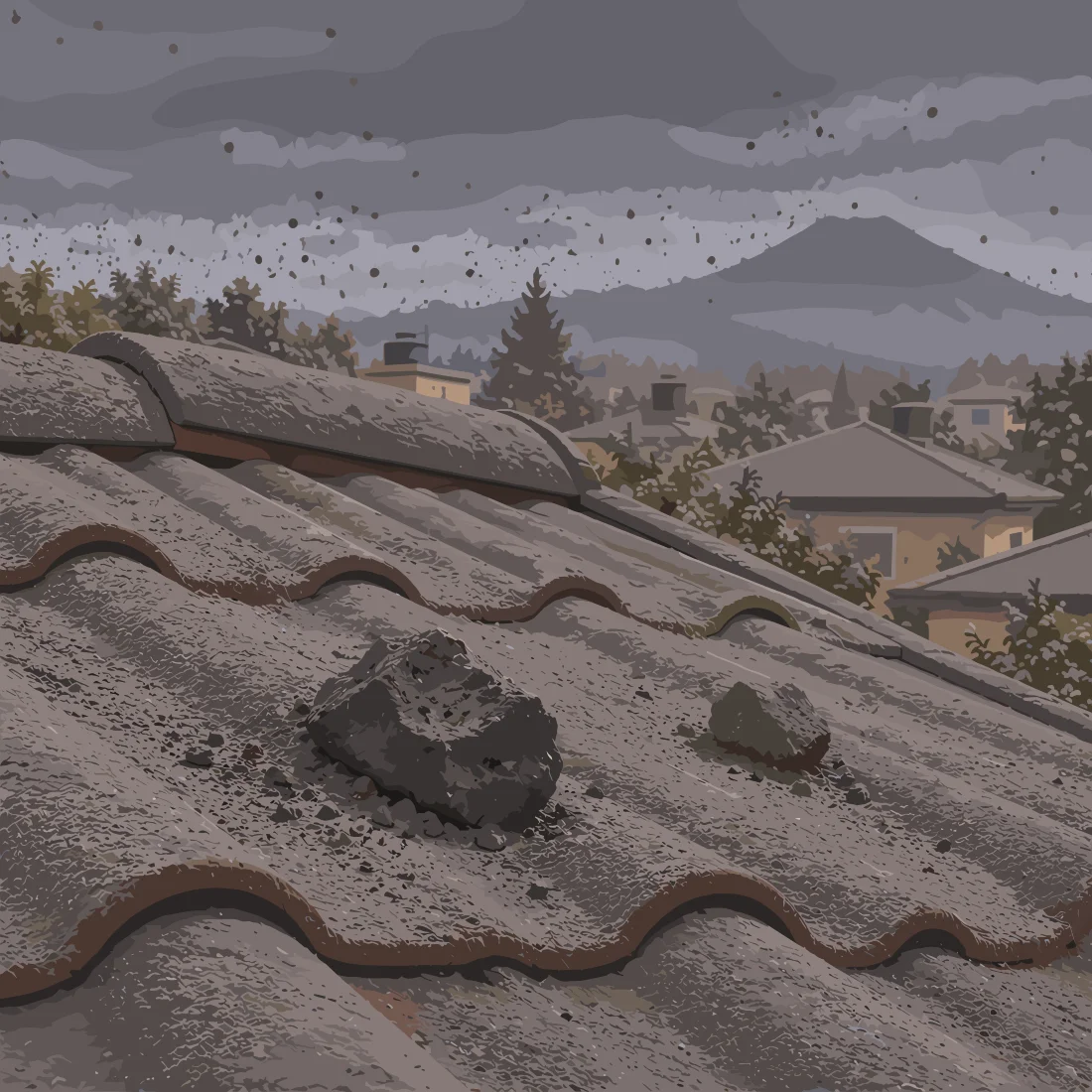
falling volcanic material,
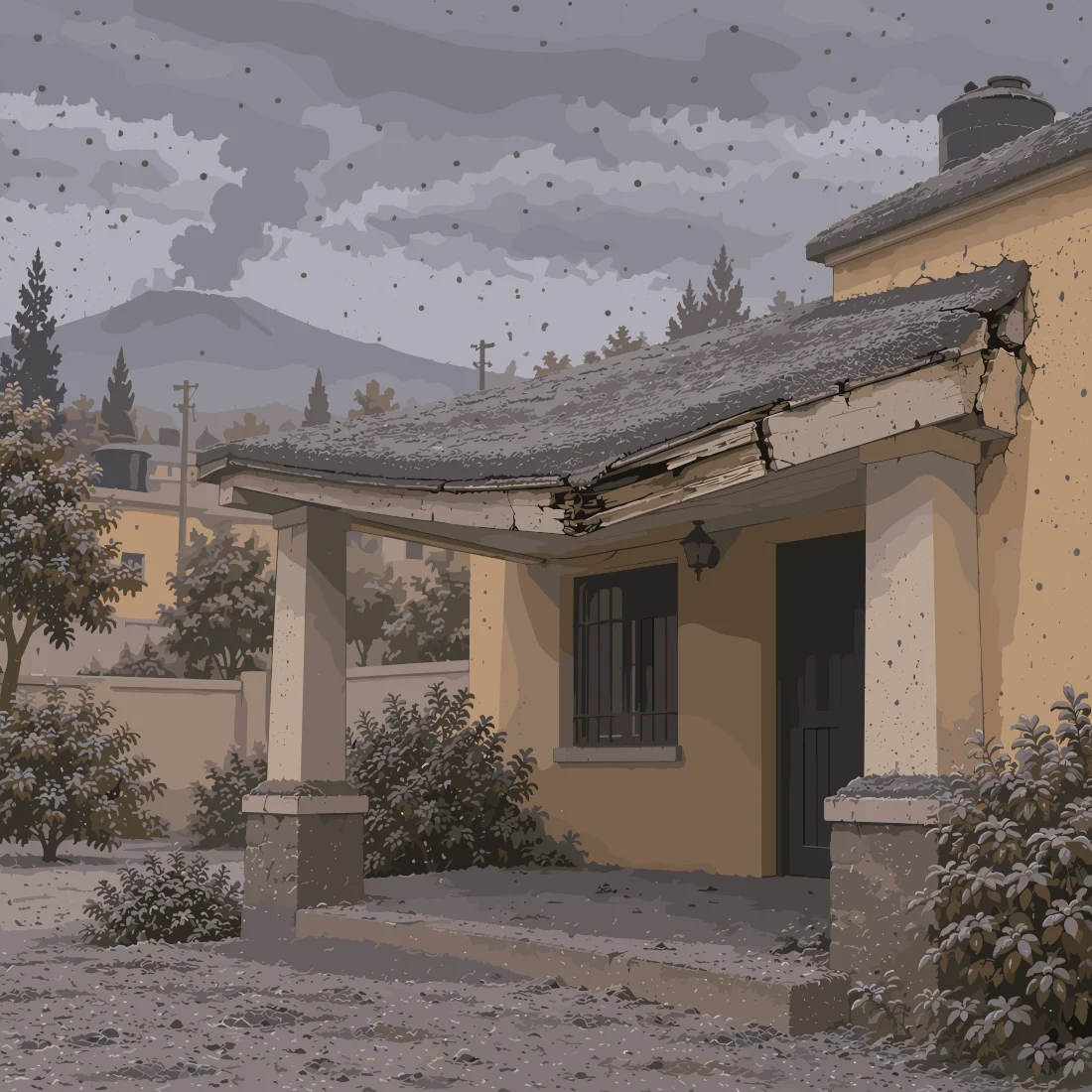
structural collapse.
 2.26
Pets
During an emergency, pets must be kept under control.
When applicable:
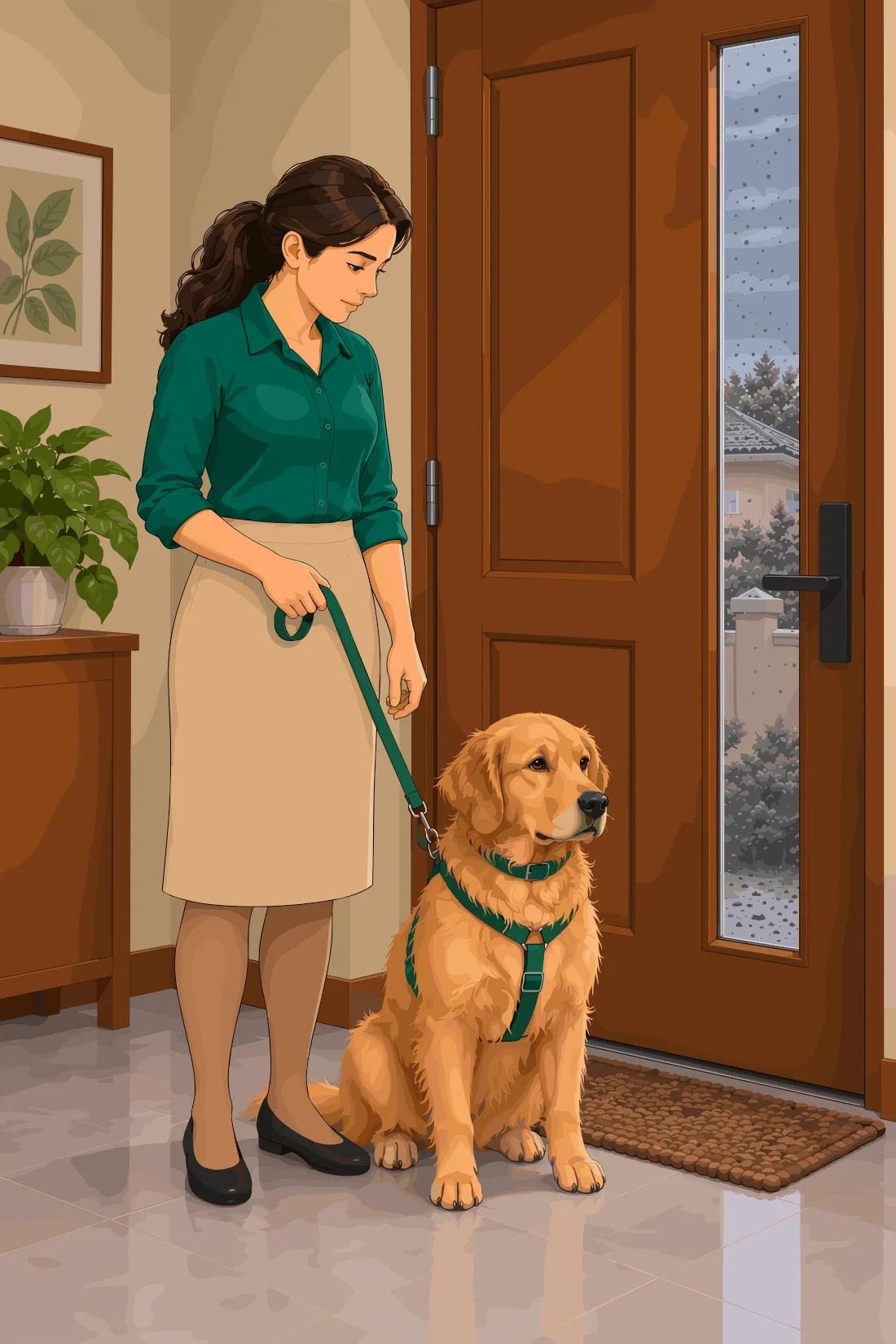
Keep dogs on a leash or harness,
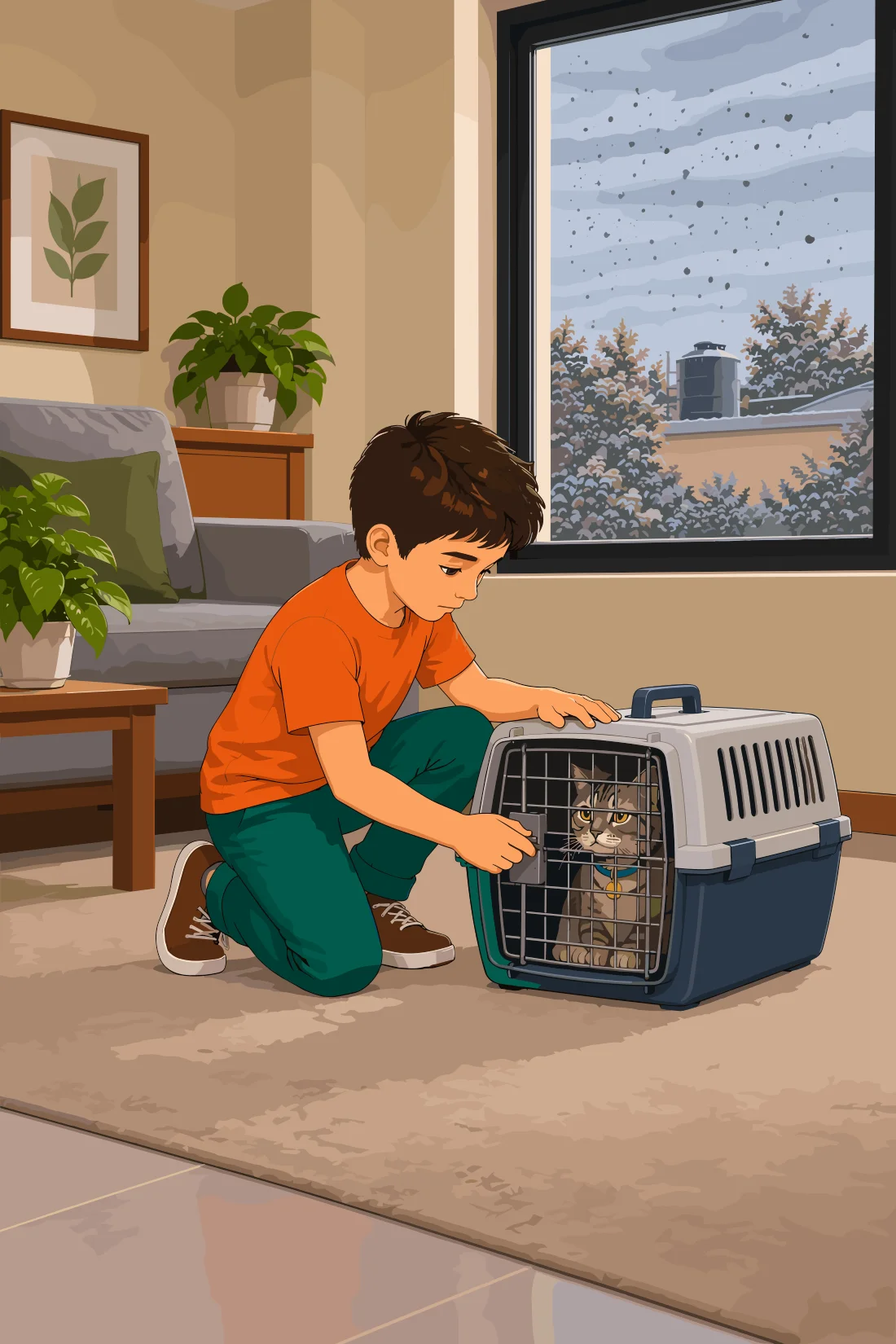
keep cats and other small animals in carriers,
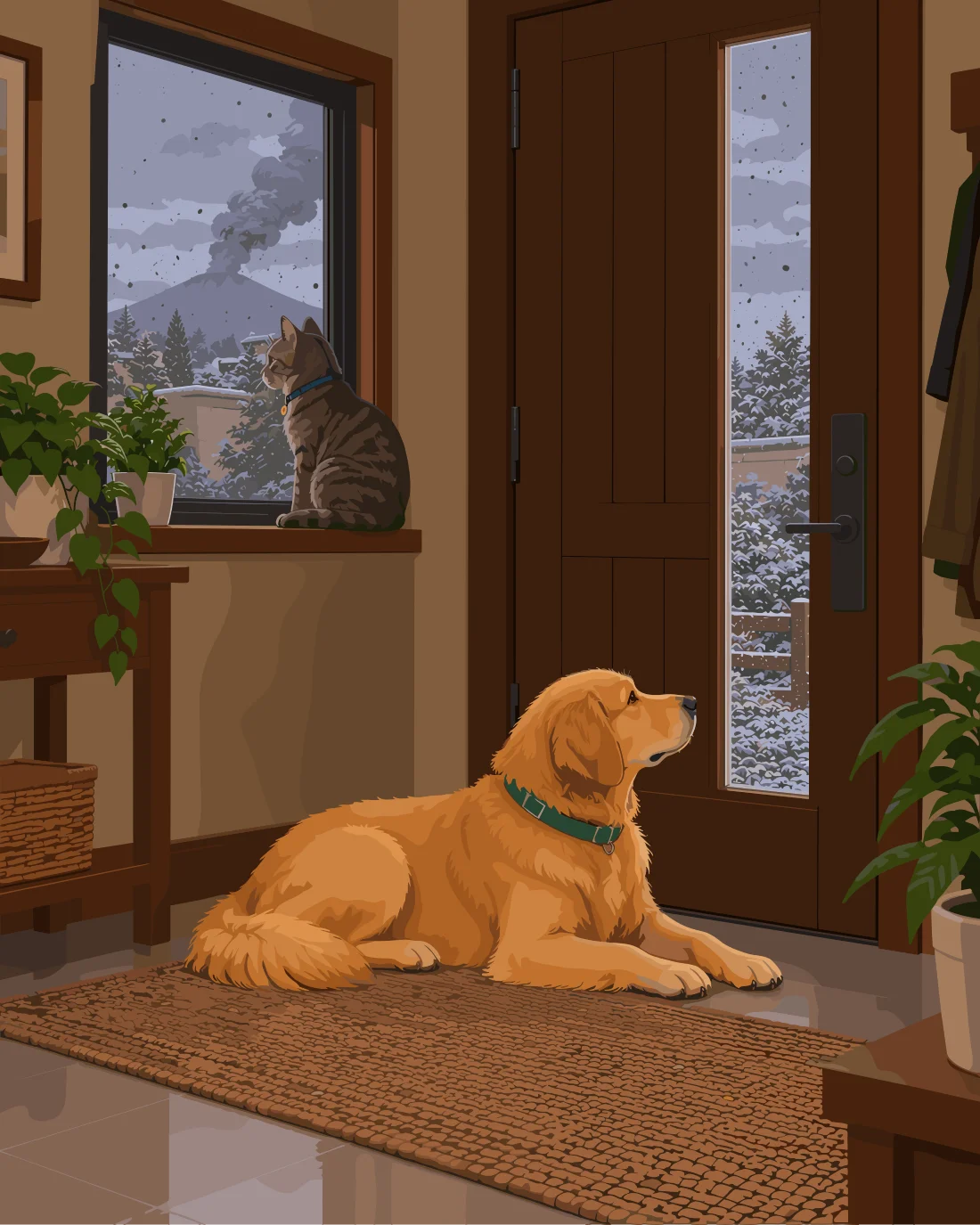
prevent them from going outside during ashfall,
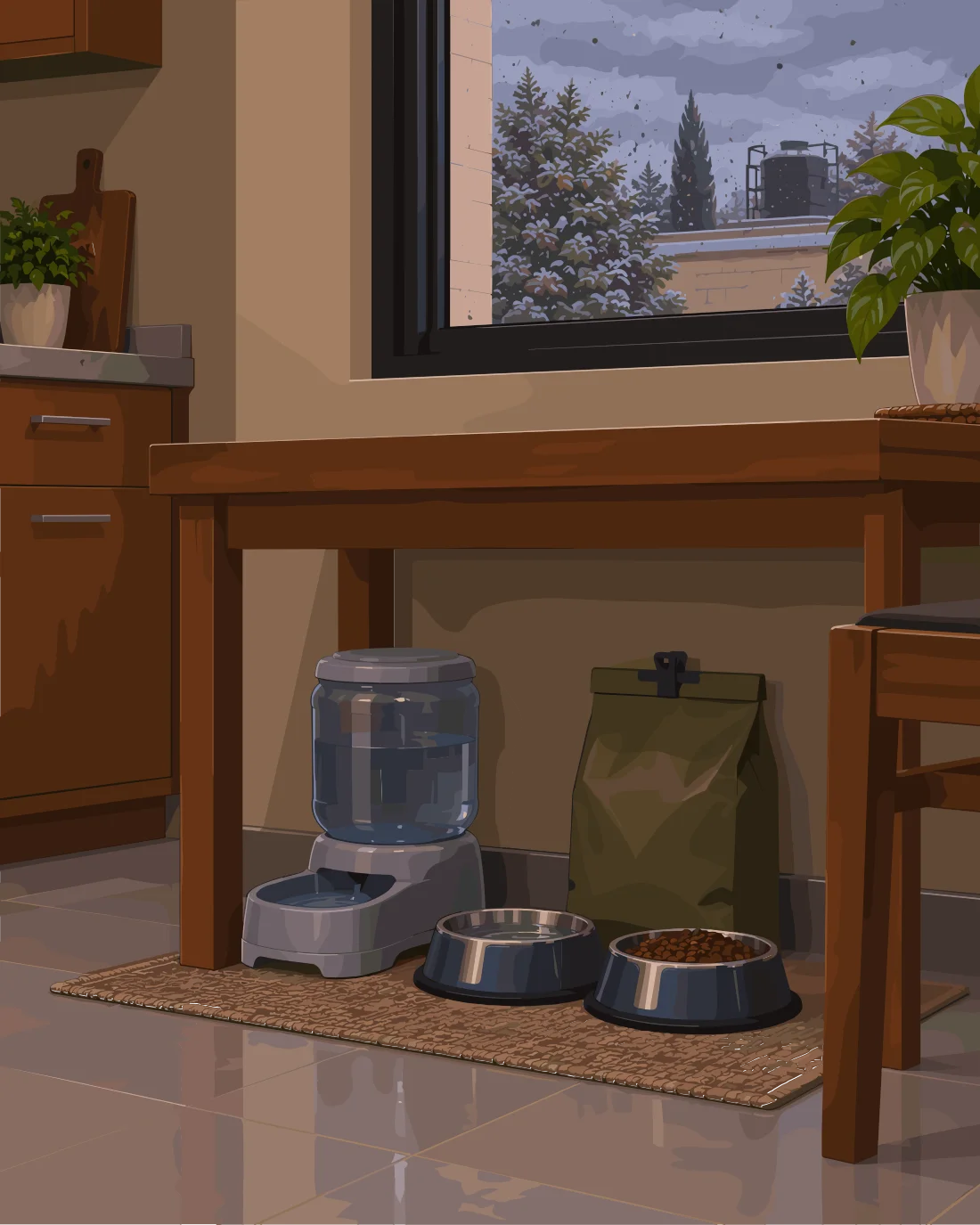
provide protected water and food,
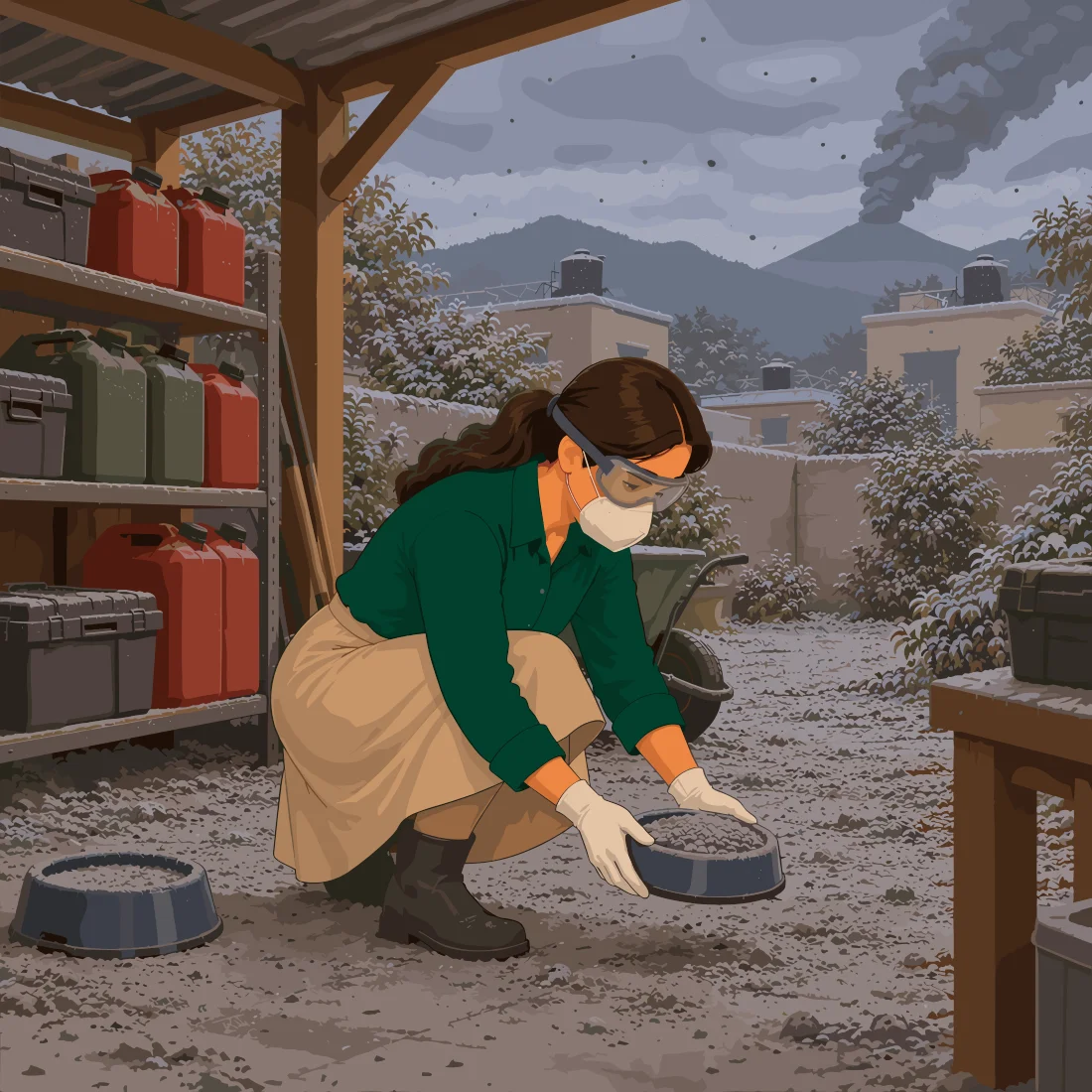
prevent them from eating visibly contaminated food,
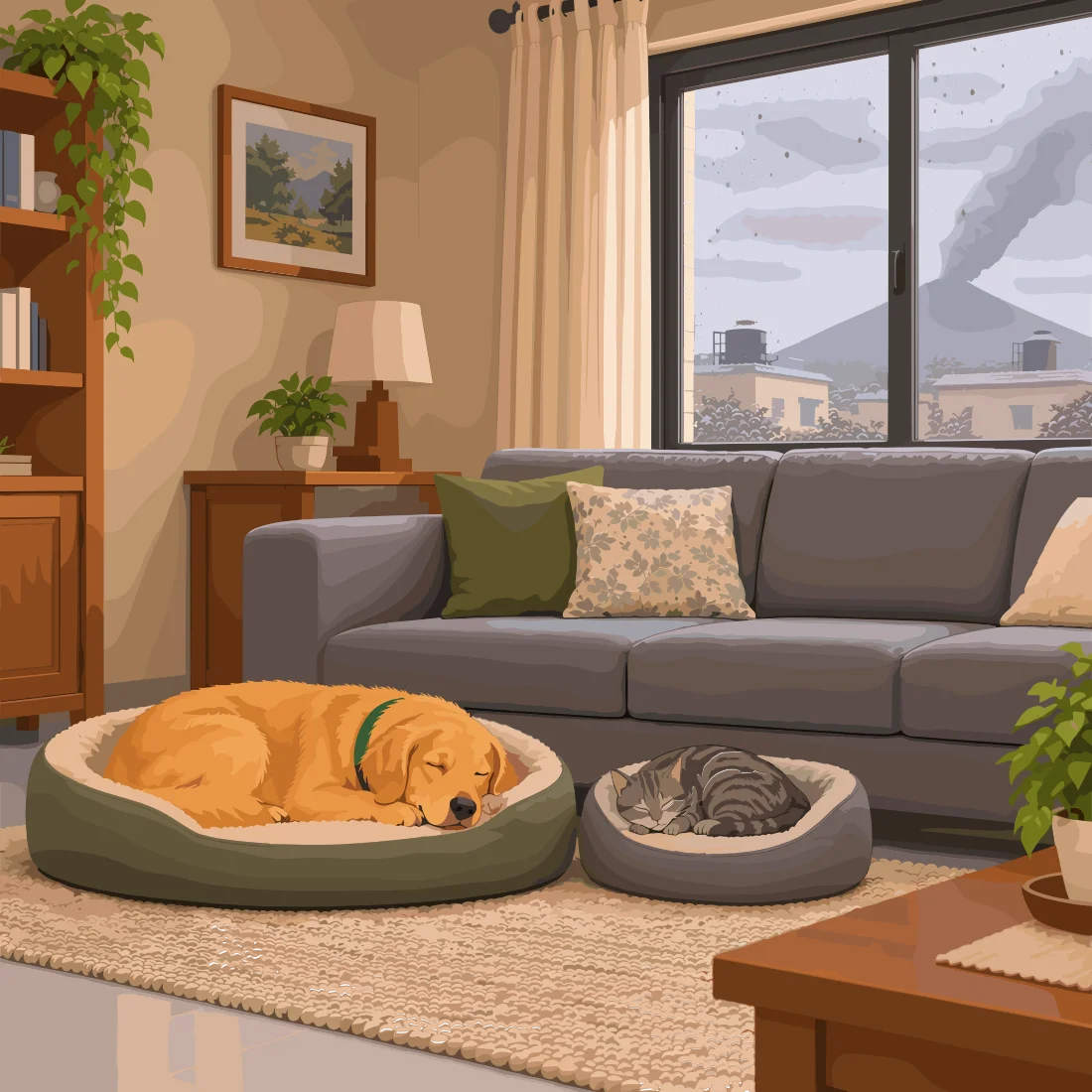
keep them indoors when it is safe to do so,
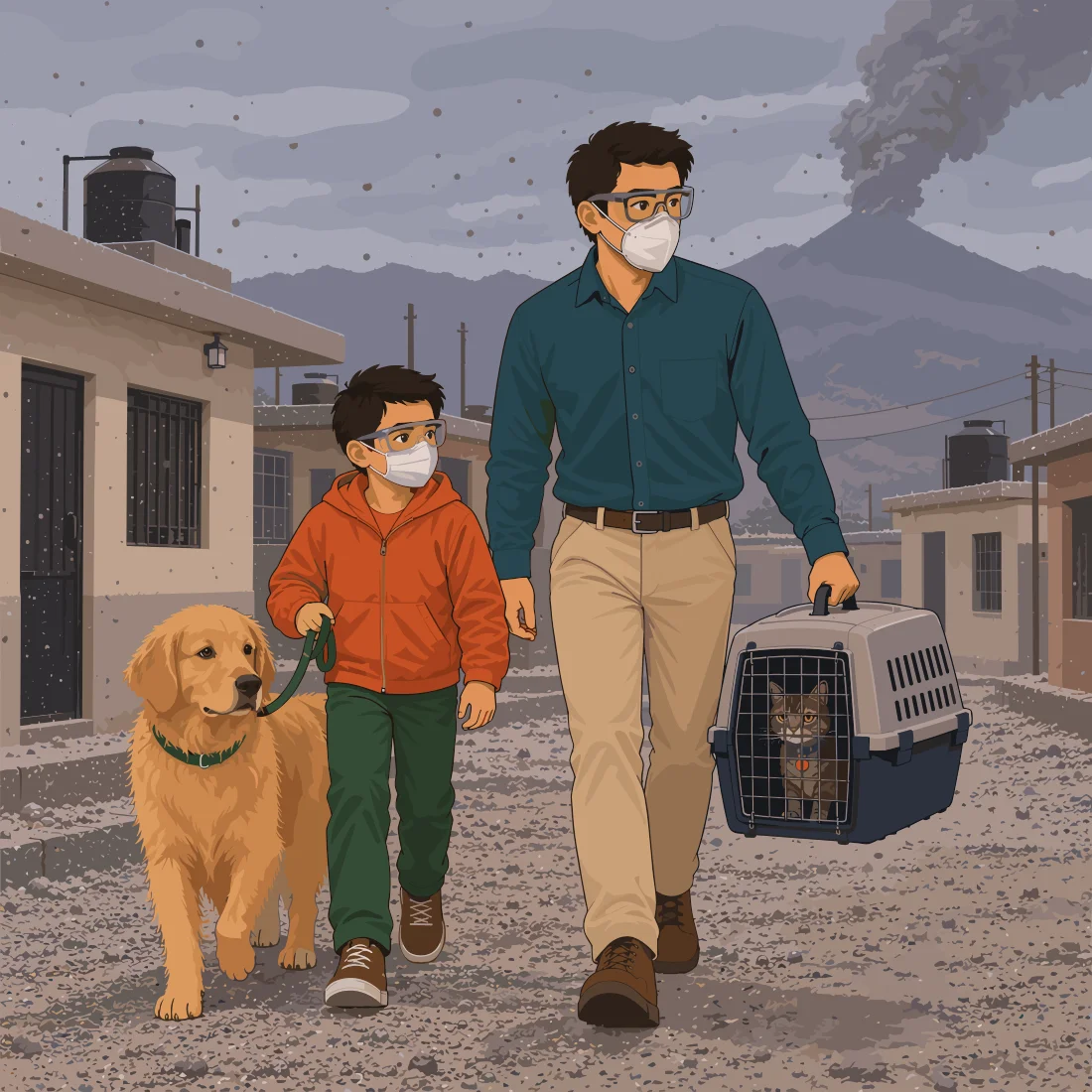
evacuate them together with those responsible for them when the plan and the authorities allow it.
 2.27
Farm animals and large animals
If animals were evacuated as a precaution, they must not be brought back while the emergency continues.
If they remain in the area, the instructions of the veterinary, agricultural, and civil protection authorities must be followed.
When possible and safe:
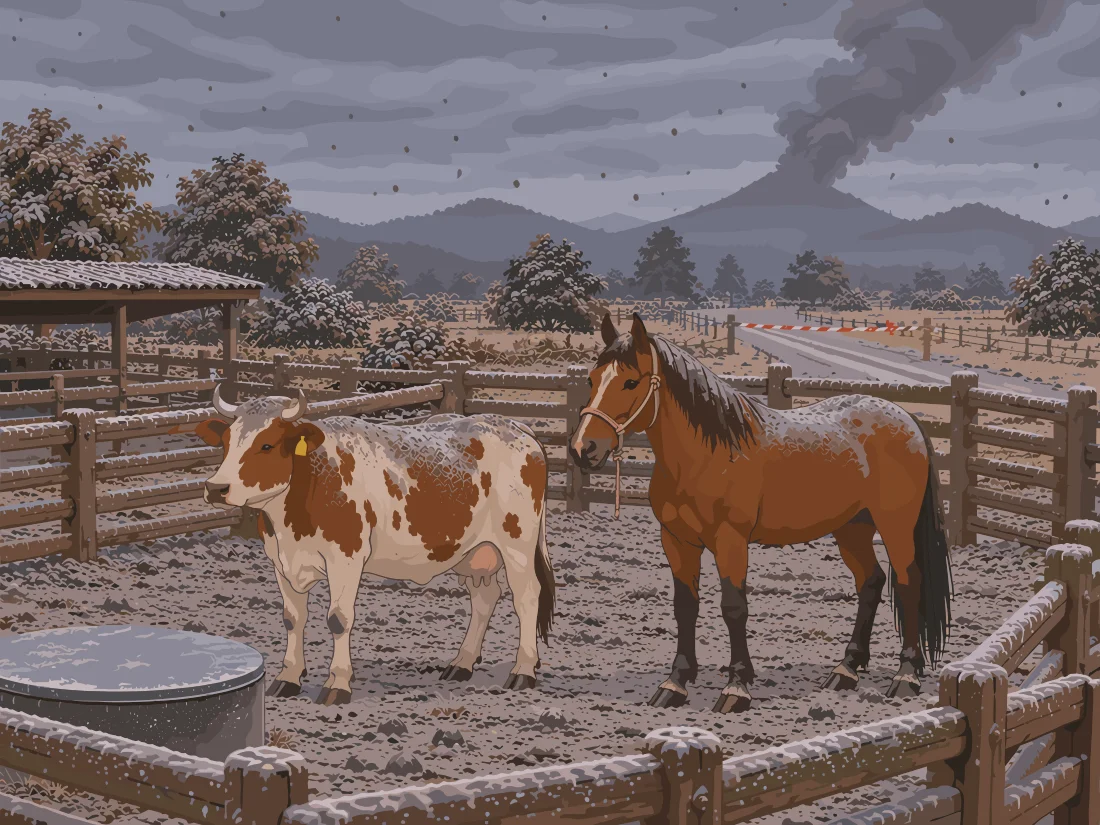
Keep them away from dangerous areas,
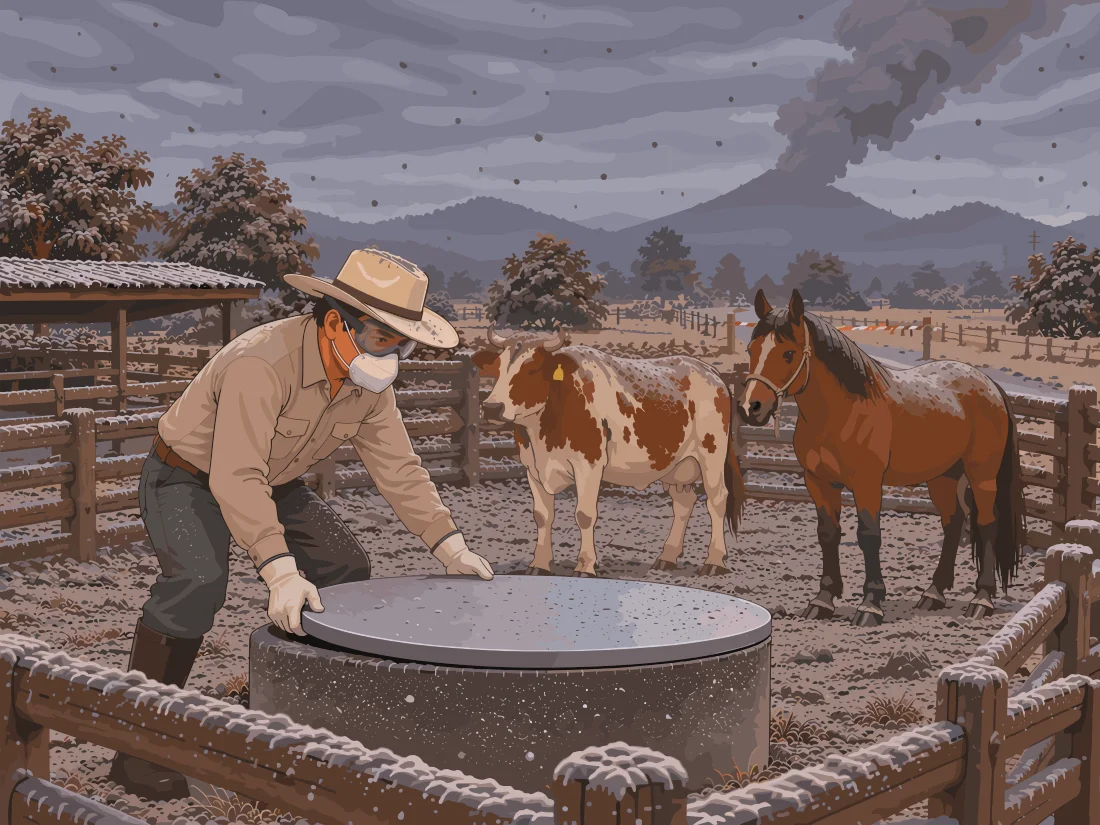
protect the water,
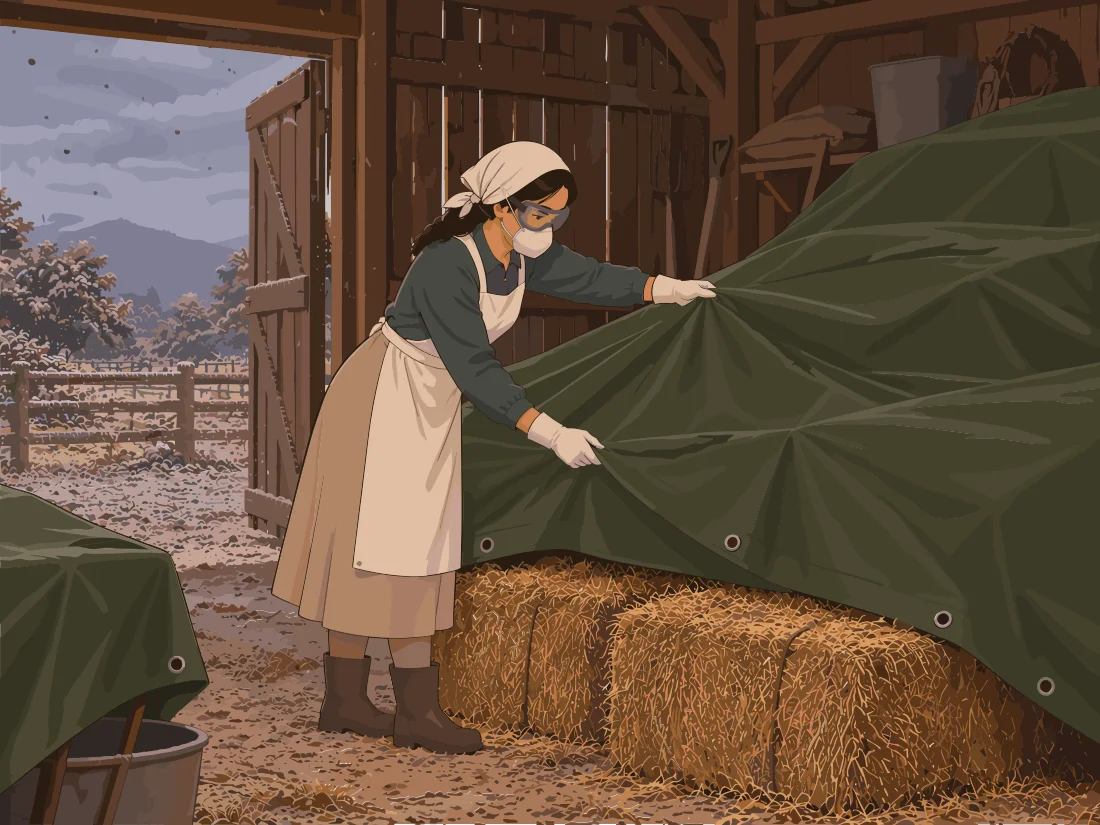
protect feed and forage,

reduce their exposure to ash,

keep them appropriately sheltered.
 2.28
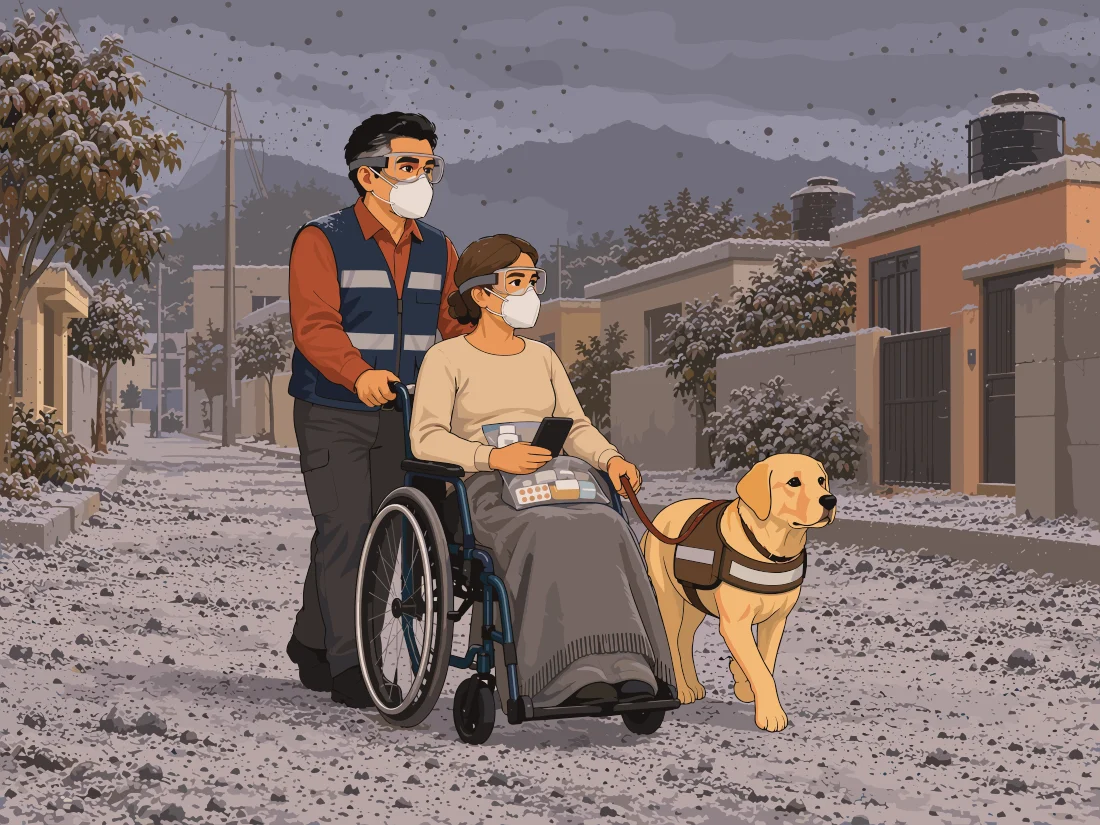
People with disabilities or reduced mobility
Those designated in advance must provide assistance to anyone who needs it.
Do not separate a person from:
- Their mobility devices,
- medications,
- assistive devices,
- communication items,
- service animals,
- other essential items.
 2.29
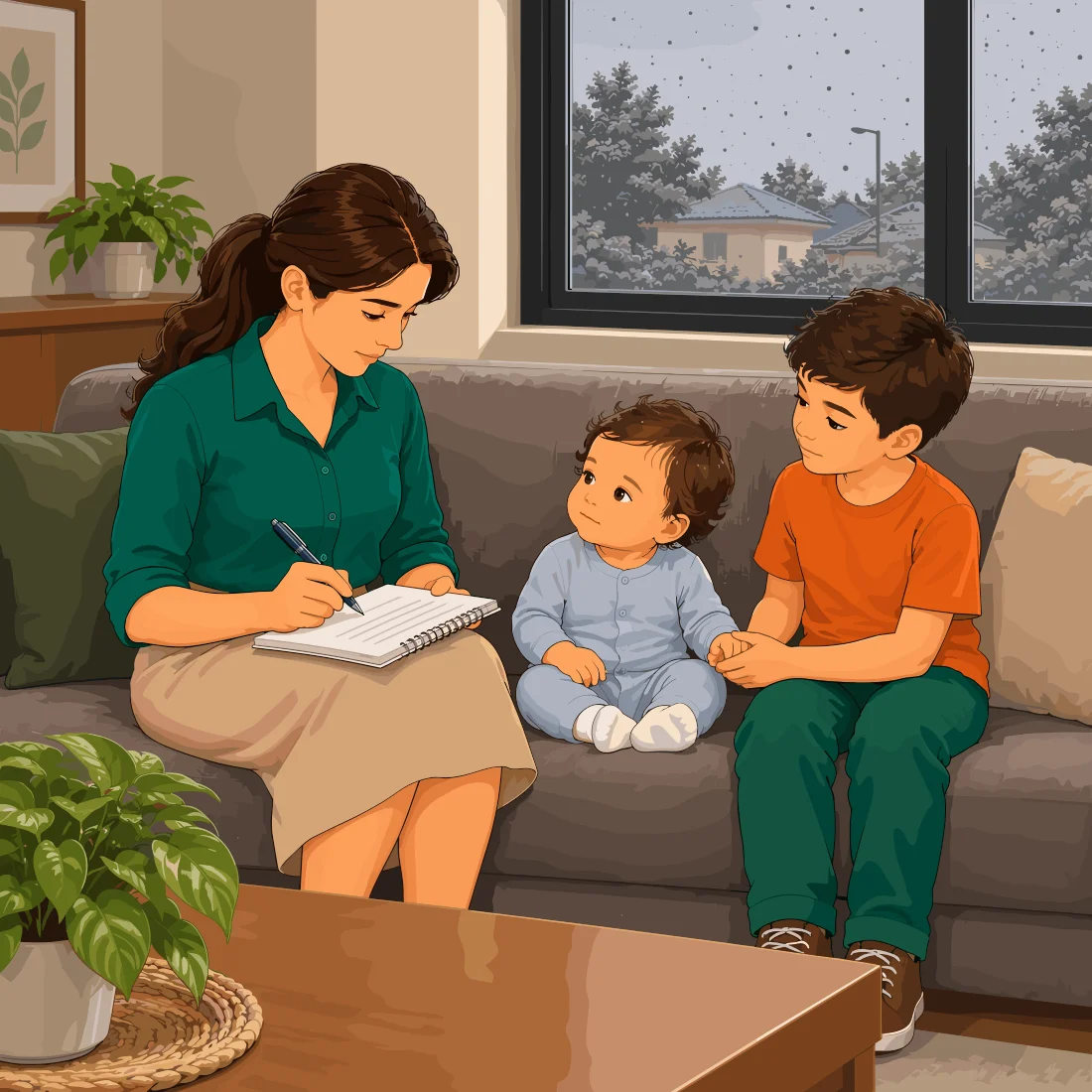
Children and dependent people
Families and those responsible for children or other dependent people must strictly apply their protection and reunification procedures.
During the emergency:
- Keep the group organized,
- prevent children from going outside unnecessarily,
- stop them from playing with the ash,
- make sure protective equipment is used correctly,
- take a head count,
- keep records,
- apply the family reunification procedures agreed on in advance.
 2.30
If electricity is interrupted
Use flashlights or other safe emergency lighting systems.
Take extra precautions with:

Candles,
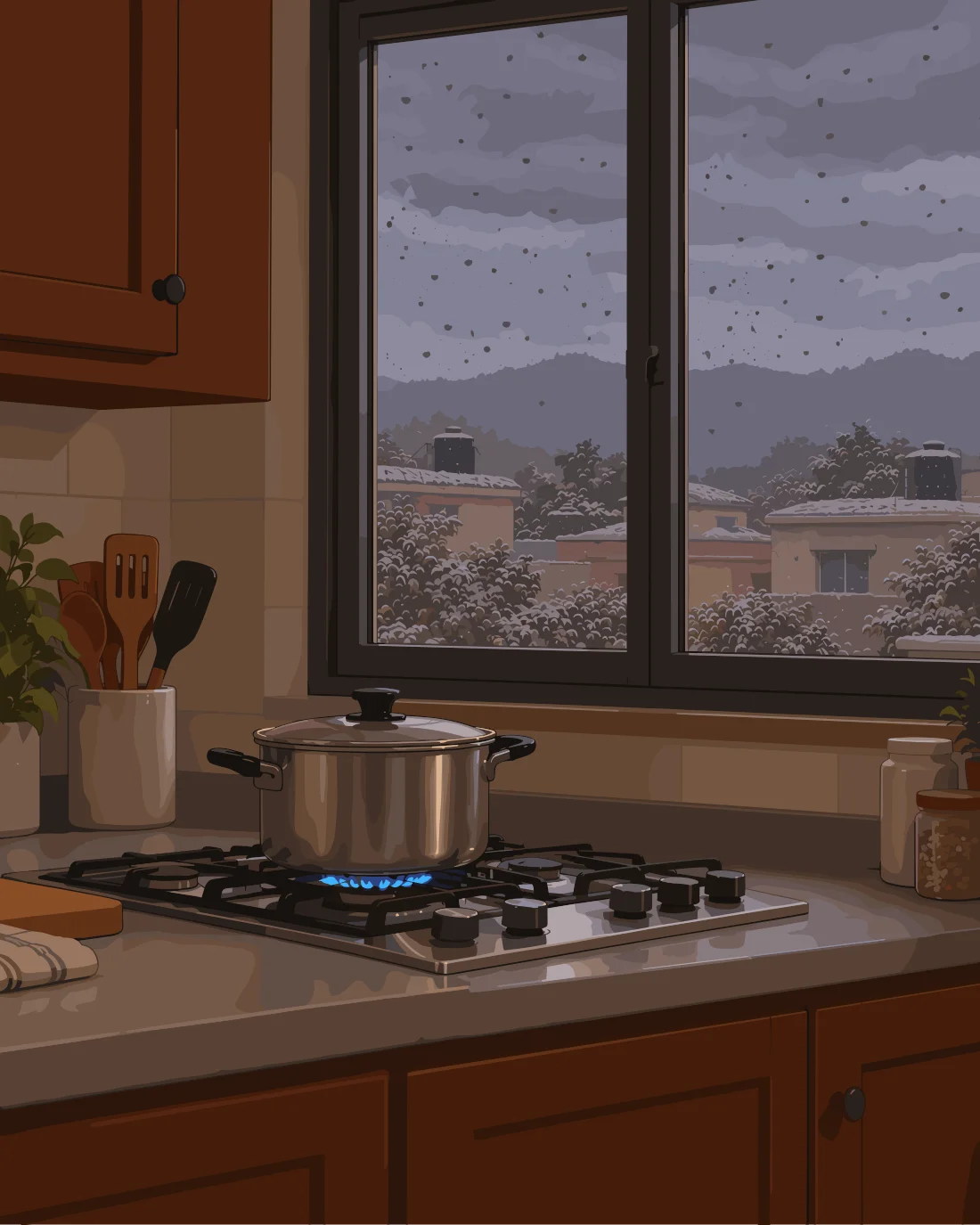
open flames,
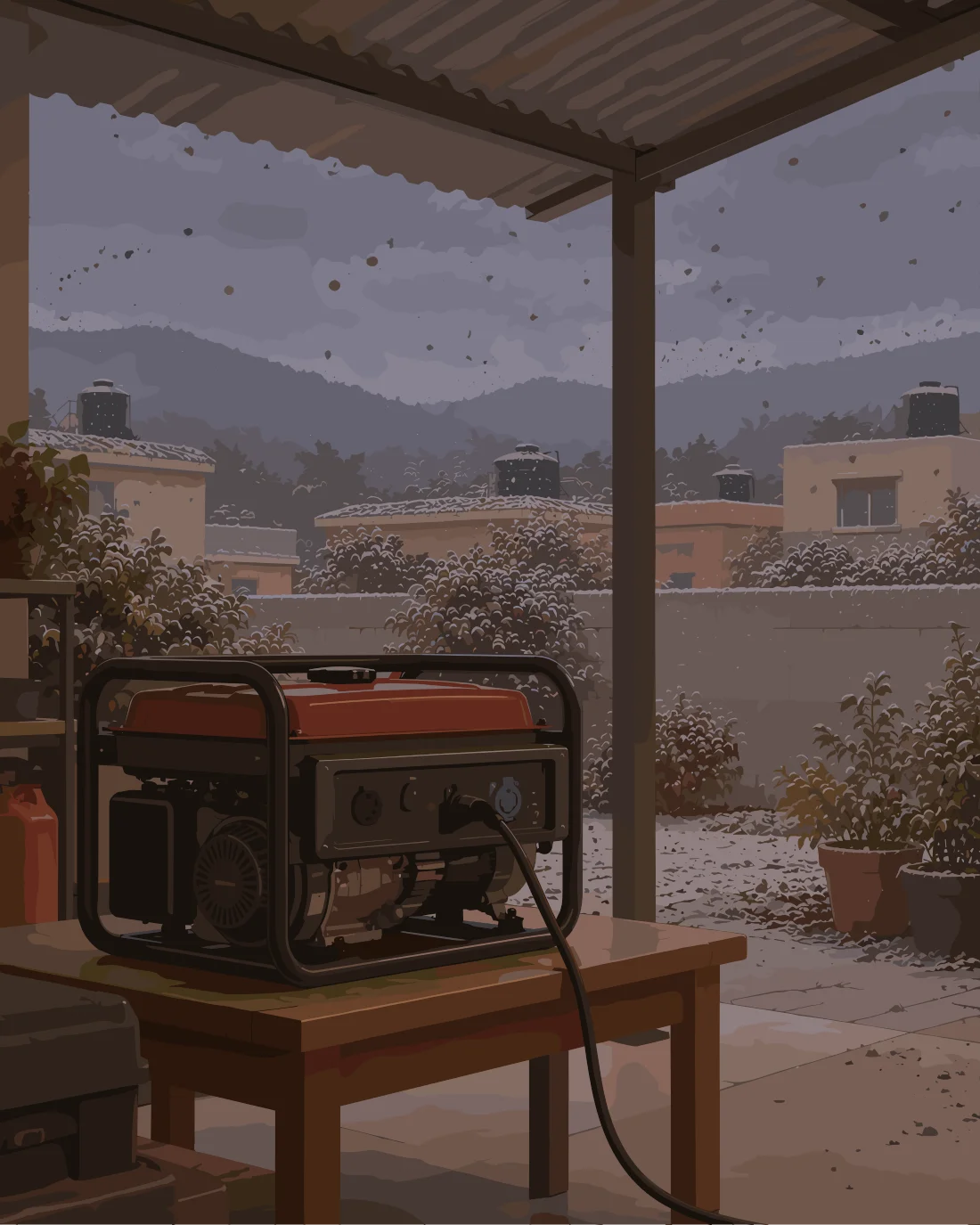
generators,
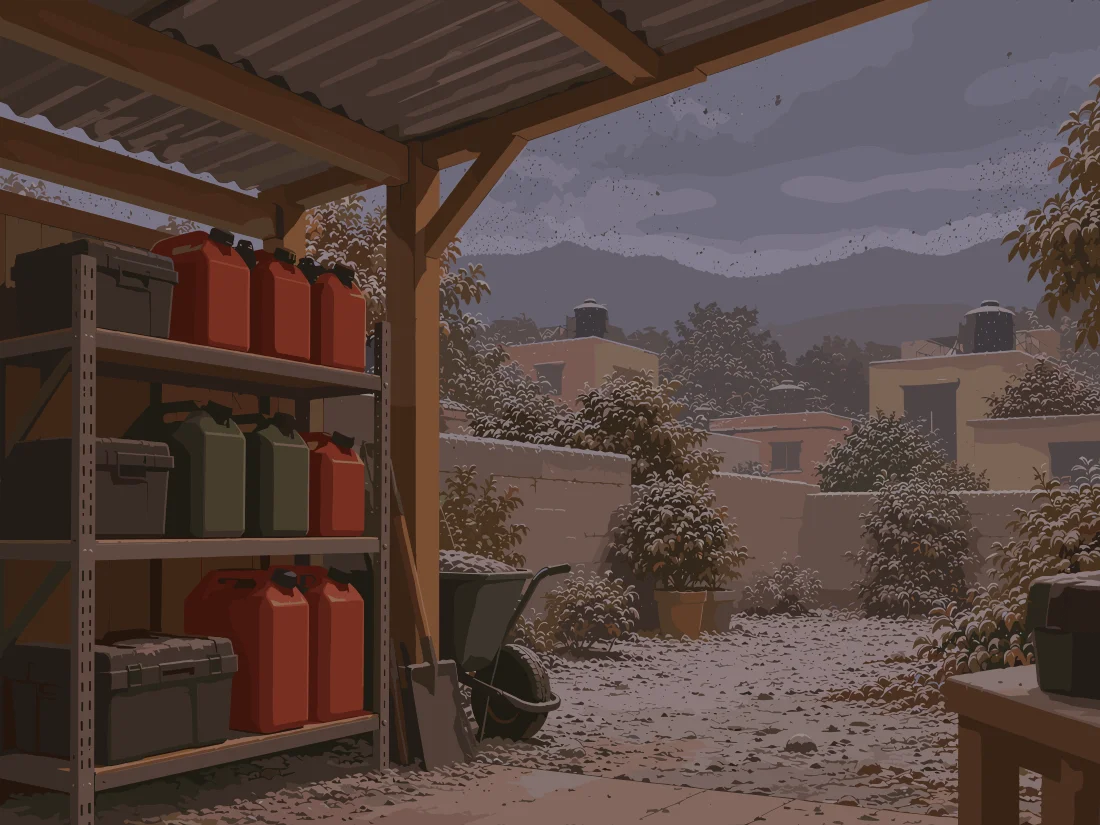
fuels,
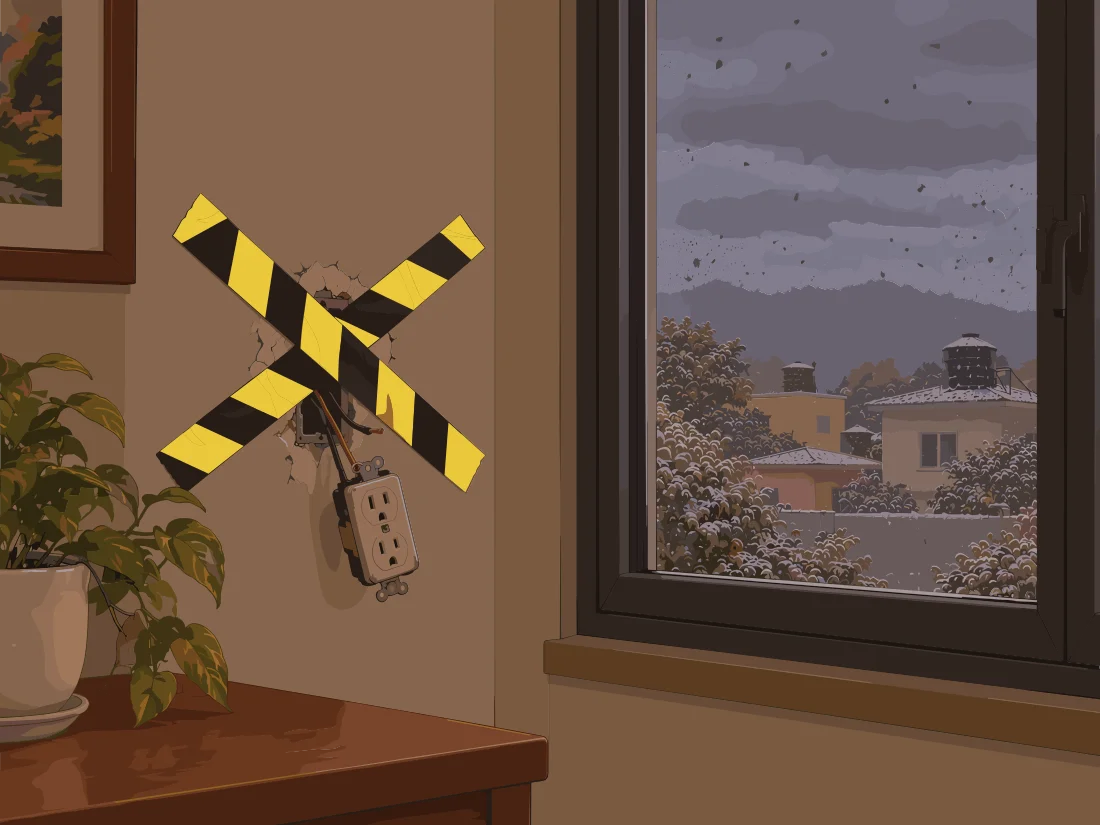
damaged electrical installations.
 2.31
If communications are interrupted
If mobile phone service or internet fails:
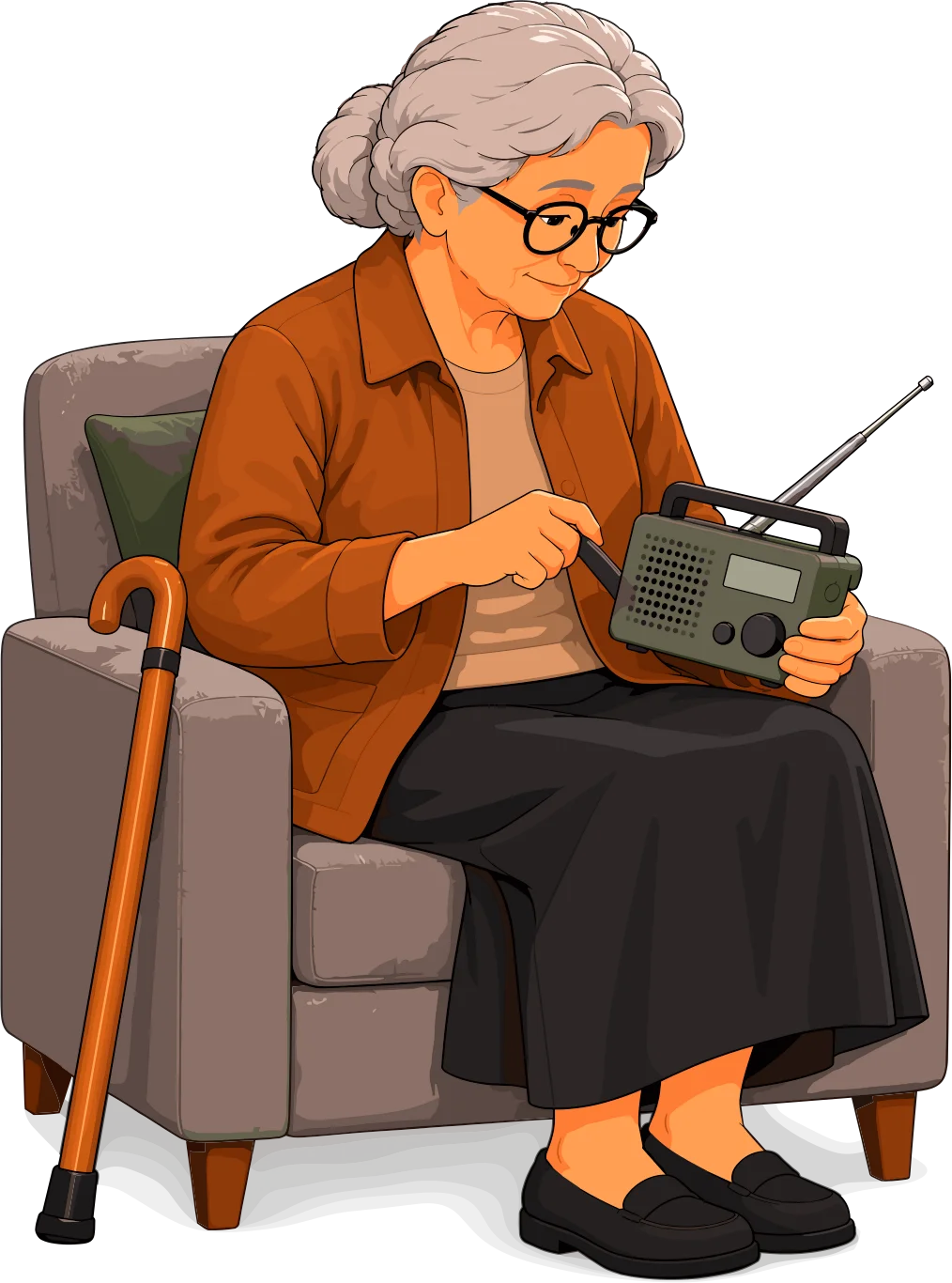
Use a battery-powered or hand-crank radio,
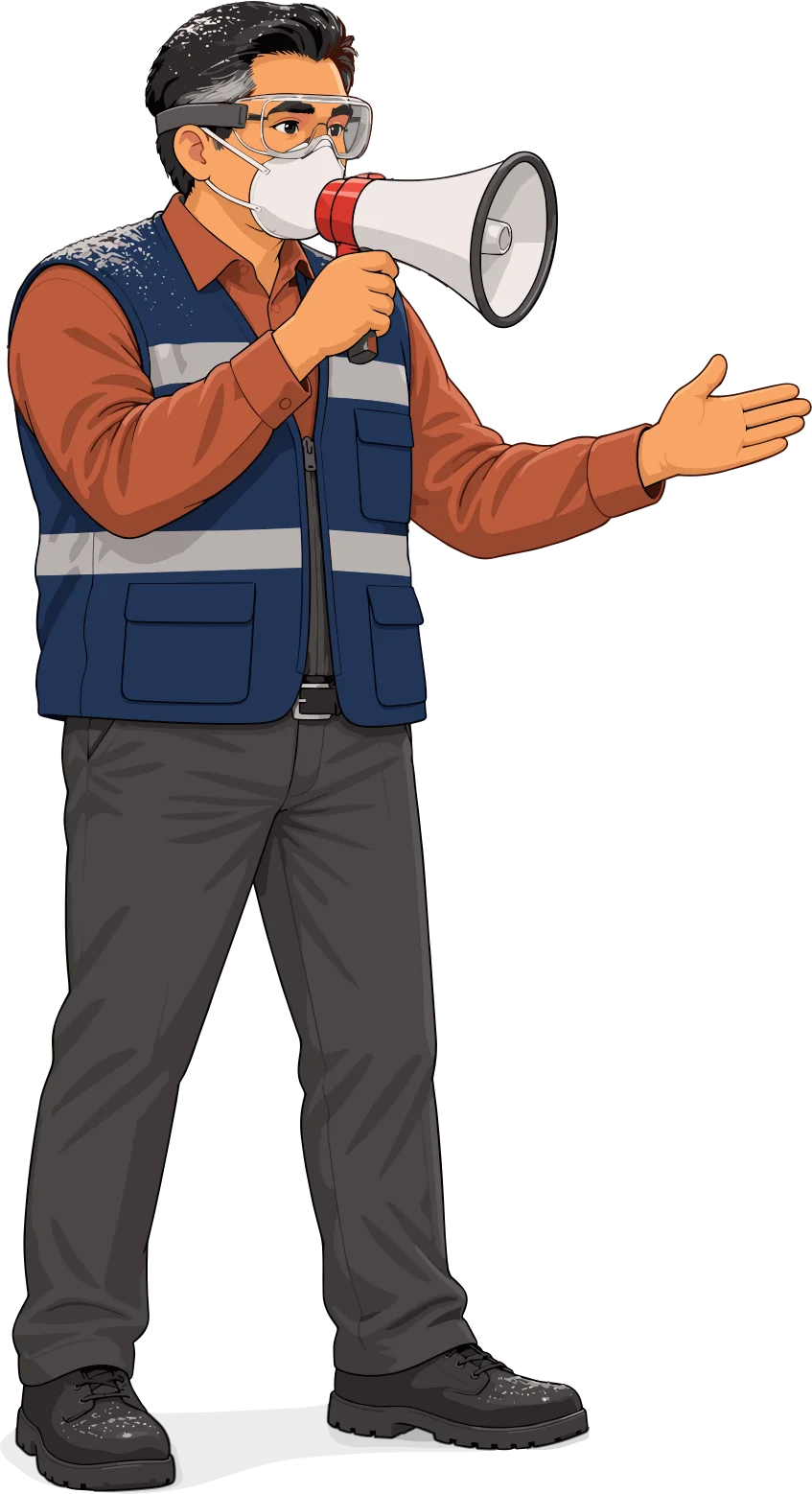
use the alternative means already planned,
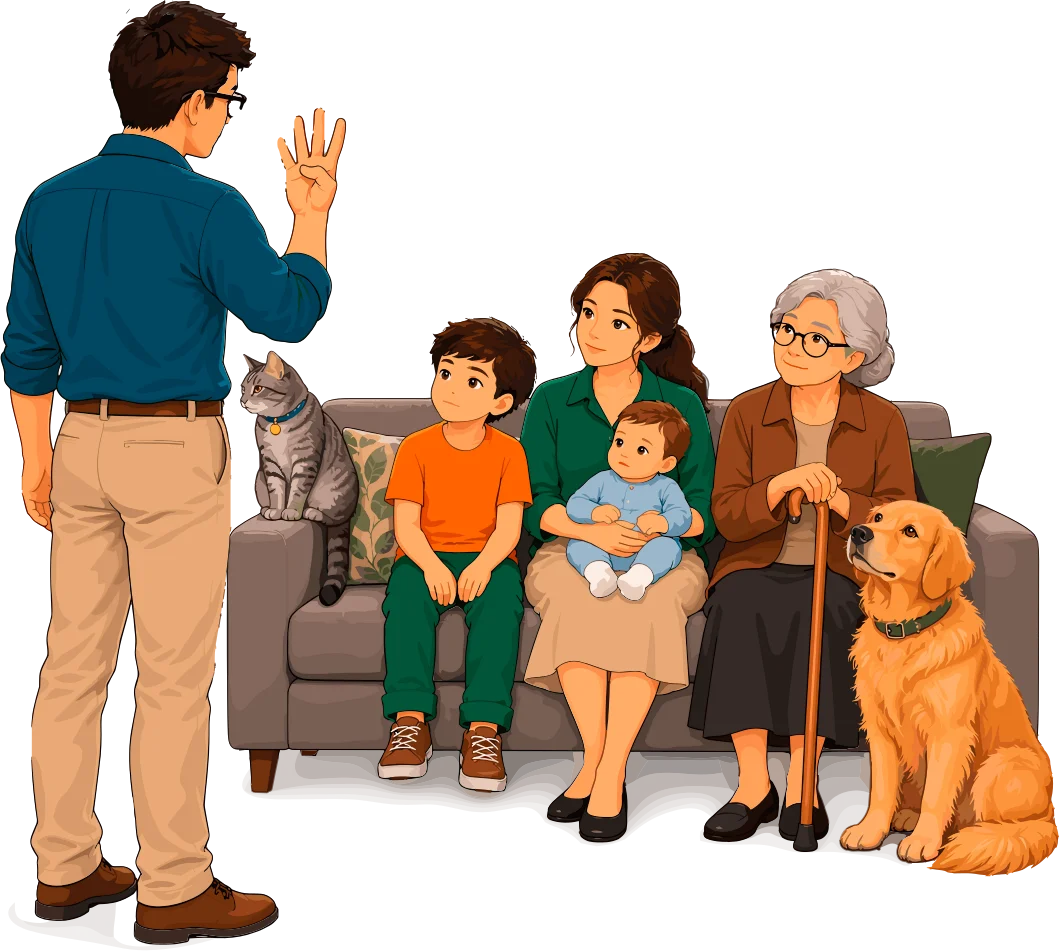
keep the group together,
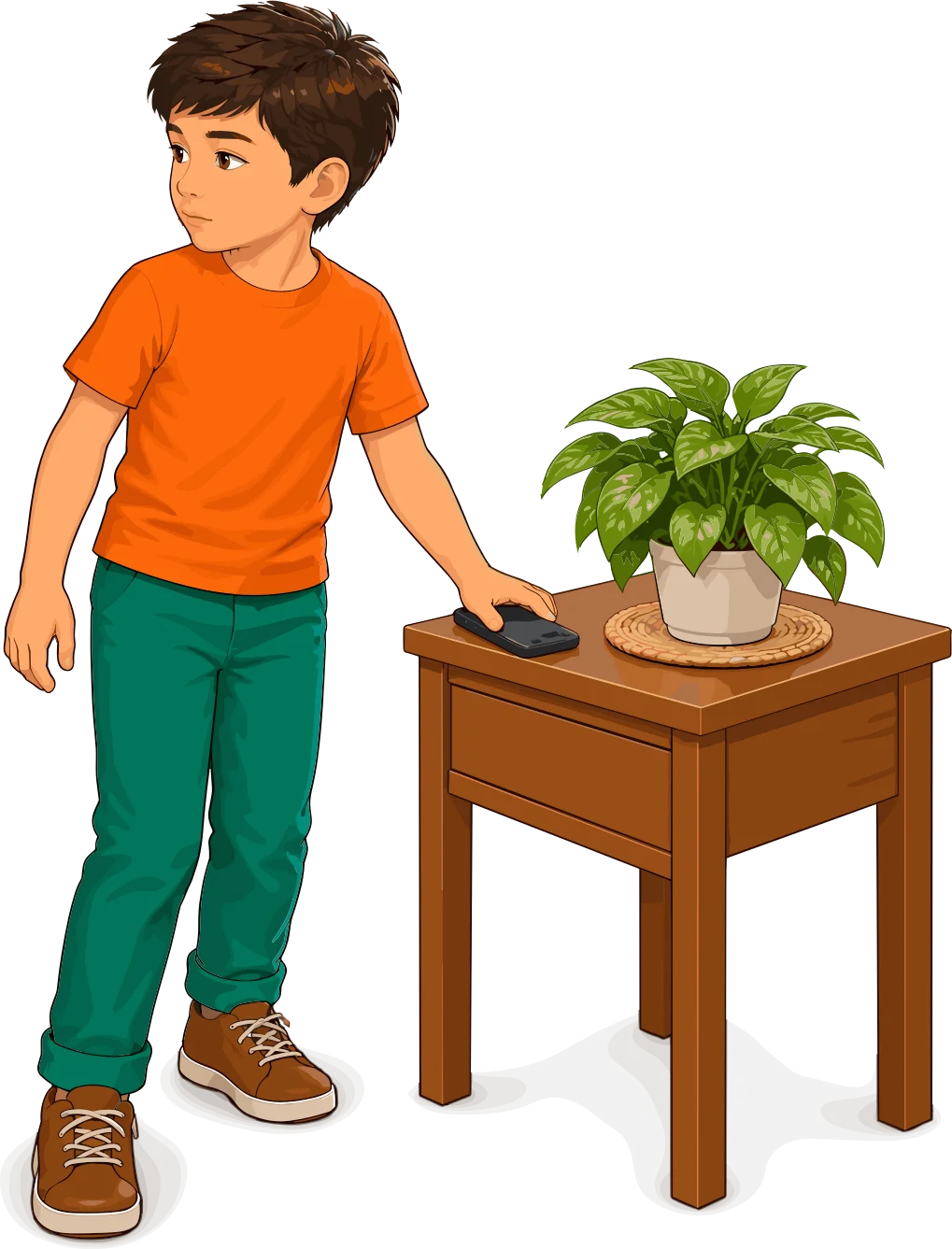
avoid moving around solely to look for signal,
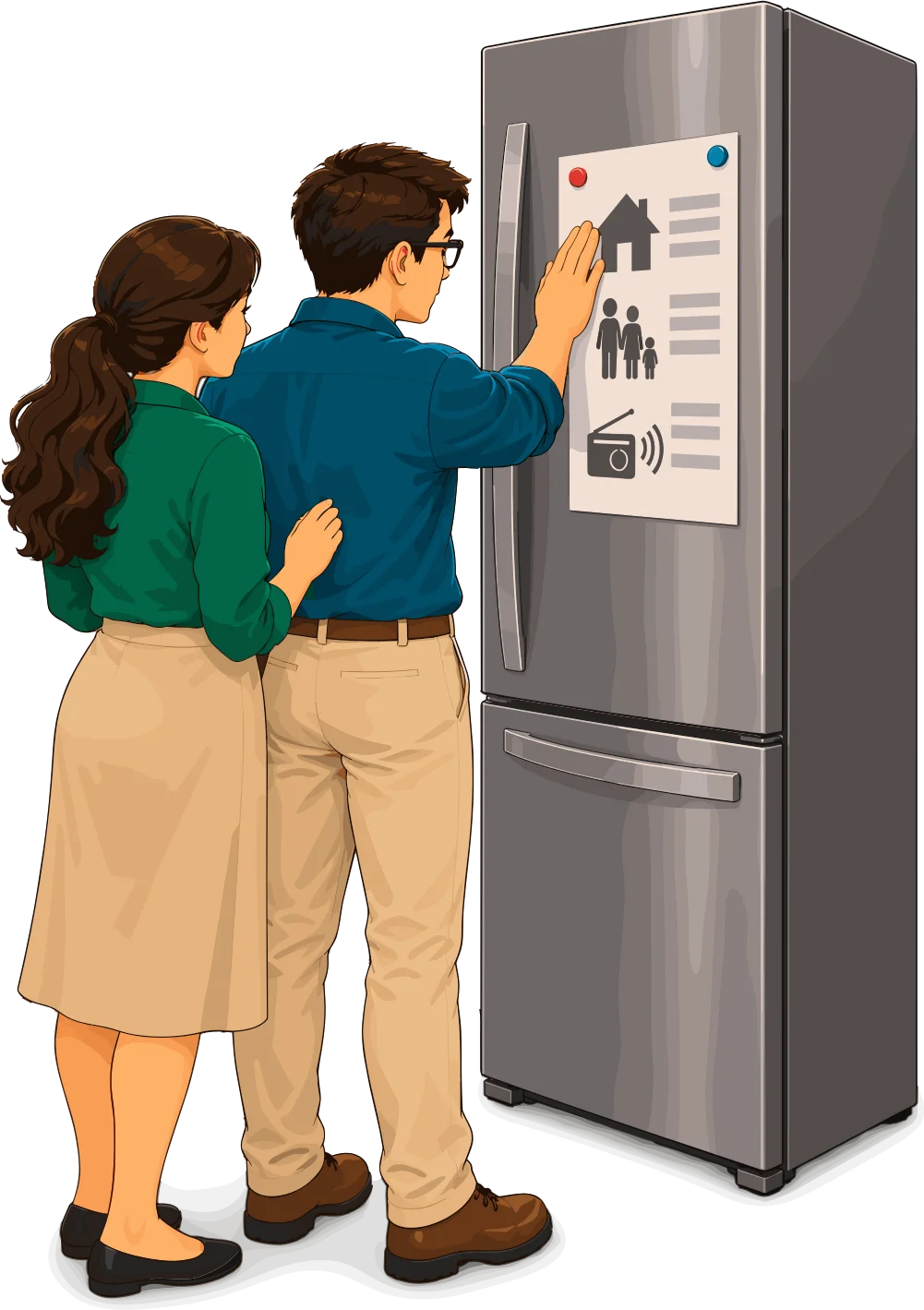
apply the family or community plan already established.
 2.32
Avoid rumors and misinformation
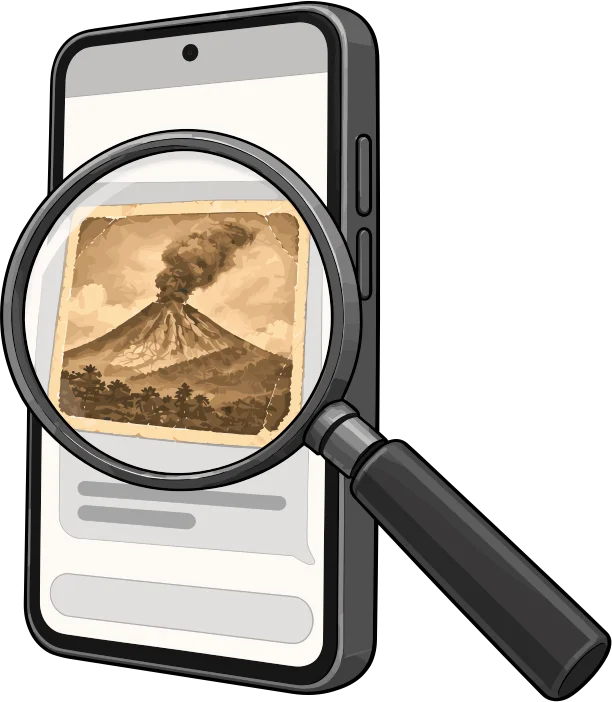
During a crisis, old photographs, videos of other volcanoes, audio with no identifiable source, and false evacuation orders can circulate.
Before sharing information, verify that it comes from:
- Official monitoring agencies,
- civil protection authorities,
- emergency services,
- competent government authorities.
 2.33
Do not return to an evacuated area
Even if ashfall decreases, a visible eruption column disappears, or the activity seems to have ended, do not return to an evacuated area until the authorities allow it.
The following may persist:
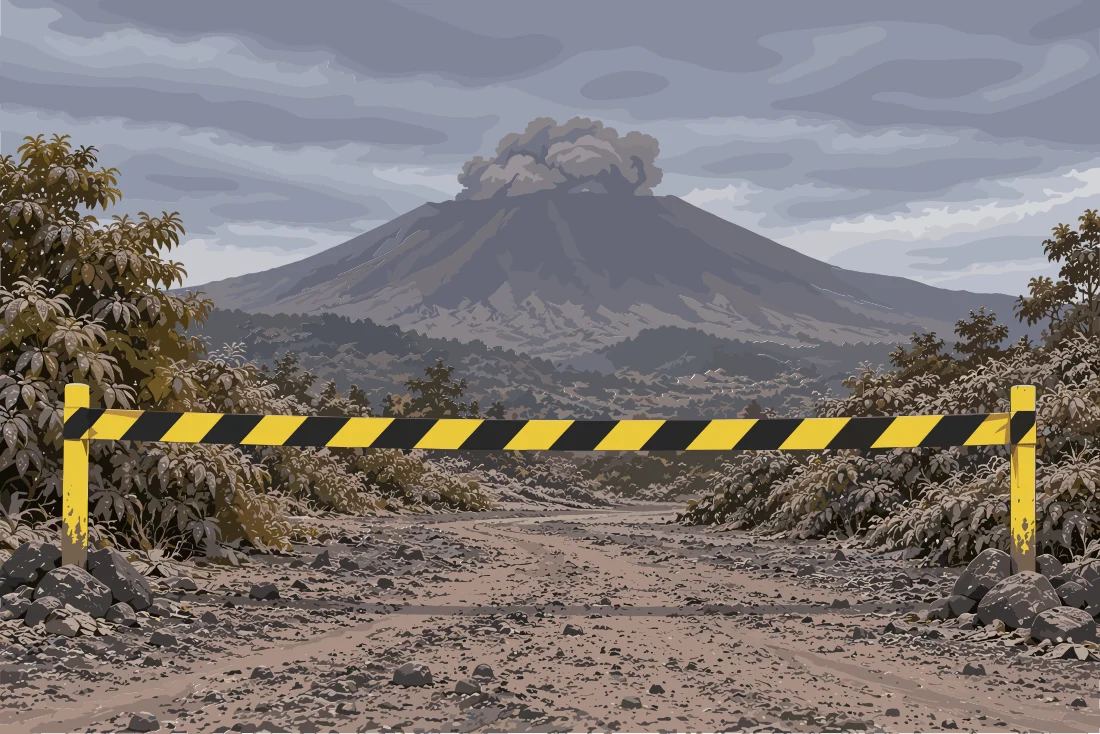
New eruptive episodes,
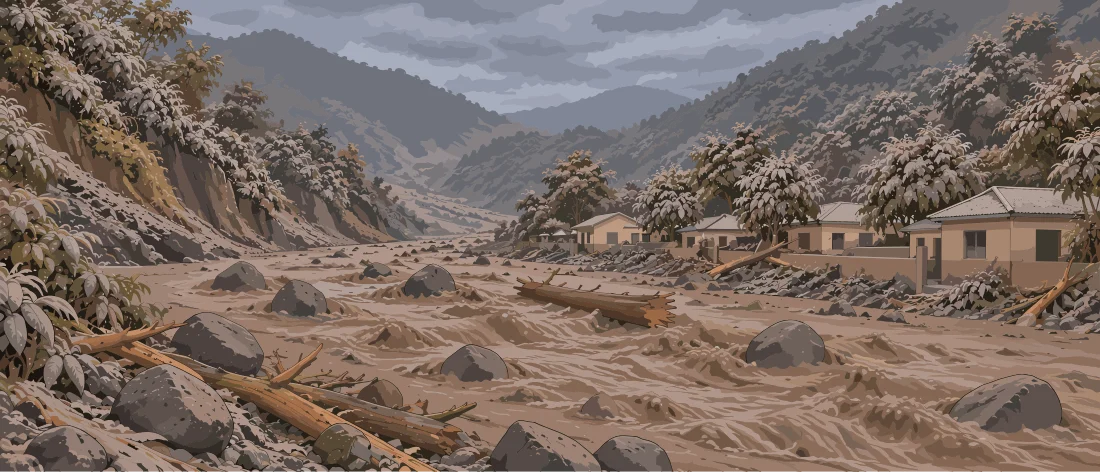
lahars,
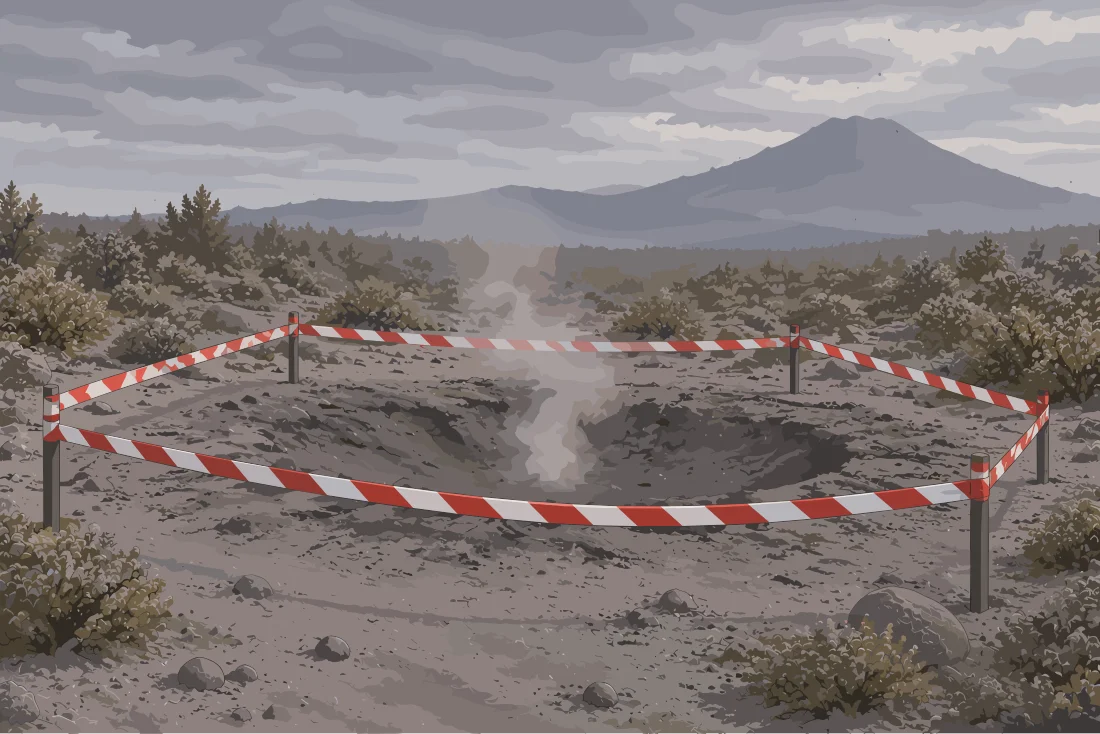
gases,
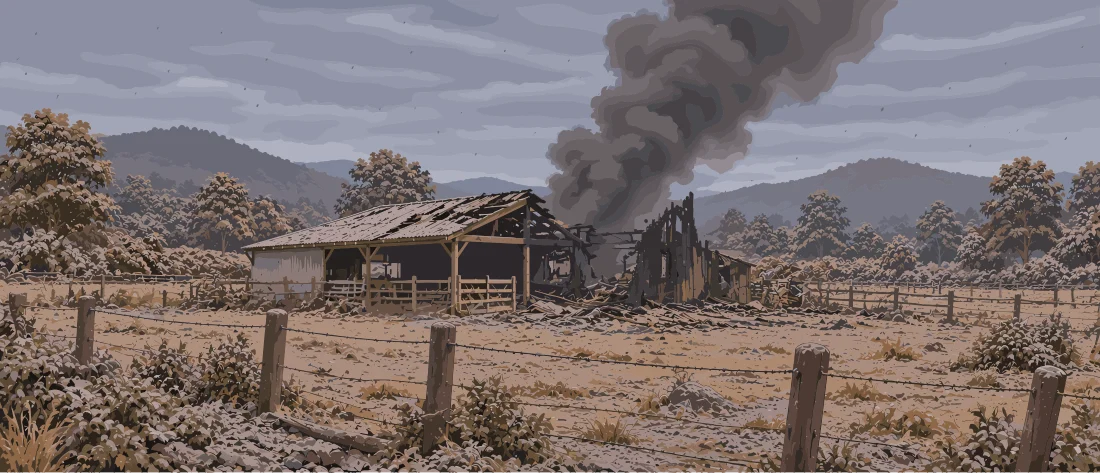
fires,
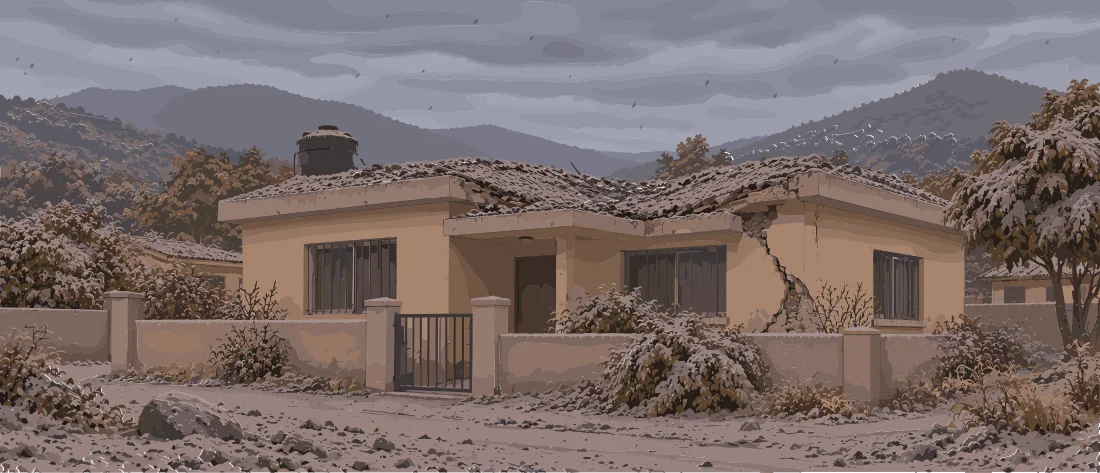
unstable structures,
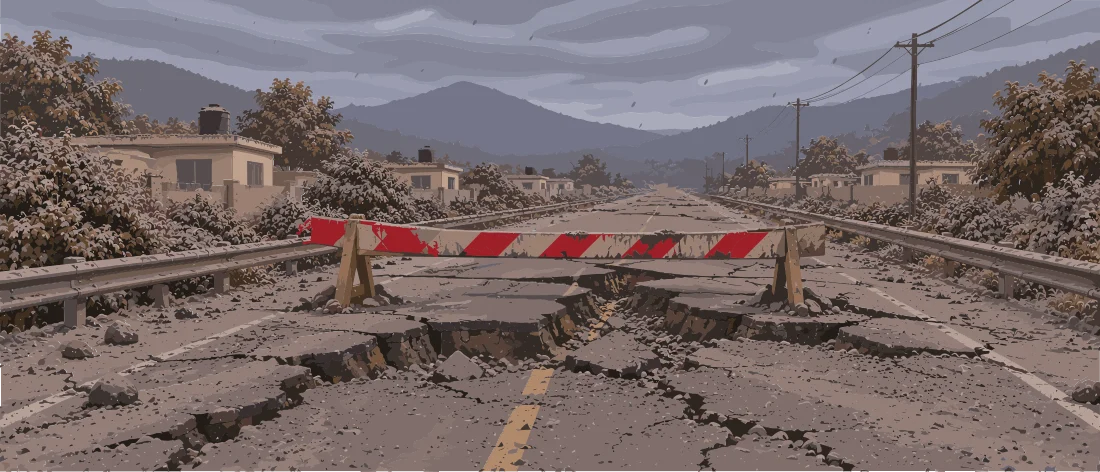
damaged roads,
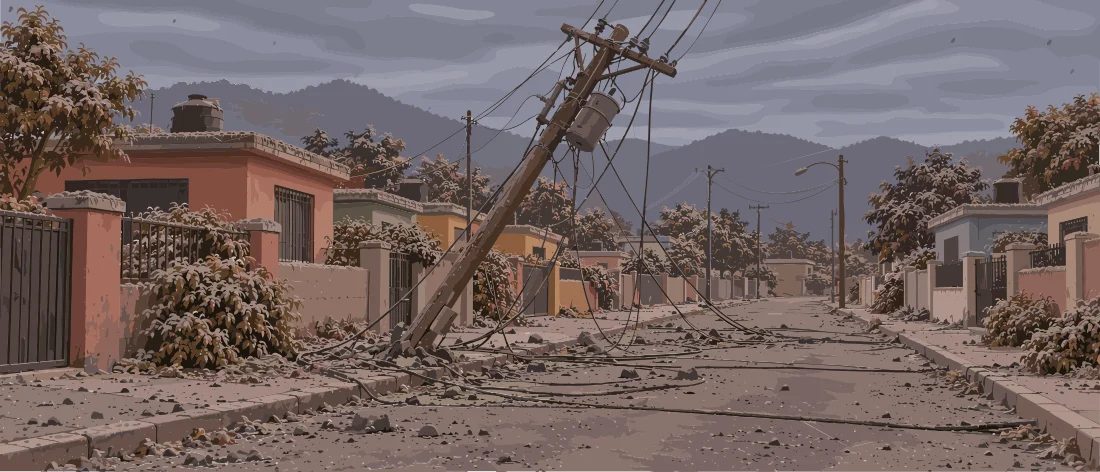
fallen power lines,
water contamination,
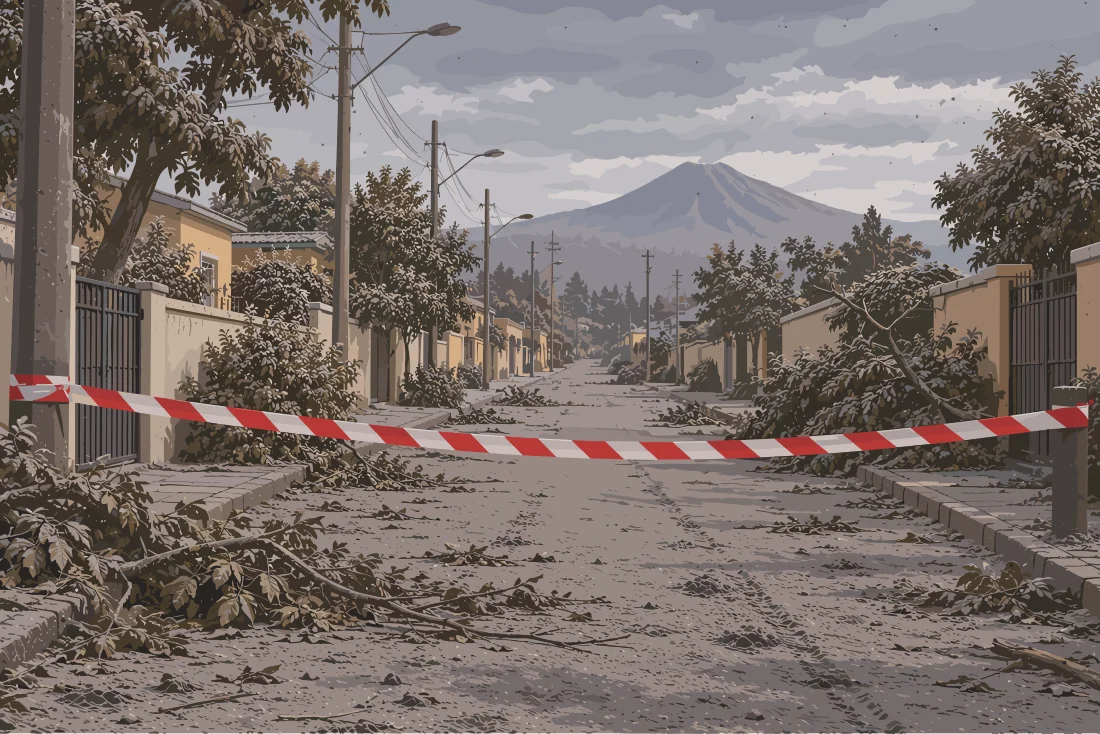
other secondary hazards.
 2.34
Fundamental principle during an eruption
During a volcanic emergency, decisions must be based on the specific threat, location, and official instructions, not solely on the volcano’s appearance.
The priorities are:
- PROTECT LIFE.
- FOLLOW EVACUATION ORDERS.
- SHELTER IN PLACE WHEN THAT IS THE OFFICIAL INSTRUCTION.
- REDUCE EXPOSURE TO ASH.
- STAY AWAY FROM EXCLUSION ZONES.
- AVOID CHANNELS AND AREAS THREATENED BY LAHARS.
- ASSIST PEOPLE WHO NEED HELP.
- STAY INFORMED THROUGH OFFICIAL SOURCES.
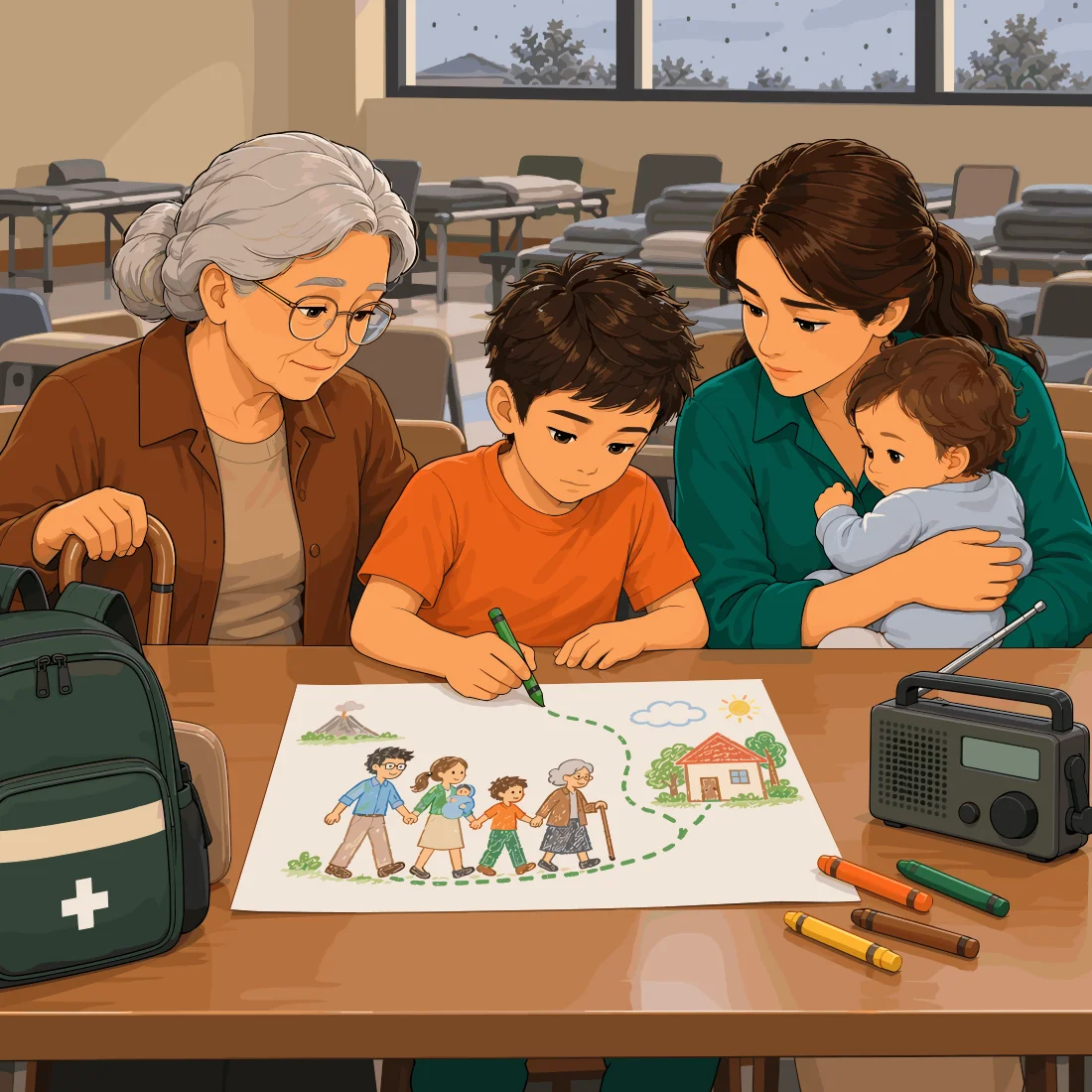

Final reminder
- Stay calm.
- Activate the family or community plan.
- Listen to the official instructions.
- If an evacuation is ordered, evacuate without delay.
- Use the official routes.
- Do not go back for belongings.
- If you are told to shelter in place, stay inside the building and reduce the entry of ash.
- Use appropriate respiratory and eye protection when you must be exposed to ash.
- Remember that particulate respirators do not protect against volcanic gases.
- Give special protection to children, older adults, people with disabilities, and people with respiratory conditions.
- Keep animals protected and under control.
- Avoid driving unless necessary.
- Stay away from channels and areas threatened by lahars.
- Do not go near the volcano.
- Do not enter exclusion zones.
- Do not interpret a pause in activity as the end of the emergency.
- Do not carry out dangerous cleanup tasks while significant ashfall continues.
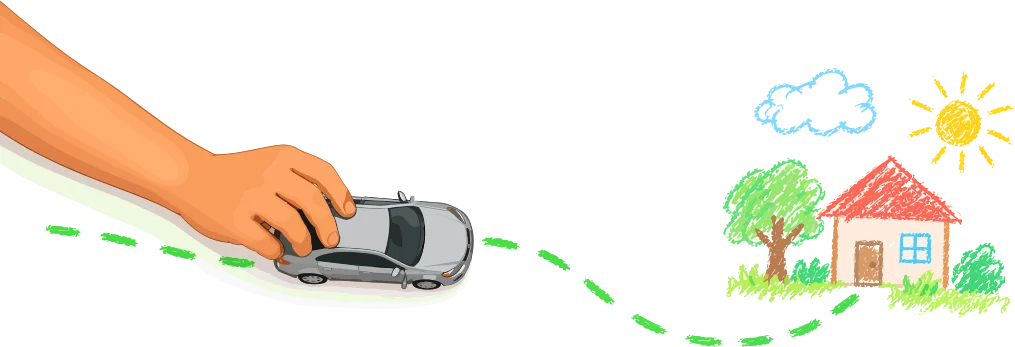
And, most importantly:
Downloads
© 2026 by Kingdom of Peace and Justice Center is licensed under Creative Commons Attribution-NonCommercial-NoDerivatives 4.0 International (CC BY-NC-ND 4.0). To view a copy of this license, visit creativecommons.org/licenses/by-nc-nd/4.0.