
PHASE 3: AFTER — Safe return, recovery and reducing later risks
GUIDE FOR INDIVIDUALS, FAMILIES AND COMMUNITIES
The apparent end of a volcanic eruption does not necessarily mean the emergency has ended.
After an eruption, hazards can persist or appear: ashfall or remobilized ash, lahars, volcanic gases, fires, weakened structures, overloaded roofs, water contamination, damage to electrical and gas networks, impassable roads, service interruptions, and new episodes of volcanic activity.
Recovery must be carried out gradually, in an organized way, and following the authorities’ instructions.
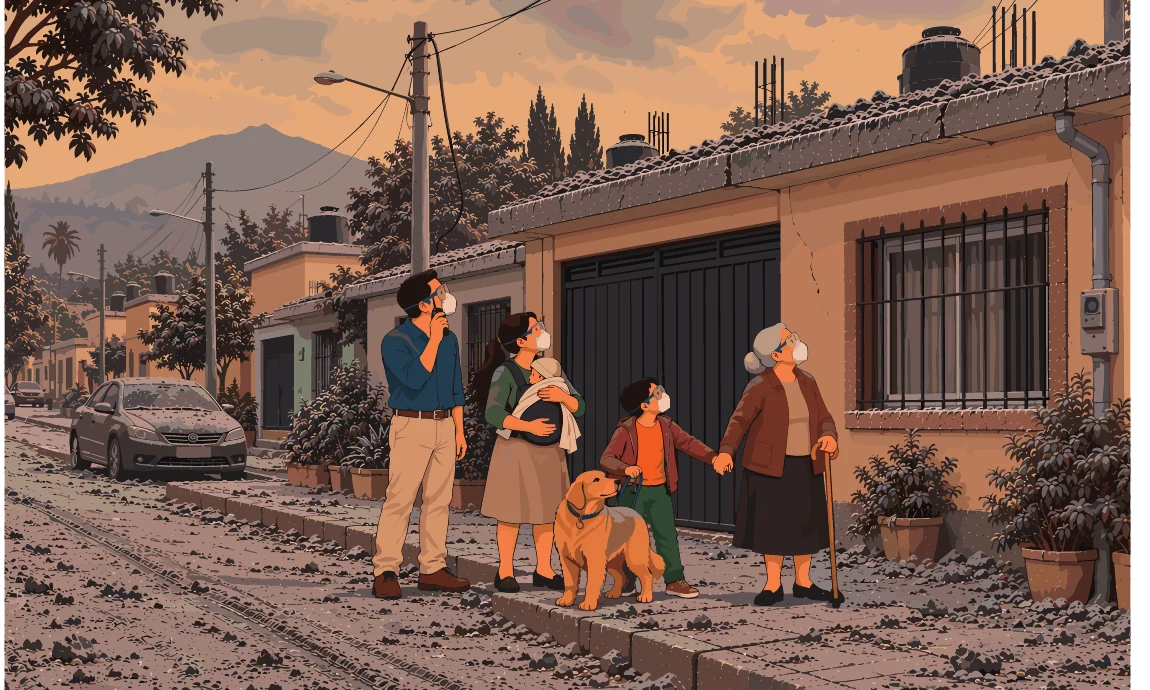
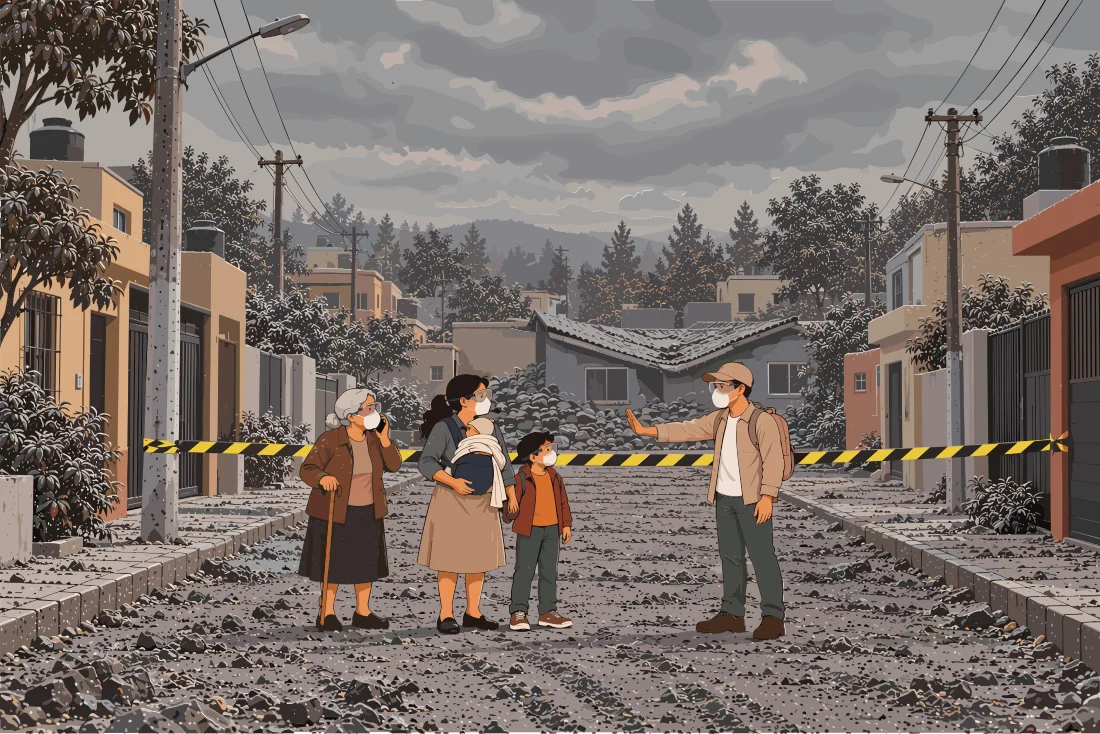
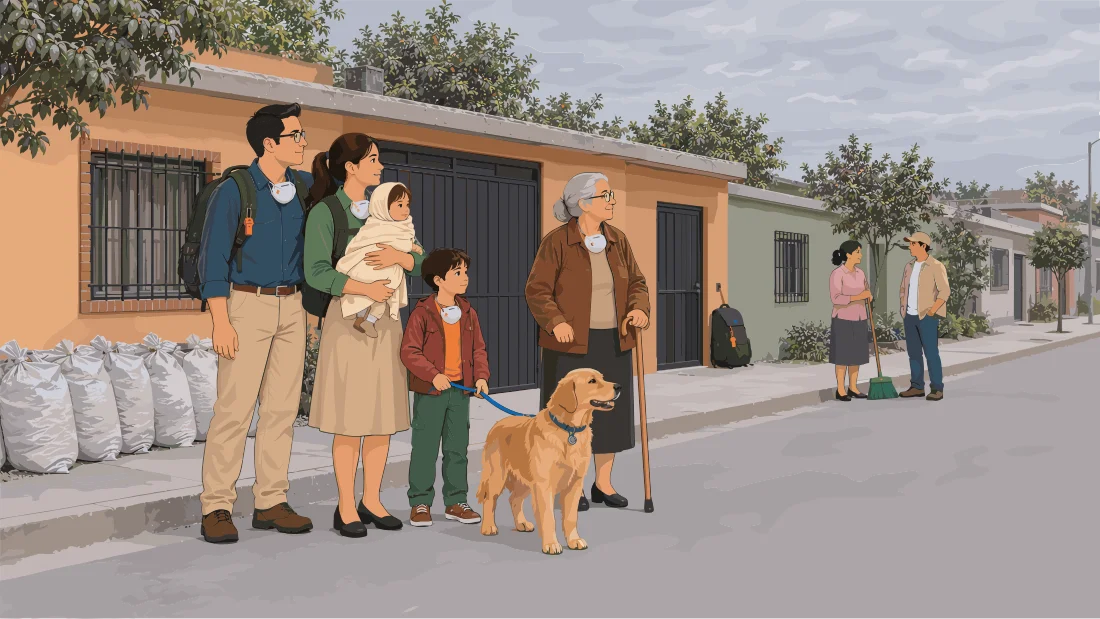
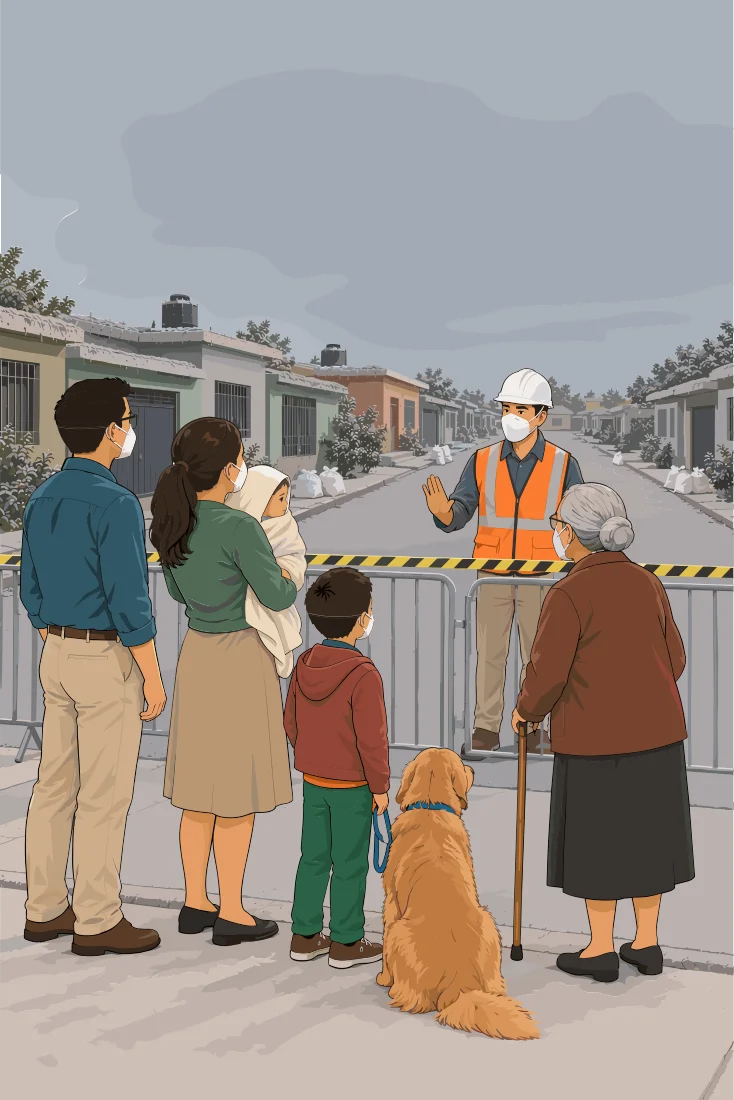
3.1DO NOT RETURN UNTIL THE AUTHORITIES AUTHORIZE IT
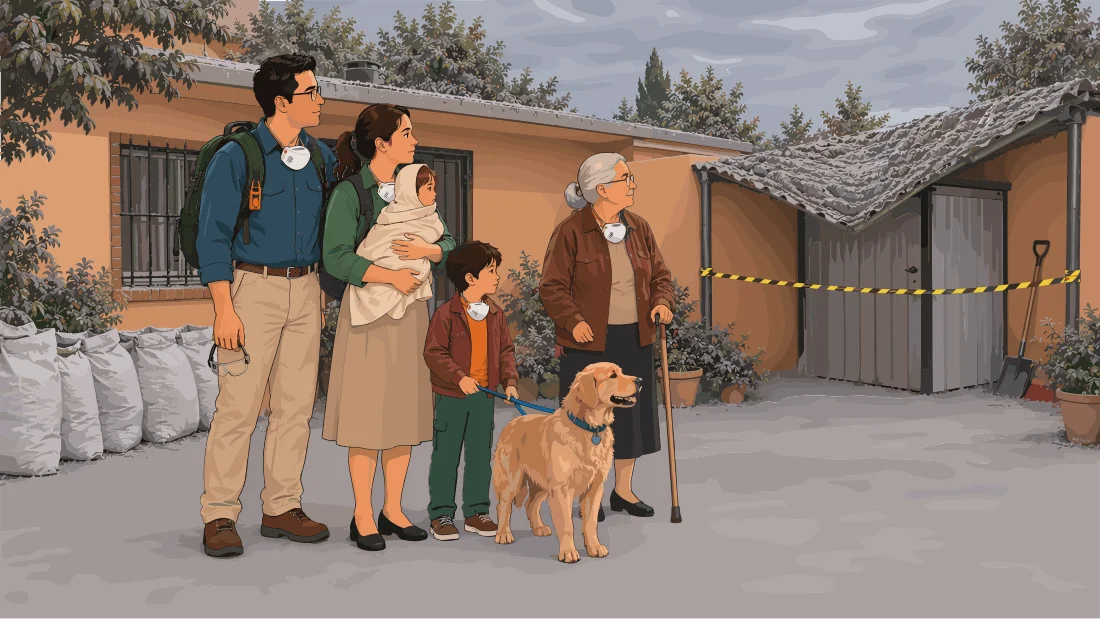
If the family or community was evacuated, do not return simply because:
- Ash has stopped falling
- explosions are no longer observed
- the eruption column has decreased
- other people have started to return
- it seems the volcano has calmed down again.
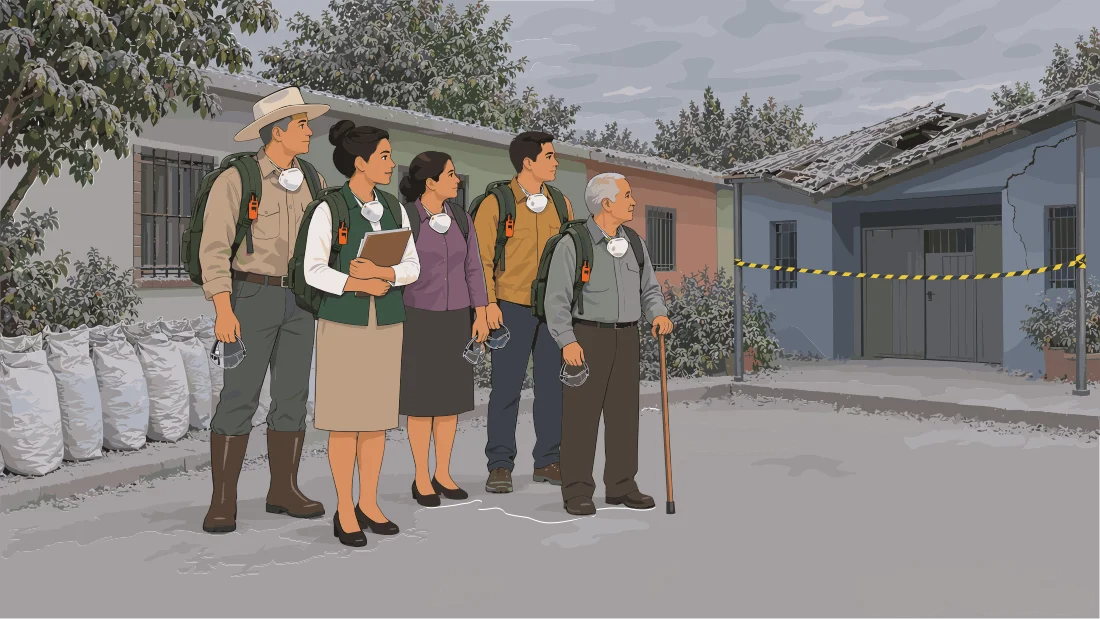
The return must take place once the competent authorities allow access to the area and in accordance with the conditions they establish.
It may be a conditional return in which it is still necessary to use respiratory protection, avoid certain areas, limit activities, or remain ready for another evacuation.
3.2STAY INFORMED
After an eruption, continue paying attention to communications through the official channels.
Pay particular attention to information about:
- New explosions
- changes in the alert level
- additional ashfall
- lahars
- heavy rain
- air quality
- water contamination
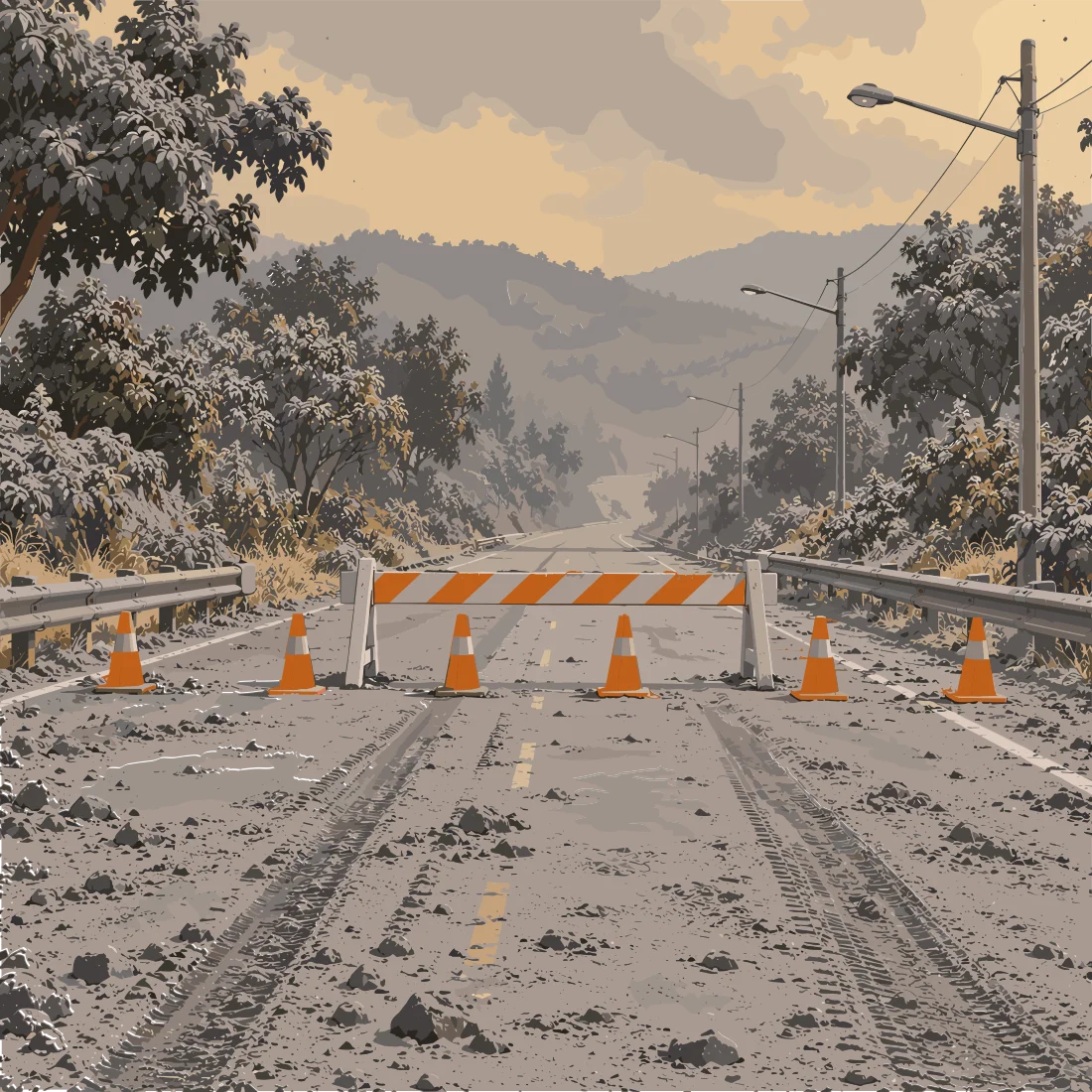
- closed roads
- restricted zones
- service interruptions
- conditions for returning
- procedures for disposing of ash and other debris.
3.3KEEP IN MIND THE DANGER OF NEW ERUPTIVE EPISODES
An eruption can unfold in different pulses separated by periods of relative calm.
After a first eruptive phase, the following may occur:
- New explosions
- new ash emissions
- increased gas
- new flows
- falling volcanic material
- sudden changes in activity.
For this reason, emergency supplies should not be dismantled immediately; every family and every community must keep the capacity to evacuate again.
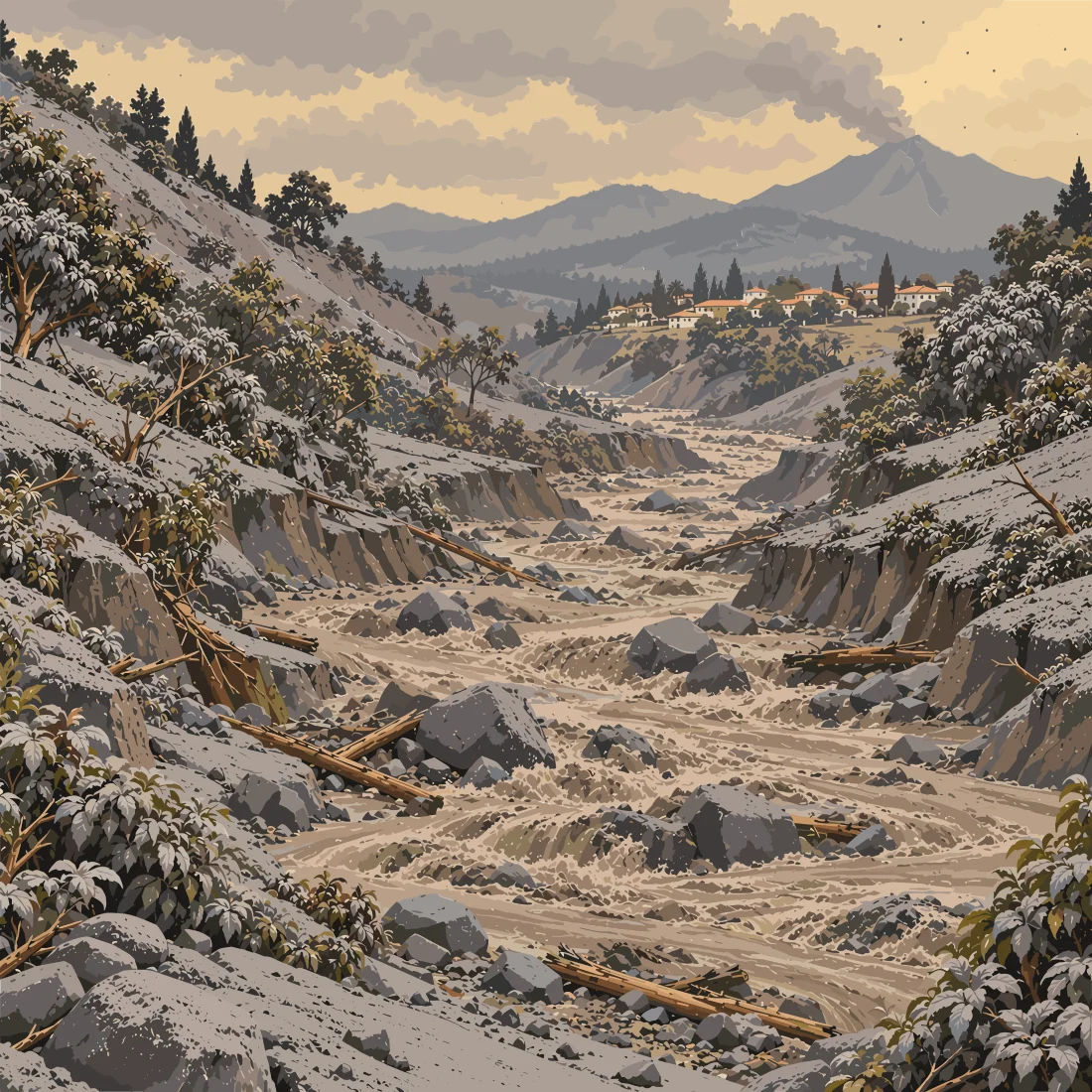
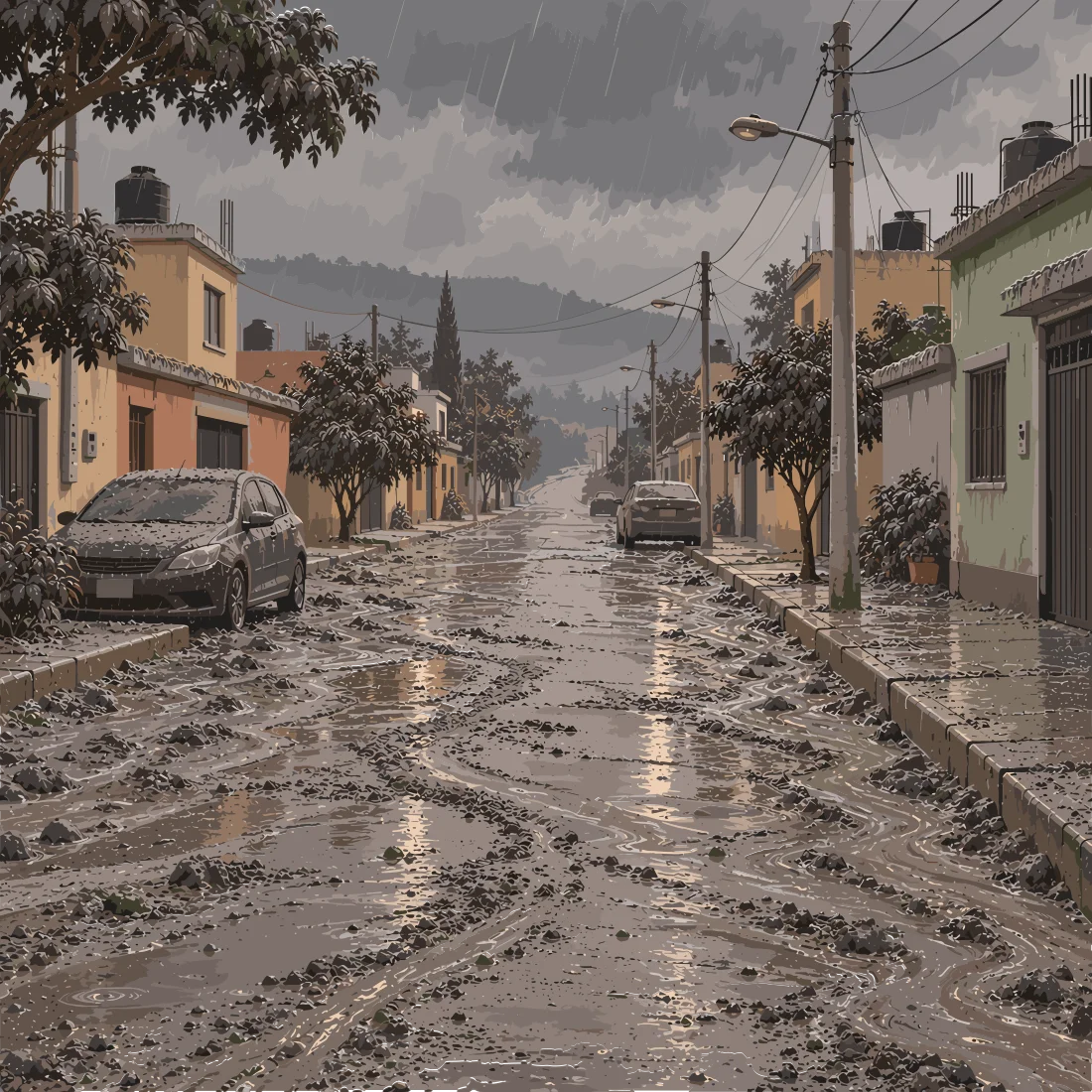
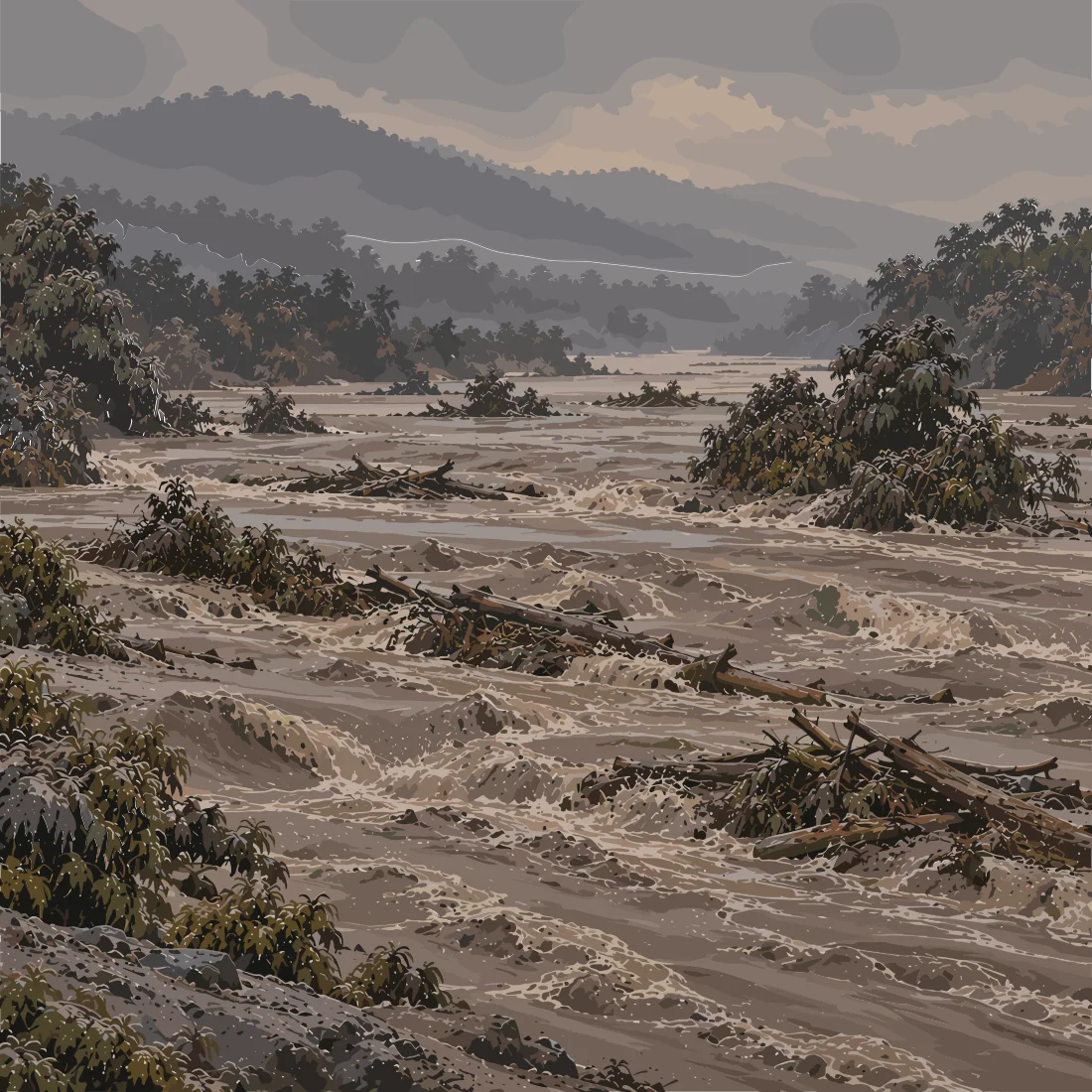
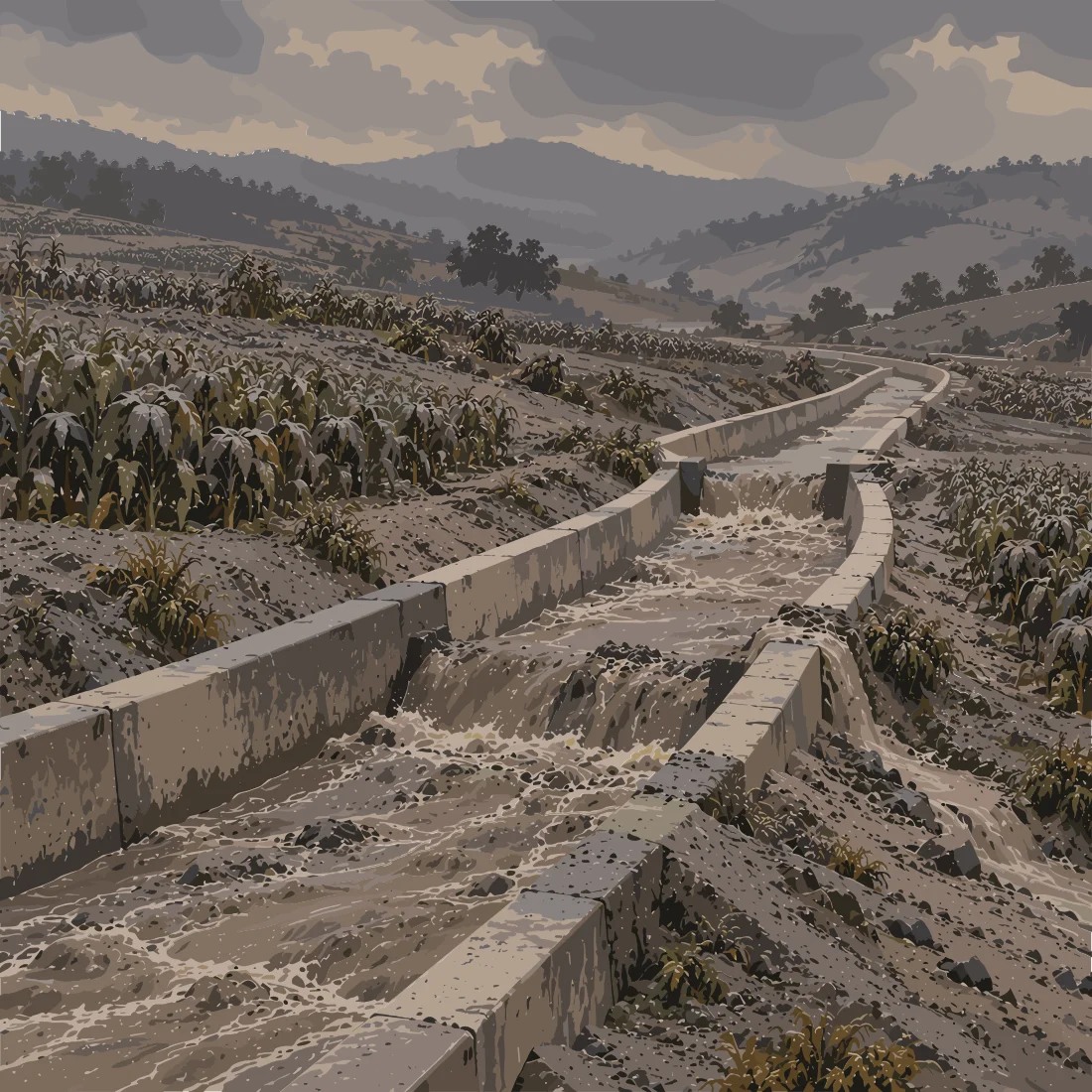
3.4LAHARS CAN REMAIN A HAZARD
One of the most significant risks after an eruption is lahars.
Large amounts of ash and other volcanic material can remain deposited on slopes and later be mobilized by:
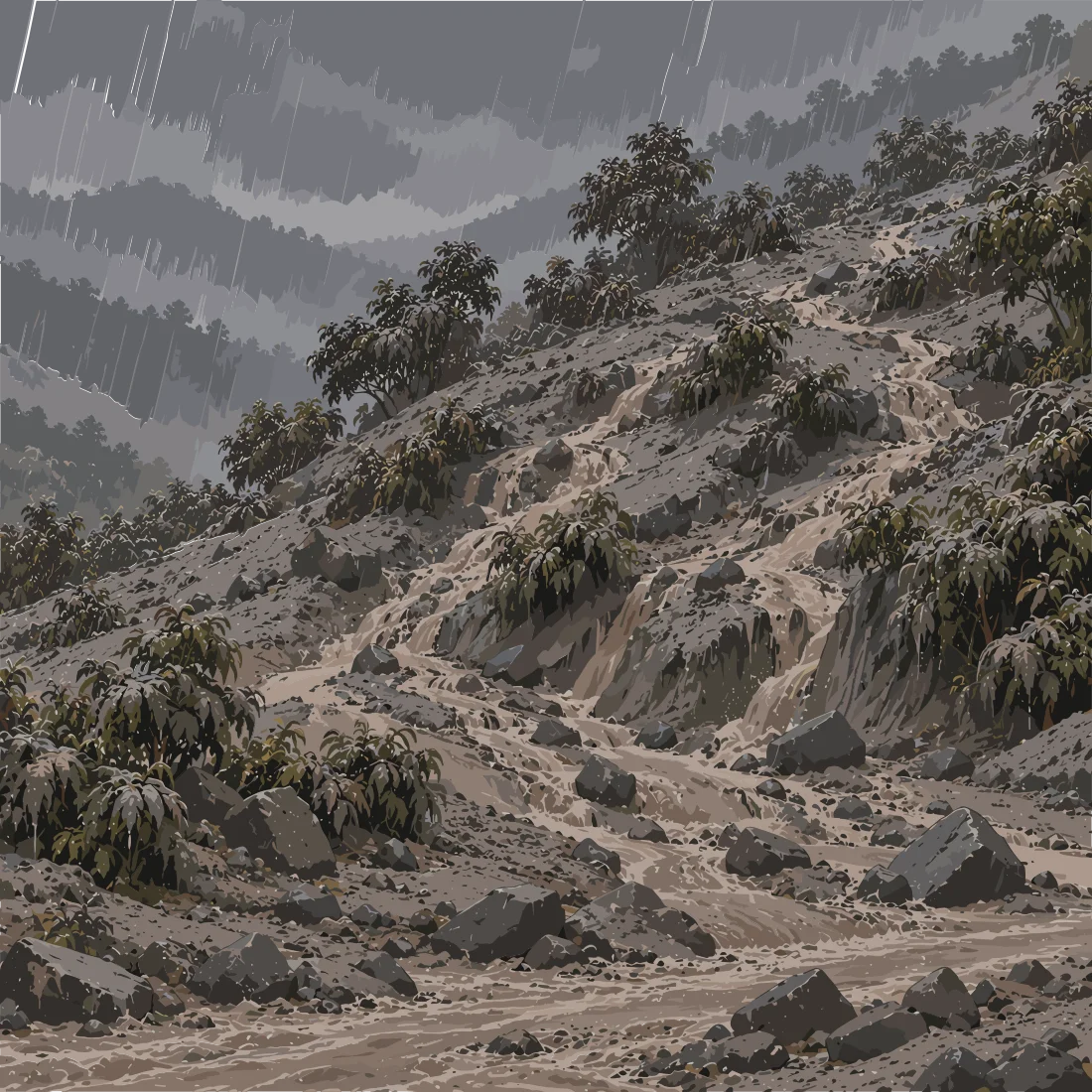
Rain
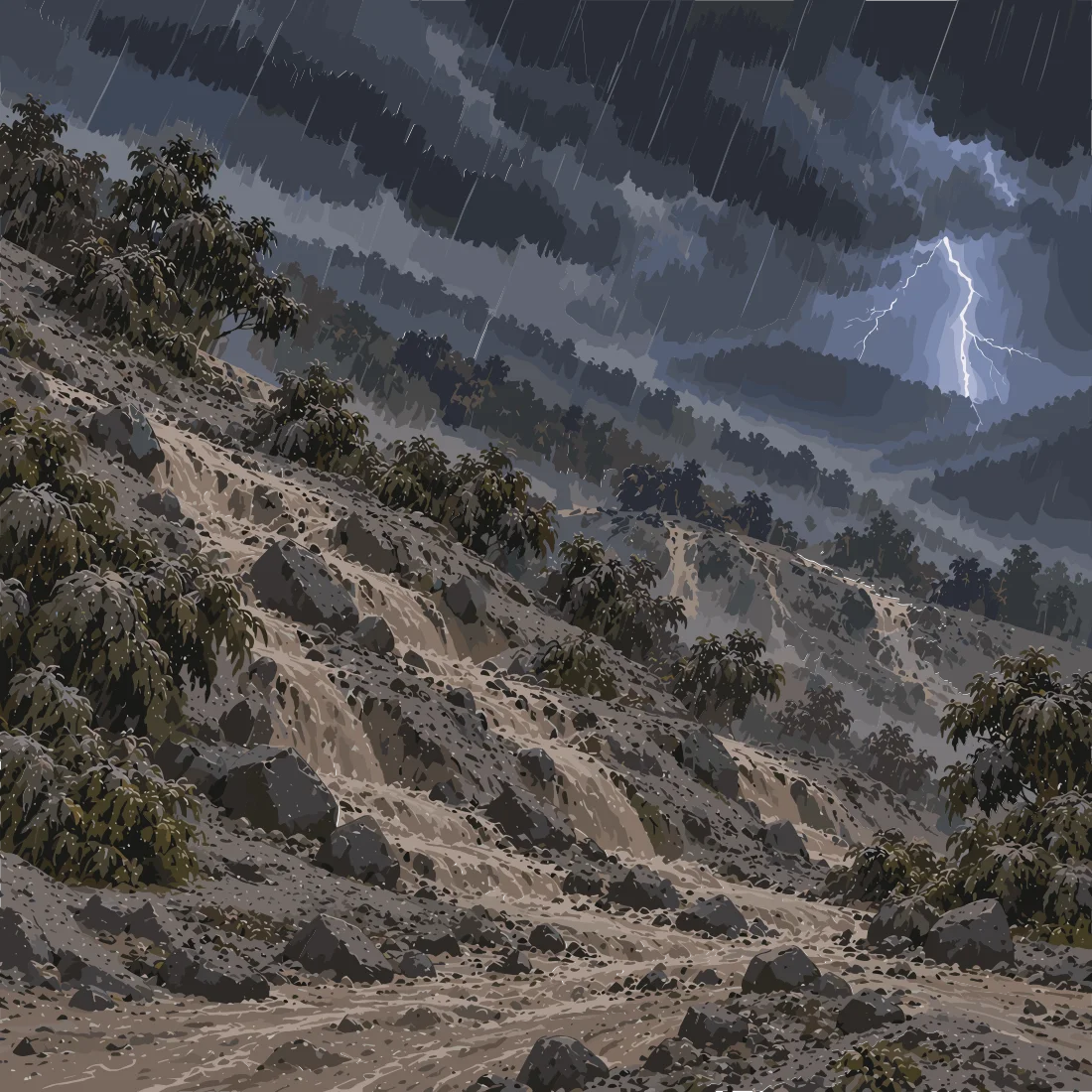
storms
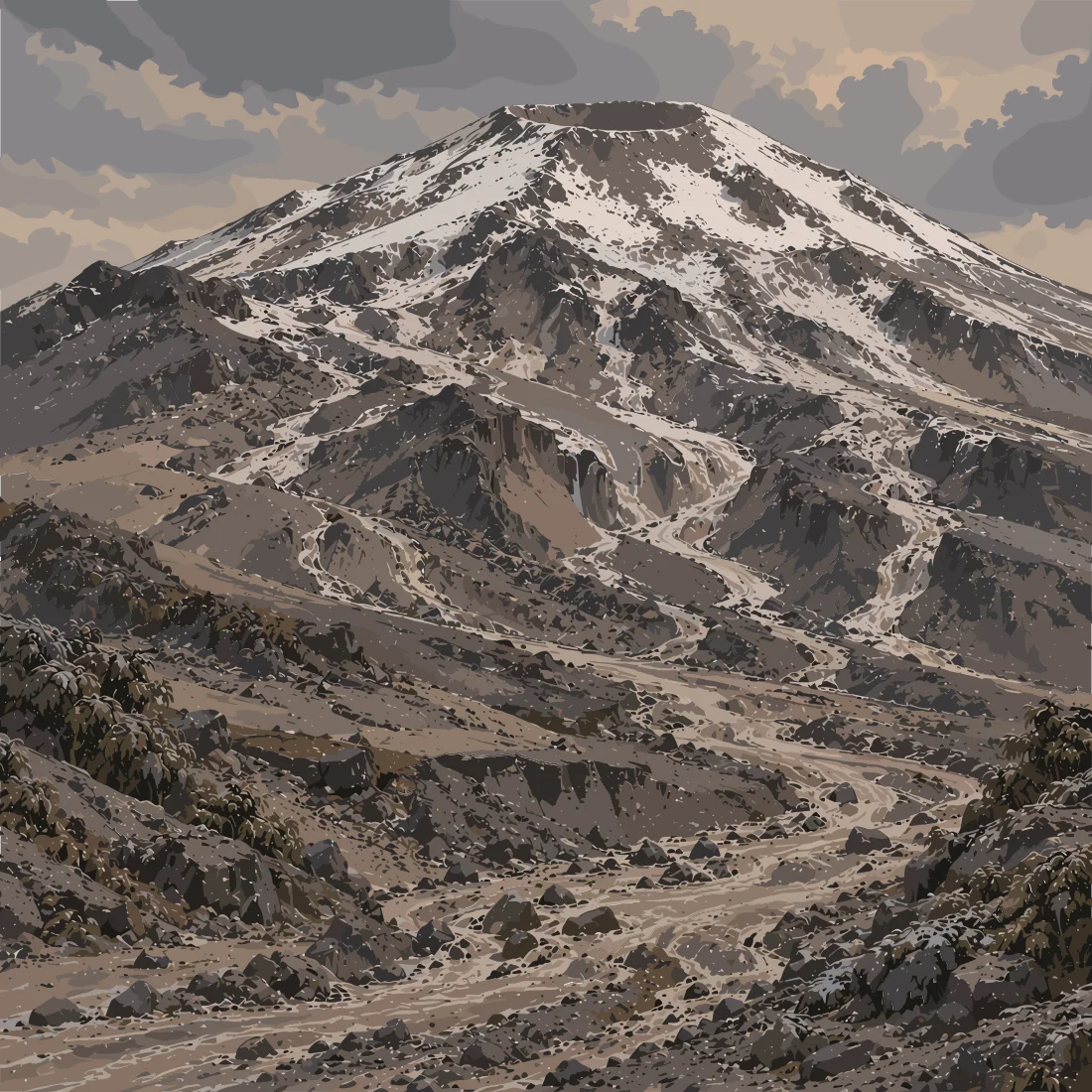
melting snow or ice
overflow
other water sources.
If the authorities issue a lahar warning:
- Move away immediately from the threatened areas
- avoid channels
- avoid ravines and gullies
- avoid valleys identified as dangerous
- use the official routes
- head for the established safe zones.
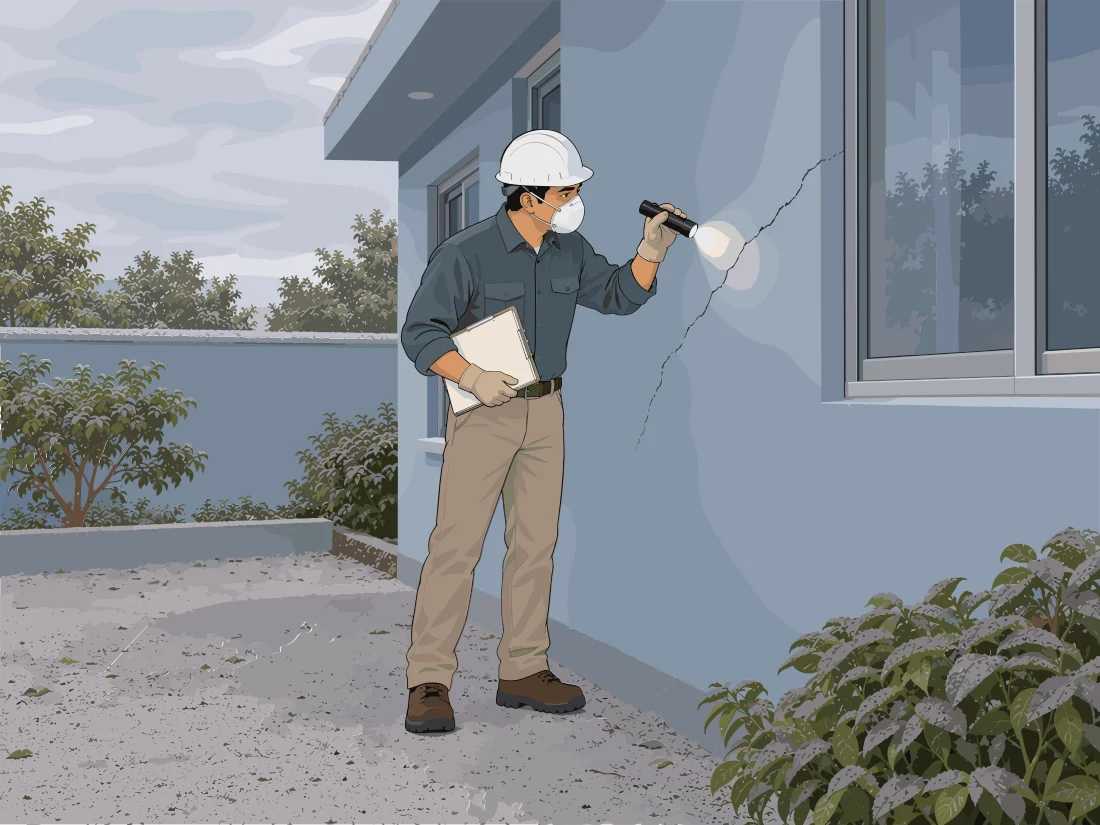
3.5BEFORE GOING BACK INTO A BUILDING
First observe the conditions from outside.
Do not go in if there are signs of:
- Partial collapse
- significant deformation
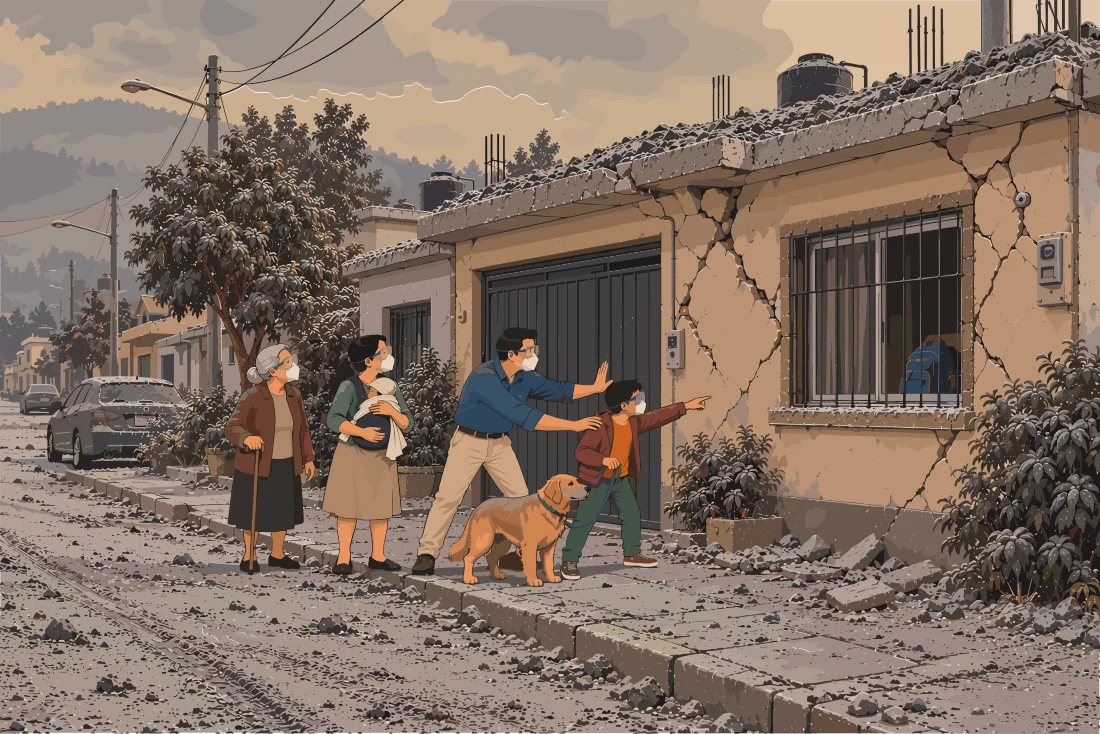
- structural cracks
- a sunken roof
- dangerous ash accumulation
- fire
- smoke
- a gas smell
- fallen electrical cables
- water in contact with electrical installations
- spills of hazardous substances
- other serious damage.
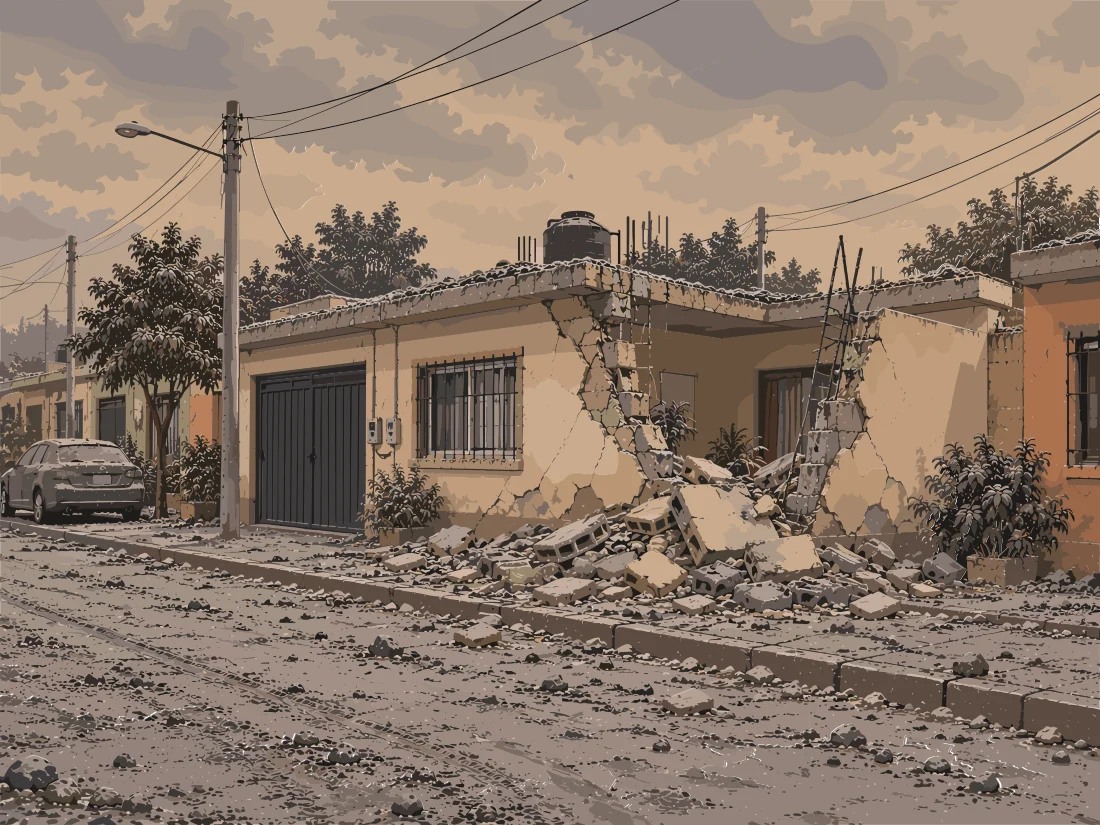
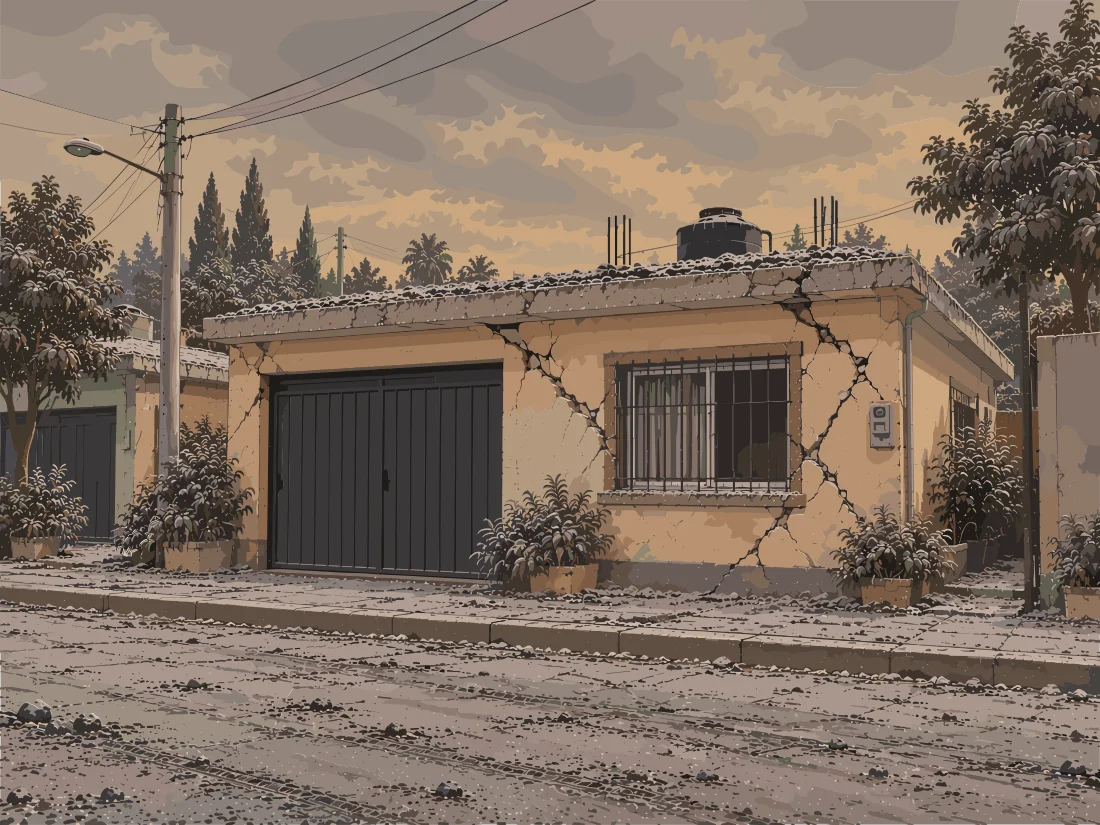
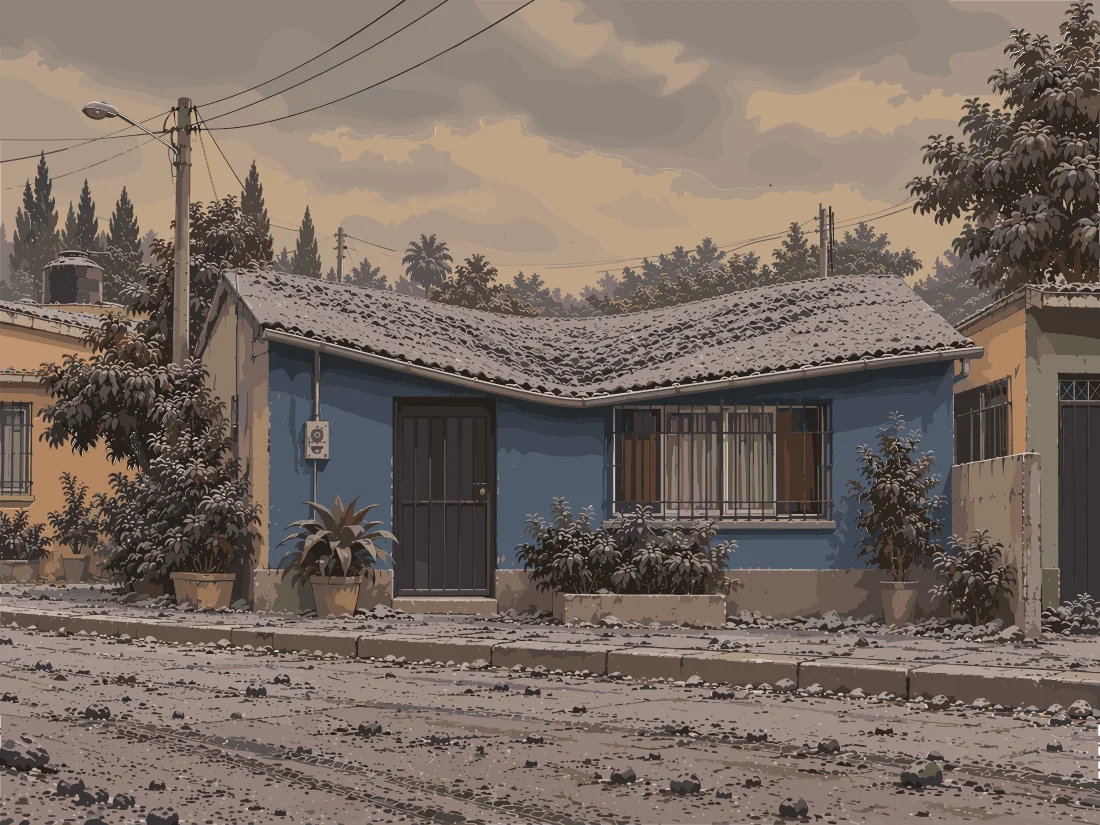
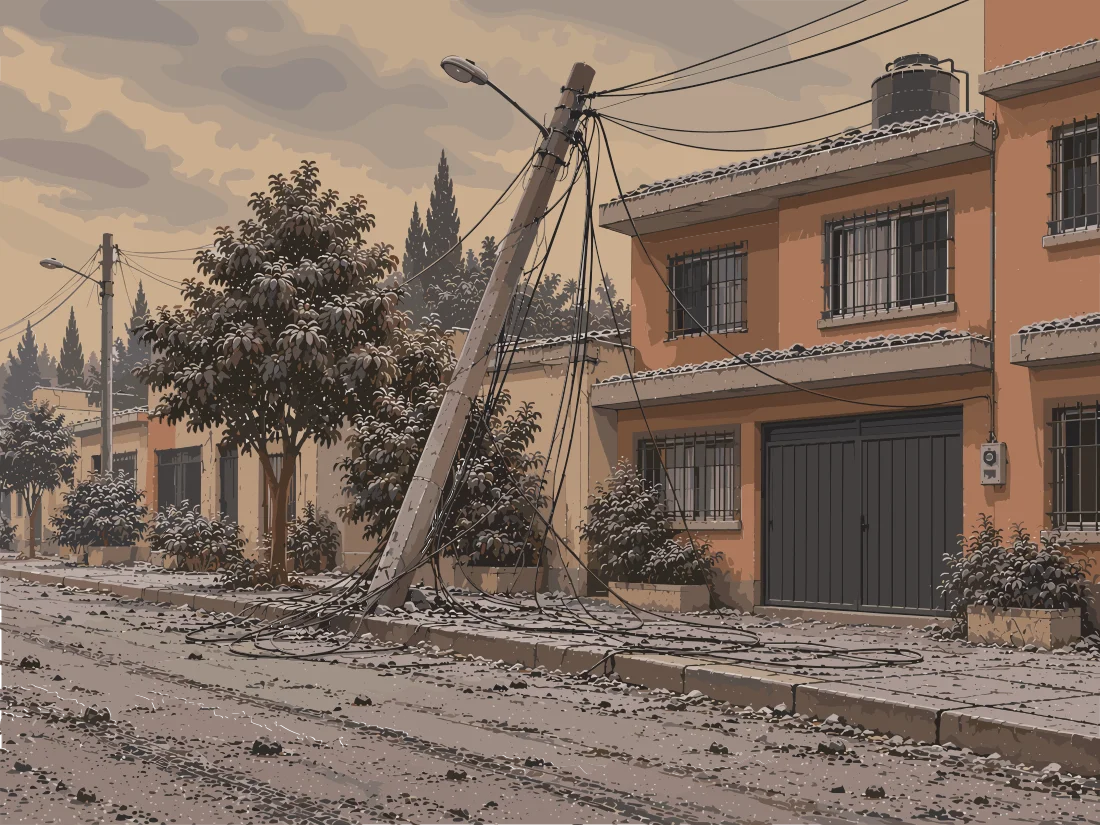
If there is doubt about the stability of the structure, it must be assessed by competent personnel before normal occupancy is allowed.
3.6DO NOT ENTER UNSTABLE STRUCTURES
A building that remained standing during the eruption is not necessarily still safe.
The structure may have been weakened by a combination of:
- Seismic movements
- ash accumulation
- moisture
- impacts
- fires
- previous damage.
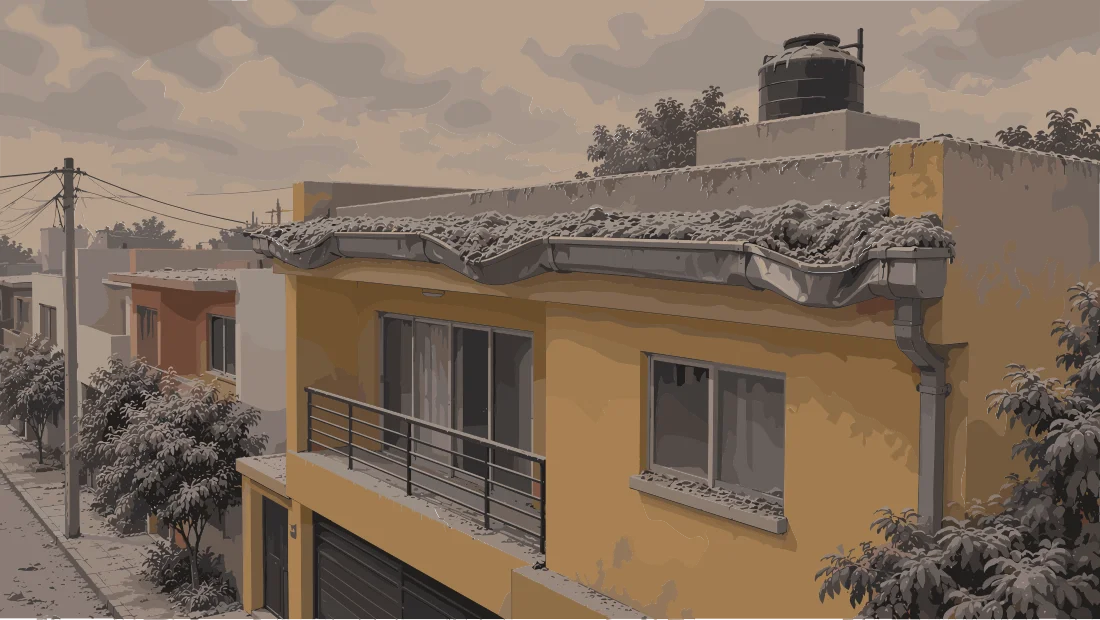
3.7CHECK ROOFS WITH EXTRA CAUTION
Accumulated ash increases the load on roofs and can become a structural problem, especially once it gets wet.
From a safe location, check whether there is:
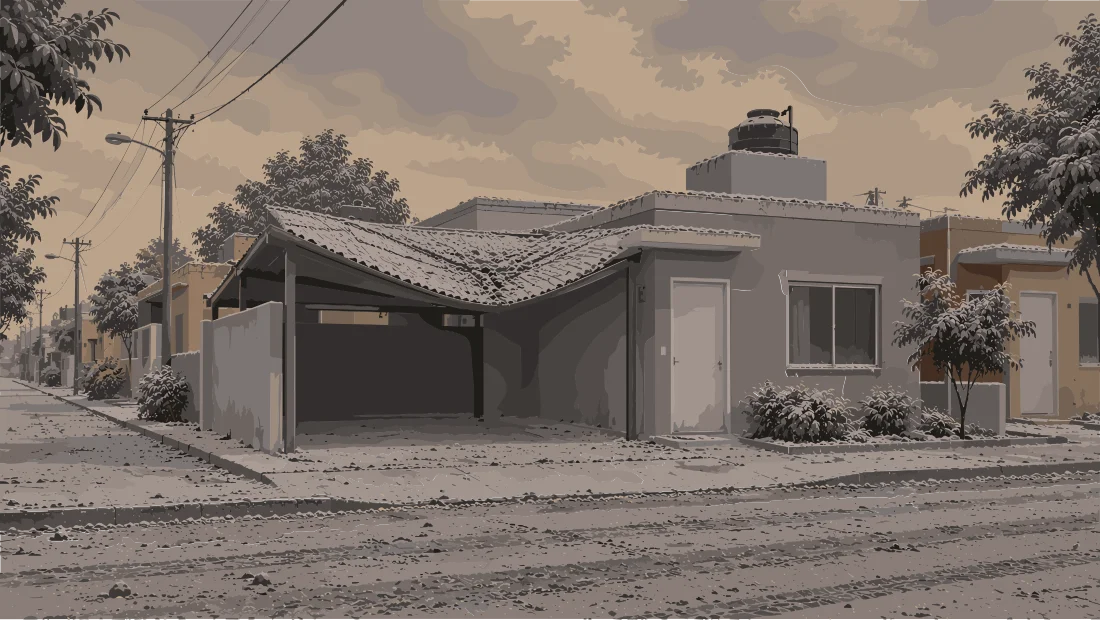
Sagging
deformation
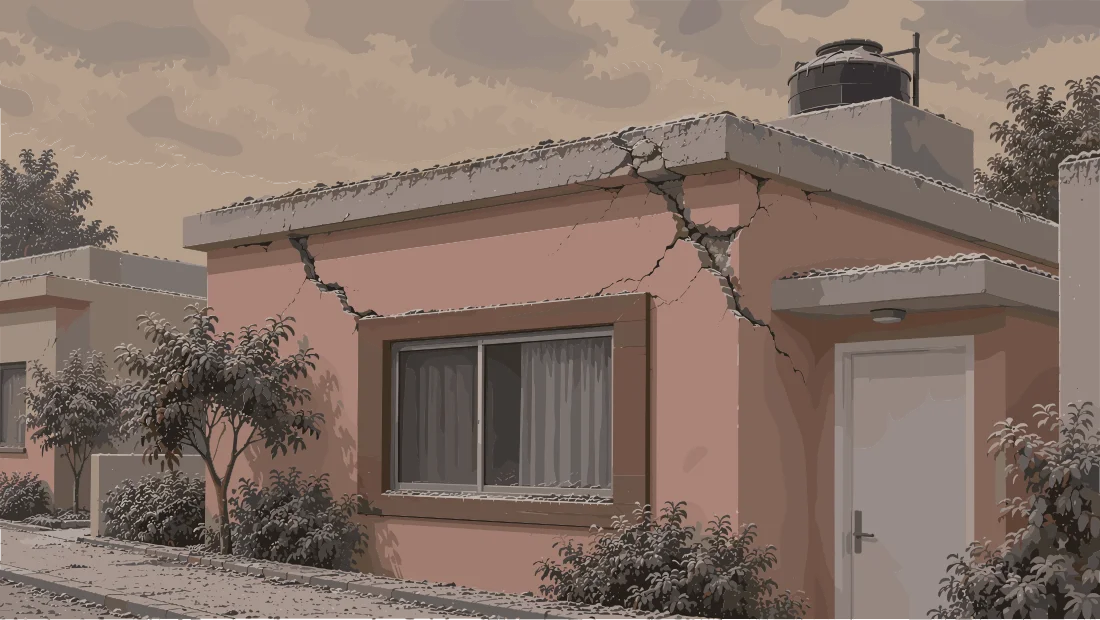
cracking
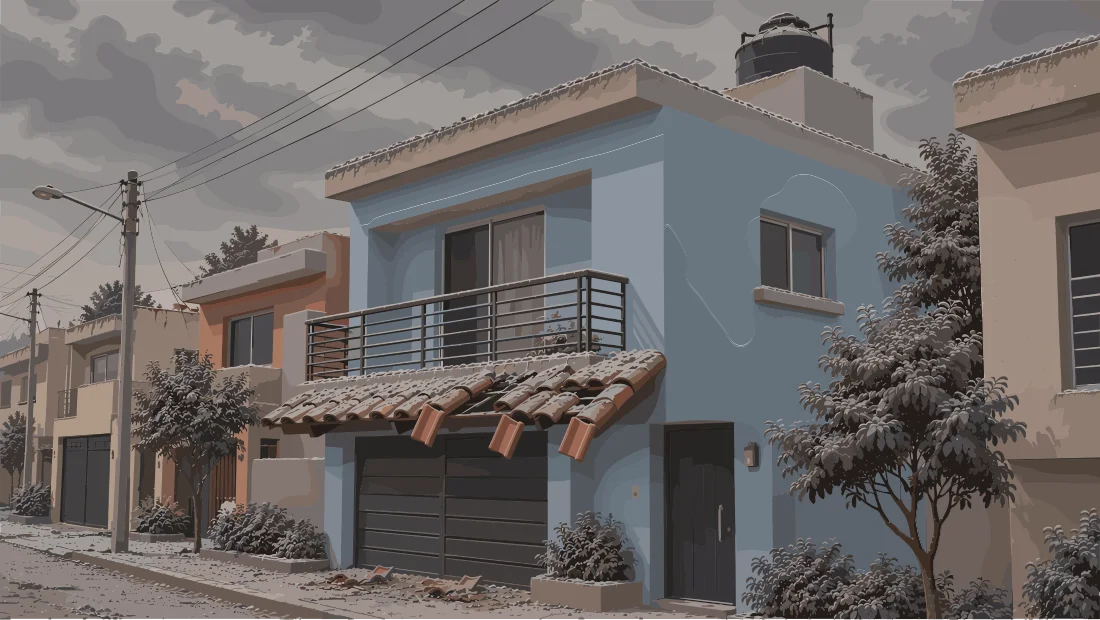
displacement
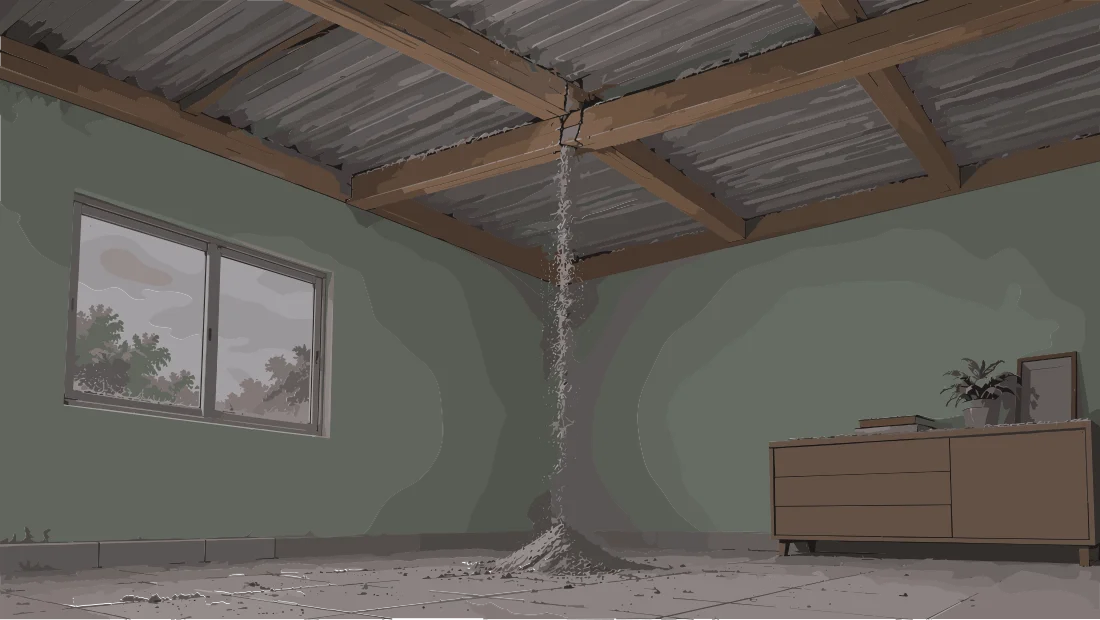
unusual sounds
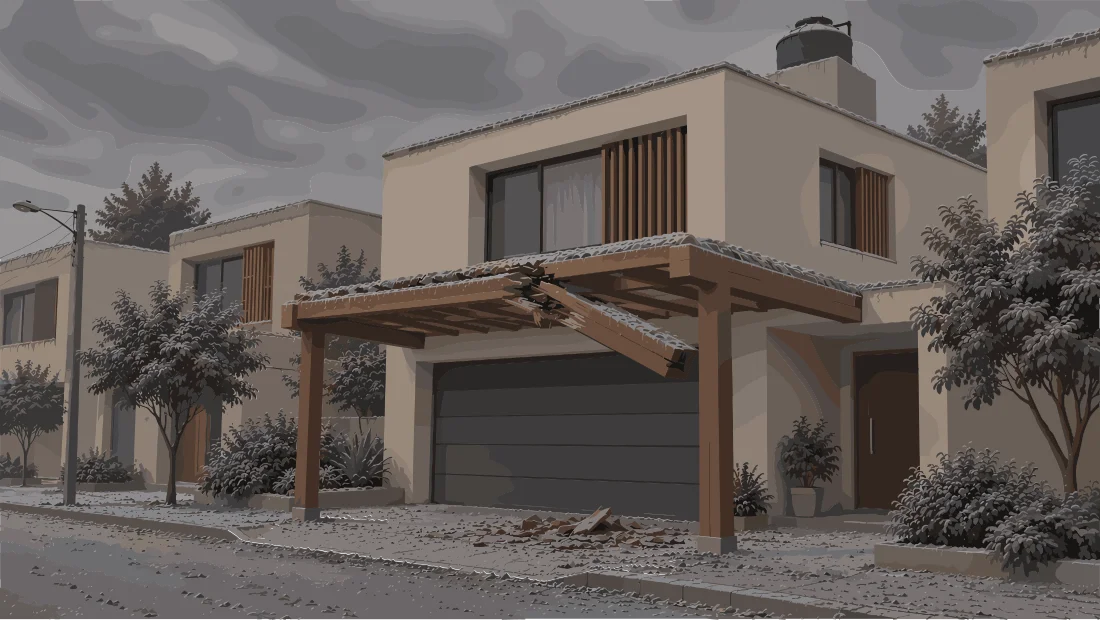
damage to beams
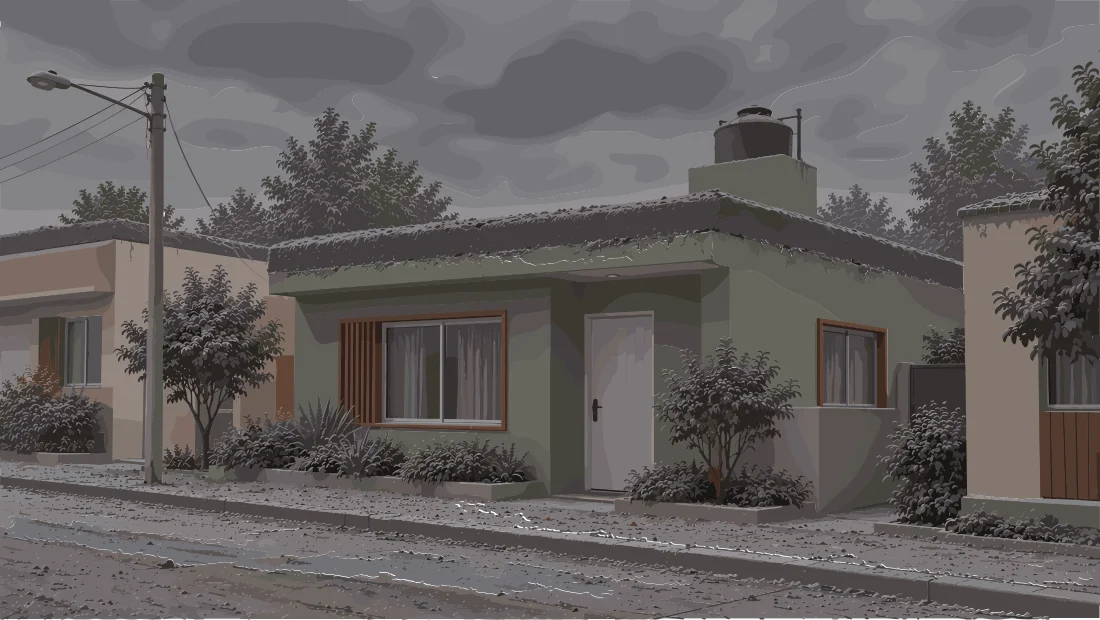
significant accumulation.
Capacity depends on numerous factors, including:
- Structural design
- material
- slope
- condition
- load distribution
- density of the ash
- moisture content.
3.8DO NOT AUTOMATICALLY GO ONTO THE ROOF TO REMOVE ASH
The need to reduce an ash load does not remove the risks of working at height. Removing ash from roofs must only be done when conditions are appropriate and safe procedures are followed.
Climbing onto a roof can carry a danger of:
- Falling
- slipping
- collapse
- exposure to ash
- contact with electrical installations
- falling objects.
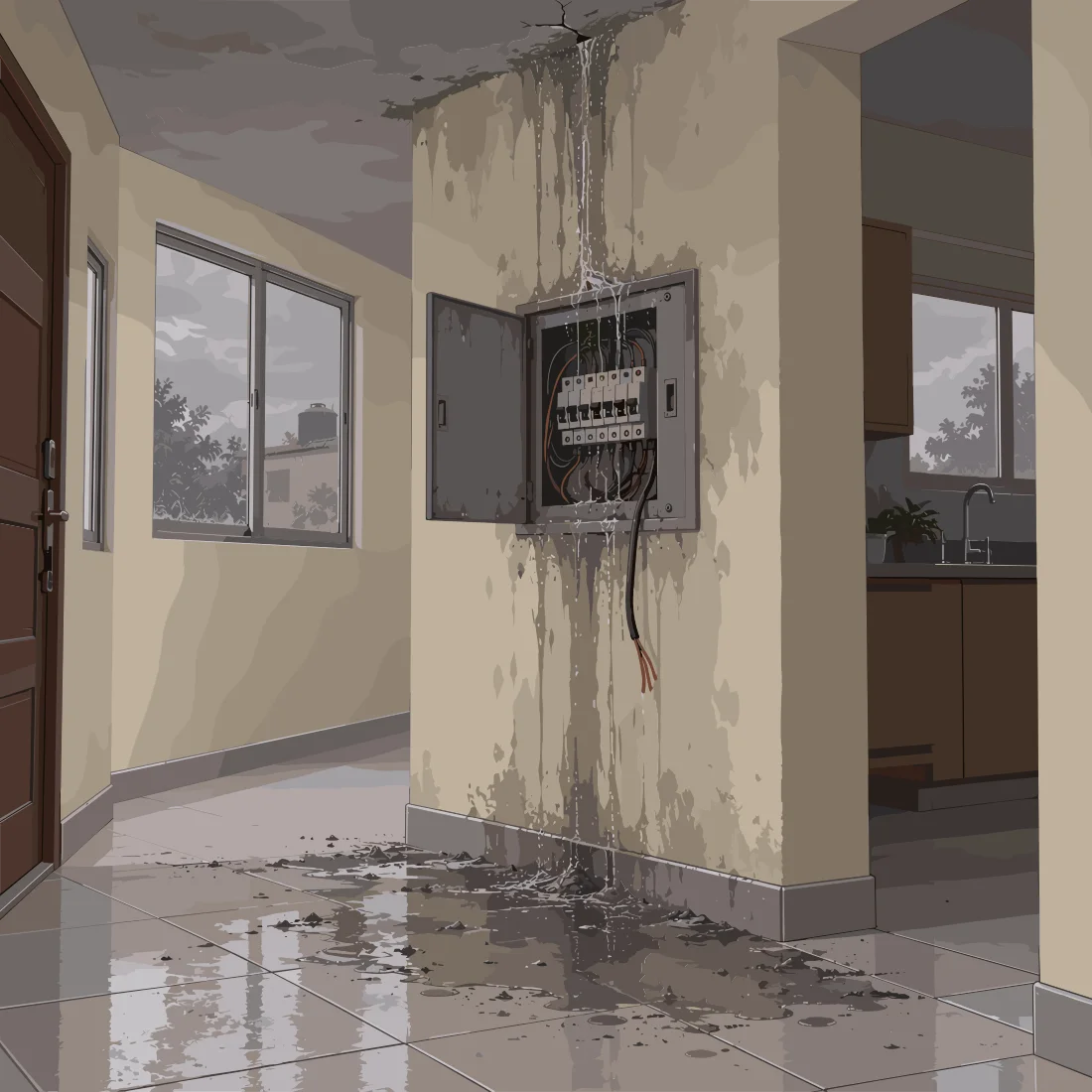
3.9CHECK ELECTRICITY, GAS AND OTHER SERVICES
Before restoring services that have been interrupted, make sure it is safe to do so.
ELECTRICITY
Do not touch:
- Fallen cables
- wet installations
- damaged panels
- affected electrical equipment
- items producing sparks.
GAS
If you smell gas or suspect a leak:
- Do not light any flame
- do not smoke
- do not operate electrical switches
- move away from the area
- contact the corresponding service from a safe location.
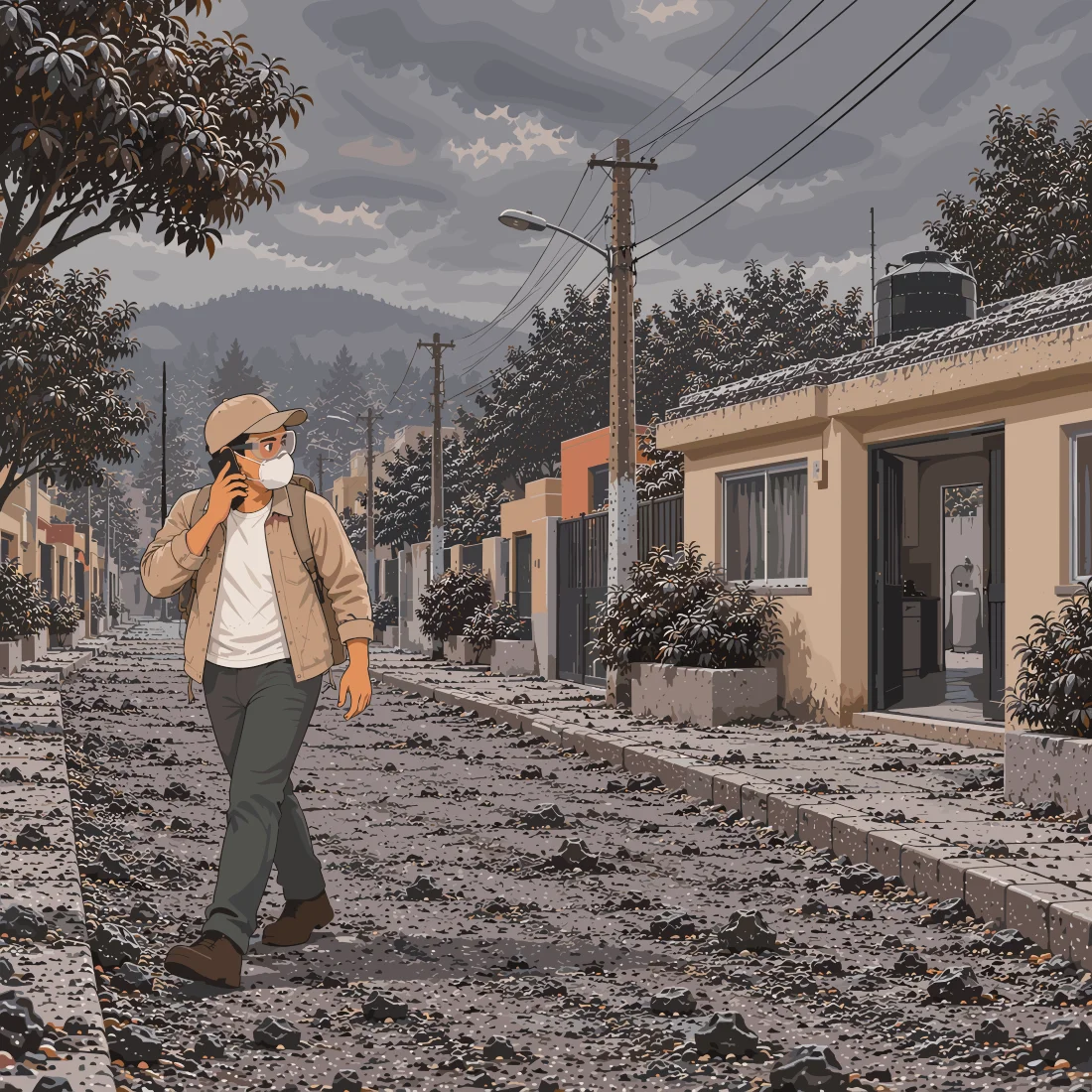
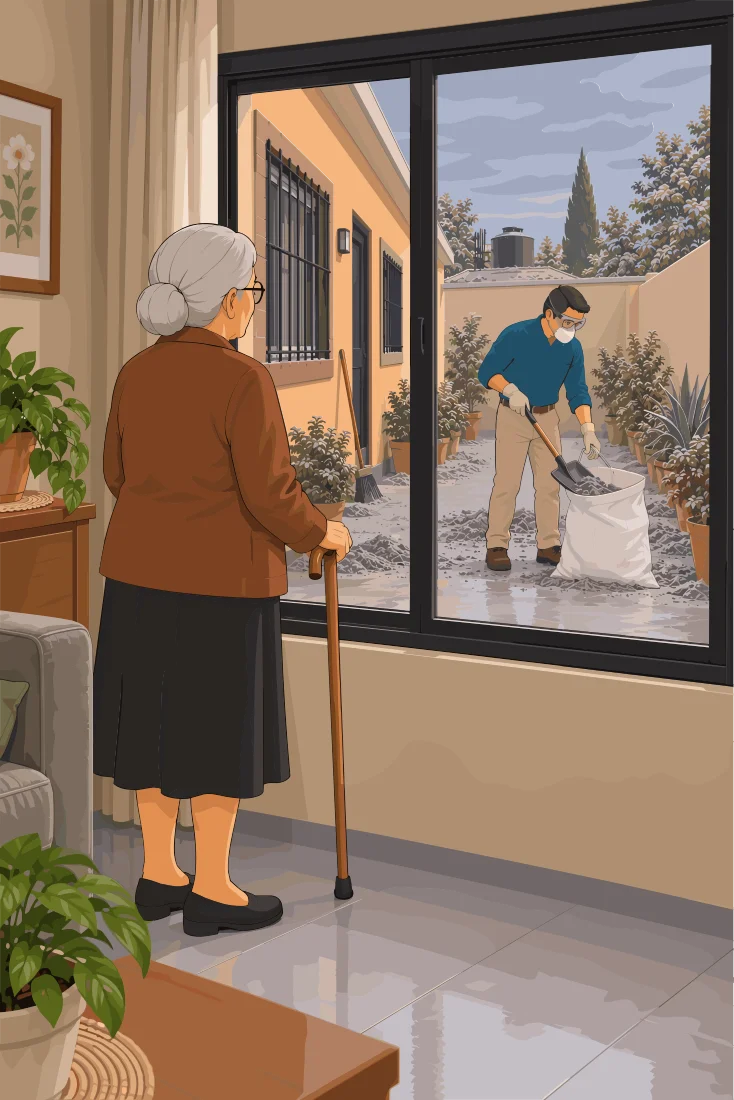
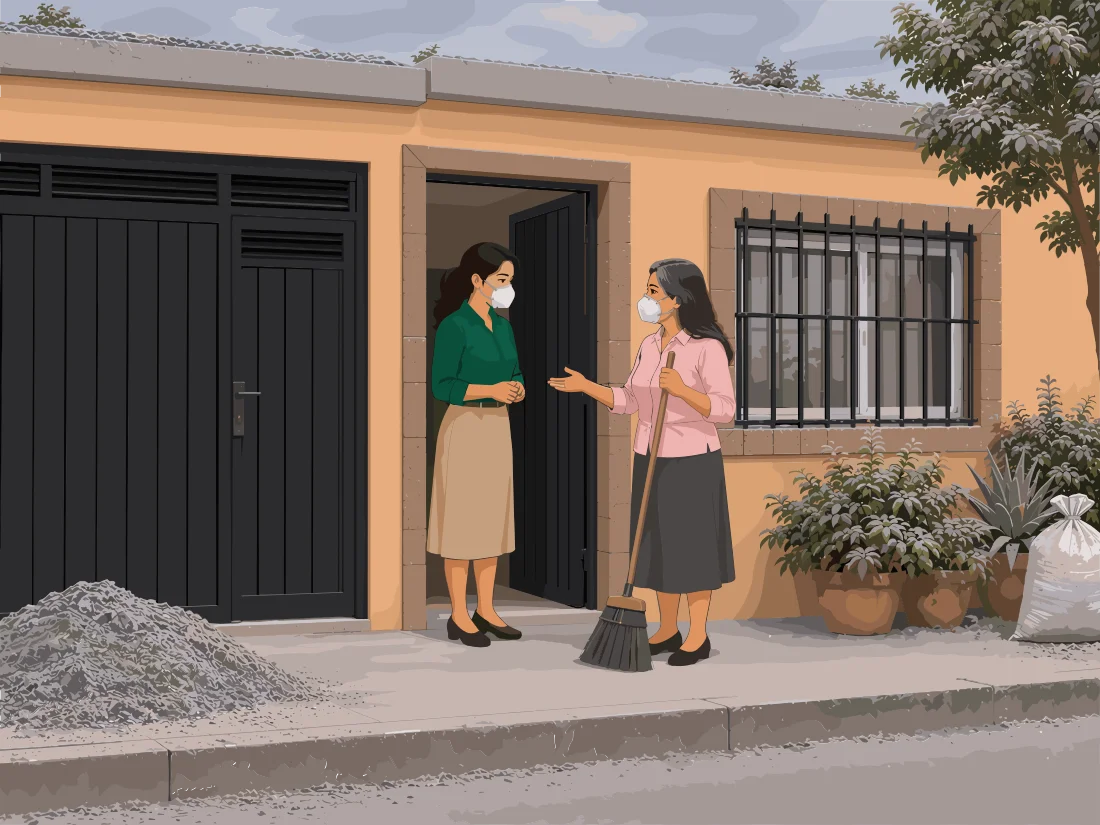
3.10PROTECT YOURSELF WHILE CLEANING UP ASH
Cleanup can resuspend particles that had already settled.
Anyone carrying out these tasks must reduce their exposure using:
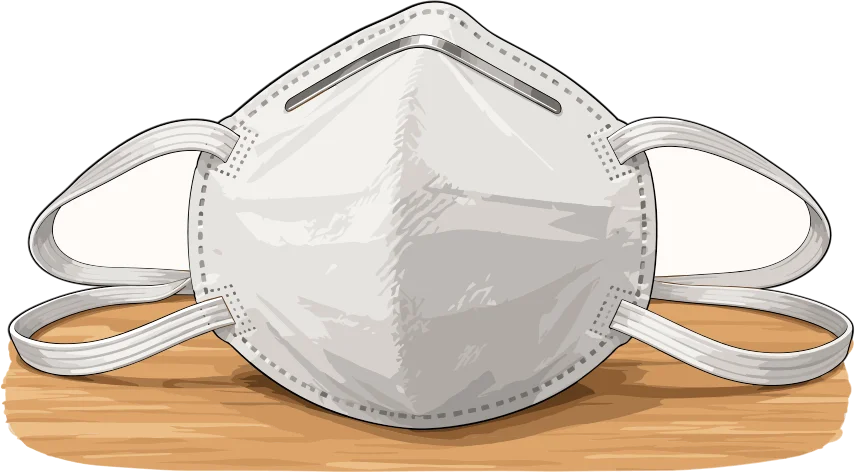
Respirator suitable for particles
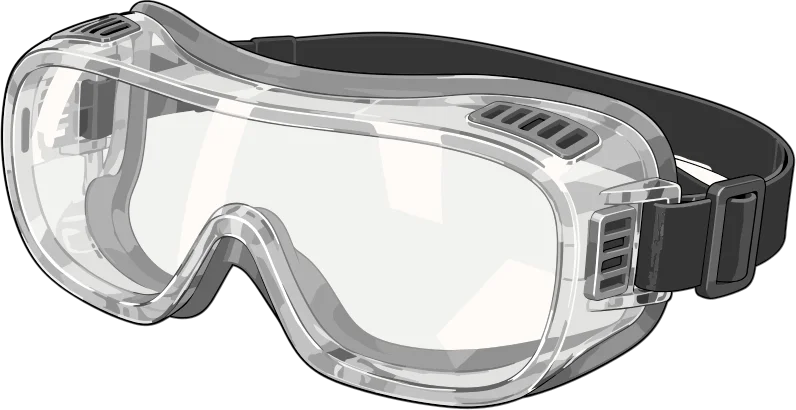
eye protection

clothing that covers the skin
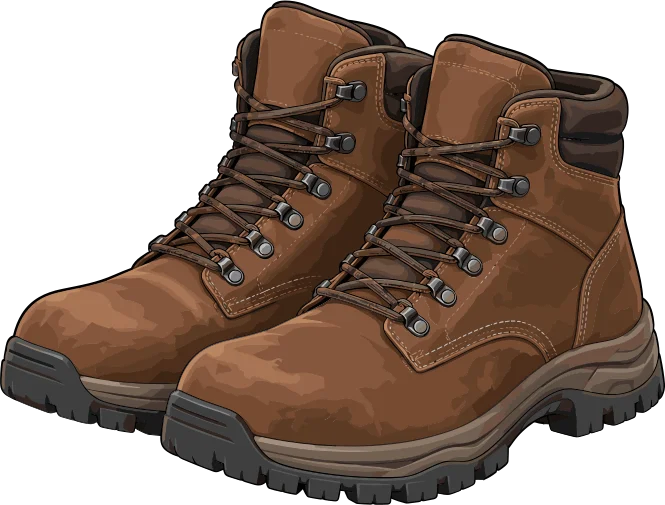
appropriate footwear
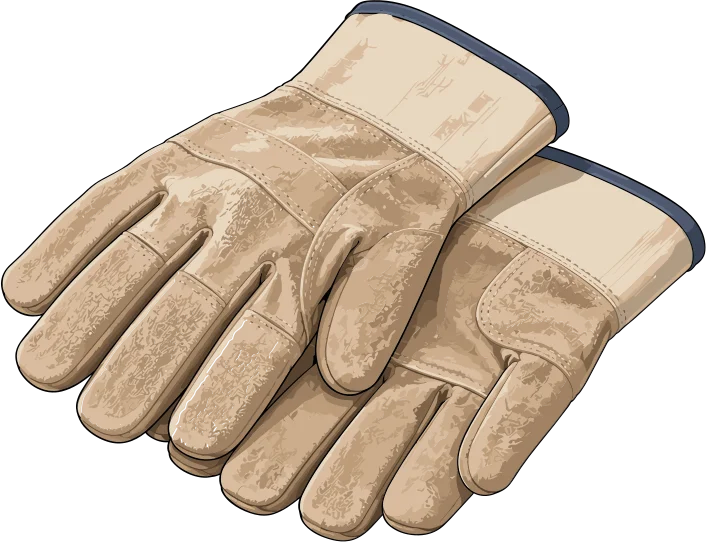
gloves (when the task requires them).
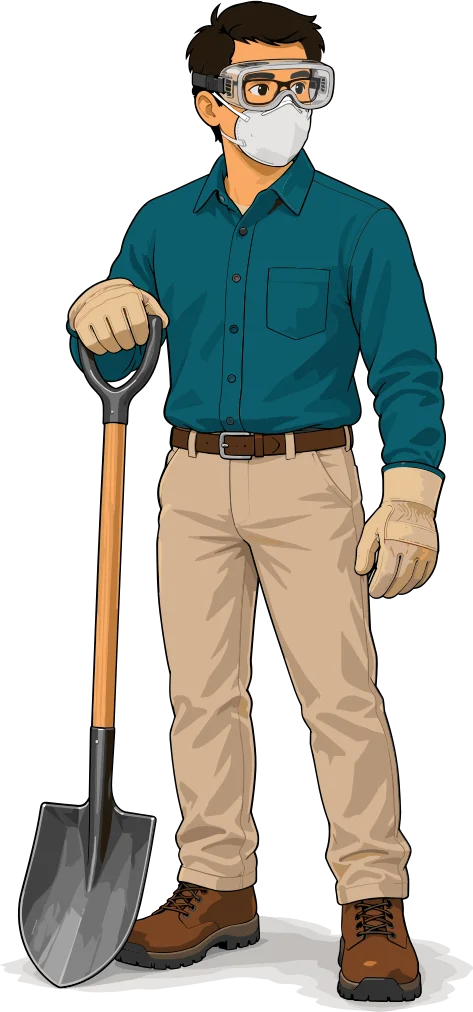
N95, P2, FFP2, or equivalent respirators can reduce the inhalation of particles when used and fitted correctly. Remember that these respirators do not protect against volcanic gases.
3.11GIVE SPECIAL PROTECTION TO VULNERABLE PEOPLE
During tasks that generate dust, people who are particularly sensitive to ash exposure should stay away whenever possible.
These include:
- People with asthma
- people with other respiratory illnesses
- people with certain cardiovascular illnesses
- children
- older adults
- other people whose condition could worsen from exposure.
This does not mean that every person with asthma must be completely excluded from all activity after an eruption.
The degree of restriction will depend on:
- Environmental conditions
- the intensity of exposure
- the task
- their health
- their medical professional’s guidance.
3.12CLEAN UP ASH WITHOUT STIRRING UP UNNECESSARY DUST
Deposited ash must be handled in a way that generates as little dust as possible.
When appropriate, it can be lightly dampened before sweeping or collecting it to reduce resuspension.
The key word is lightly.
Do not unnecessarily soak the ash or use large amounts of water.
Wet ash can:
- Increase considerably in weight
- increase the load on structures
- form deposits that are difficult to remove
- get into drainage systems.
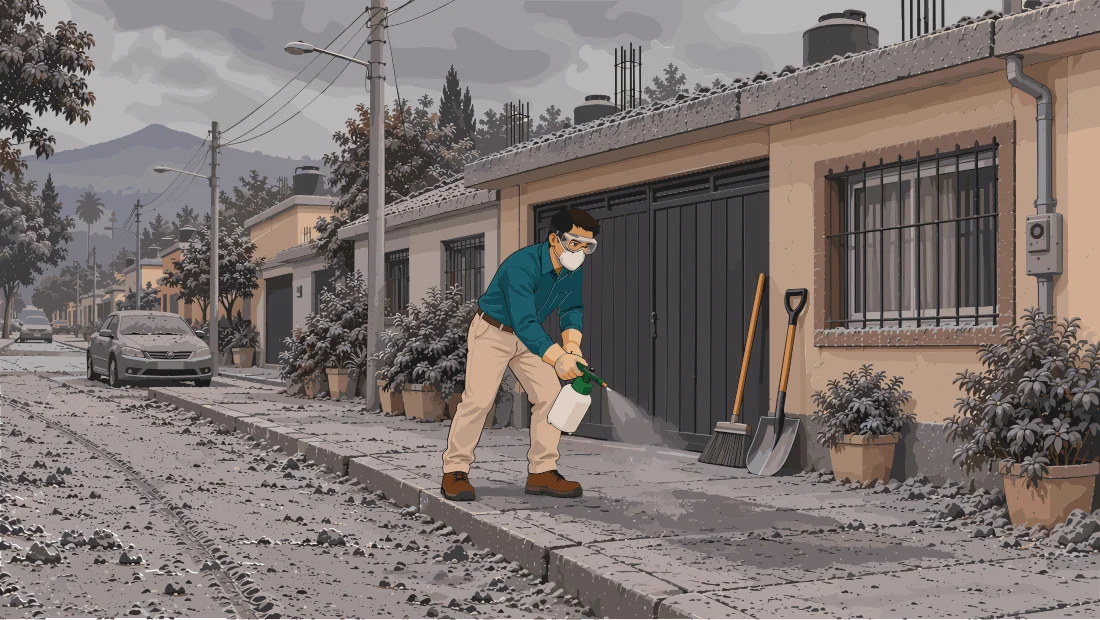
Avoid the indiscriminate use of hoses.
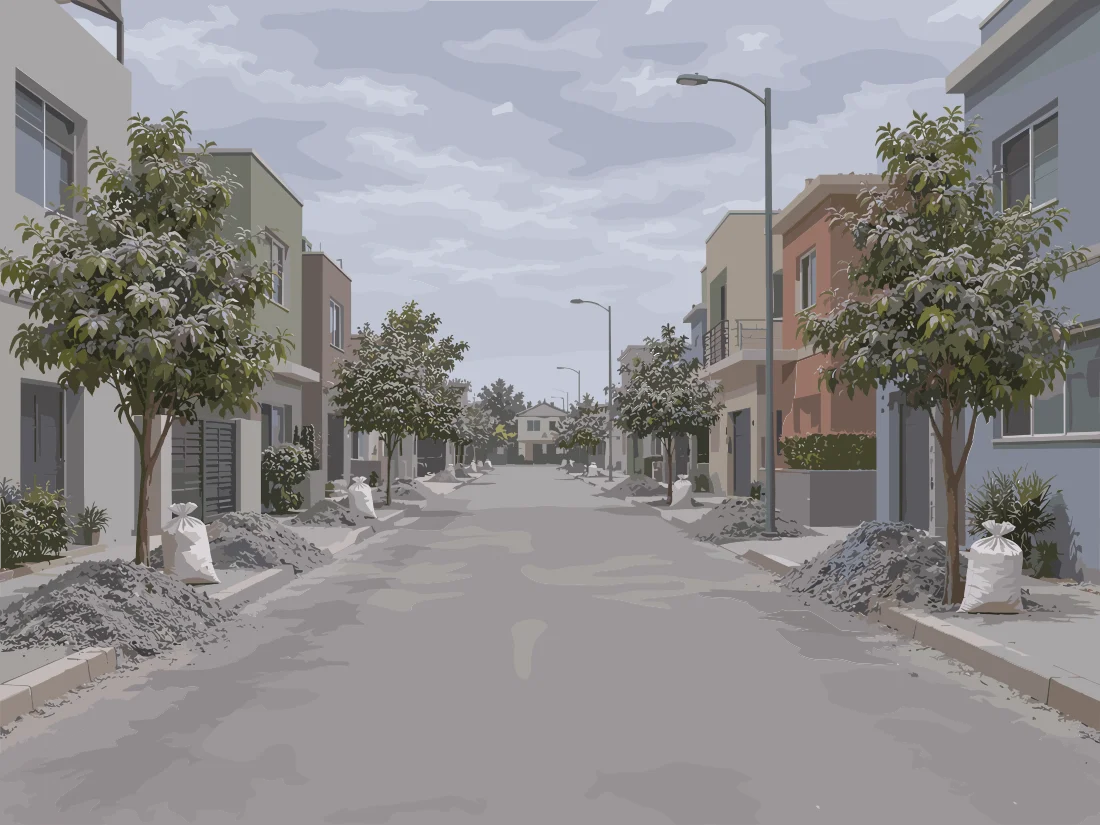
3.13DO NOT DUMP ASH INTO DRAINS AND SEWERS
Volcanic ash can block:
- Sewers
- drains
- pipes
- storm-water systems
- treatment systems.
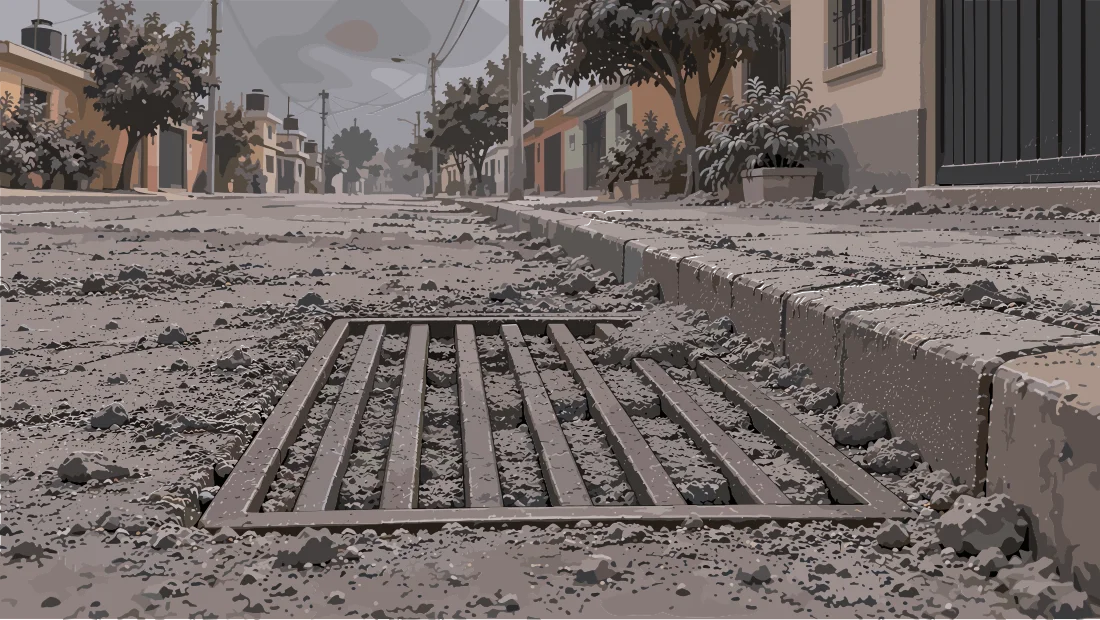
Do not deliberately sweep it toward these systems.
Ash must be collected and disposed of following the instructions of the local authorities.
These authorities may establish:
- Collection points
- deposit areas
- special procedures
- specific containers or methods.
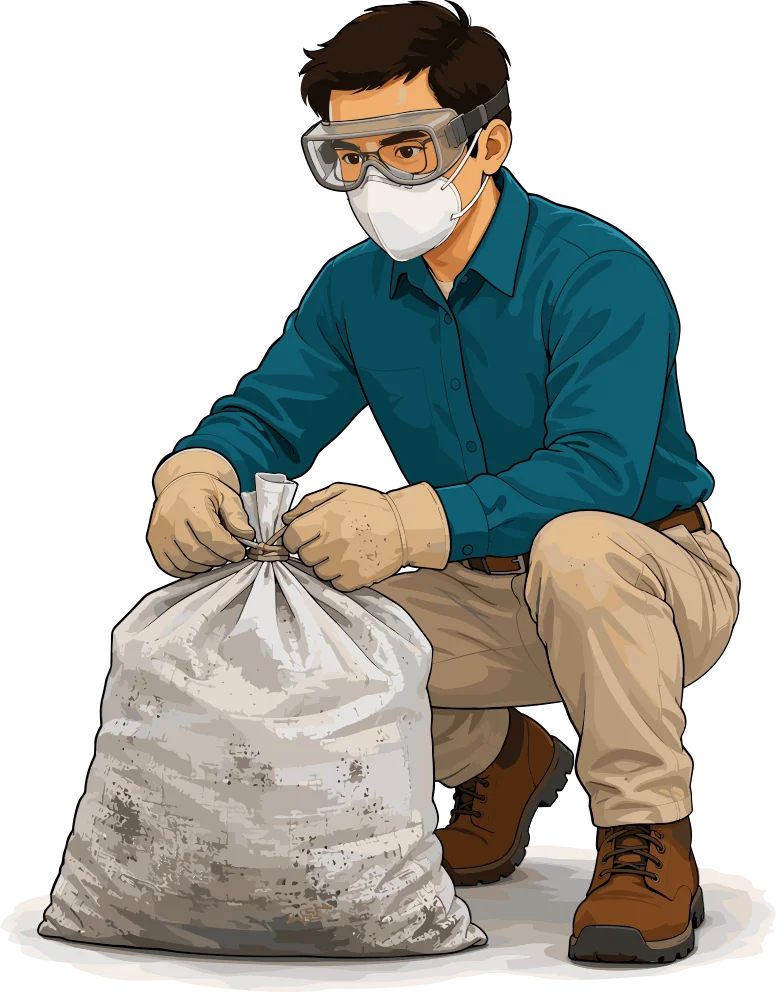
It must not be assumed that household trash bags are always the appropriate method, especially where large volumes are involved.
3.14ORGANIZE CLEANUP BY PRIORITY
Do not try to clean the entire home or all community spaces at the same time.
Give priority to:
- Necessary access points
- circulation areas
- areas essential for operations
- spaces used by vulnerable people
- critical equipment
- indoor spaces
- other spaces as needed.
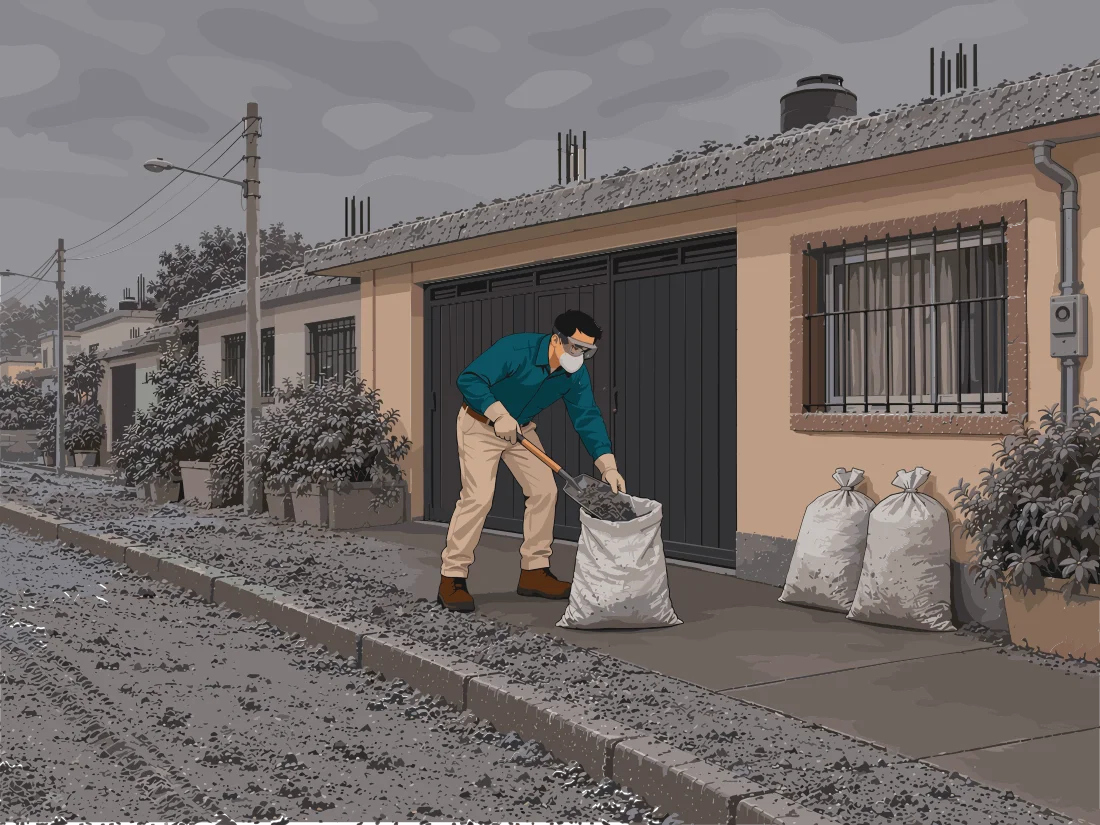
Avoid generating dust in areas that have already been cleaned.
3.15INDOOR CLEANING
To clean indoor surfaces:
- Use methods that reduce dust dispersal
- use damp cloths or equivalent methods when appropriate
- clean from upper areas down to lower ones
- avoid sweeping aggressively
- control ventilation so outdoor ash does not re-enter
- clean surfaces used to prepare or eat food with particular care.
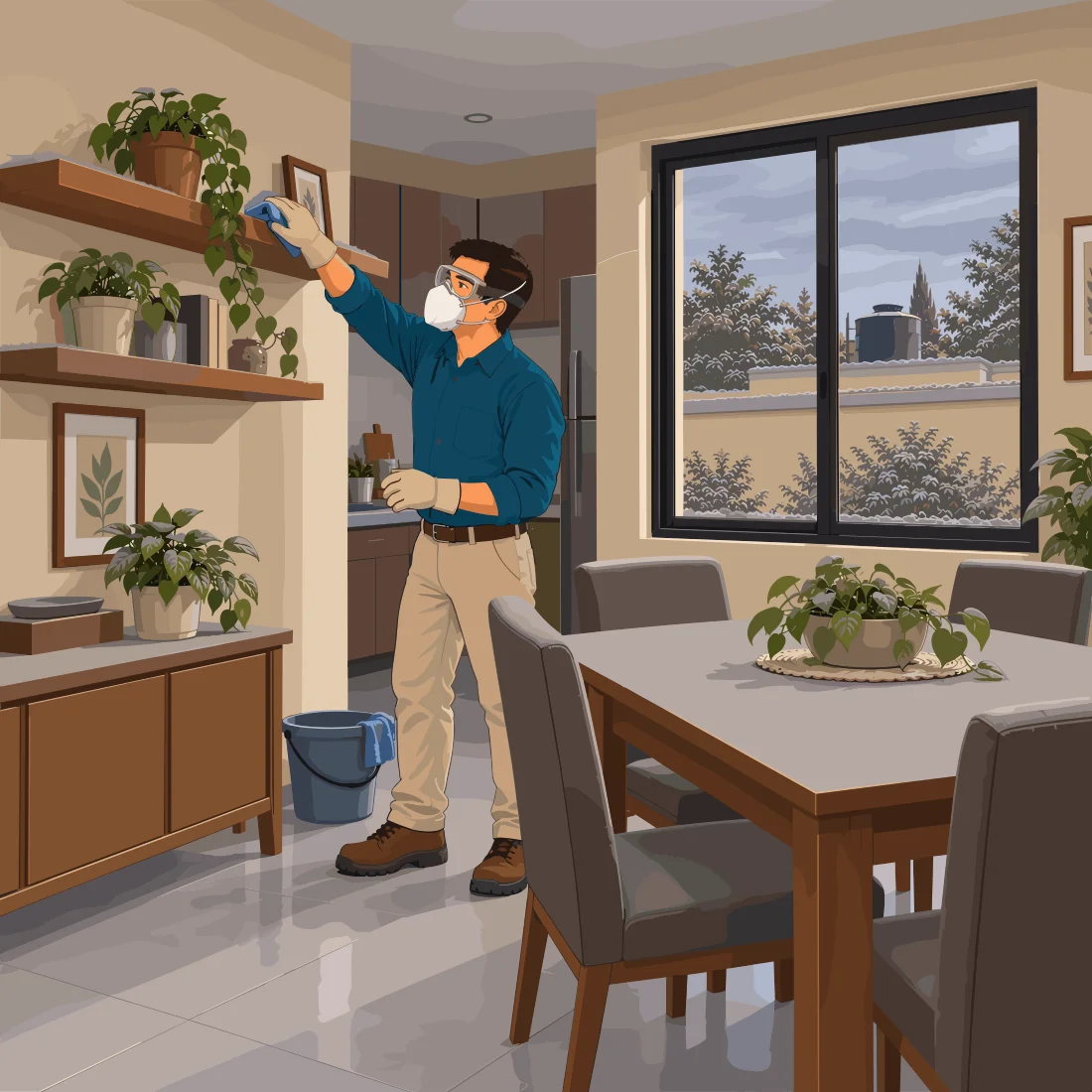
Conventional household vacuum cleaners can resuspend fine particles or be damaged.
If vacuum systems are used, they must be suitable for fine particles and used according to their specifications.
3.16AVOID USING COMPRESSED AIR
Do not use compressed air to clean ash from surfaces, clothing, machinery, or equipment in spaces where people could be exposed.
Compressed air resuspends large amounts of particles and increases respiratory and eye exposure.
3.17CLEANING ELECTRONIC EQUIPMENT
Ash can get into:
- Computers
- servers
- communication systems
- motors
- electrical equipment
- machinery
- sensitive instruments.
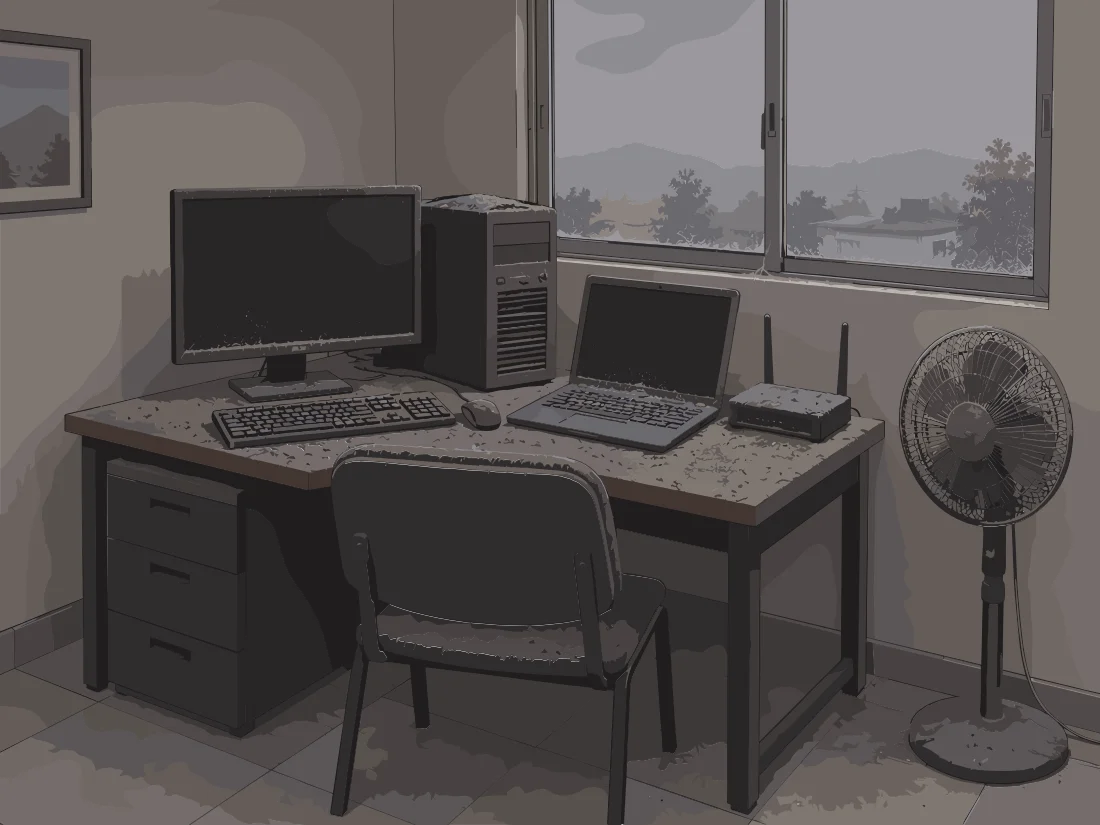
Do not turn on equipment containing significant ash buildup until it has been properly assessed or cleaned.
Cleaning sensitive equipment must follow the manufacturer’s instructions or be carried out by competent personnel.
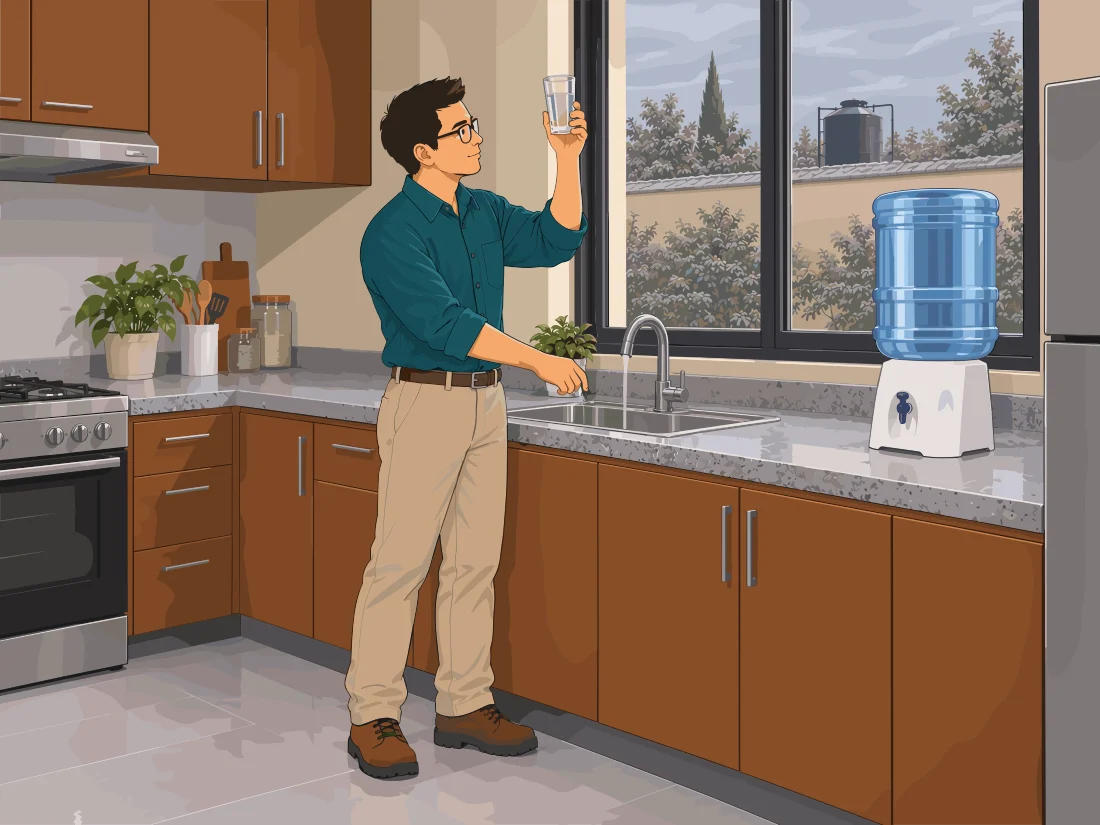
3.18WATER FOR HUMAN CONSUMPTION
After an eruption, water must not be assumed safe just because it looks clean.
Follow the guidance of the health authorities and water providers.
If there is a contamination warning:
- Use the alternative source indicated
- keep reserves protected
- do not use potentially contaminated water for drinking or preparing food until receiving instructions
- follow the official procedures established.
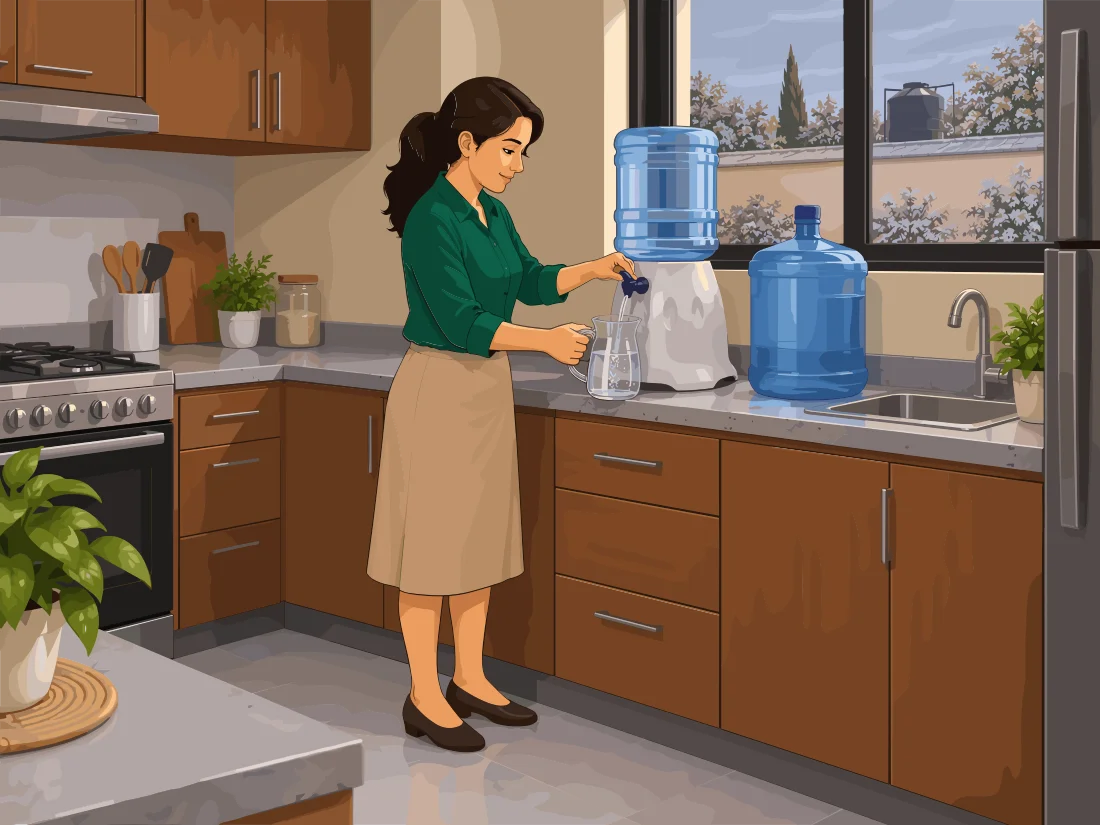
Keep in mind that boiling water does not eliminate every possible chemical contaminant.
For that reason, boiling must not be used as a universal solution for any contamination following an eruption.
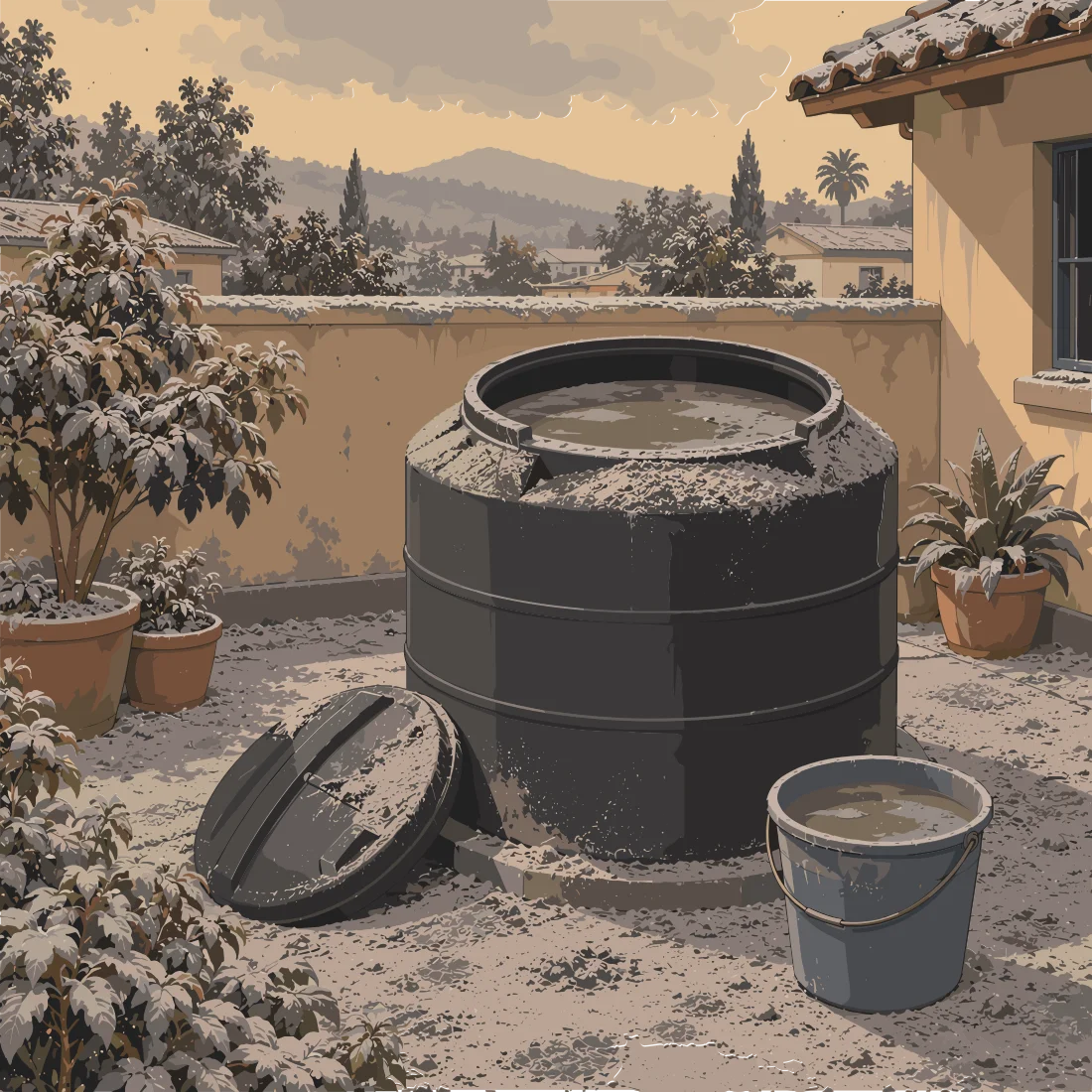
3.19CISTERNS, TANKS AND CATCHMENT SYSTEMS
Check storage containers before using them again.
If ash got in:
- Do not improvise treatments
- follow the health guidance
- determine whether cleaning, discarding, or treatment is needed
- prevent further material from getting in.
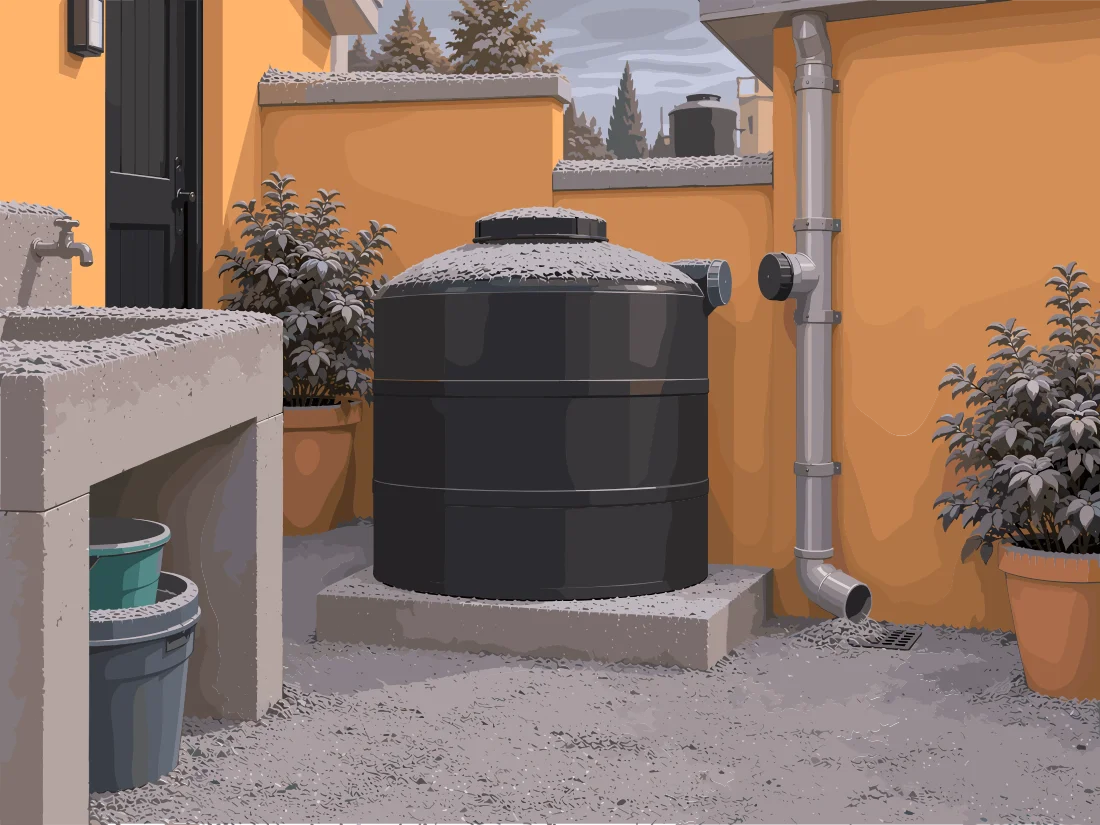
In rainwater catchment systems, it may be necessary to temporarily keep water from contaminated roofs from entering the storage tanks.
3.20FOOD
Discard food that:
- Has been directly exposed to ash and cannot be properly cleaned
- has damaged packaging
- has been contaminated by unsafe water
- required refrigeration and was left too long without a safe temperature
- shows signs of spoilage.
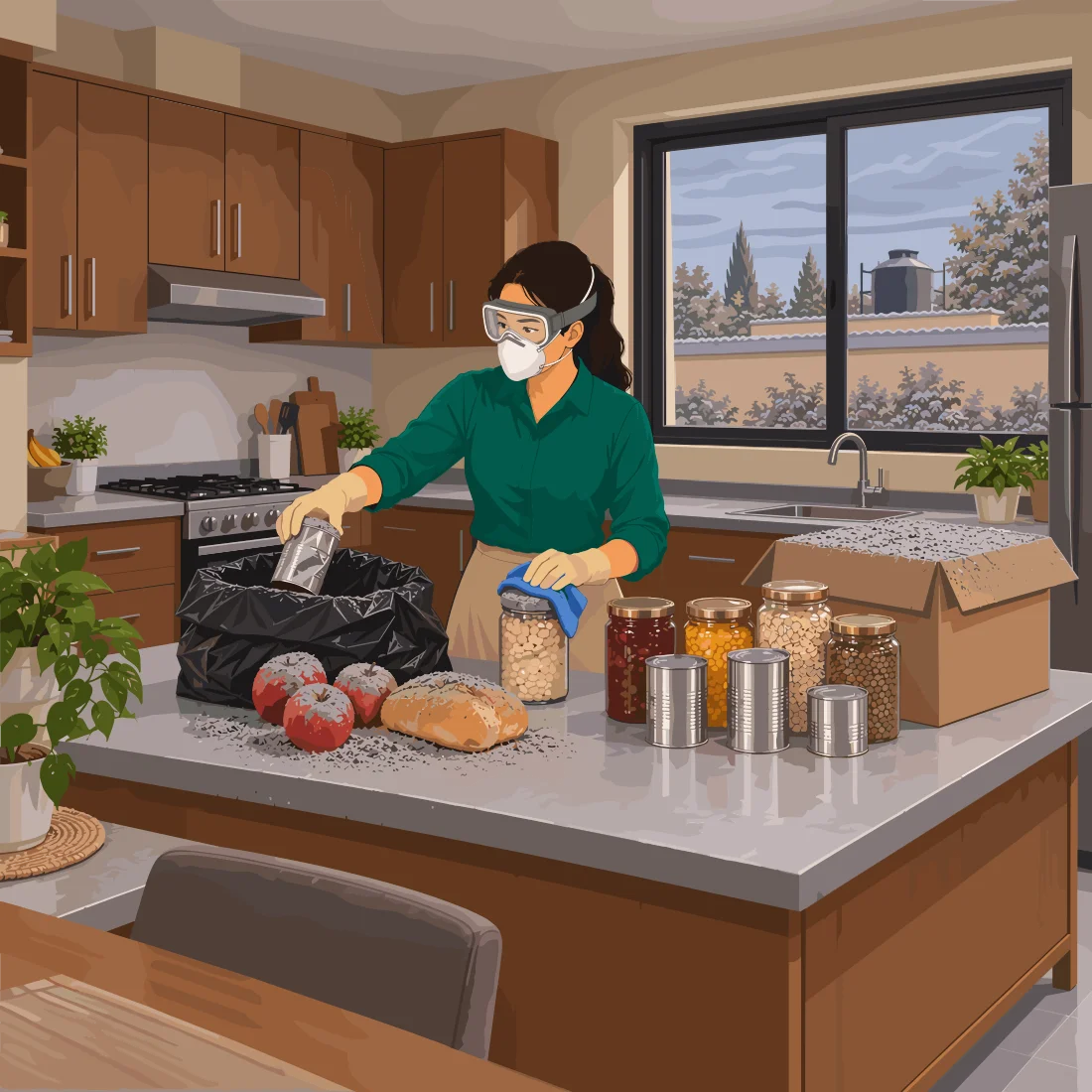
Closed containers must be cleaned on the outside before being opened.
Surfaces and utensils used to prepare food must be cleaned carefully.
3.21REFRIGERATORS AND FREEZERS
If there was a prolonged power outage, assess the safety of refrigerated or frozen food following the health authorities’ guidance.
Do not determine whether food is safe based solely on:
- Smell
- appearance
- taste.
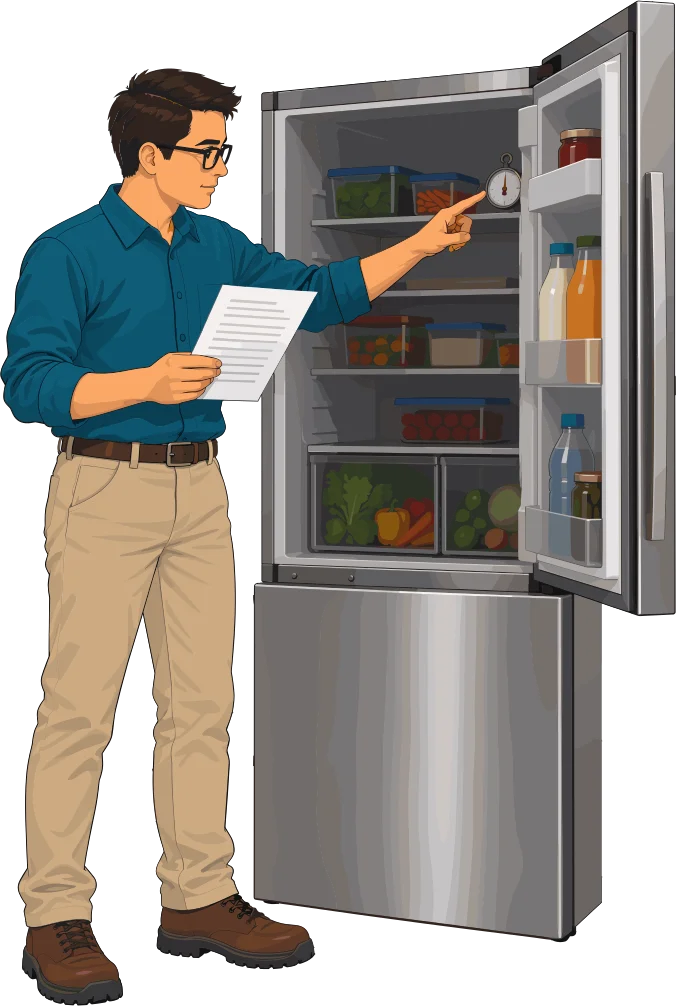
Never taste food to check whether it is still safe.
3.22INDOOR AIR QUALITY
Even after ashfall has ended, deposited particles can be resuspended during:
- Cleaning
- traffic
- wind
- opening doors
- people moving around.
Keep areas clean and control the entry of ash from outside.
Appropriate filtration systems can help reduce particles in certain spaces.
Check and replace filters when necessary according to the equipment’s instructions.
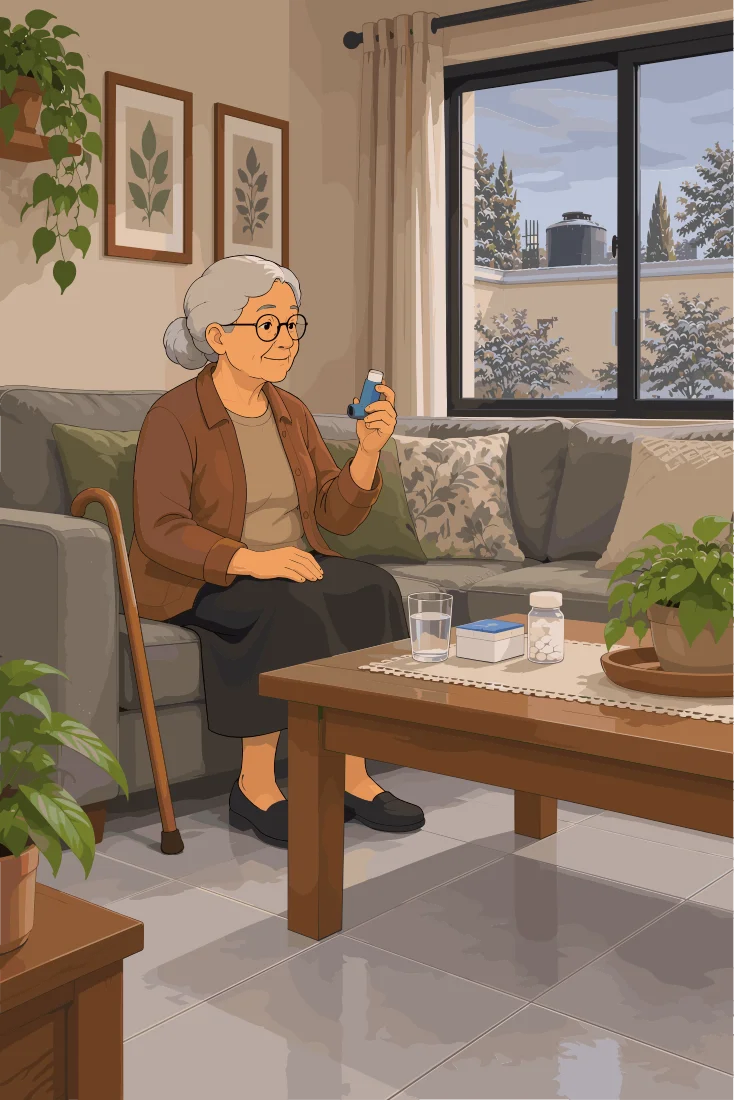
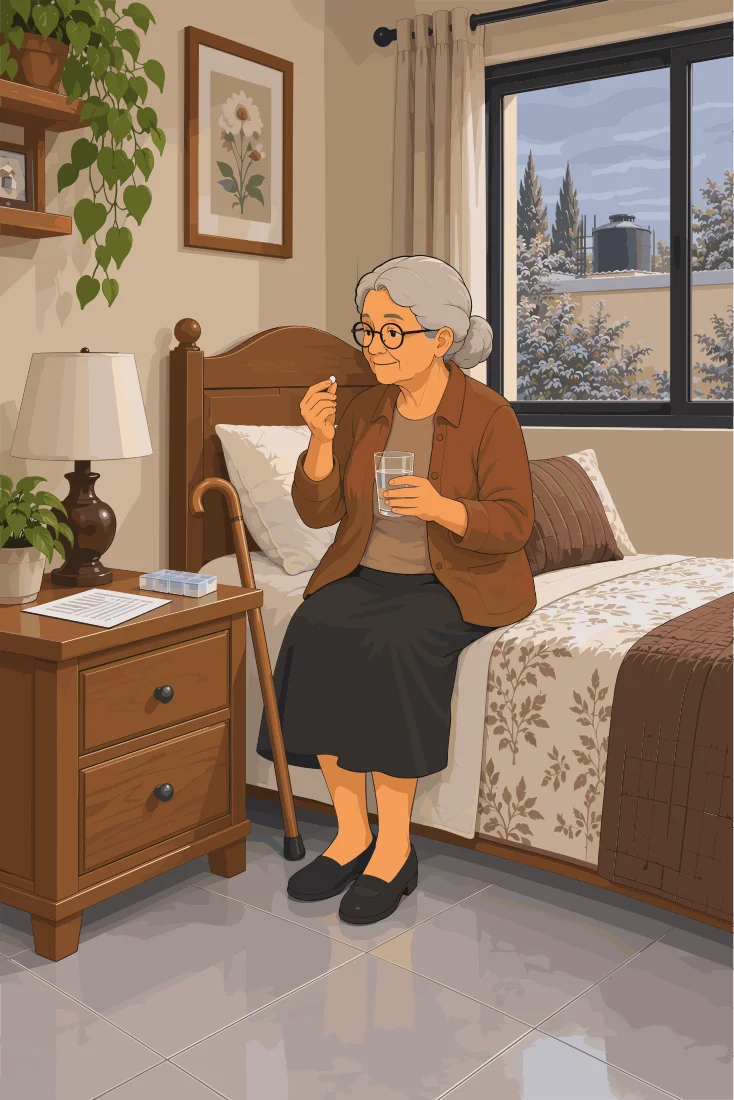
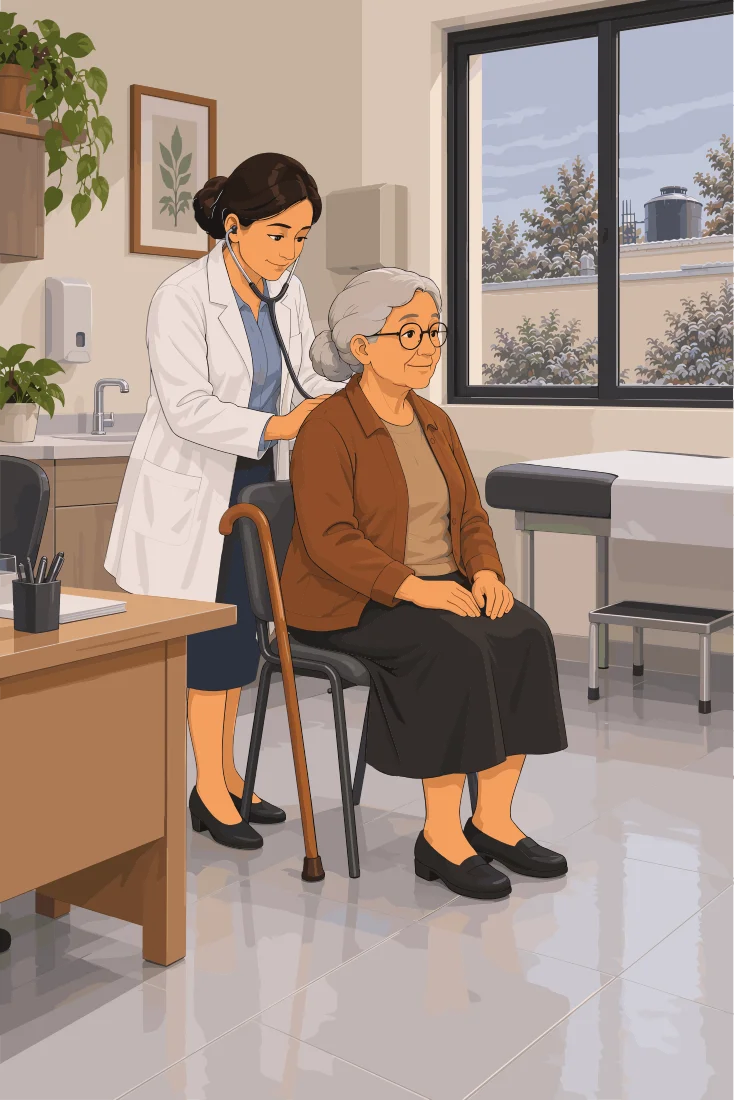
3.23PEOPLE WITH ASTHMA AND RESPIRATORY ILLNESSES
People with respiratory illnesses must continue reducing their exposure while ash remains suspended.
They should:
- Keep their prescribed medication accessible
- follow their medical treatment plan
- avoid tasks that generate significant amounts of dust
- stay in environments with cleaner air when possible
- consult health professionals if their symptoms worsen.
3.24PERSONAL CLEANUP
After working in areas with ash:
- Carefully remove contaminated outer clothing
- avoid shaking it out indoors
- wash hands and exposed areas
- shower when possible
- change clothes
- clean protective equipment according to the manufacturer’s instructions
- replace disposable items when appropriate
- avoid unnecessarily carrying ash into clean indoor areas.
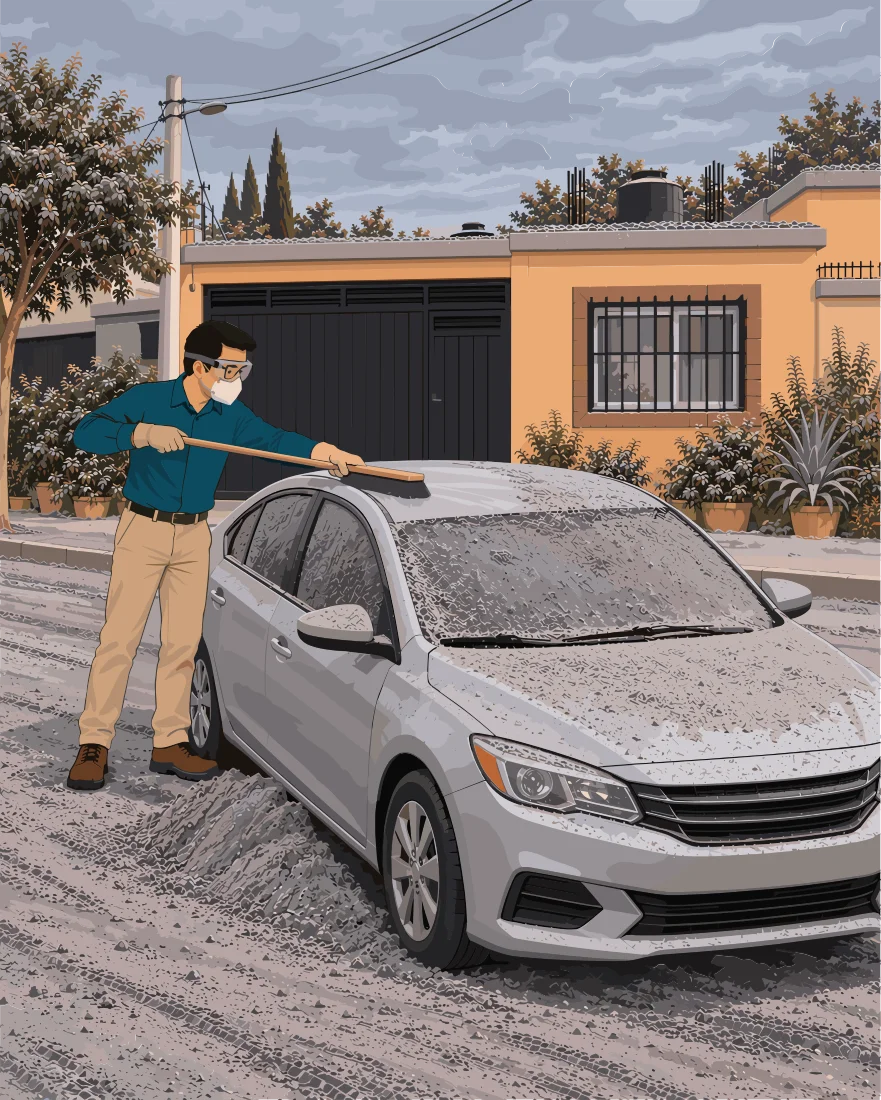
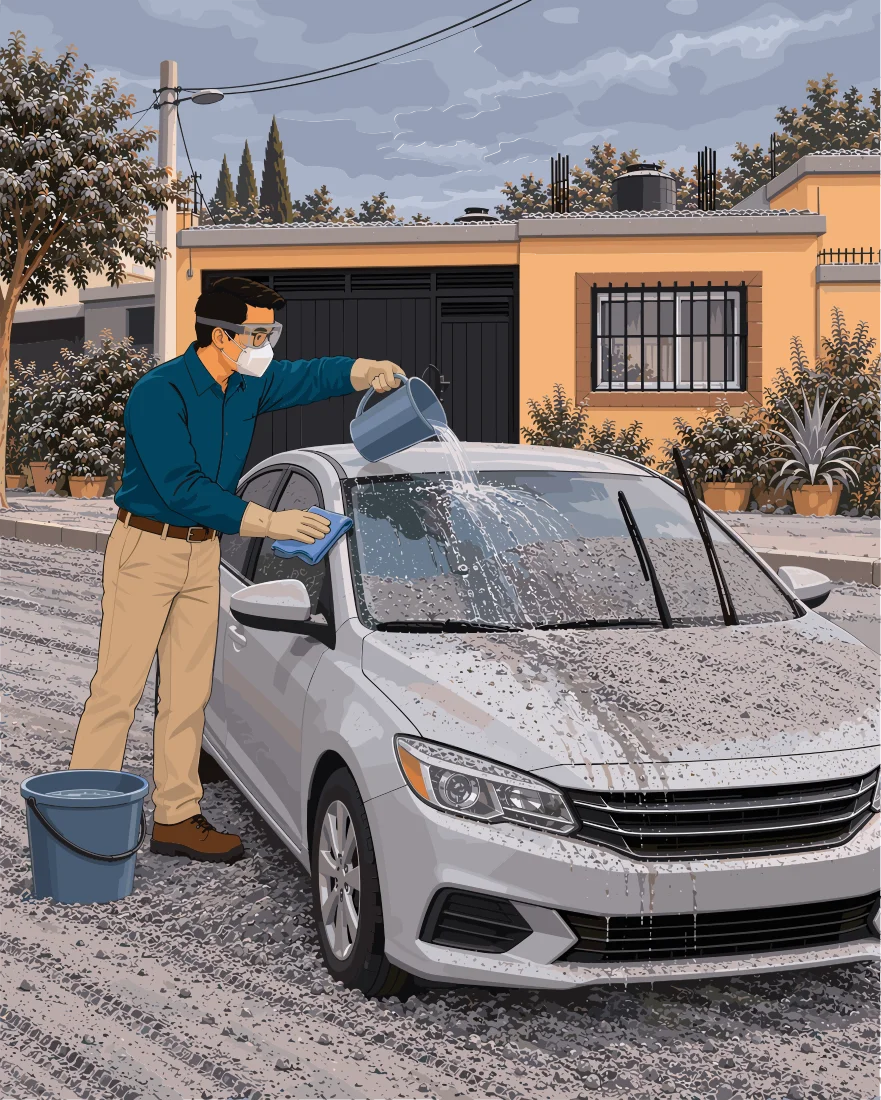
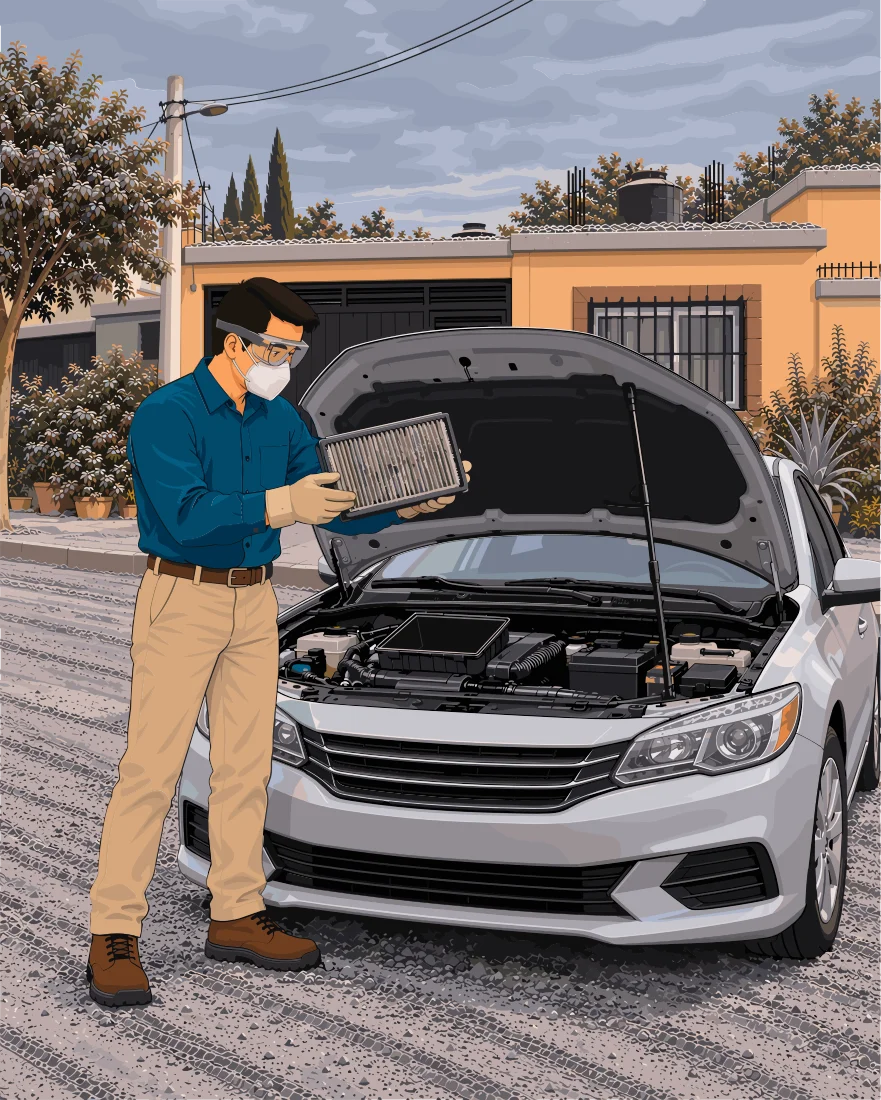
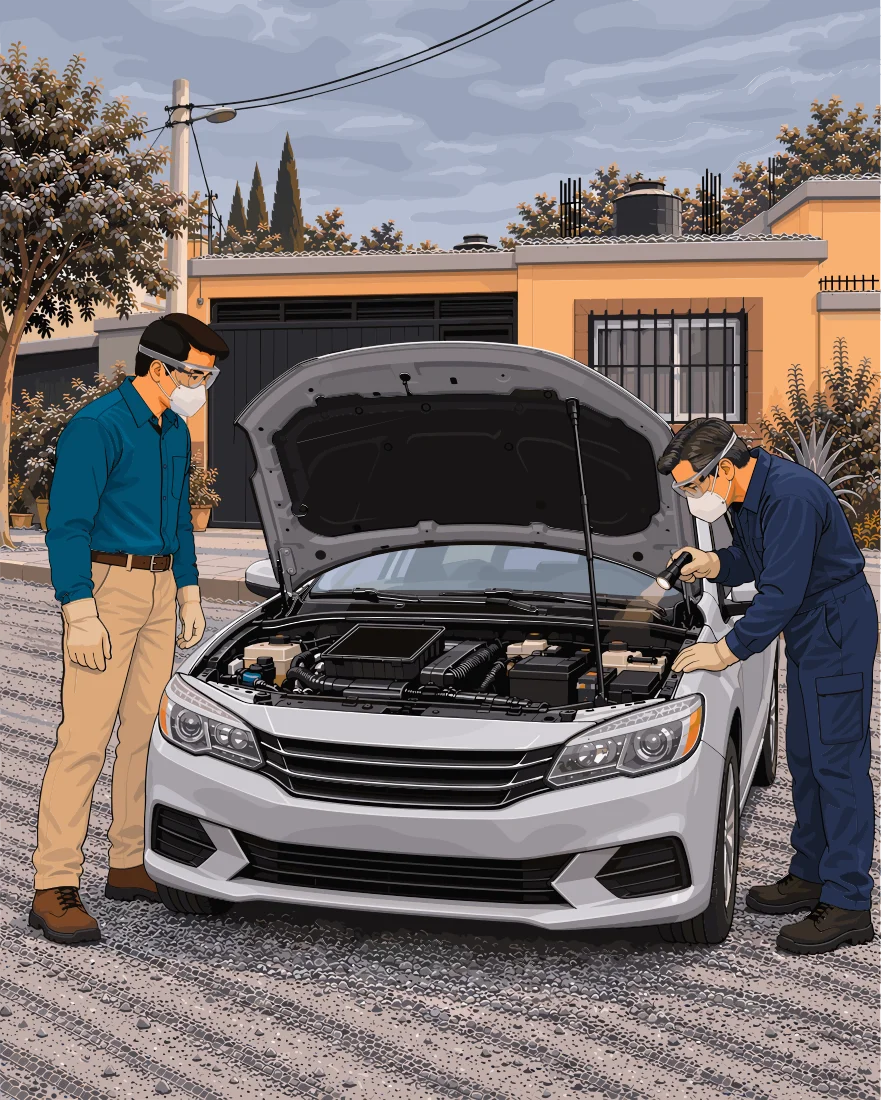
3.25VEHICLES
Ash can cause wear and damage to vehicles.
Before using a vehicle exposed to significant amounts of ash:
- Carefully remove the buildup affecting visibility
- clean windshields without scratching them
- check filters
- check air intakes
- inspect necessary components
- follow the manufacturer’s recommendations.
3.26ANIMALS
1 — PETS
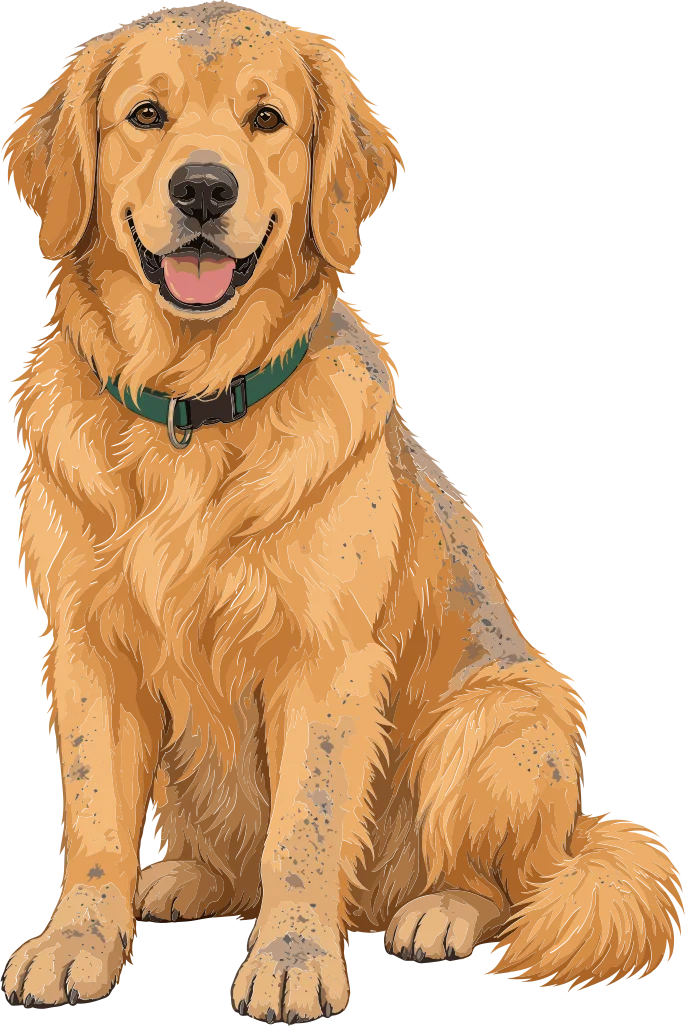
Animals can also be affected by ash.
After exposure:
- Check eyes, nose, mouth, skin, and paws
- gently remove the ash
- provide clean water
- keep their food protected
- prevent them from licking large amounts of ash stuck to their coat
- keep them away from areas with significant buildup.
Consult a veterinary professional if they show:
- Difficulty breathing
- persistent coughing
- eye injuries
- burns
- vomiting
- abnormal behavior
- other concerning signs.
2 — FARM ANIMALS
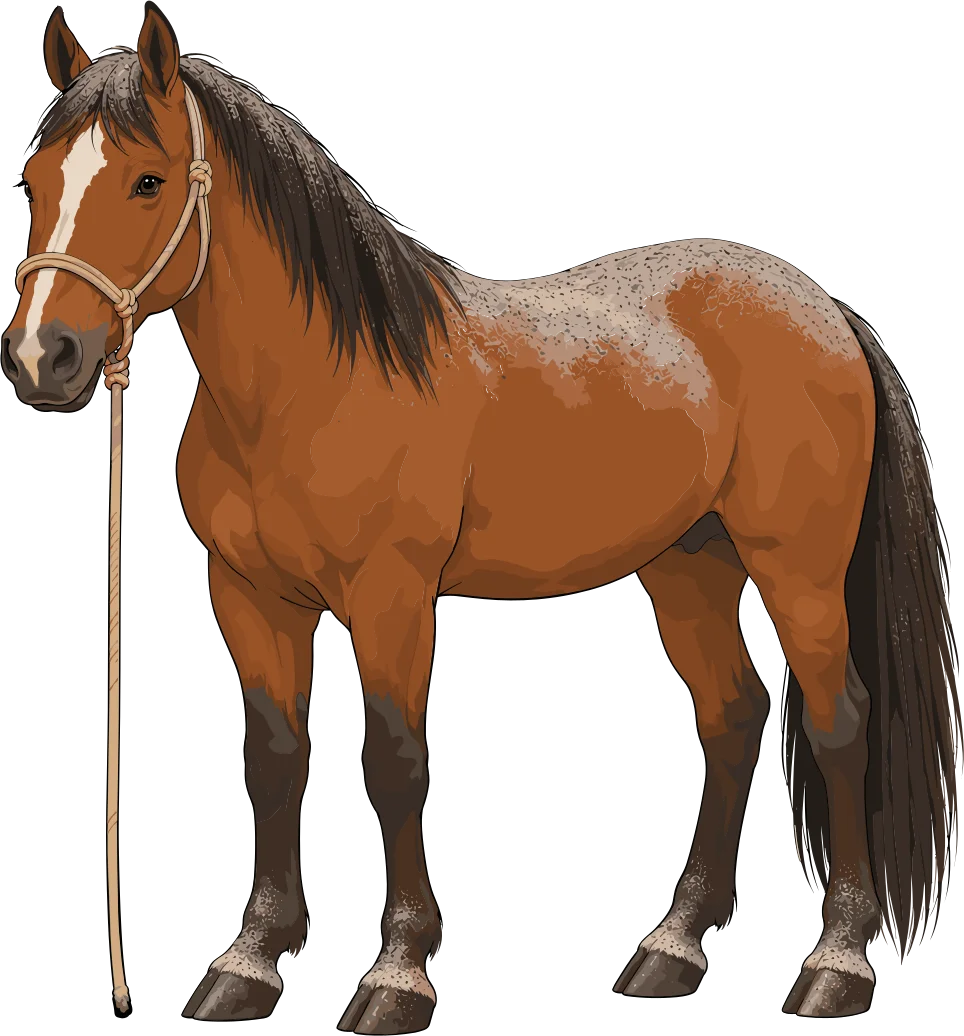
Before allowing animals back into affected pastures, water, or facilities, follow the guidance of the veterinary and agricultural authorities.
Assess:
- Water quality
- feed contamination
- ash buildup on forage
- condition of pens and stables
- injuries
- respiratory symptoms
- availability of safe feed.


3 — DO NOT BRING ANIMALS BACK PREMATURELY
The return must take into account:
- Authorization from the authorities
- safe water
- available feed
- shelter conditions
- condition of the roads
- persistence of ash
- lahar risk
- other hazards.
3.27DOCUMENT THE DAMAGE
When it is safe to do so, document the damage before making major repairs.
You can use:
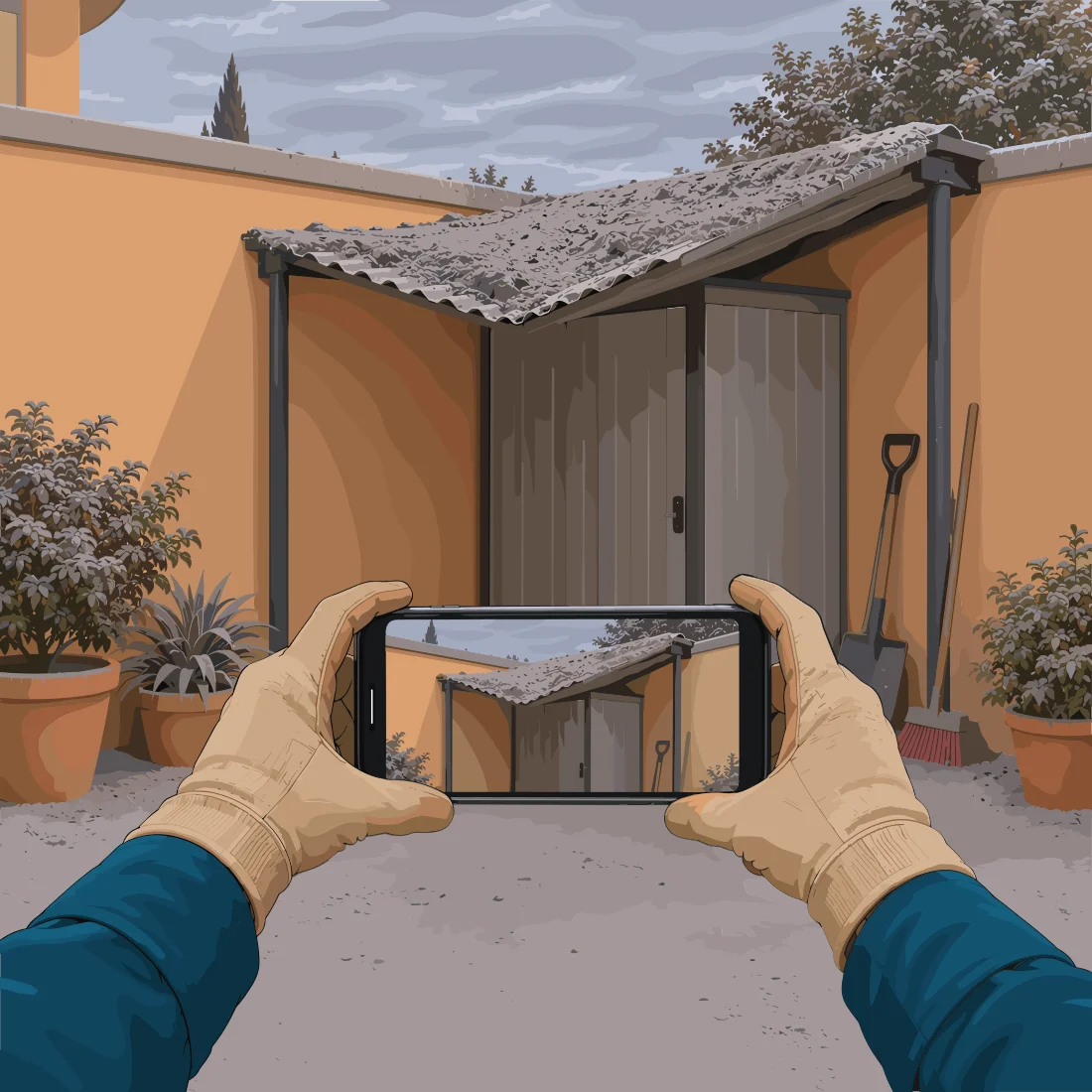
Photographs
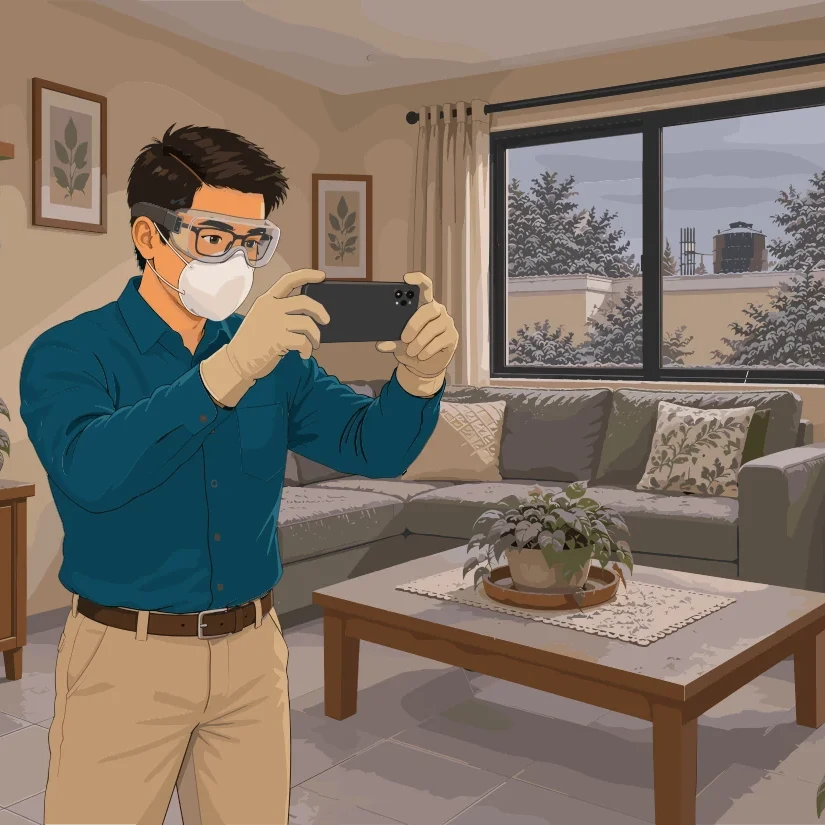
videos
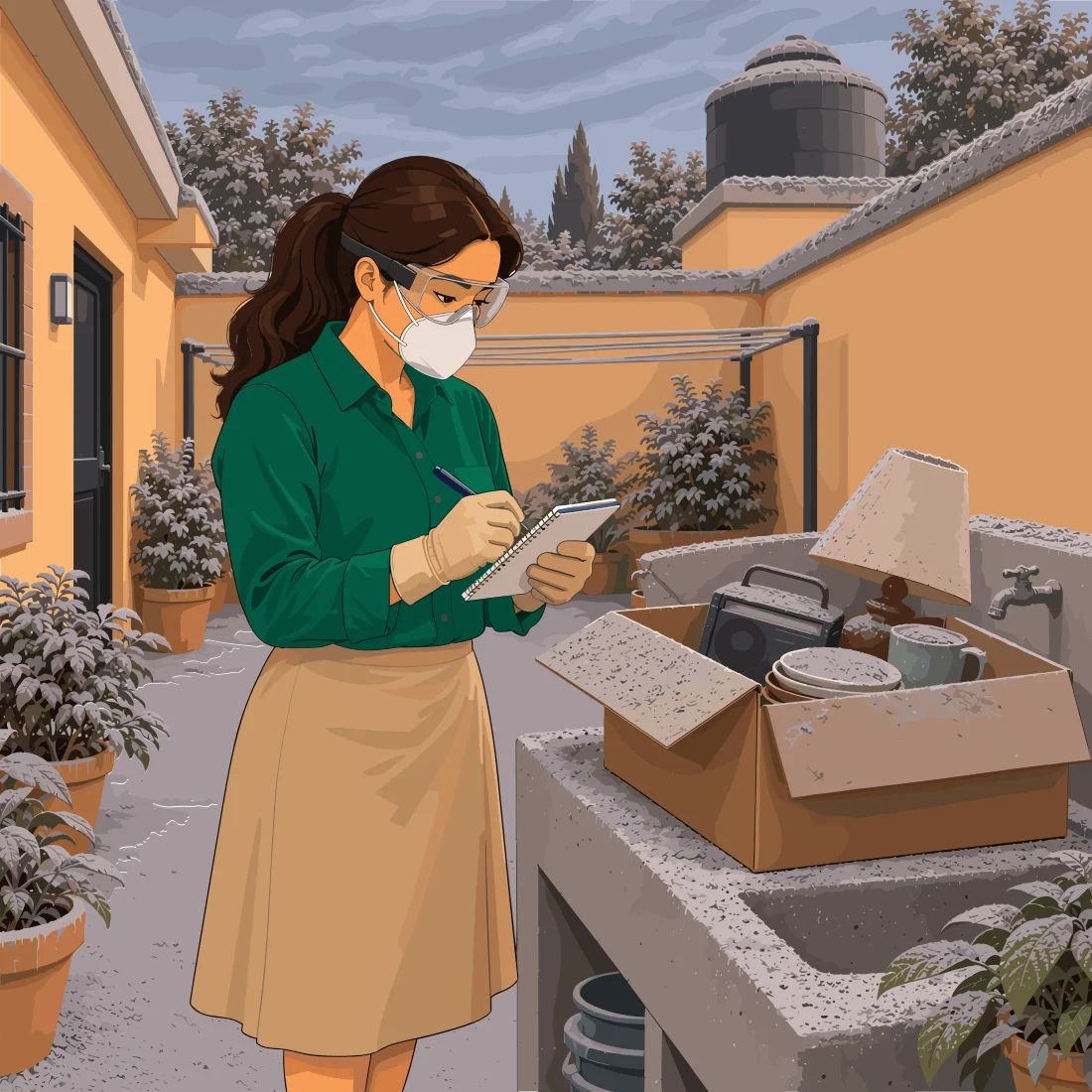
inventories
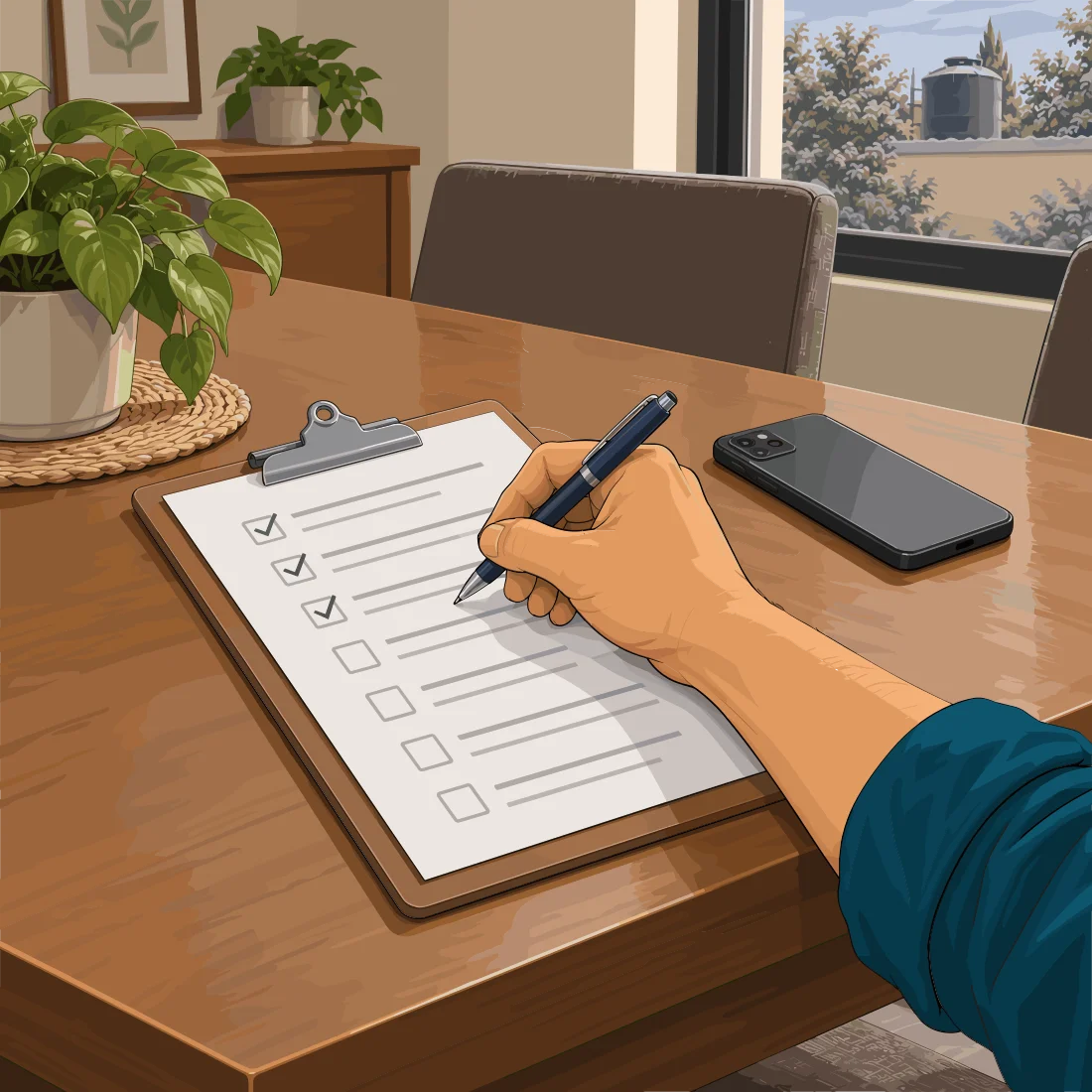
written records
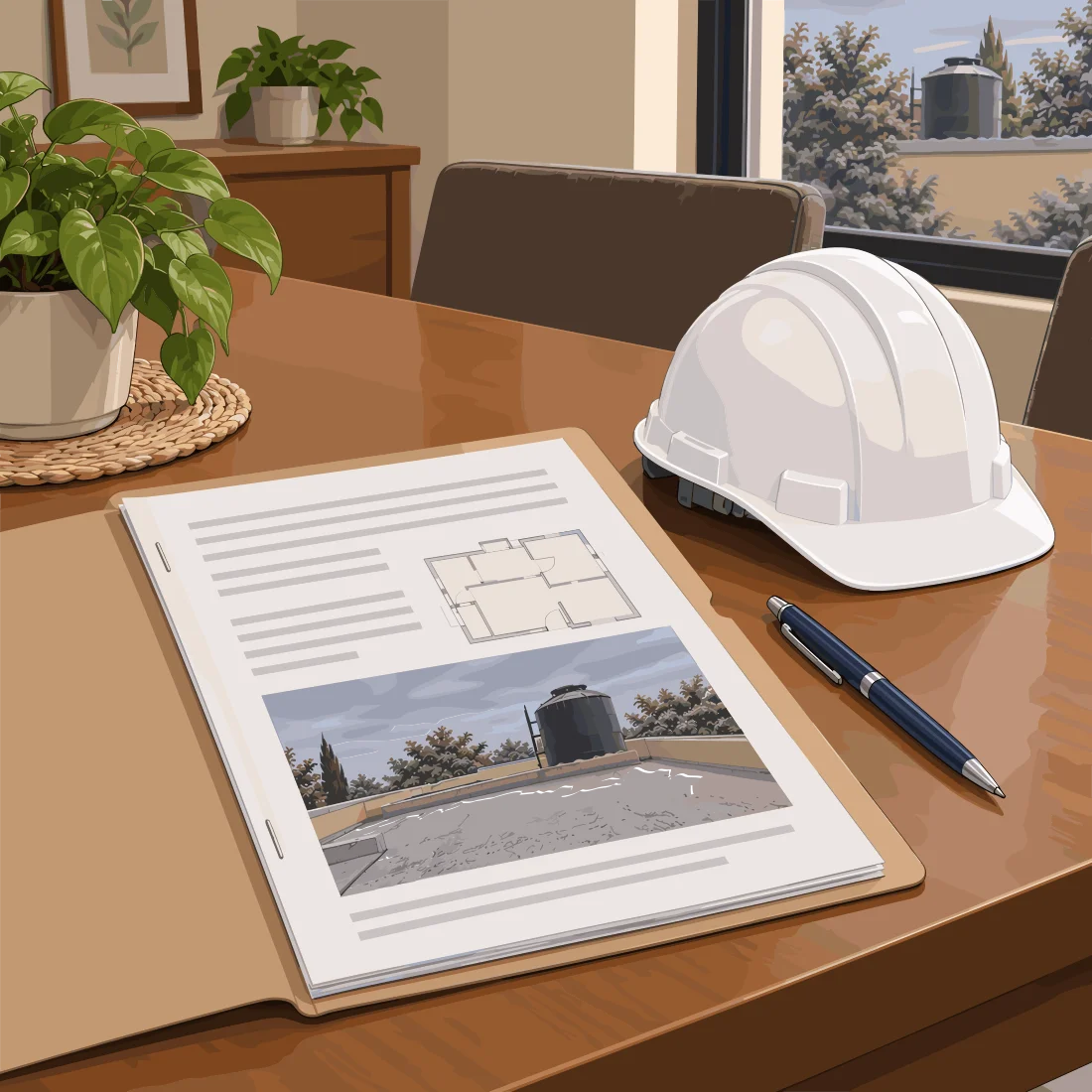
technical reports.
Document, as applicable:
- Structural damage
- equipment
- vehicles
- furniture
- food
- supplies
- installations
- loss of animals
- interruptions to activity.

This information may be necessary for insurance, assistance, aid requests, or later assessment.
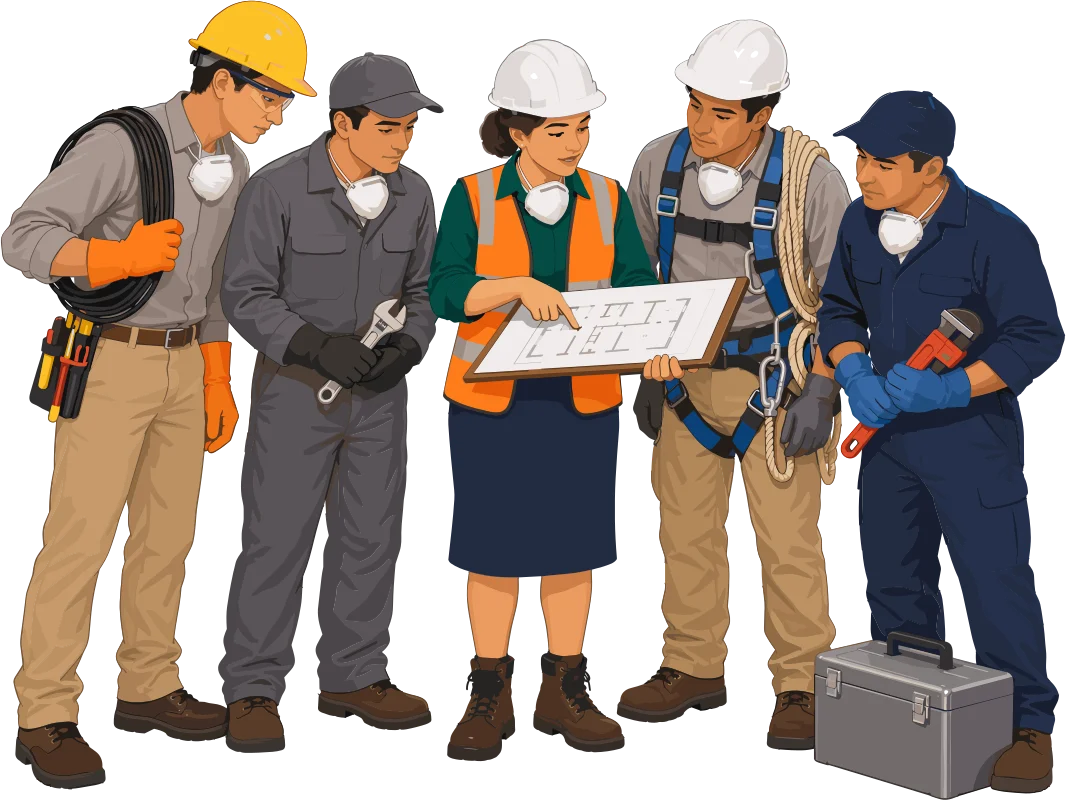
3.28DO NOT MAKE DANGEROUS REPAIRS WITHOUT COMPETENT PERSONNEL
After an emergency there is an understandable tendency to try to quickly restore the home or community spaces.
However, do not improvise repairs to:
- Structures
- electrical systems
- gas
- severely damaged roofs
- complex sanitary installations
- dangerous machinery.
Use competent professionals when the nature of the repair requires it.
3.29PREVENT FIRES AND OTHER SECONDARY ACCIDENTS
During recovery, accidents can occur that do not come directly from the volcano.
Pay attention to:
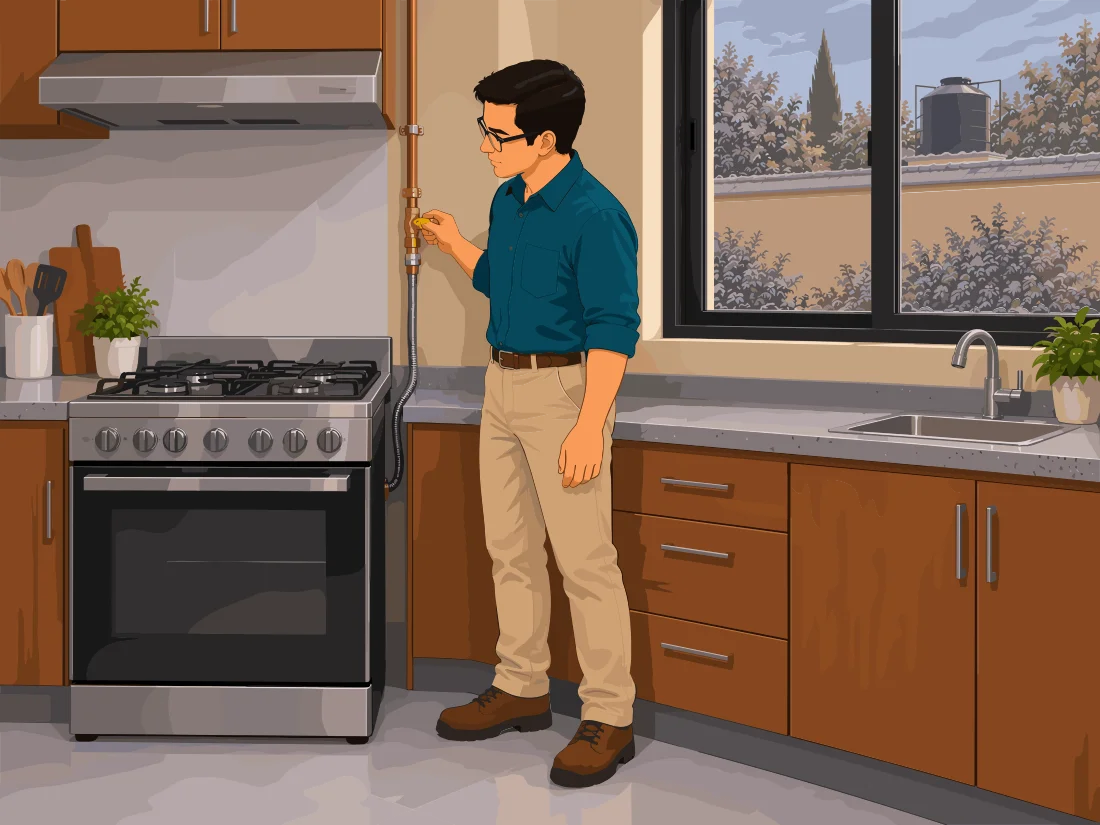
Gas leaks
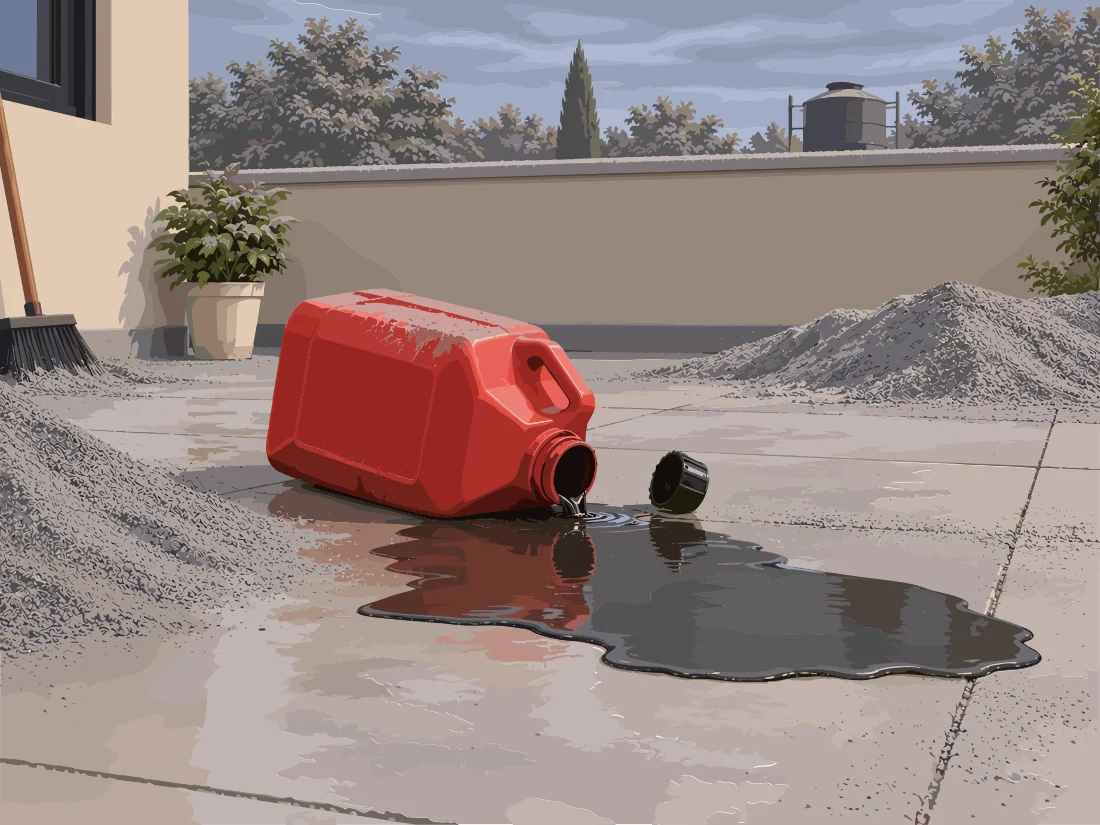
spilled fuel
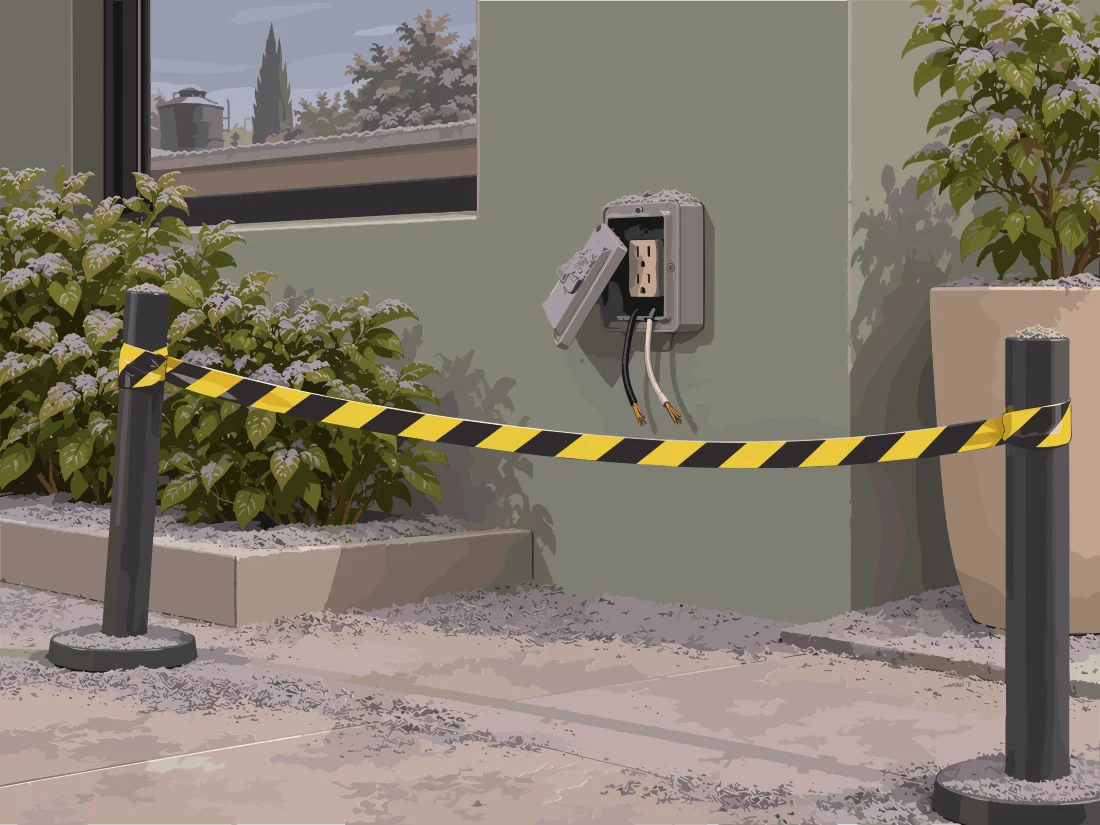
damaged electrical installations
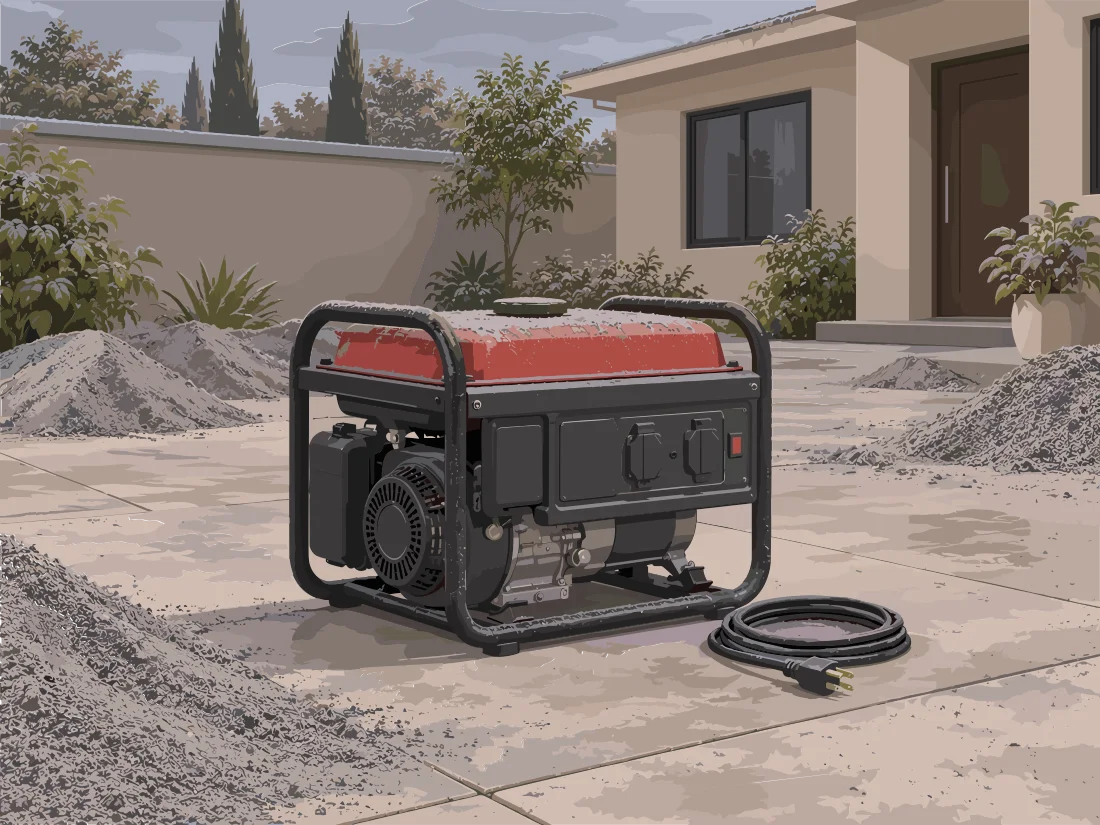
generators
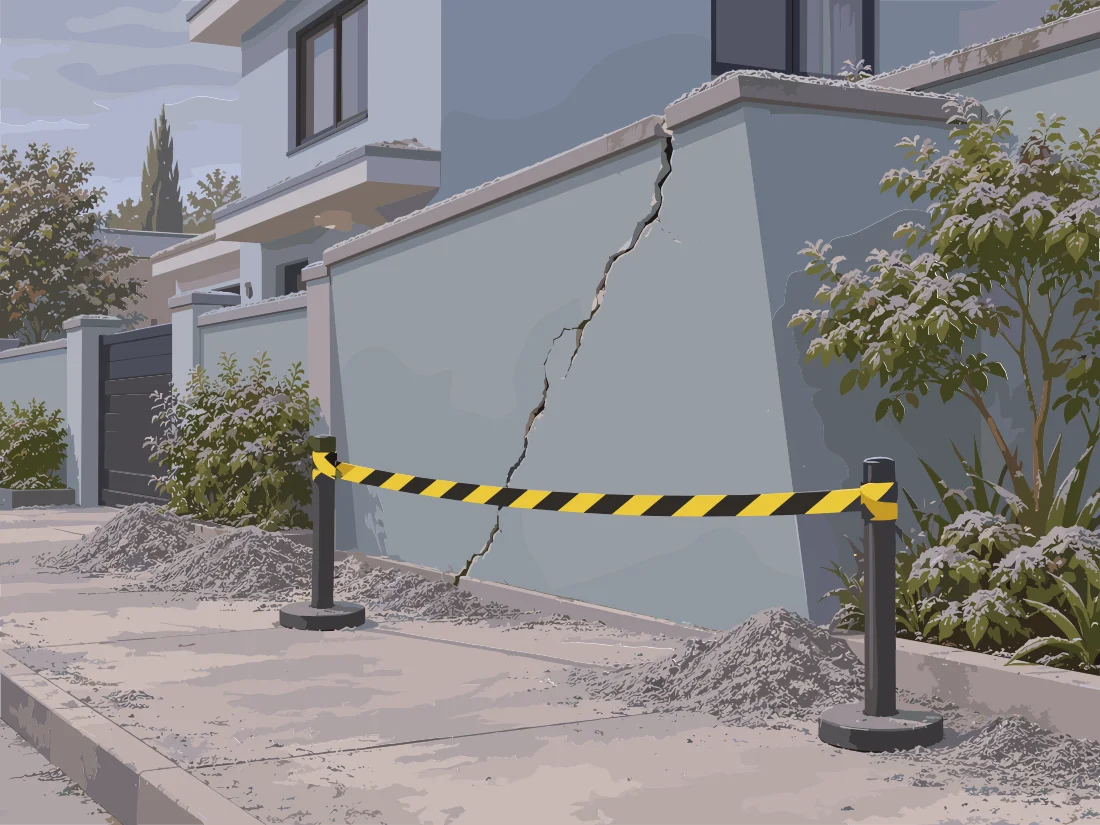
unstable structures
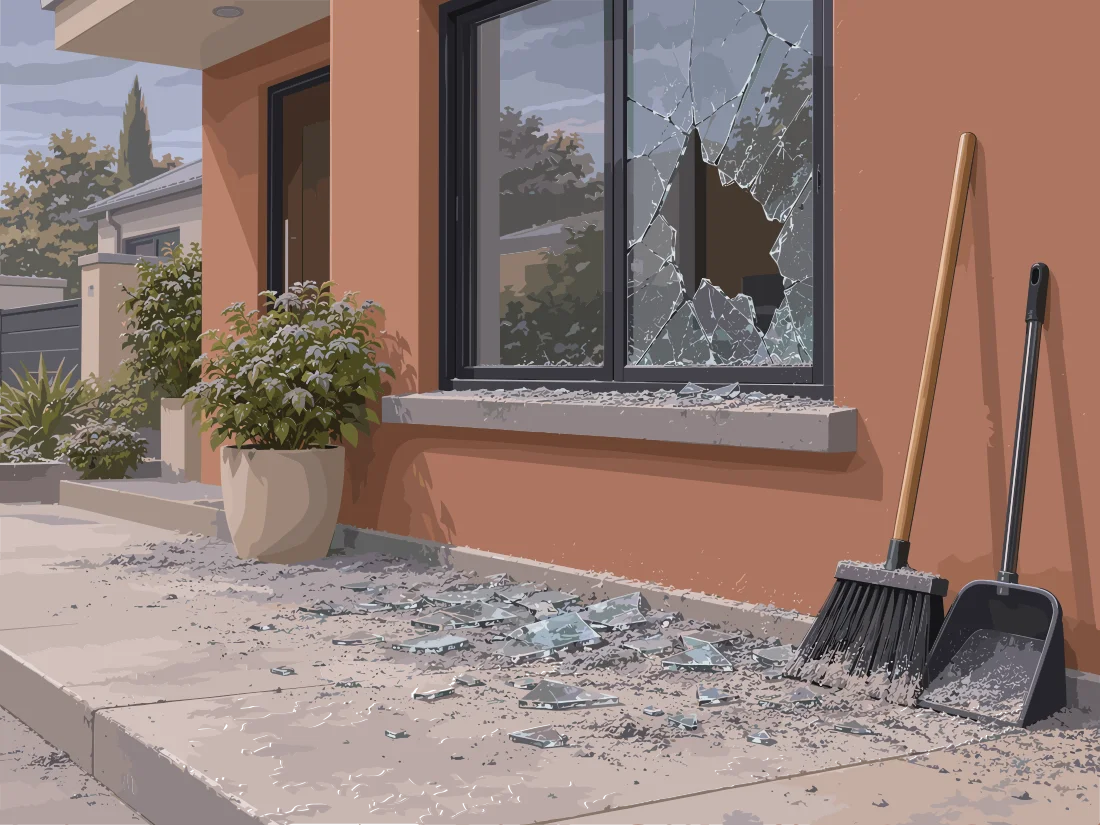
broken glass
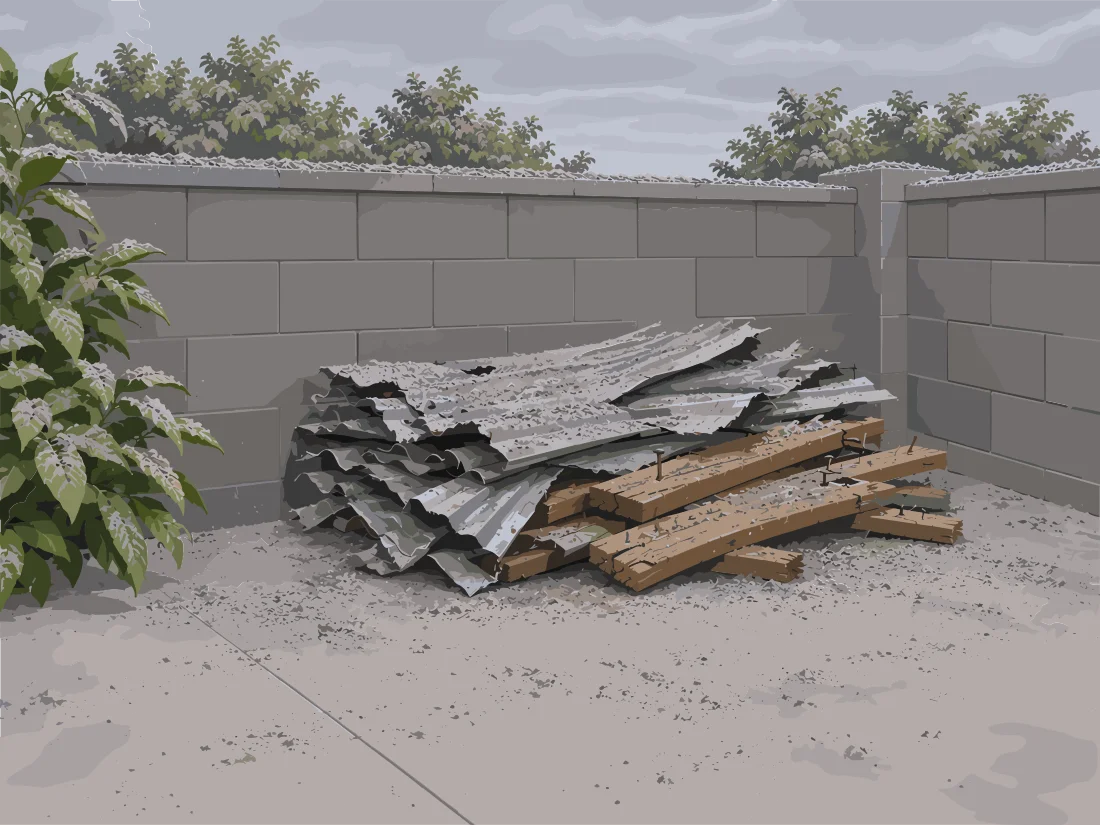
sharp objects
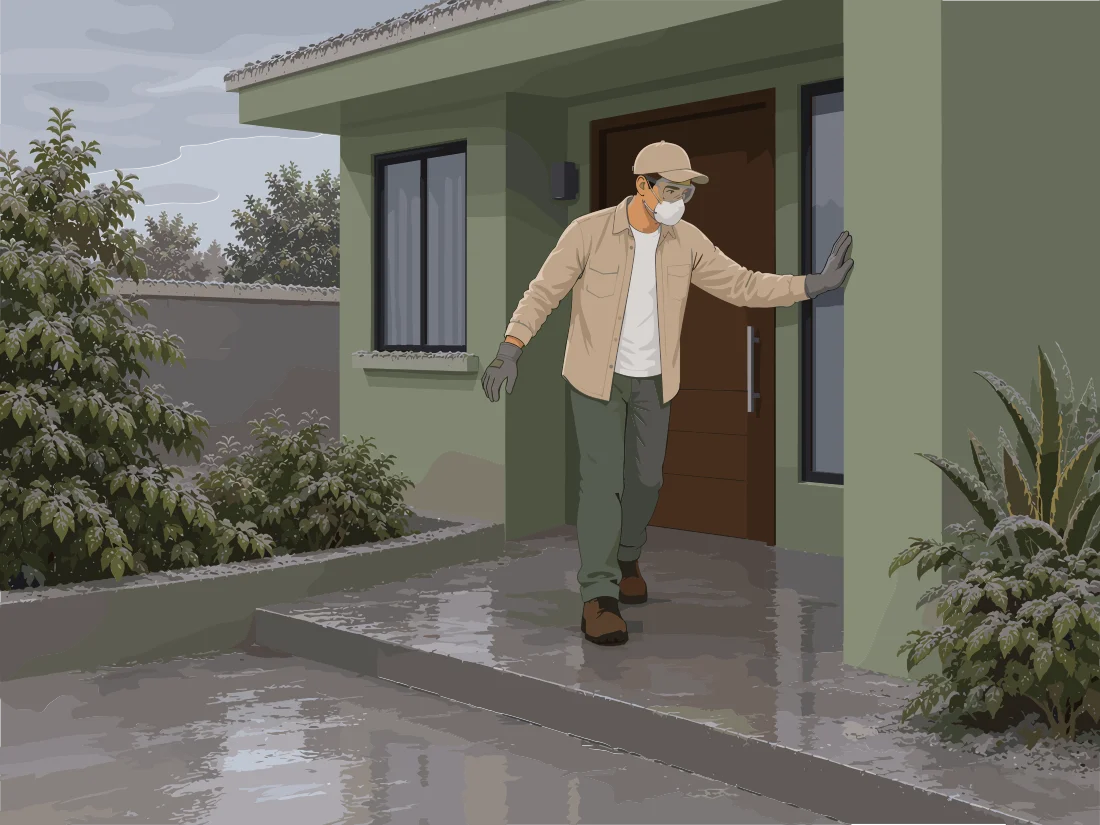
slippery surfaces
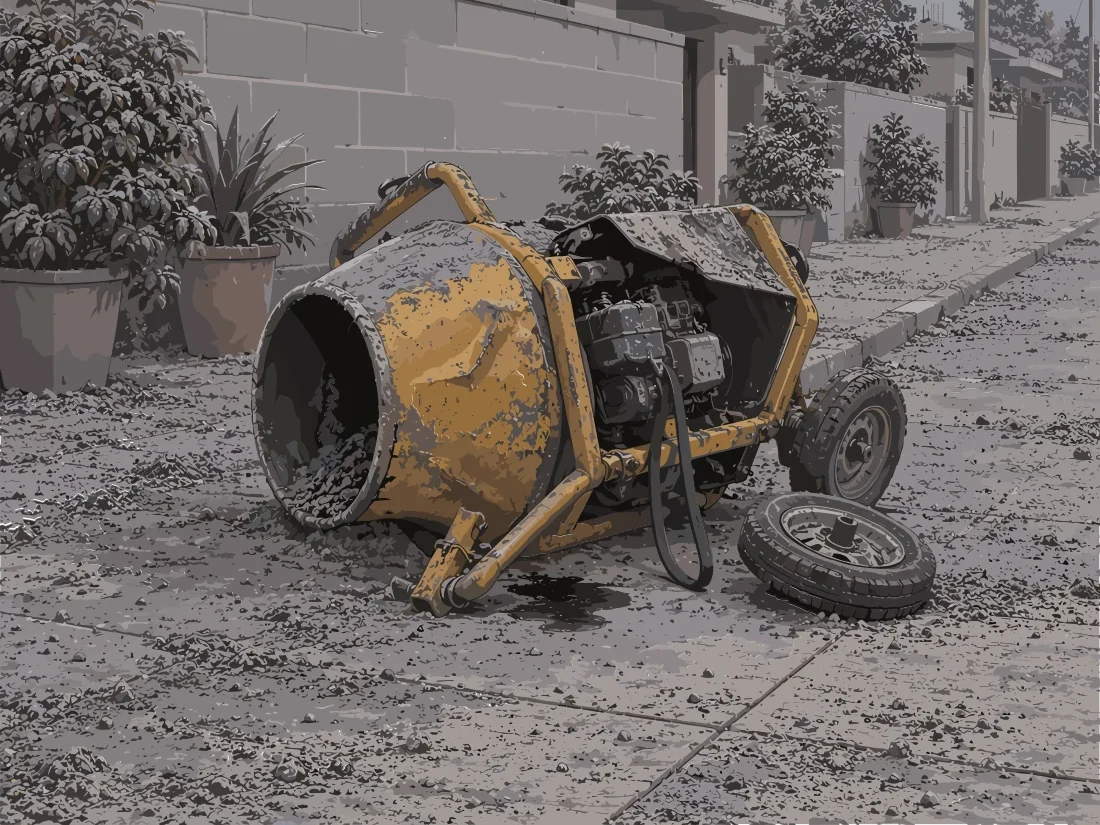
damaged machinery.
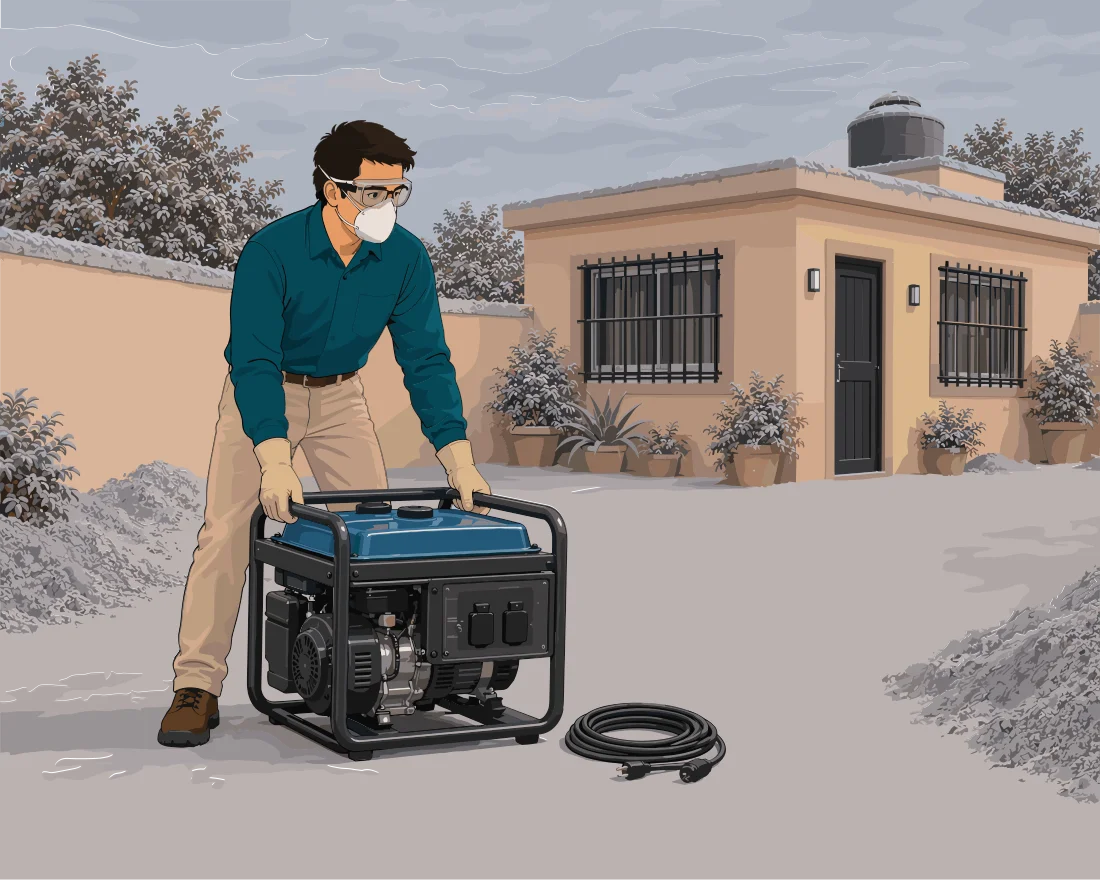
3.30PORTABLE GENERATORS
If the power supply remains interrupted and generators are used, never use them inside buildings, garages, storage areas, or closed or insufficiently ventilated spaces.
Place them outdoors and at a safe distance from doors, windows, and air intakes, following the manufacturer’s and the authorities’ instructions.
3.31PROTECT THE SAFETY OF THOSE TAKING PART IN RECOVERY
Recovery tasks can last days or weeks.
Avoid:
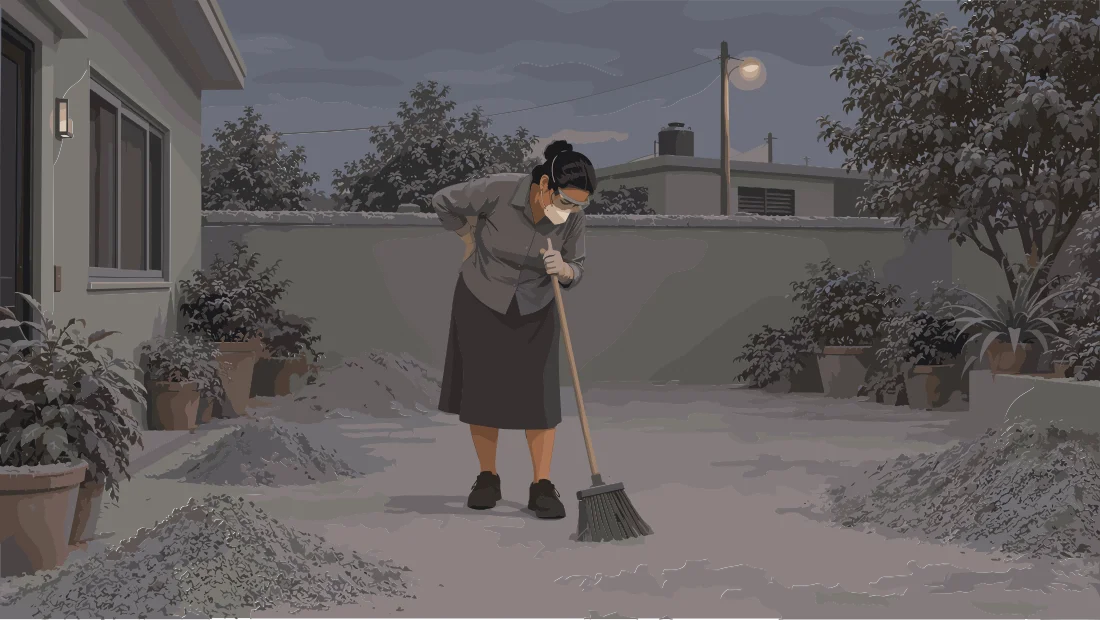
Excessively long shifts
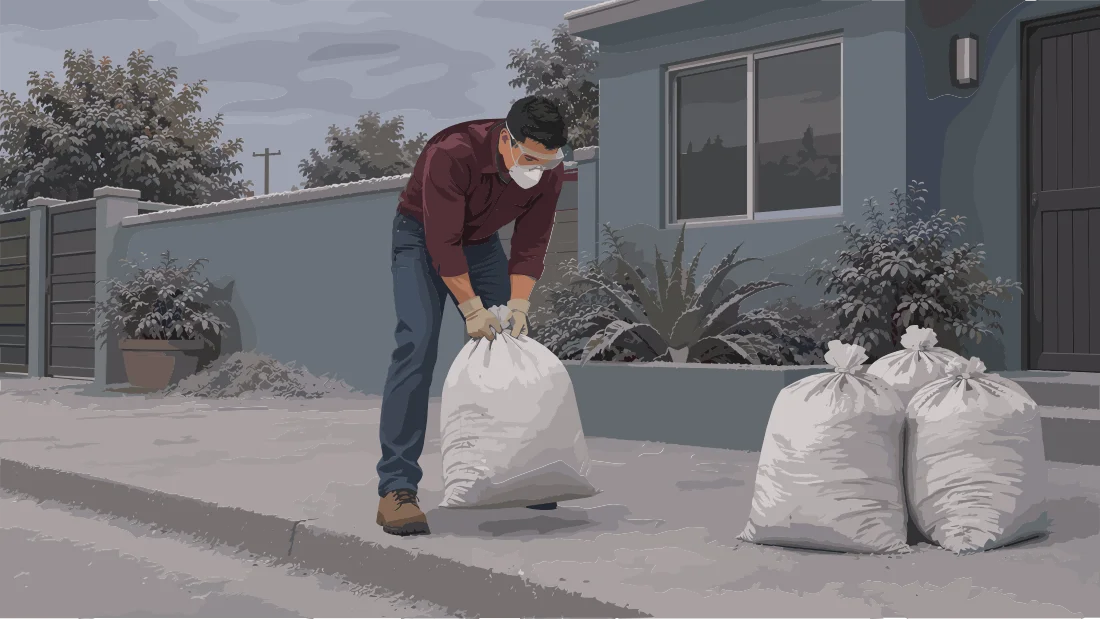
lifting loads that are too heavy
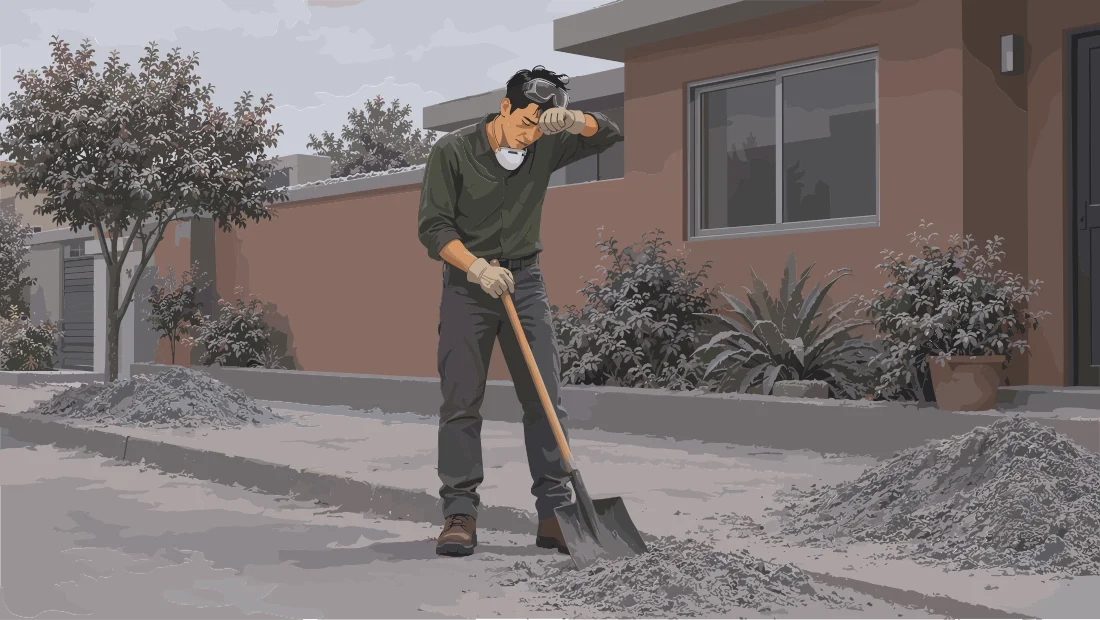
working without hydration
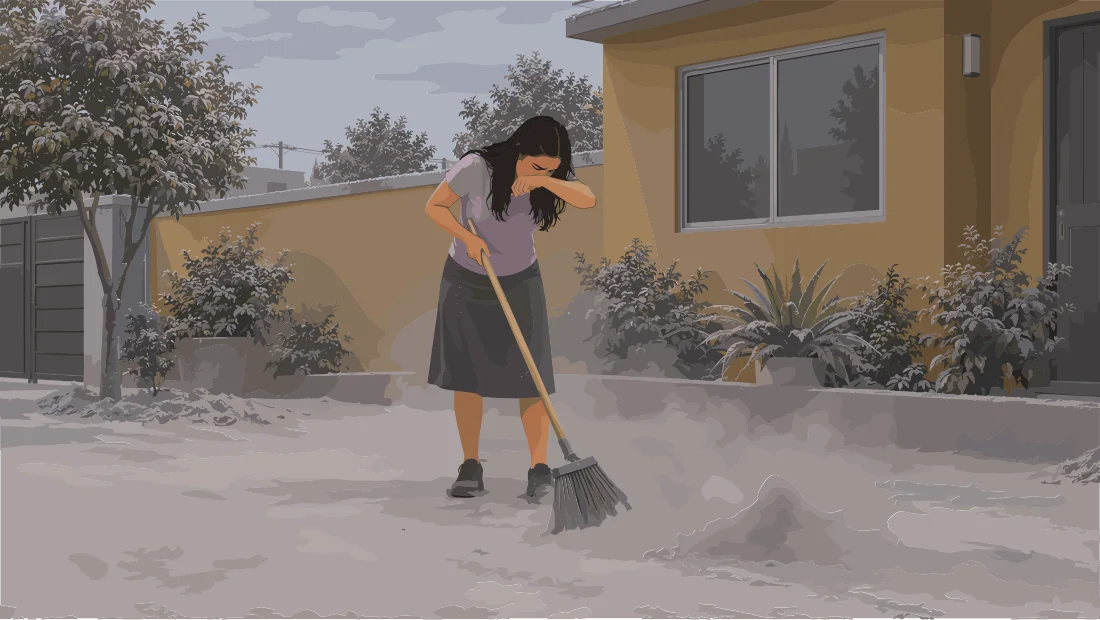
unnecessary exposure to ash
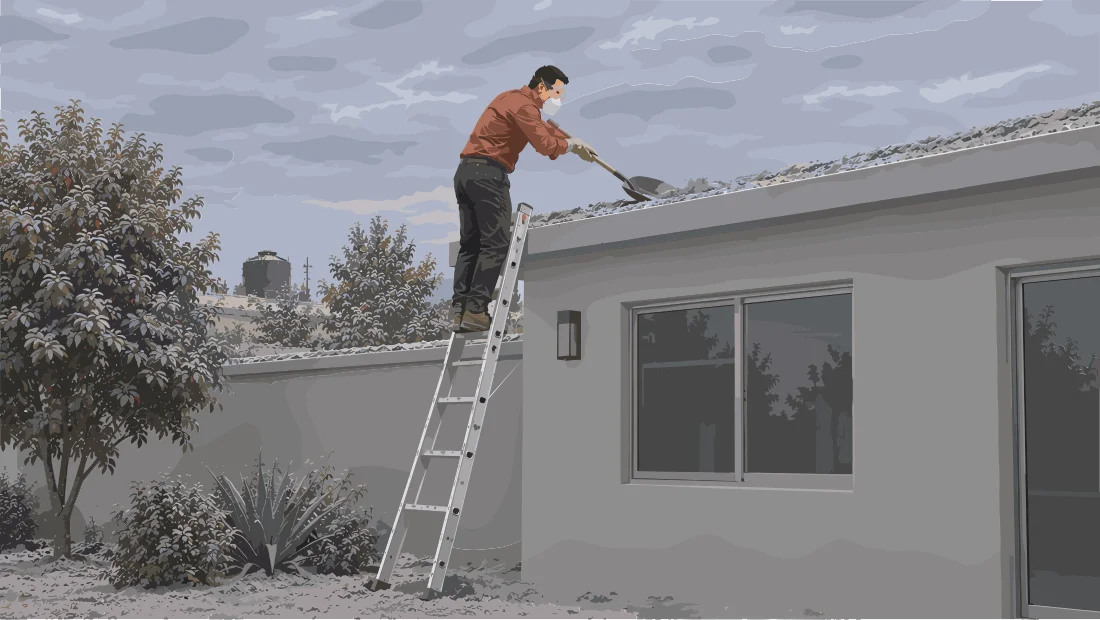
working alone on dangerous tasks
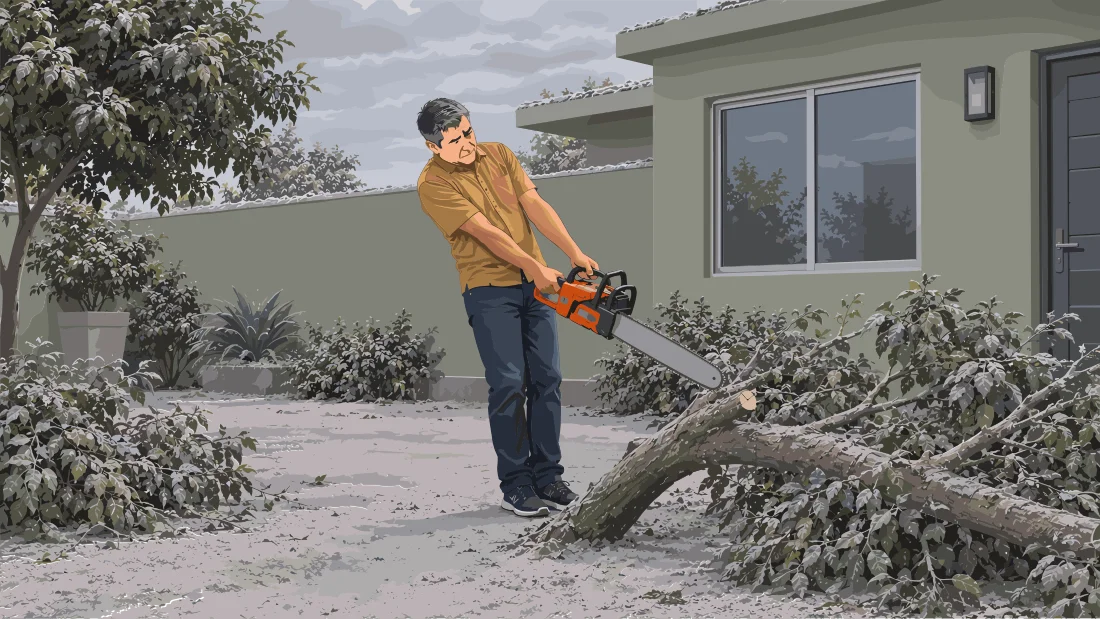
using tools without training.
Organize shifts and breaks.
3.32ADDRESS THE EMOTIONAL IMPACT
An eruption can produce:
- Fear
- stress
- anxiety
- difficulty sleeping
- irritability
- a sense of loss
- worry about new episodes.
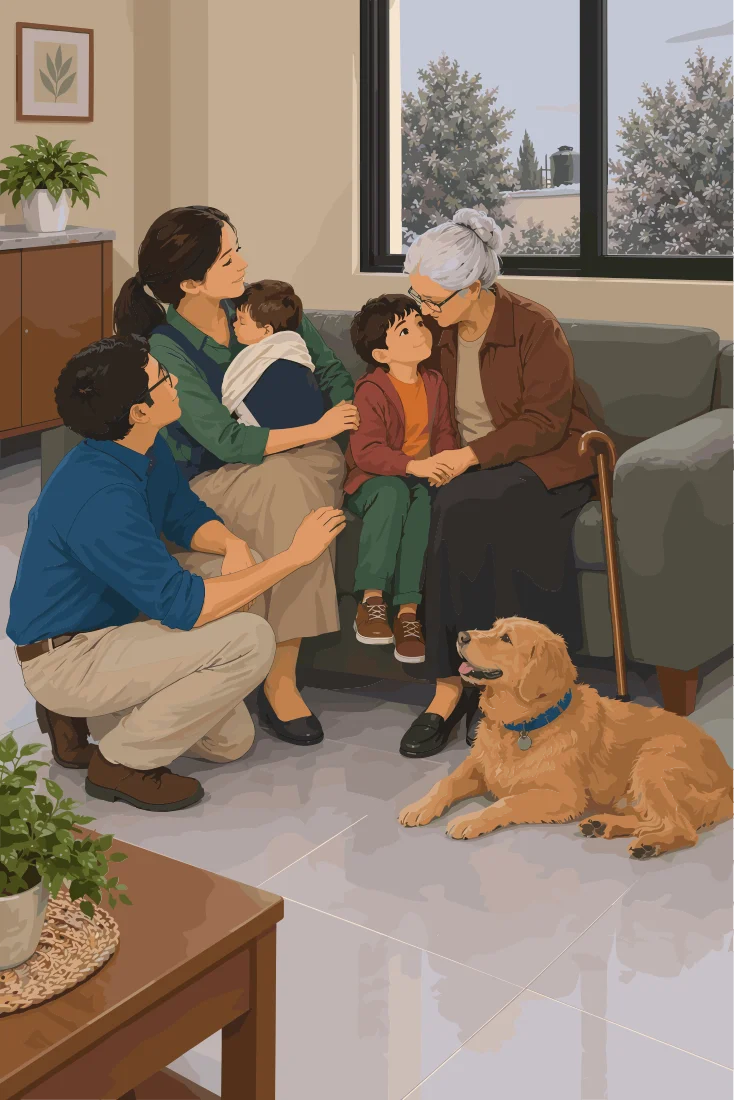
These reactions can affect direct victims as well as volunteers and community leaders.
Promote:
- Rest
- communication
- support among members
- access to reliable information
- professional assistance when necessary.
These reactions can affect direct victims as well as volunteers and community leaders.
Promote:
- Rest
- communication
- support among members
- access to reliable information
- professional assistance when necessary.
Pay special attention to children, older adults, and anyone who has suffered losses or traumatic experiences.
3.33RESTORE ACTIVITIES GRADUALLY
Do not fully reoccupy the home or completely reopen a community space simply because the building is accessible.
Before restoring normal activities, assess:
- Structural safety
- electricity
- gas
- drinking water
- sanitation
- accessibility
- air quality
- access routes
- communications
- fire systems
- availability of people who can help
- sanitary conditions.
3.34KEEP EMERGENCY SUPPLIES ACCESSIBLE
Do not immediately dismantle the emergency kits.
Keep available:
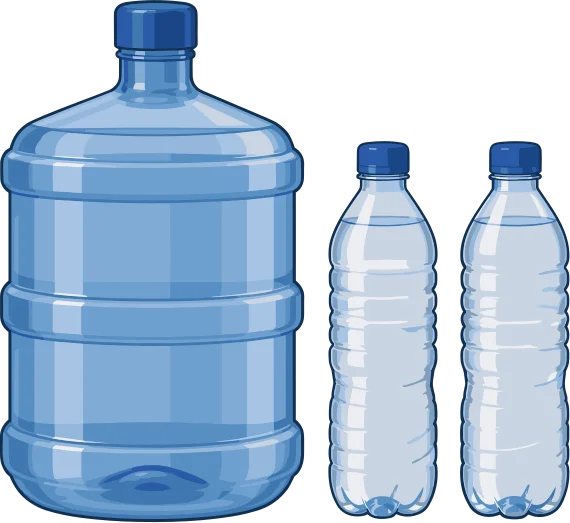
Water
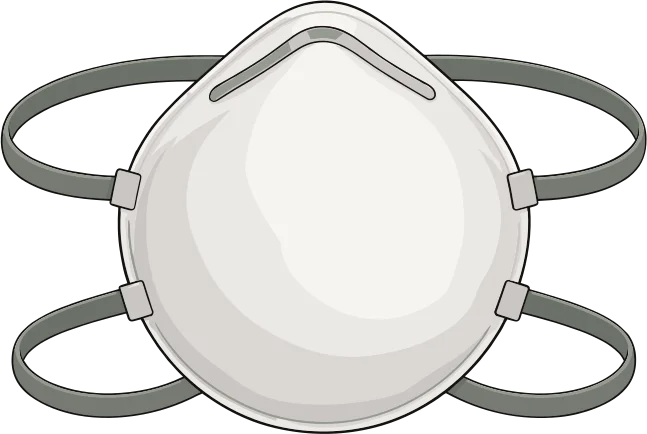
respiratory protection
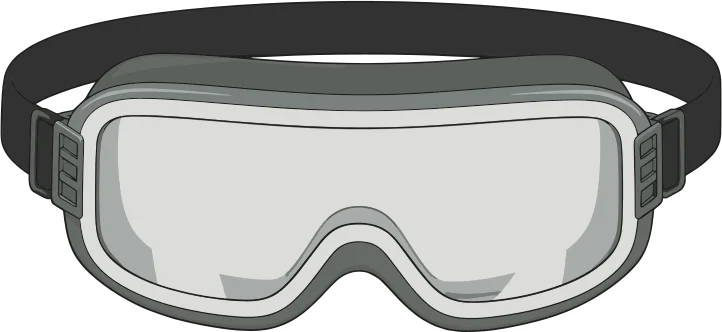
eye protection
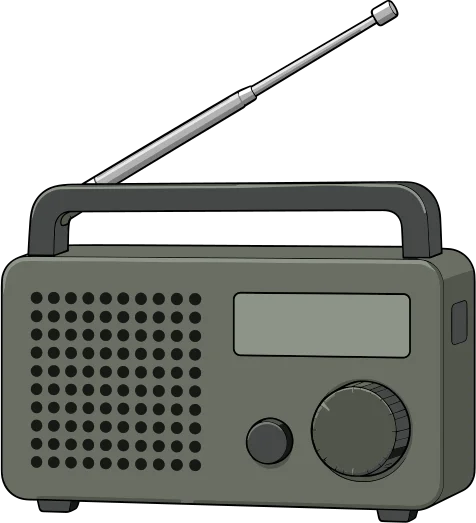
radio
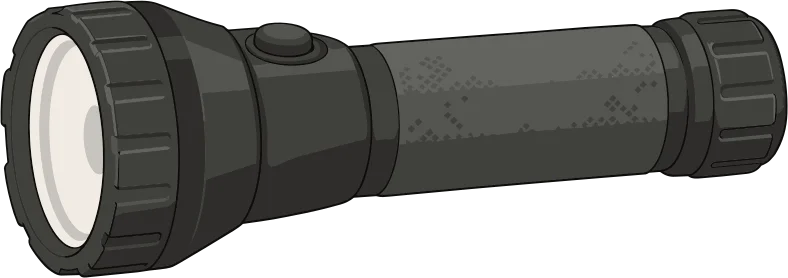
flashlights
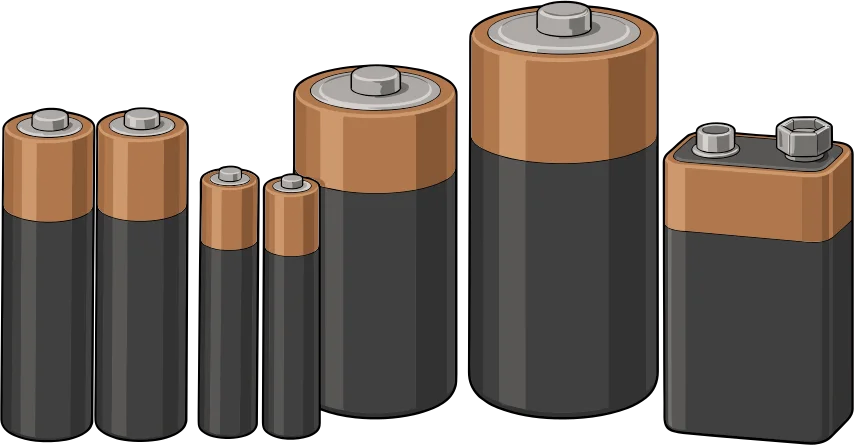
batteries
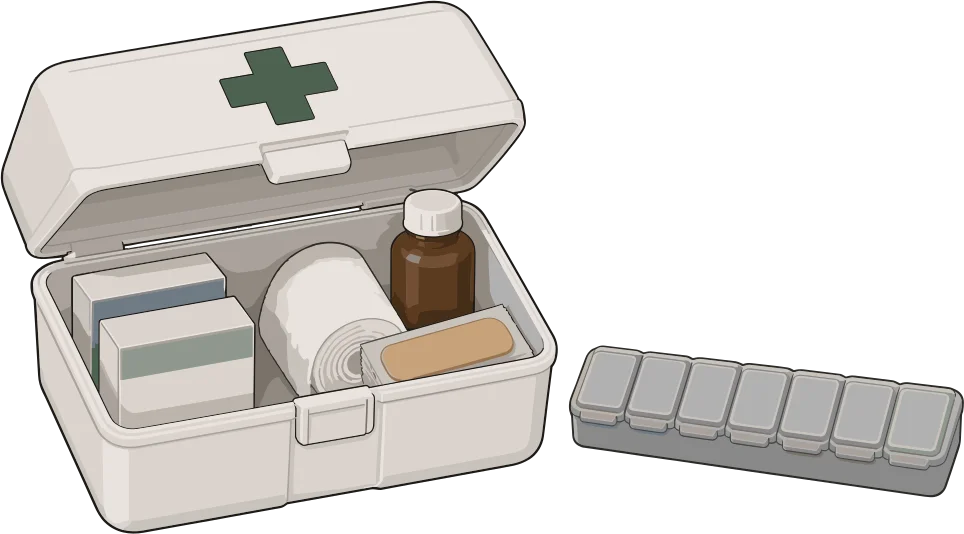
medications
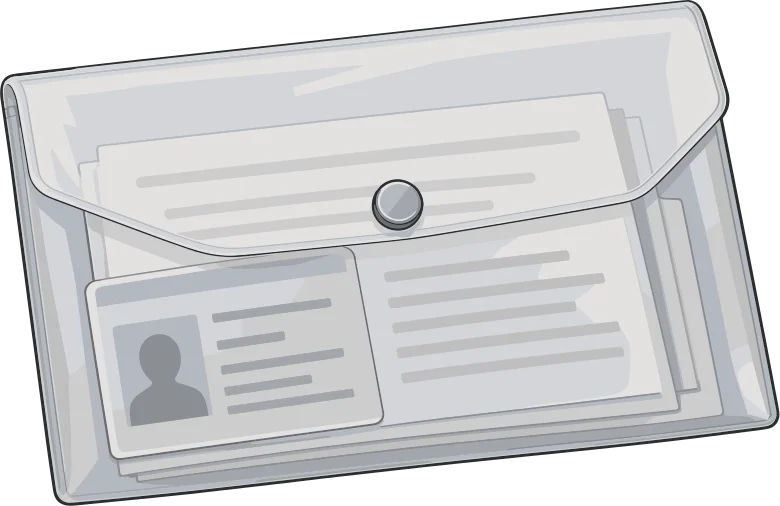
documentation
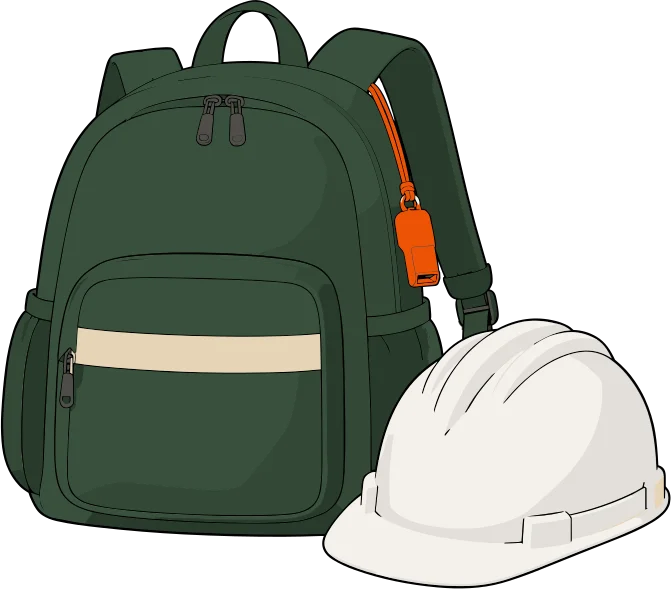
evacuation items.
Volcanic activity can resume.
3.35BE READY TO EVACUATE AGAIN
During recovery, the following can occur:
- A new eruption
- a new evacuation order
- a lahar
- heavy rain
- a fire
- structural deterioration
- another secondary hazard.
For that reason, keep:
- The evacuation routes identified
- those in charge available
- communication systems operational
- supplies prepared
- essential documentation accessible.
3.36REVIEW THE FAMILY AND COMMUNITY PLAN AFTER THE EMERGENCY
Once the critical phase has passed, each family and each community must assess how they responded.
Review:
- What worked correctly
- what failed
- which instructions were confusing
- what resources were lacking
- what equipment proved insufficient
- what difficulties arose during the evacuation
- what problems vulnerable people had
- what difficulties came up with animals
- what communication problems occurred
- what changes need to be made.
The experience should be used to improve the plan.
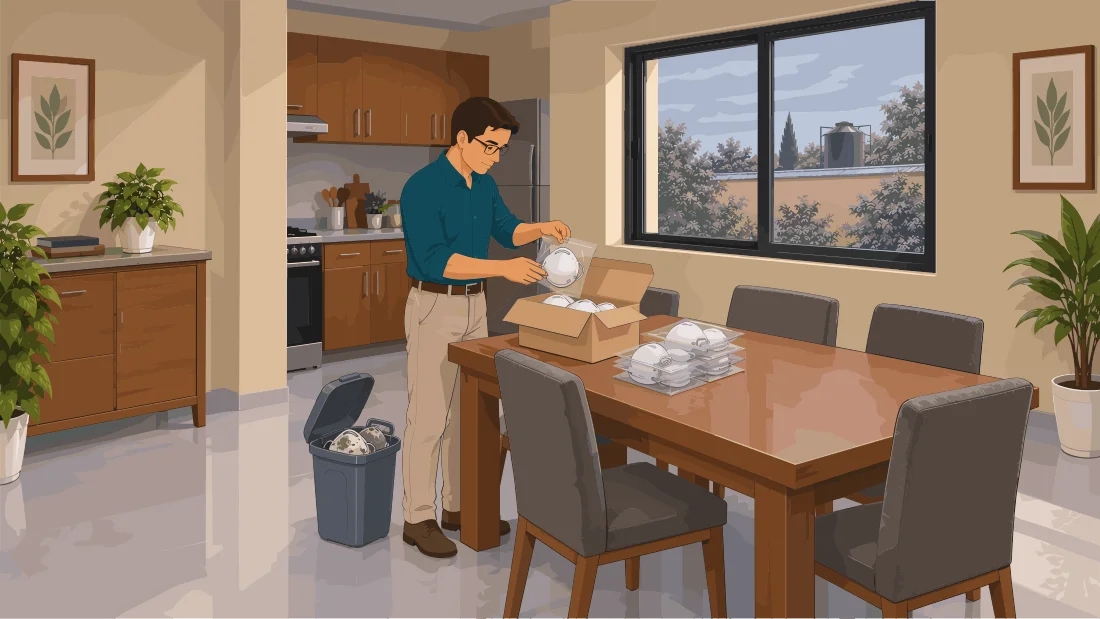
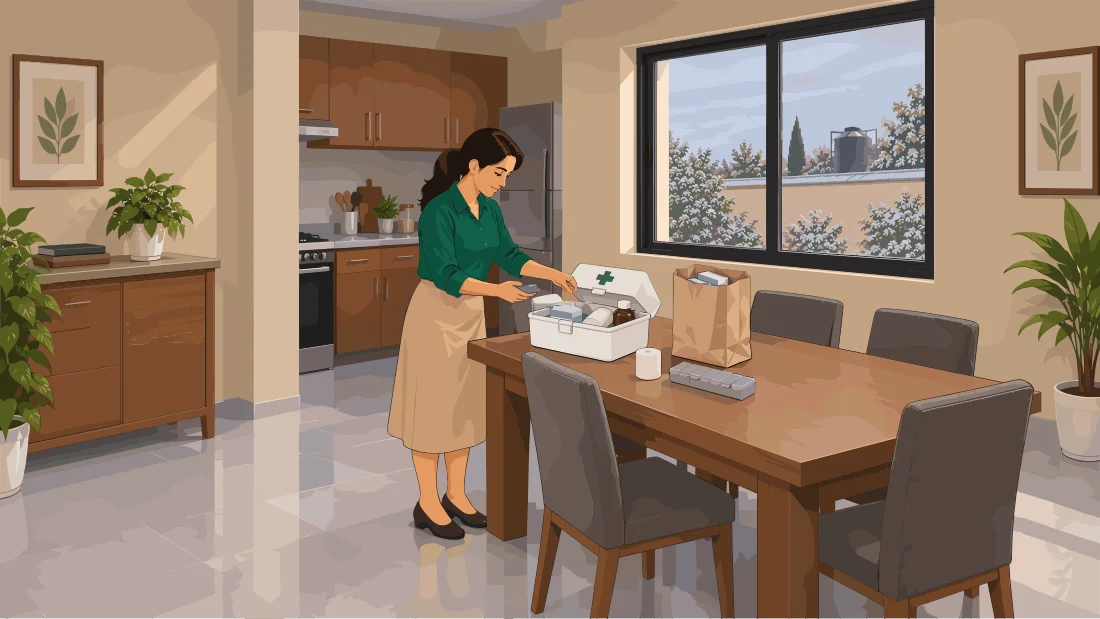
3.37REPLENISH SUPPLIES THAT WERE USED
After the emergency:
Replace medications and authorized items
replace used respirators
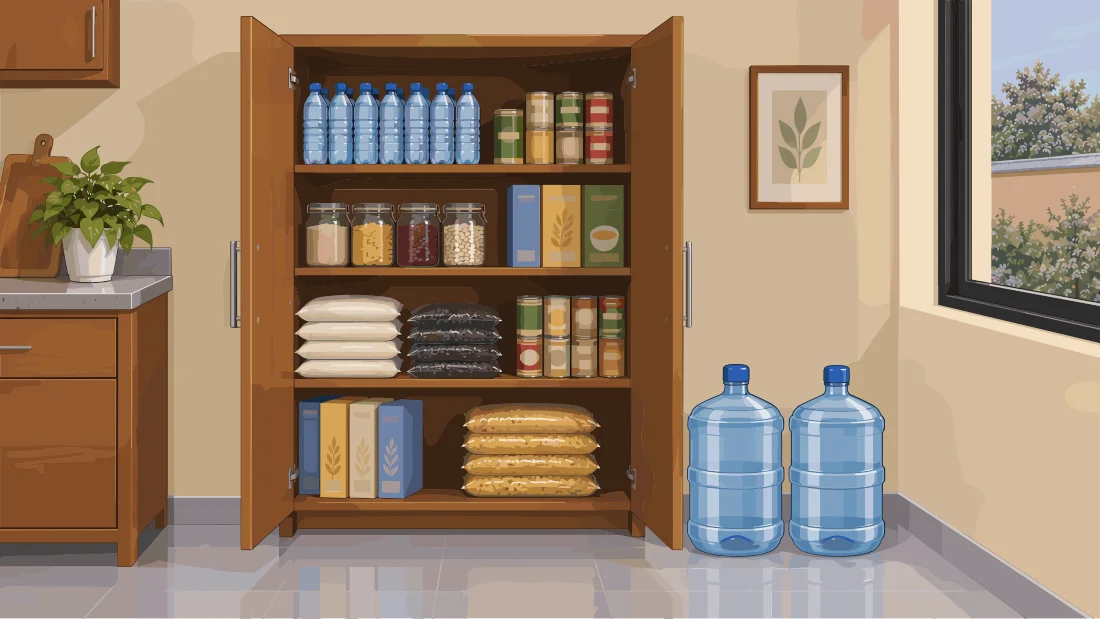
replenish water and food
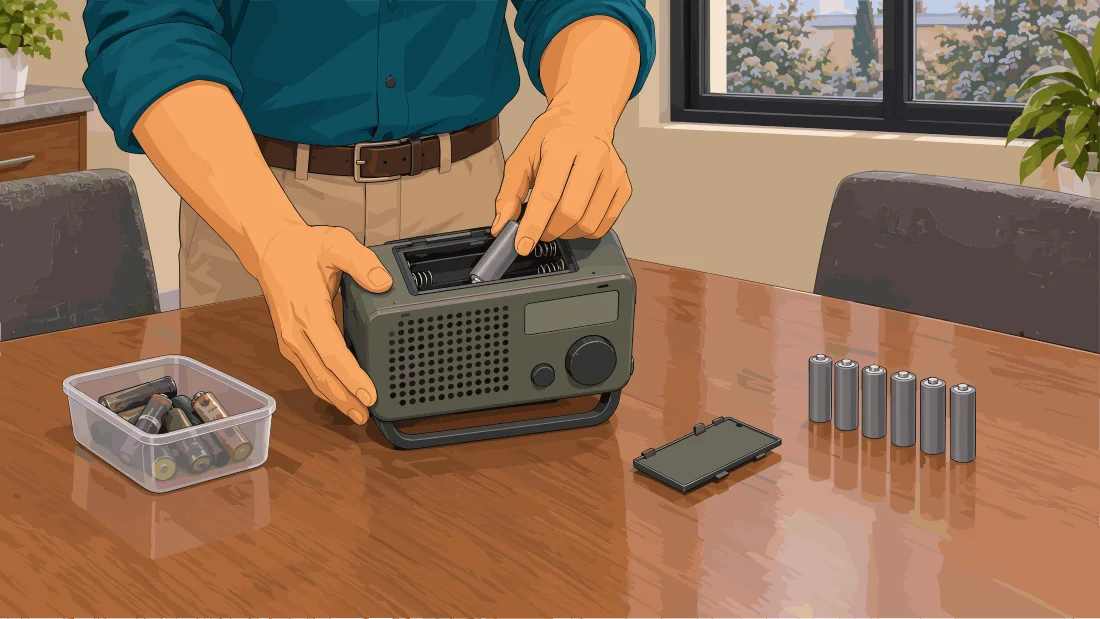
change batteries
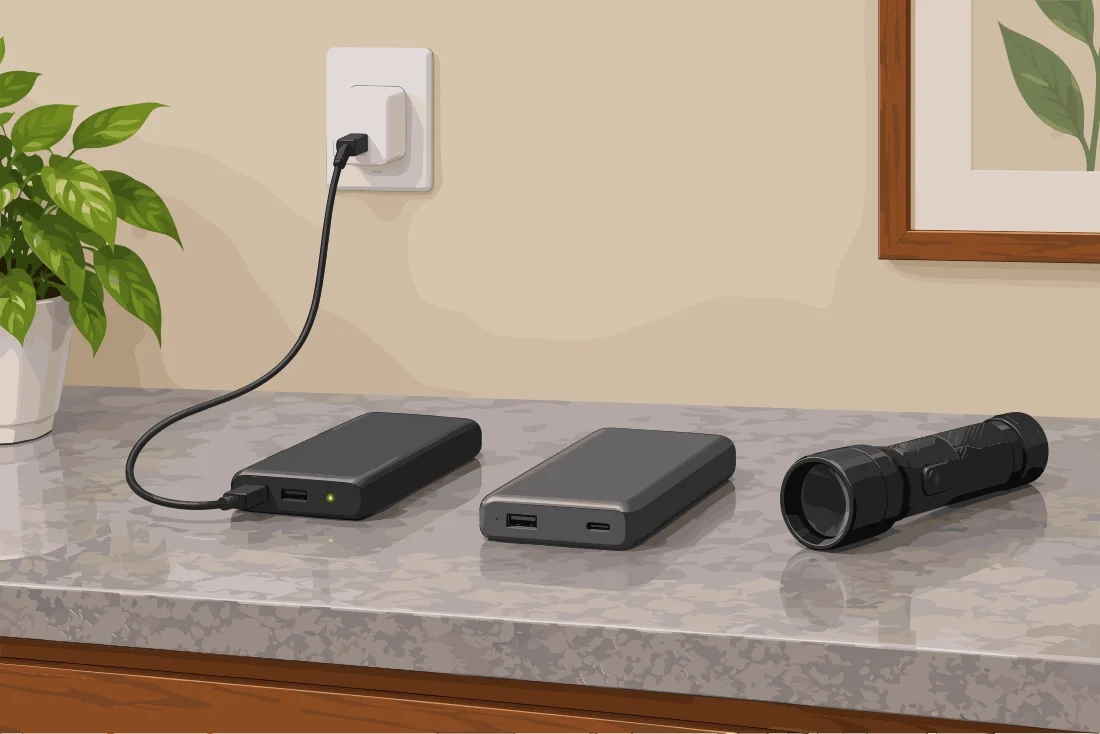
recharge external power banks
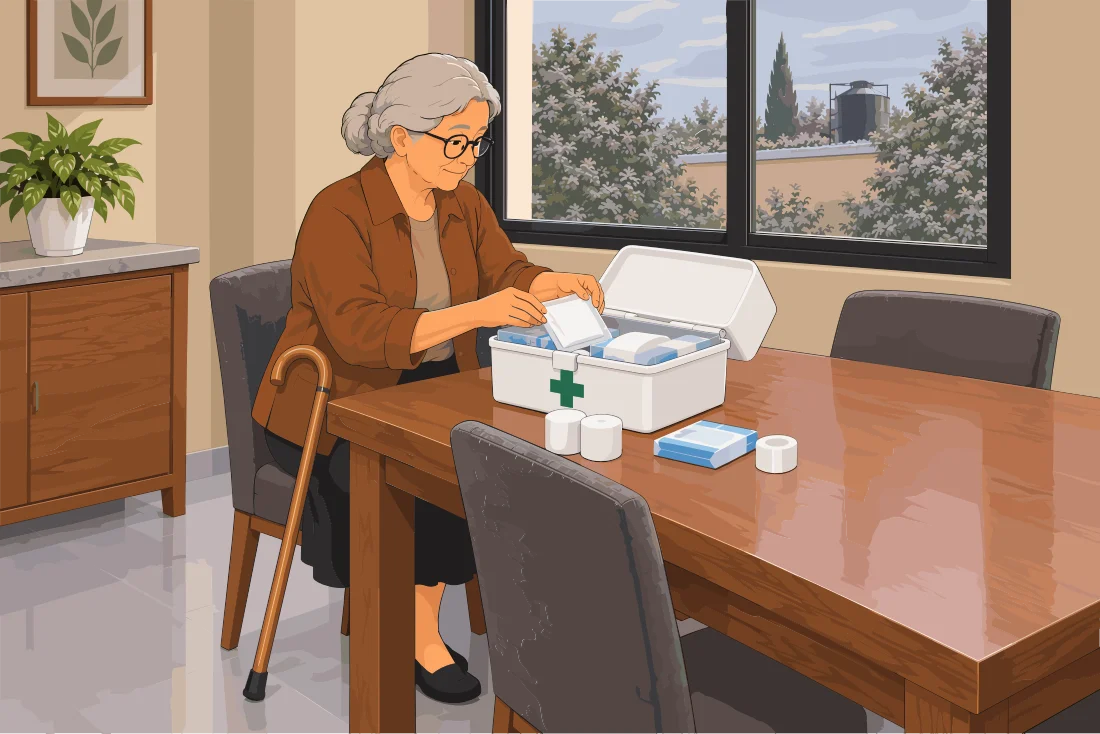
replenish first aid materials
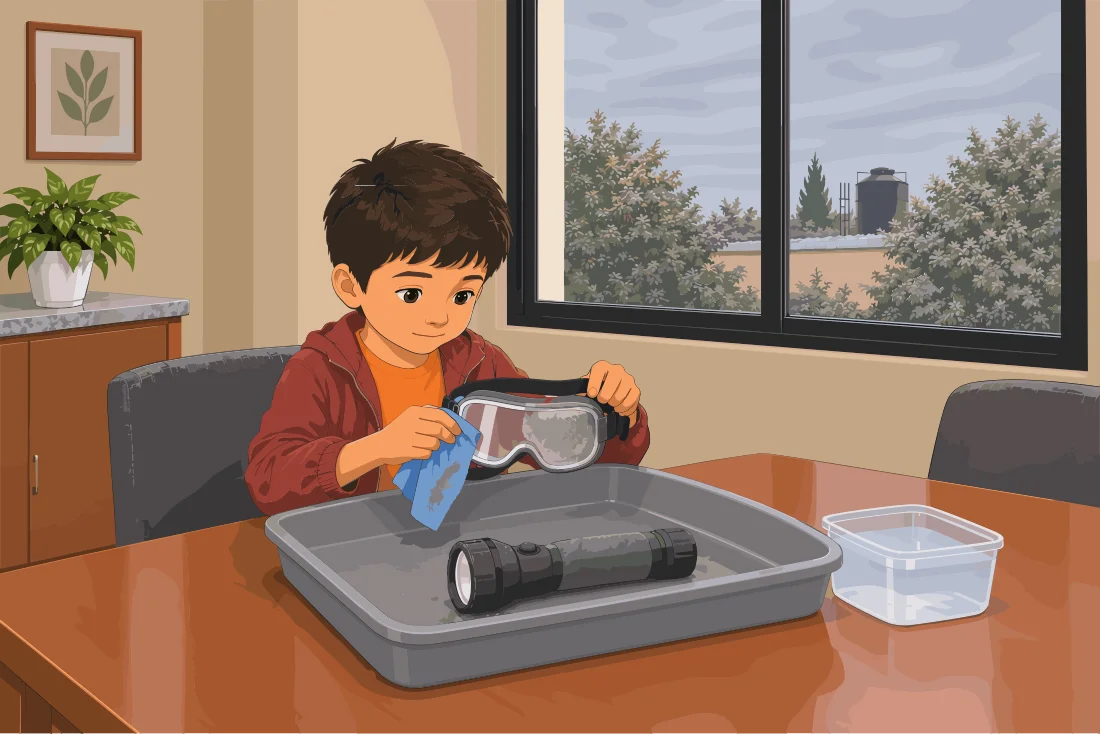
clean or replace equipment
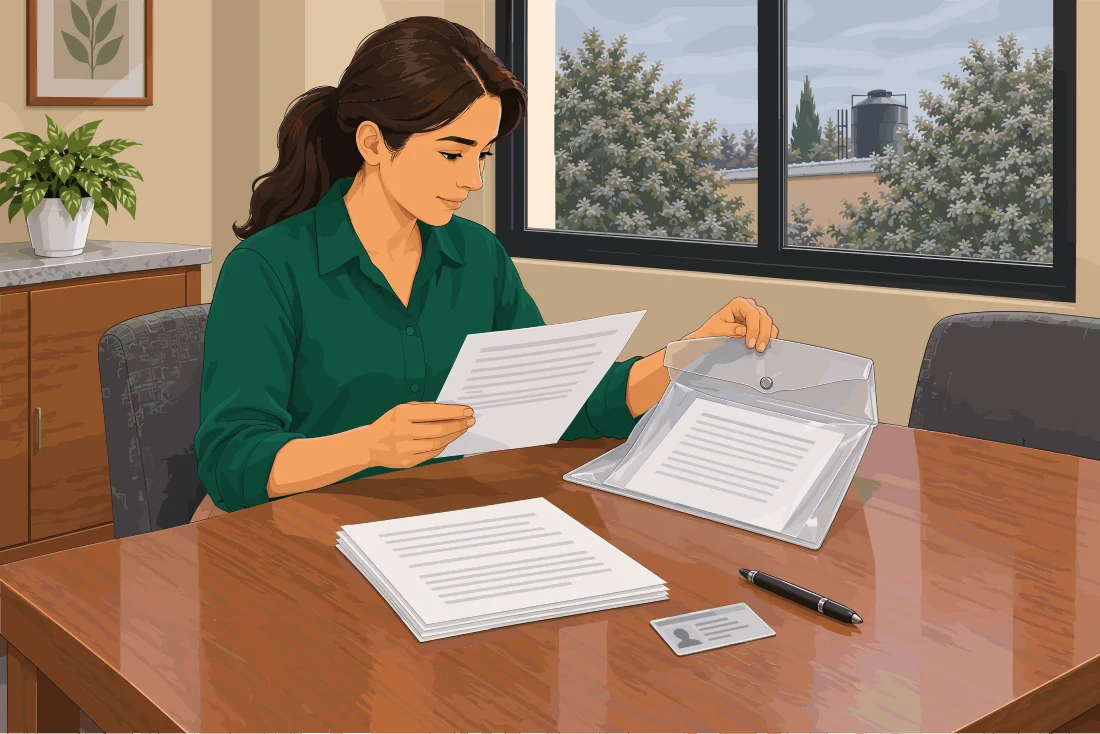
update documentation.
3.38PRESERVE THE FAMILY AND COMMUNITY MEMORY OF THE EVENT
When possible, document the experience.
Record:
- Timeline
- alerts received
- decisions made
- evacuations
- difficulties
- damage
- recovery actions
- lessons learned.
This information can be very useful for future training, drills, and plan reviews.
3.39FUNDAMENTAL PRINCIPLE AFTER AN ERUPTION
Recovery does not begin when the eruption visually disappears. It begins when the authorities allow it. This process can continue for days, weeks, or longer.
Four priorities must be maintained during this stage:
- AVOID NEW CASUALTIES.
- DO NOT RETURN TO AREAS THAT REMAIN RESTRICTED.
- CARRY OUT CLEANUP AND RECOVERY WITHOUT CREATING NEW RISKS.
- STAY PREPARED FOR POSSIBLE RENEWED ACTIVITY OR A SECONDARY HAZARD.
FINAL REMINDER
AFTER A VOLCANIC ERUPTION:
- Wait for official authorization before returning.
- stay informed.
- remember that new eruptive episodes can occur.
- stay alert for lahars, especially during rain.
- do not enter structurally unsafe buildings.
- check roofs and structures before normally occupying the home or community spaces.
- do not touch fallen electrical cables.
- do not handle damaged gas installations.
- use respiratory and eye protection while cleaning up ash.
- reduce the exposure of vulnerable people.
- Lightly dampen the ash, when appropriate, to avoid raising dust, but do not soak it.
- do not dump ash into drains or sewers.
- follow local instructions for collecting and disposing of it.
- check the safety of water and food.
- inspect affected vehicles and equipment.
- monitor the health of people and animals.
- document the damage.
- restore family and community activities gradually.
- replenish the supplies that were used.
- review and improve the emergency plan.
- stay ready for the possibility of another evacuation.
And fundamentally:
Downloads
© 2026 by Kingdom of Peace and Justice Center is licensed under Creative Commons Attribution-NonCommercial-NoDerivatives 4.0 International (CC BY-NC-ND 4.0). To view a copy of this license, visit creativecommons.org/licenses/by-nc-nd/4.0.