
2.1Put the institutional plan into action immediately
In the event of an alert, an order from the authorities, or confirmation of volcanic activity that could affect the facility, the institution’s established emergency plan must be put into action.
The response must be organized and led by those previously designated.
The person in overall charge must:
- Verify the information through official sources;
- determine which level of response applies according to the instructions received;
- notify the people in charge of each sector;
- arrange for preparation to evacuate or shelter in place, as applicable;
- maintain communication with the authorities and emergency services;
- make sure instructions reach every area of the establishment;
- give priority to protecting people over property.

2.2Maintain clear leadership and avoid panic
During an emergency, the behavior of those in charge directly influences how others respond.
Instructions must be delivered firmly, calmly, and clearly.
The following must be avoided:
- Unnecessary shouting;
- simultaneous or contradictory orders;
- arguments in front of evacuated people;
- speculation about how the eruption will develop;
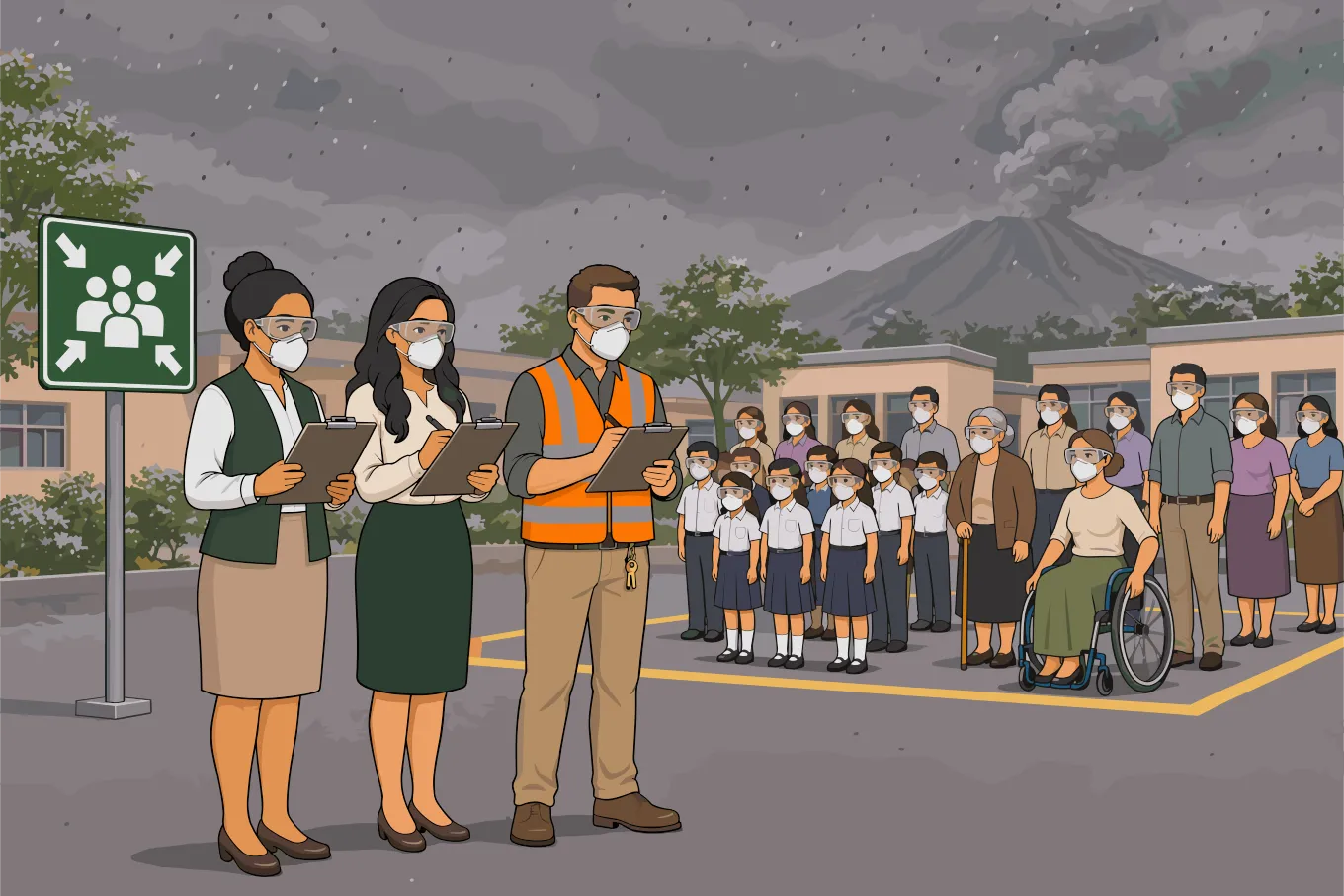
- spreading rumors;
- alarmist messages;
- individual decisions that go against the institutional procedure.

2.3Determine the correct action based on the danger
A volcanic emergency does not allow for a single response.
Depending on the phenomenon, the institution’s location, and the official instructions, it may be necessary to:
- Evacuate immediately;
- prepare for a precautionary evacuation;
- remain temporarily inside the facility;
- move to a more protected interior section;
- leave certain areas without evacuating the entire facility;
- suspend activities and restrict access.

The same response must not be applied automatically to every volcanic phenomenon. Ashfall, lahar, pyroclastic flow, the presence of gases, or a precautionary evacuation order all represent different scenarios.
2.4If the authorities order an evacuation
PRINCIPLE OF ACTION:
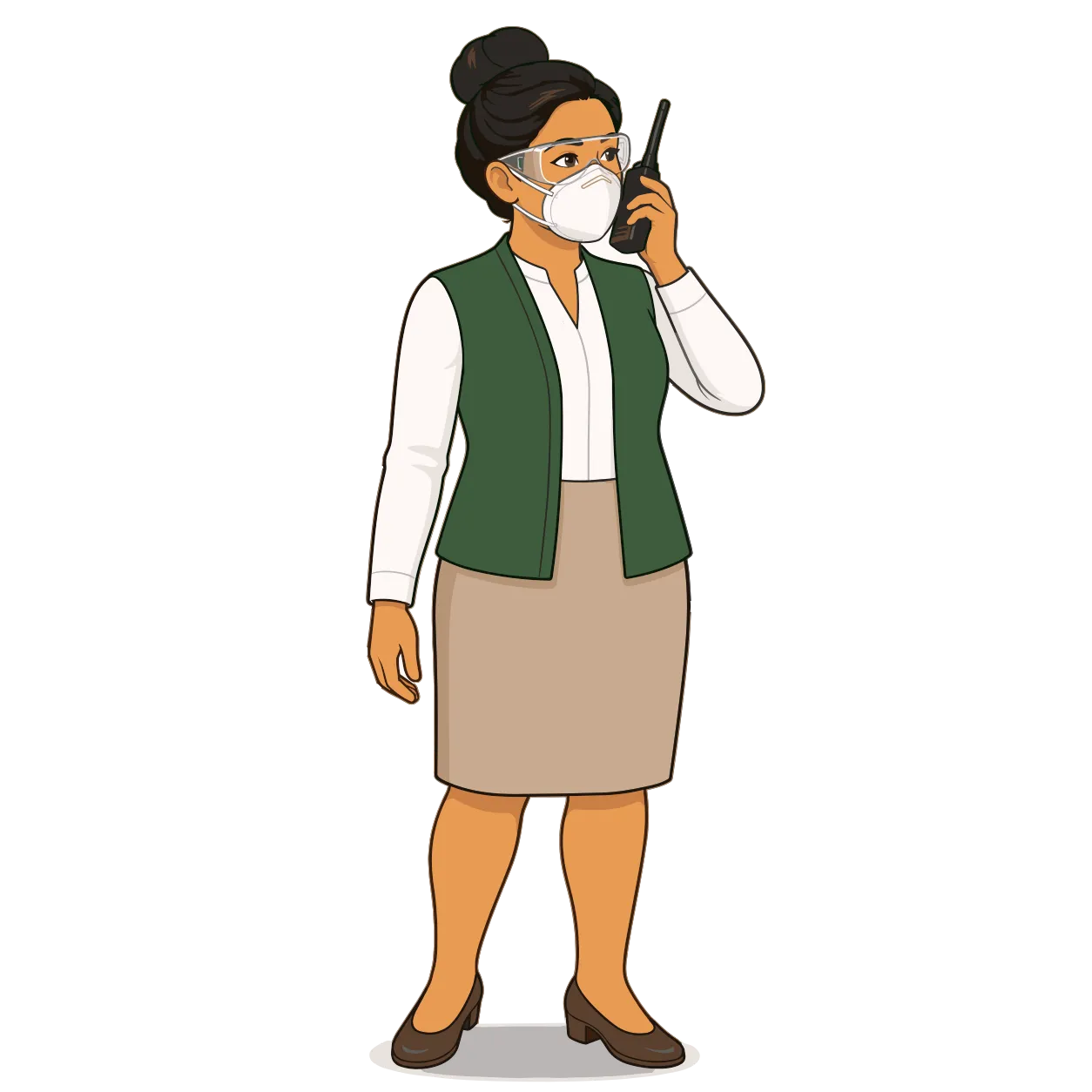
RECEIVE OFFICIAL INFORMATION
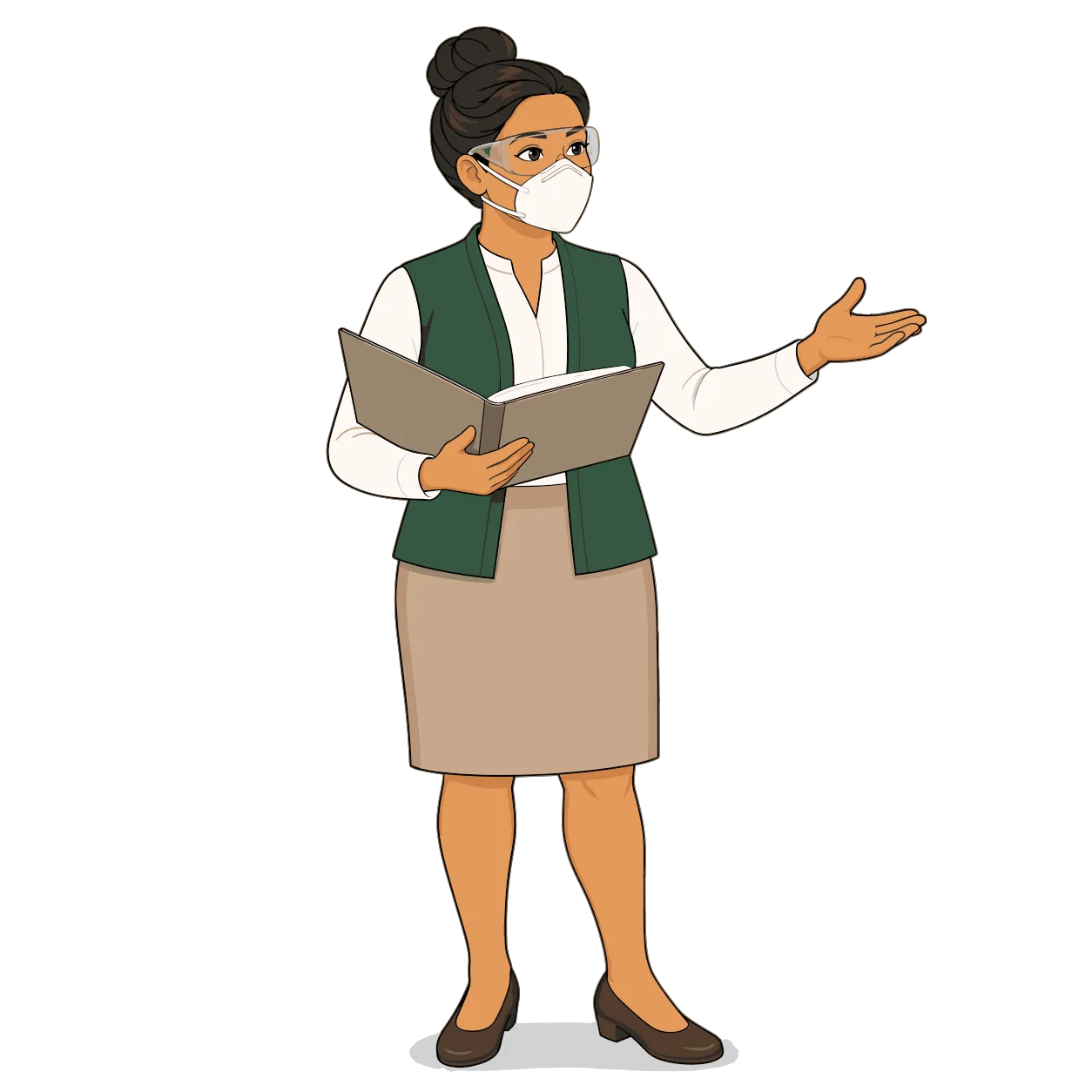
PUT THE PLAN INTO ACTION
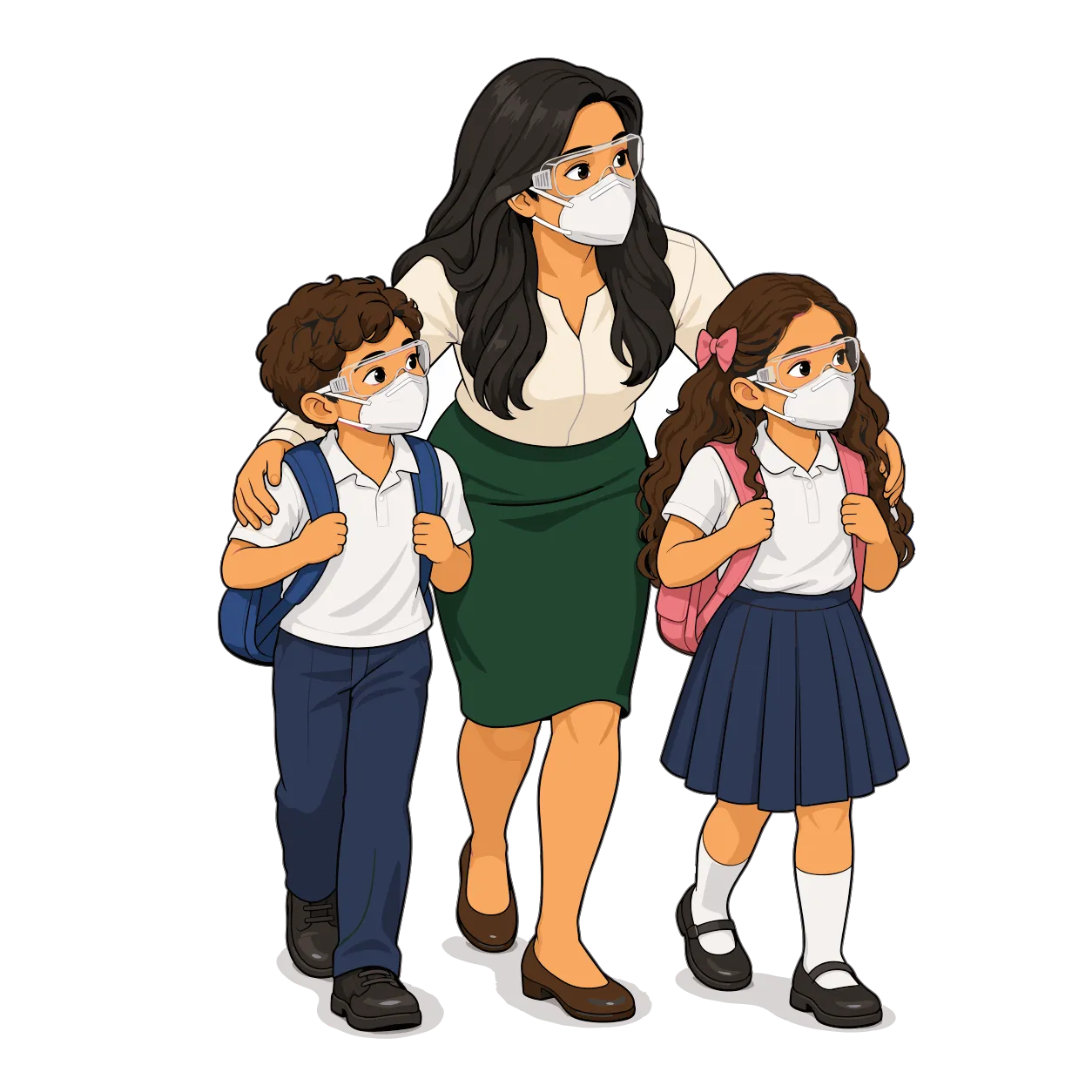
PROTECT PEOPLE
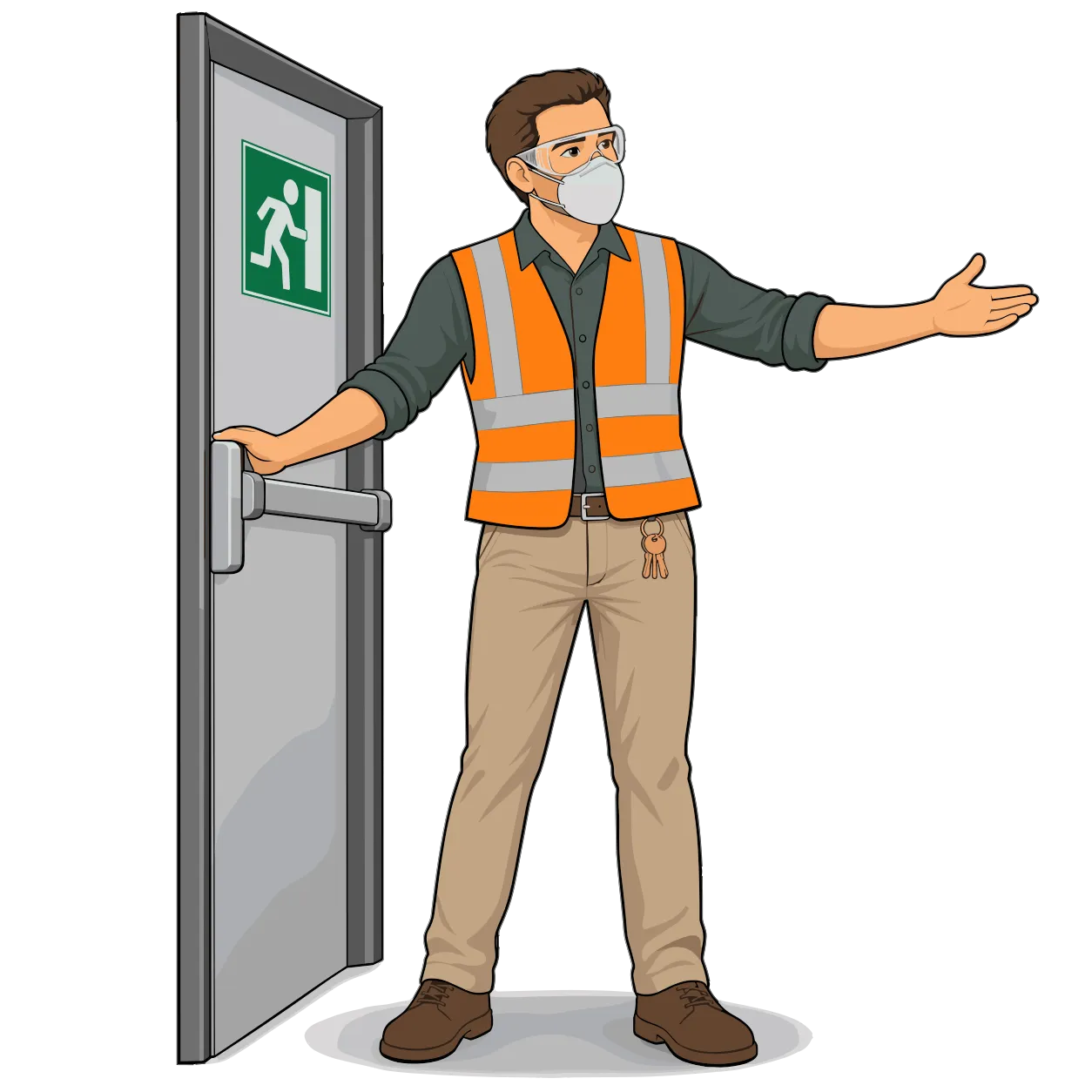
EVACUATE OR SHELTER IN PLACE, AS APPLICABLE.
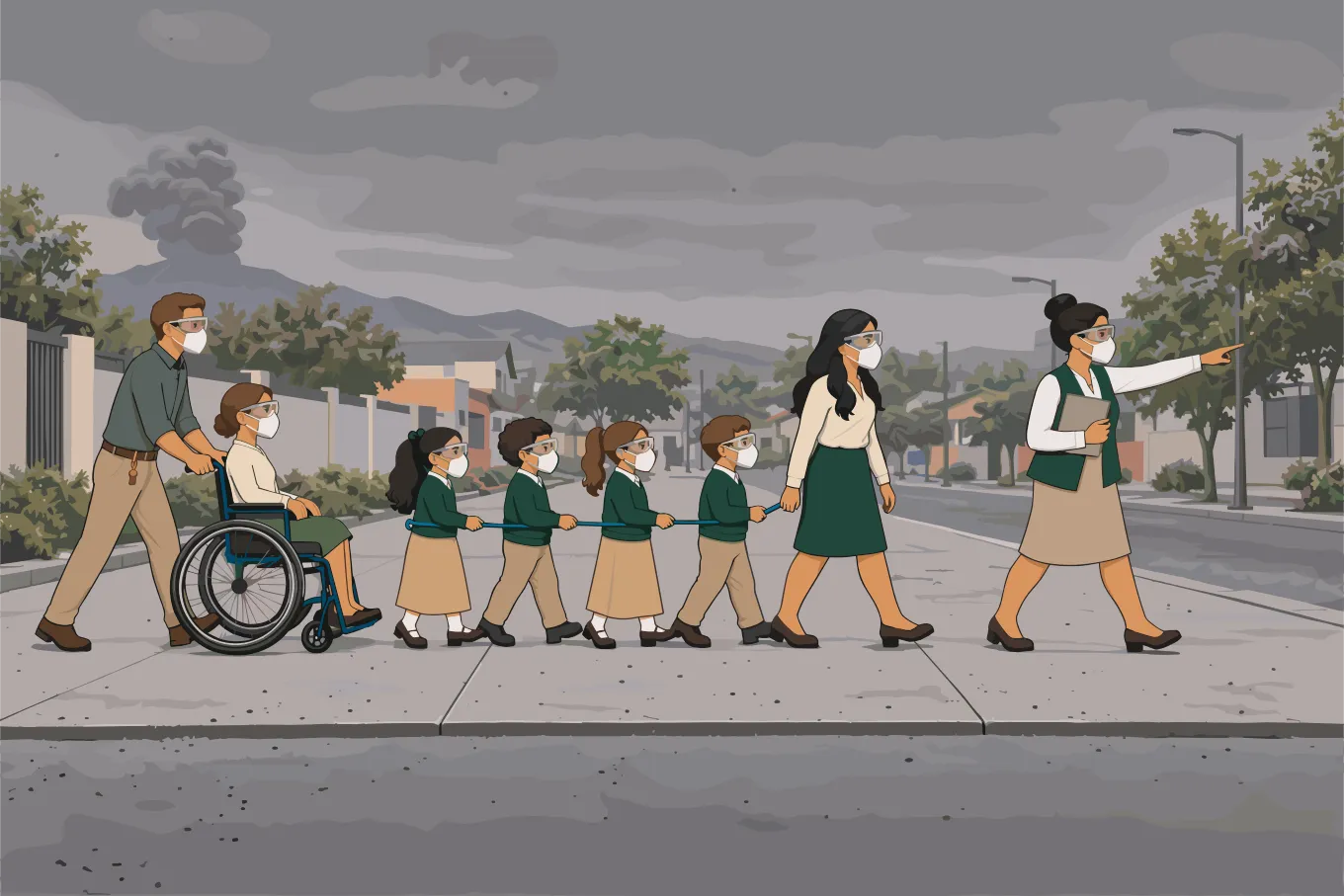
An official evacuation order must be followed without unnecessary delay.
Movement must not wait for the eruption to be directly observed or its effects to be felt.
The institutional lead must:
- Communicate the order immediately;
- notify the people in charge of each sector;
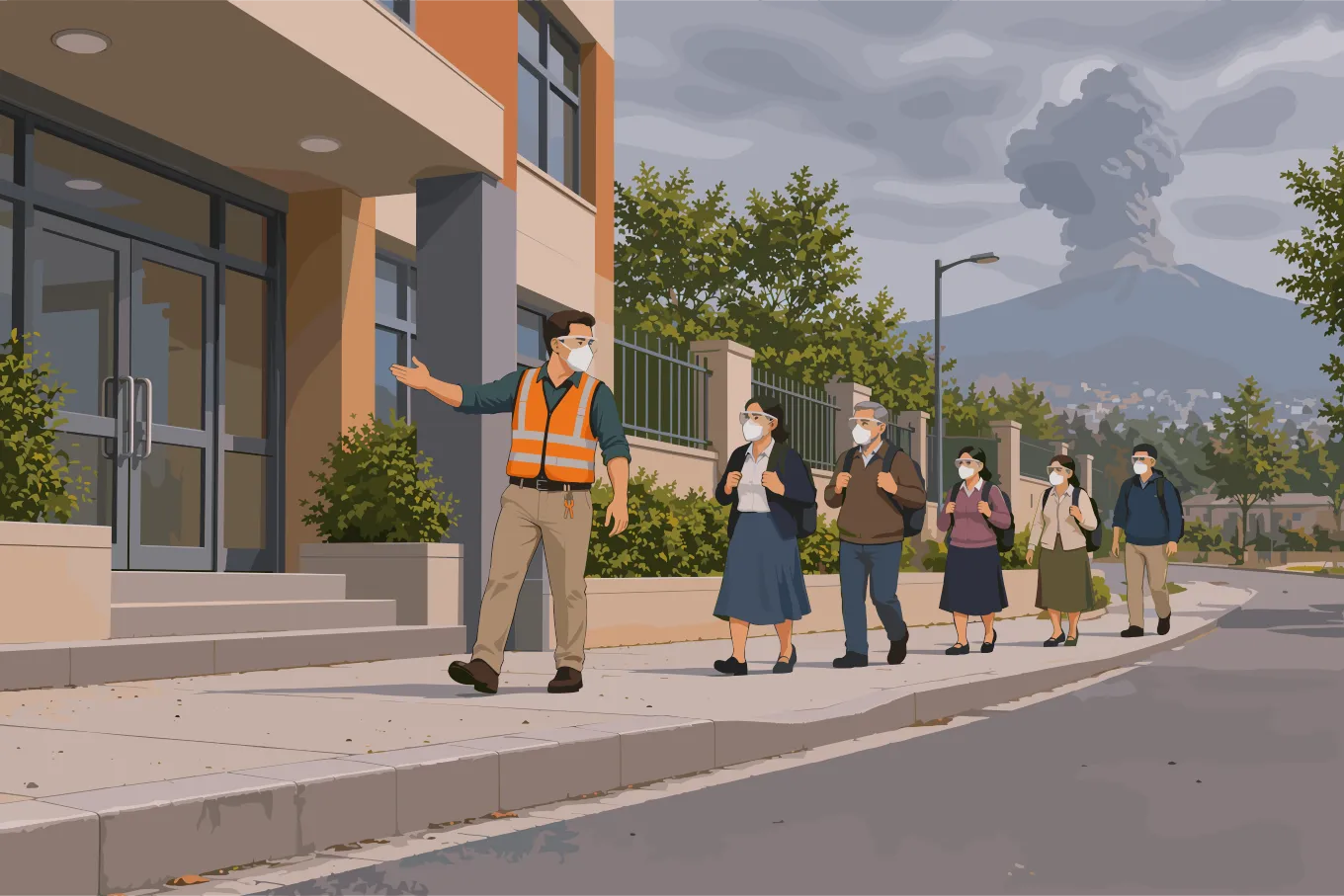
- indicate the corresponding exits and routes;
- keep groups organized;
- avoid running, pushing, and uncontrolled movement;
- assign assistance to those who need it;
- keep children with their groups;
- bring essential records when they are available and can be taken without delaying the evacuation;
- head exclusively along the authorized routes;
- move people to the indicated safe point, shelter, or destination;
- carry out a head count as soon as conditions allow.
2.5Do not delay the evacuation to recover belongings
Once the evacuation has begun, no one should go back to look for:
- phones,
- bags,
- documents,
- money,
- clothing,
- computers,
- personal vehicles,
- pets,
- personal belongings,
- medications that are not immediately essential.



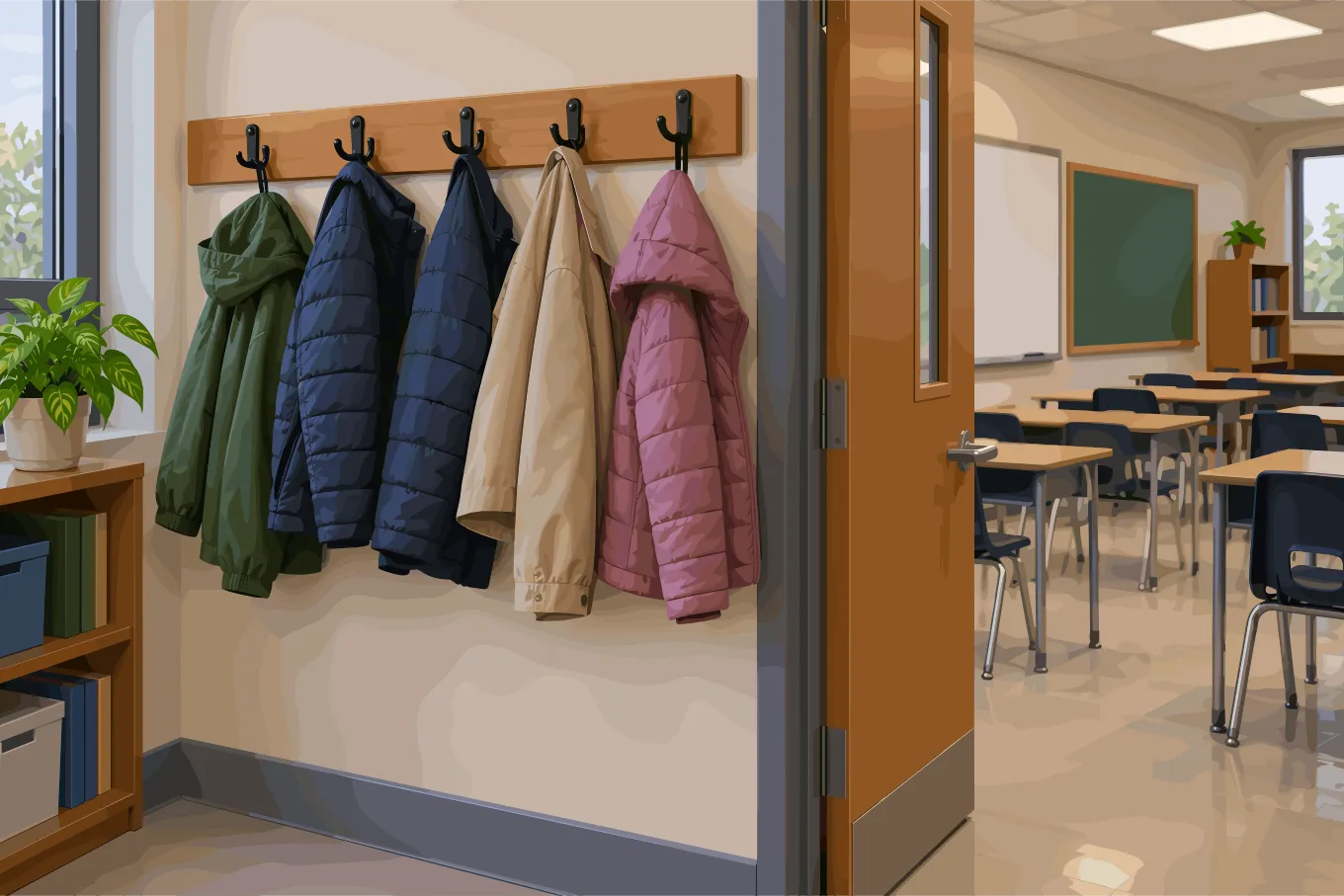
Property can be recovered later if the authorities allow a return.
2.6Do not use the building as shelter when evacuation is required
A closed building can offer shelter against certain ashfall conditions, but it does not provide adequate protection against every volcanic hazard.
When the authorities order an evacuation because of the threat of:
- pyroclastic flows;
- lahars;
- explosions;
- ballistic projectiles;
- certain lava flows;
- dangerous gas concentrations;
- other phenomena requiring that the area be left;
remaining inside the establishment does not substitute for evacuating.
2.7Use only safe evacuation routes
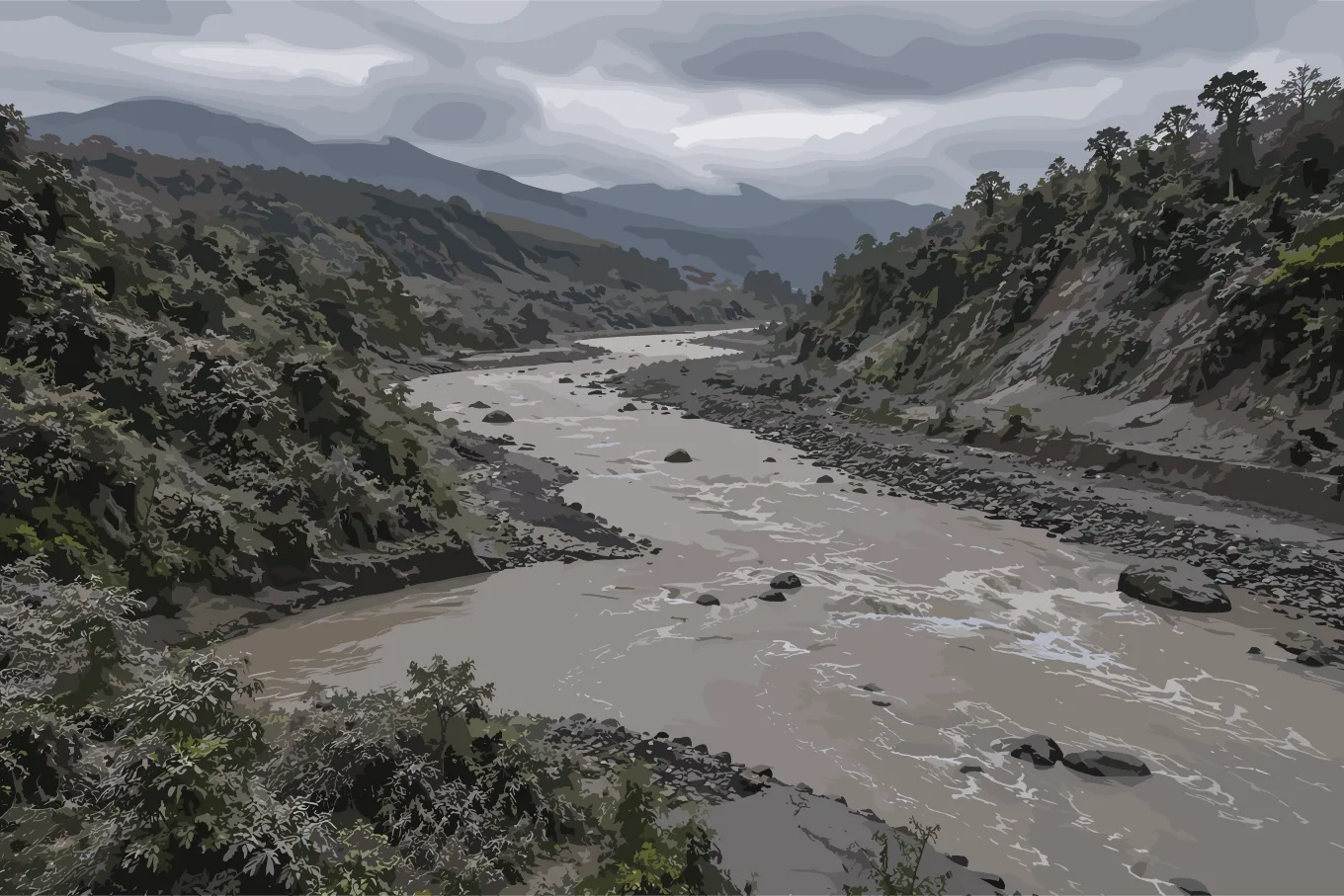
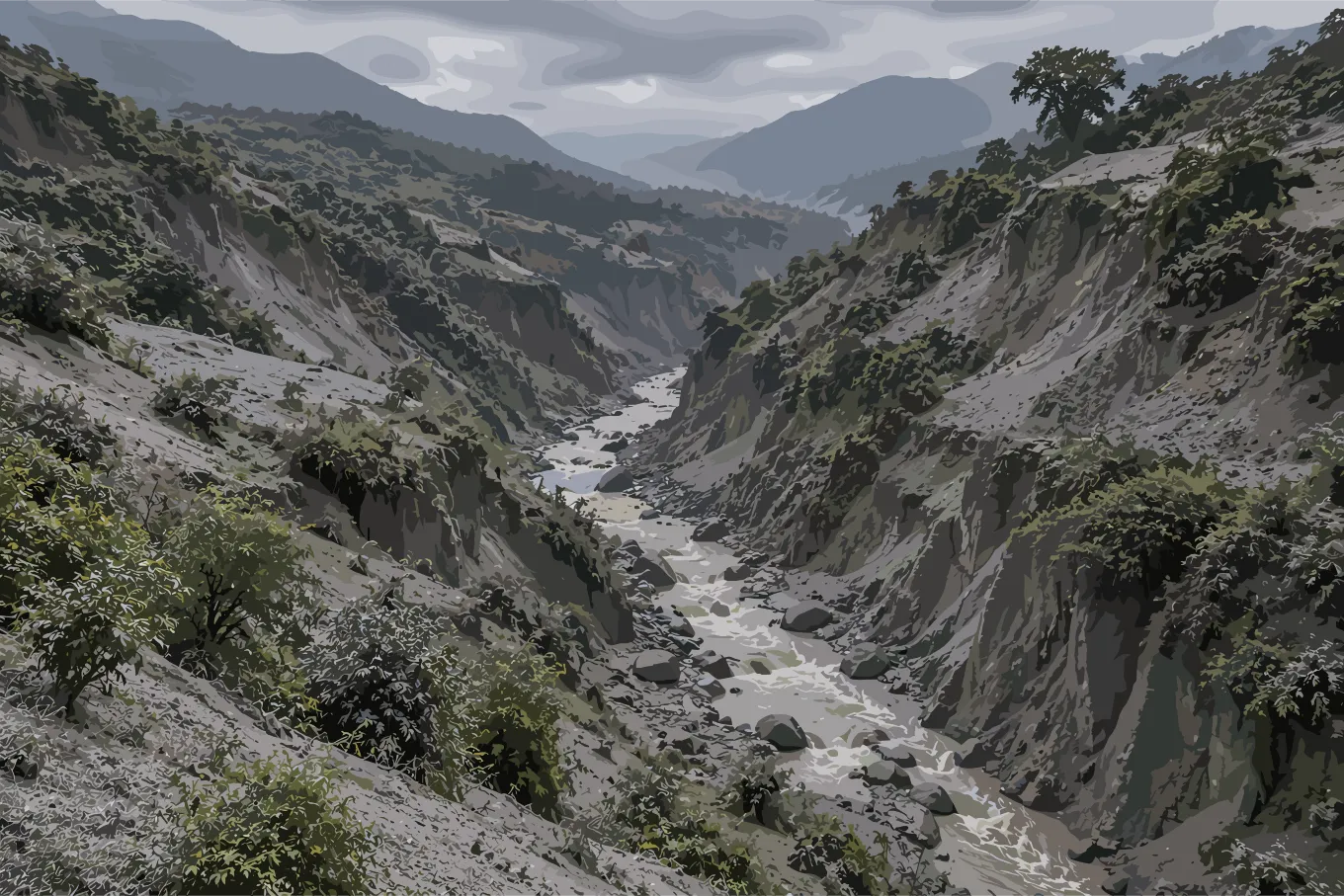
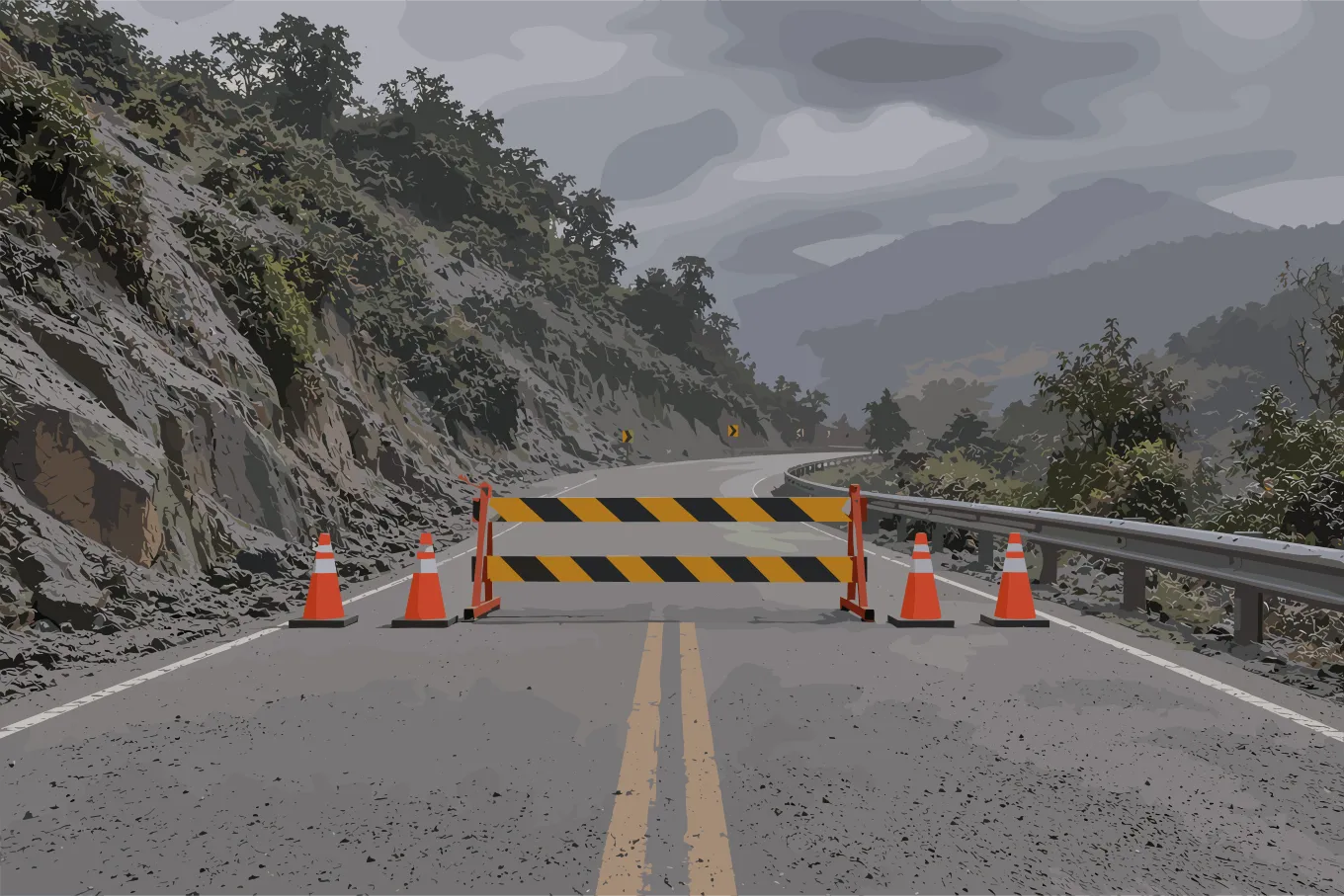
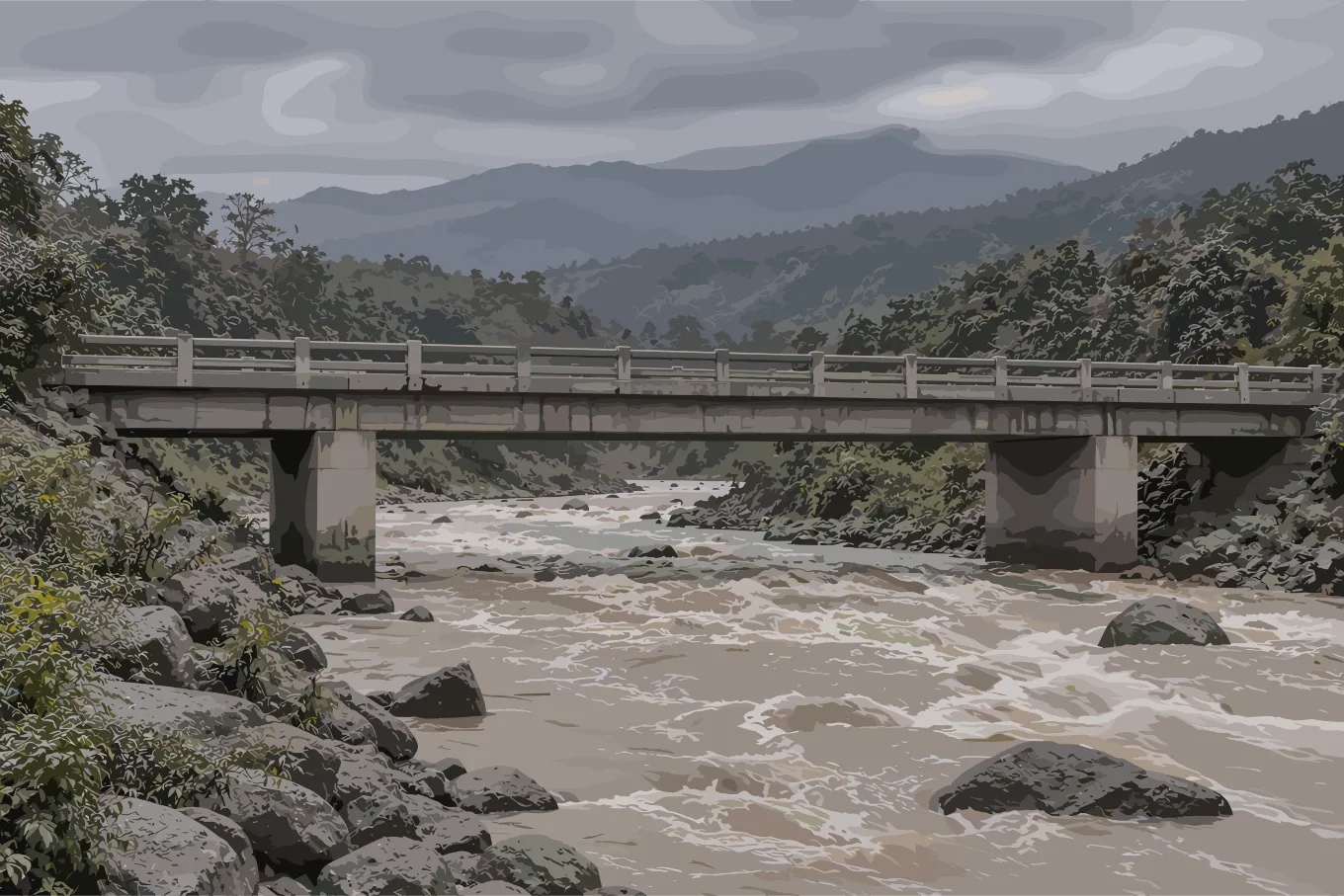
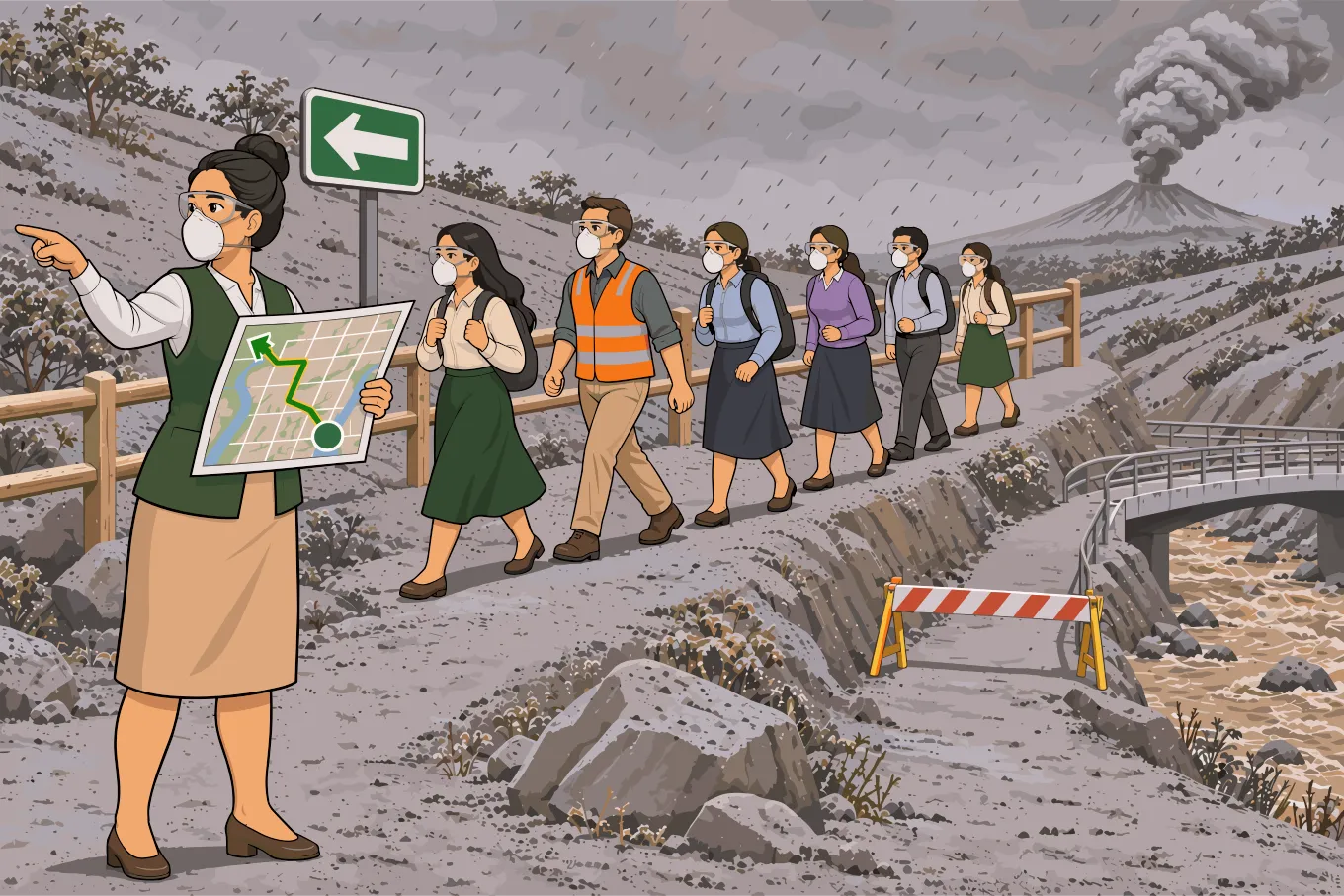
During a volcanic emergency, some roads may appear to offer a faster way to safety but actually pass through dangerous areas.
Shortcuts and improvised routes must not be used.
Routes through zones officially identified as dangerous must be especially avoided, including, depending on the scenario:
- waterways,
- ravines,
- gullies,
- valley floors,
- low-lying areas exposed to lahars,
- sectors closed by the authorities,
- bridges over waterways that could be affected.
2.8Control the evacuation by sector
When conditions allow it to be done without putting staff at risk, each sector’s leads must direct occupants toward the planned exits.
Special attention must be paid to:
- restrooms,
- offices,
- secondary halls,
- changing rooms,
- storage areas in regular use,
- public service areas,
- spaces designated for children,
- sections where isolated people could be found.
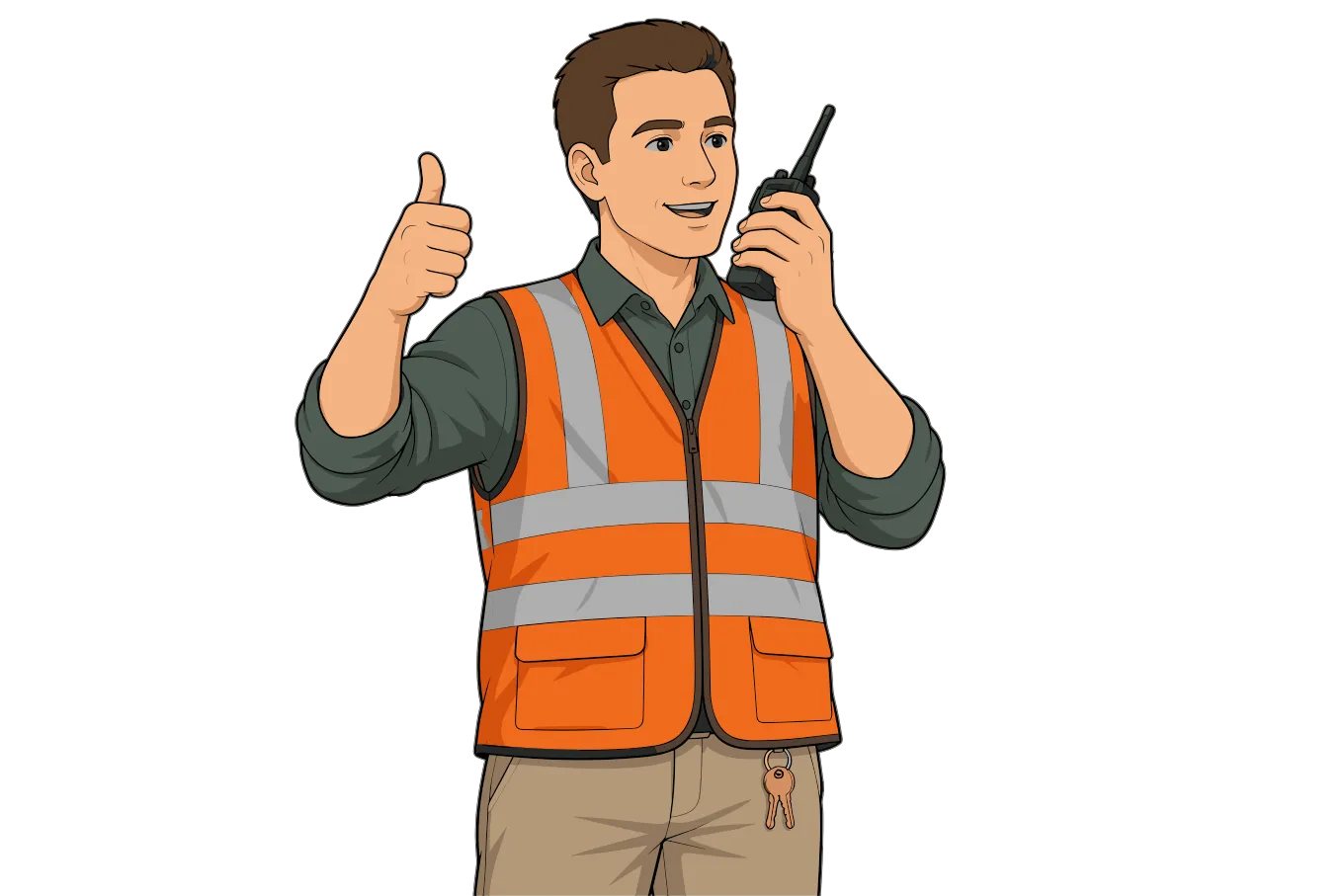
Once the exit is complete, each lead must report the status of their sector to the person in overall charge.
2.9If there is ashfall and no evacuation order
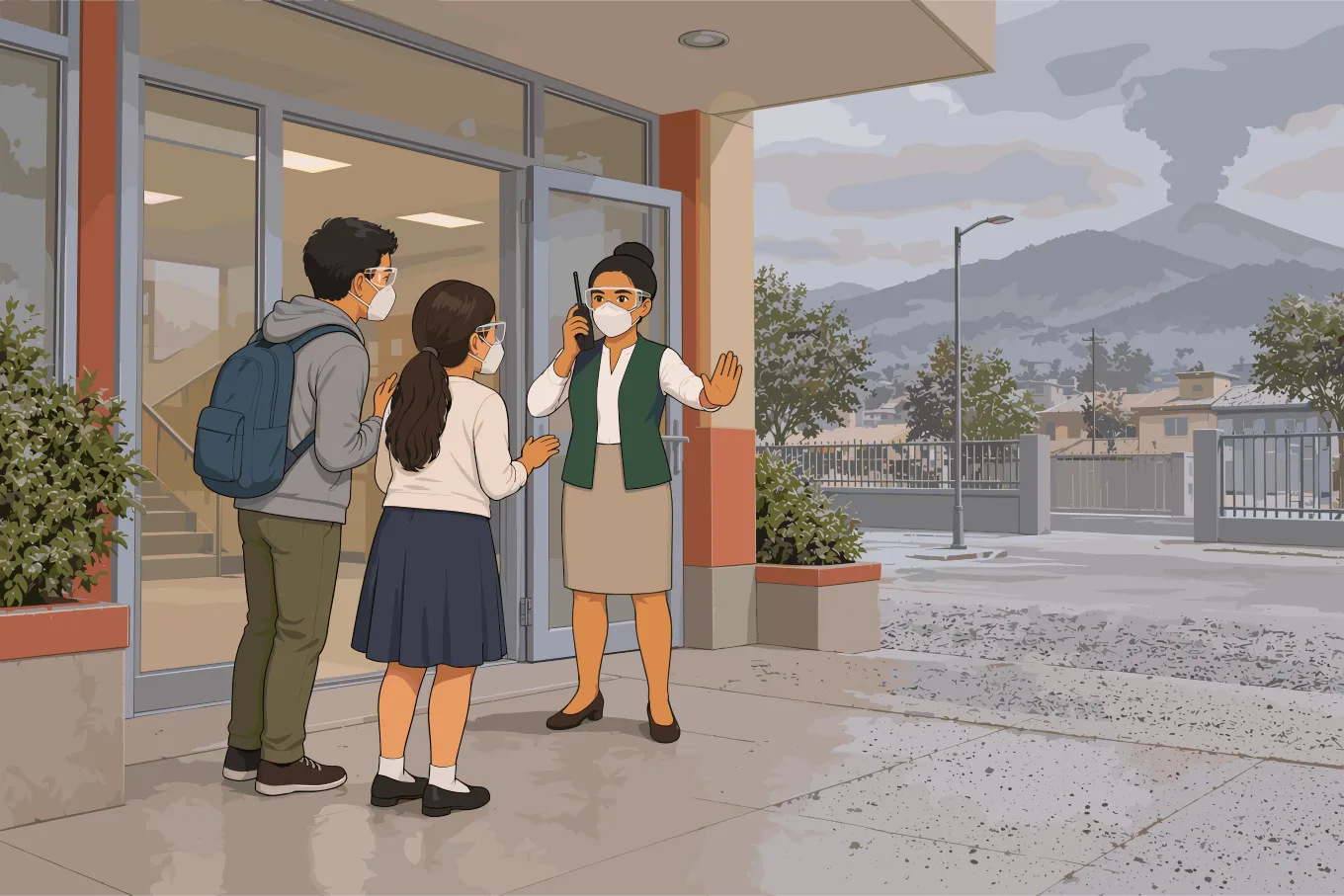
When the institution is outside other danger zones, there is no evacuation order, and the authorities recommend sheltering in place, people must stay indoors as much as possible.
The institution must:
- Close doors and windows;
- limit the entry of ash through openings;
- move people to the previously selected interior spaces;
- avoid opening doors unnecessarily;
- control ventilation systems that draw in outside air, according to the established procedure;
- protect water reservoirs;
- keep food covered;
- protect sensitive equipment;
- reduce outdoor activities to a minimum;
- keep personal protective equipment available;
- continuously follow official communications;
- remain ready to evacuate if that order is received afterward.
Sheltering in place does not mean the emergency has ended. Conditions can change and later require an evacuation.
2.10Reduce the entry of ash into the facility
During intense ashfall, the previously planned measures must be adopted to limit its entry.
When it is safe to do so:
- Keep doors and windows closed;
- use the planned materials to reduce entry through openings;
- avoid keeping doors open for prolonged periods;
- limit unnecessary movement between indoors and outdoors;
- control systems that draw in outside air;
- keep sensitive electronic and mechanical equipment protected;
- establish, where possible, a controlled point of entry and exit.
2.11If people are outdoors during ashfall
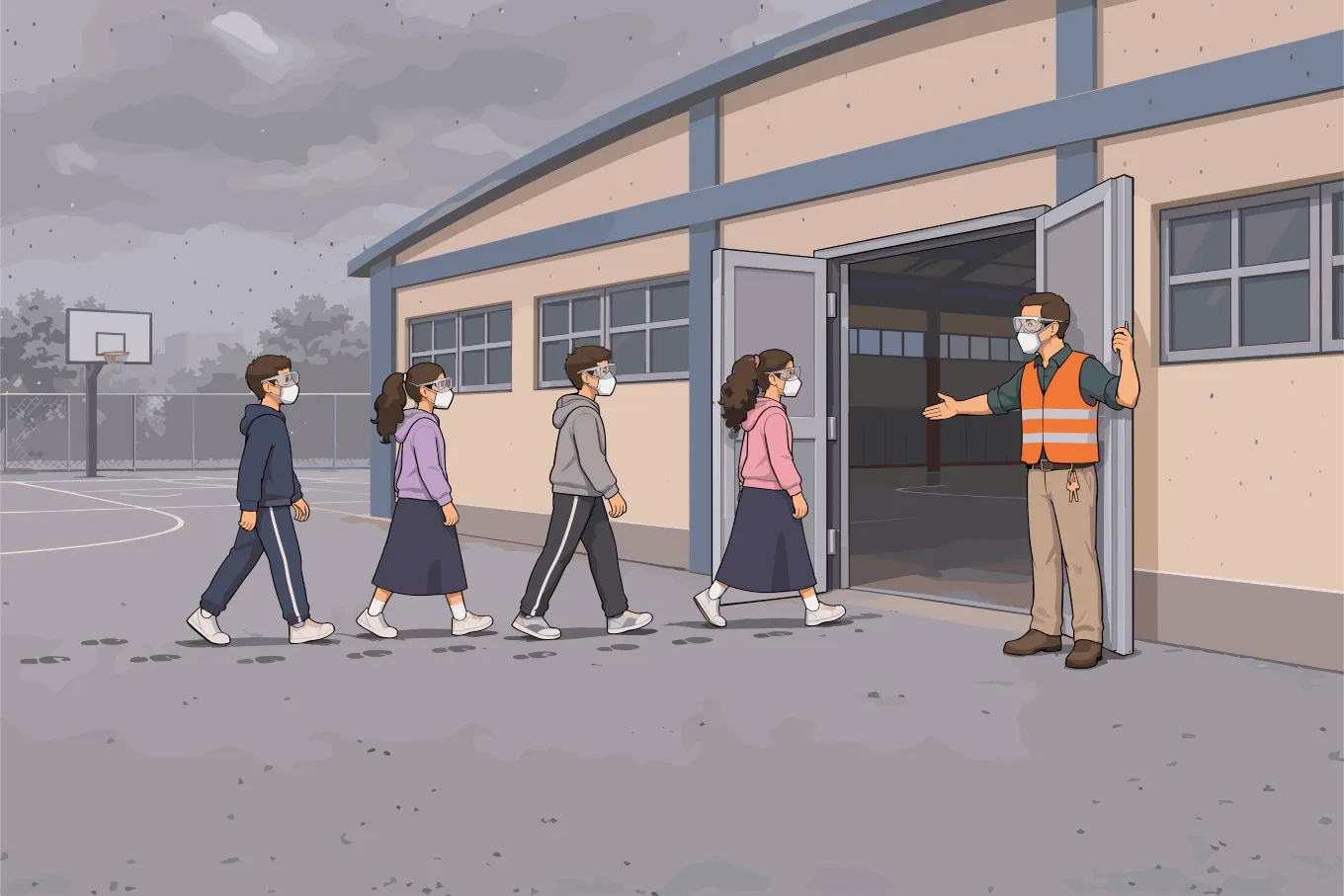
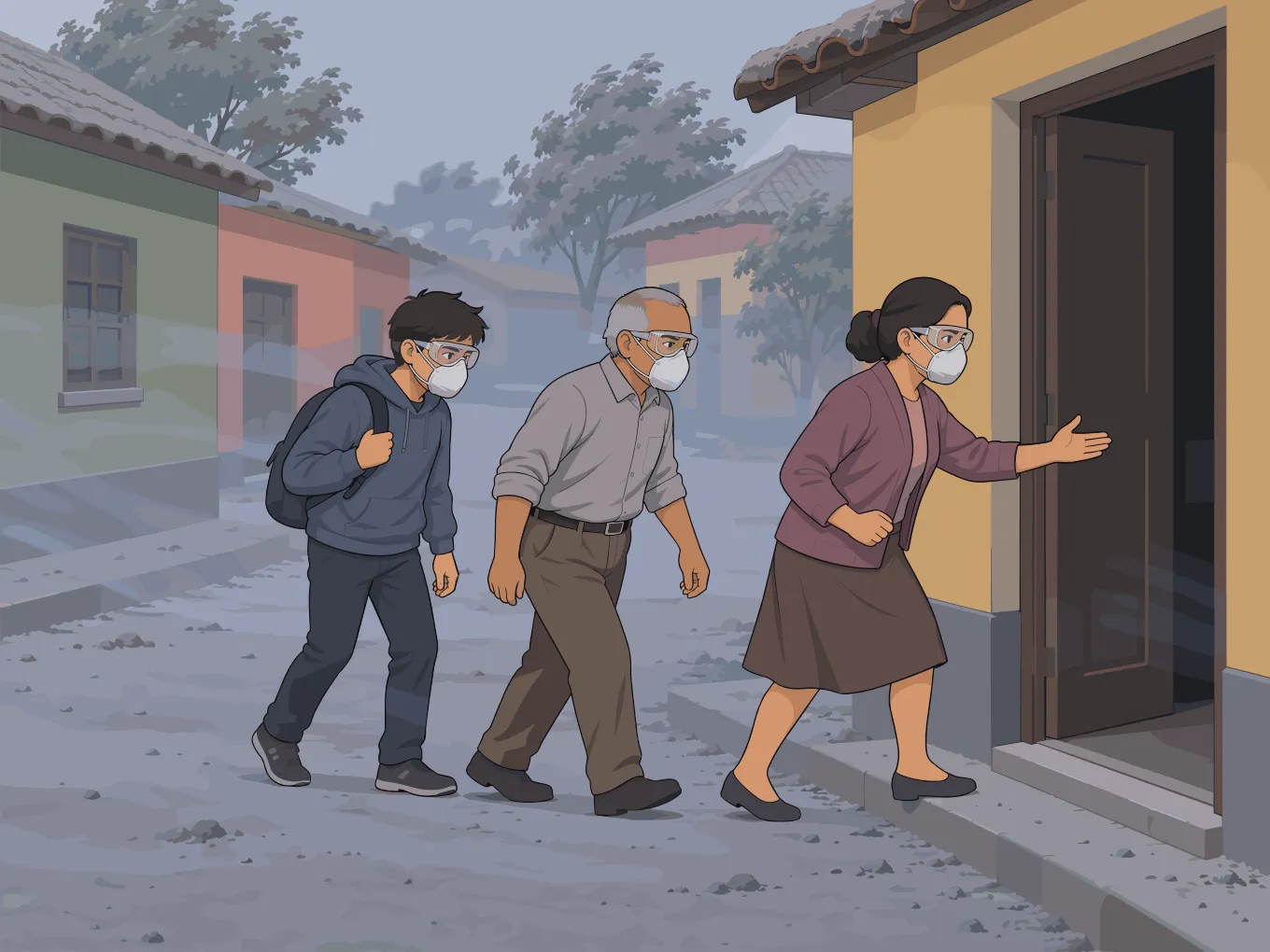
People in courtyards, sports fields, parking areas, or other outdoor spaces must be brought to an enclosed, safe place, provided that doing so does not mean crossing through a more dangerous area.
They must be told to:
- Avoid staying outdoors unnecessarily;
- protect their eyes and airways;
- cover exposed skin when appropriate;
- avoid rubbing their eyes;
- avoid using contact lenses during significant ash exposure, when possible;
- move with caution because of reduced visibility and potentially slippery surfaces.
2.12Protecting health during exposure to volcanic ash
PROTECT THE AIRWAYS
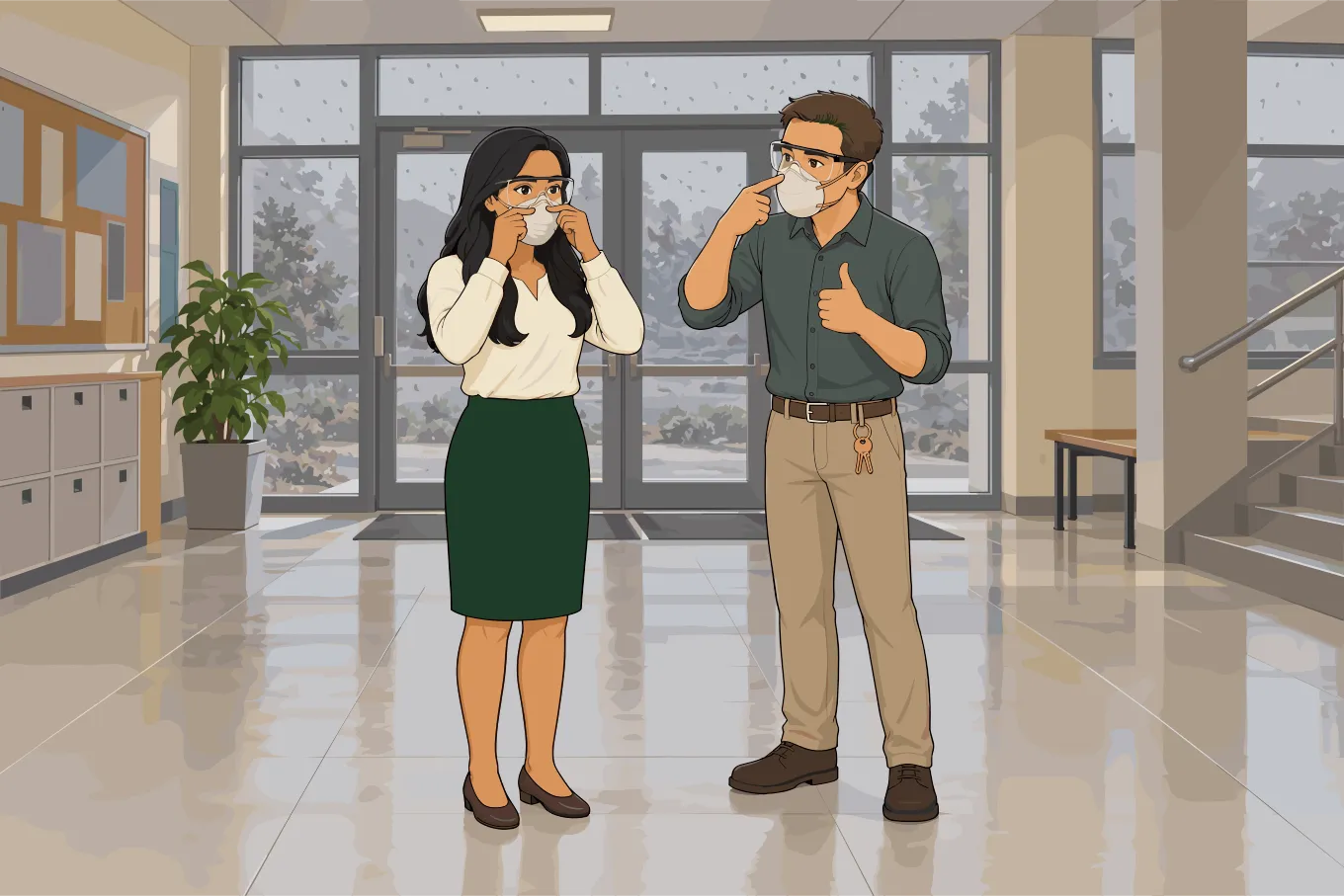
- Fine ash can irritate the respiratory tract and worsen preexisting conditions.
- When it is necessary to remain in an area with ash, use the respiratory protective equipment recommended by health authorities and available at the institution.
- Protection must be fitted correctly to be effective.
- Priority must be given to reducing exposure. Respiratory protection equipment does not substitute for sheltering in place, nor does it authorize staying unnecessarily in contaminated environments.
PROTECT THE EYES
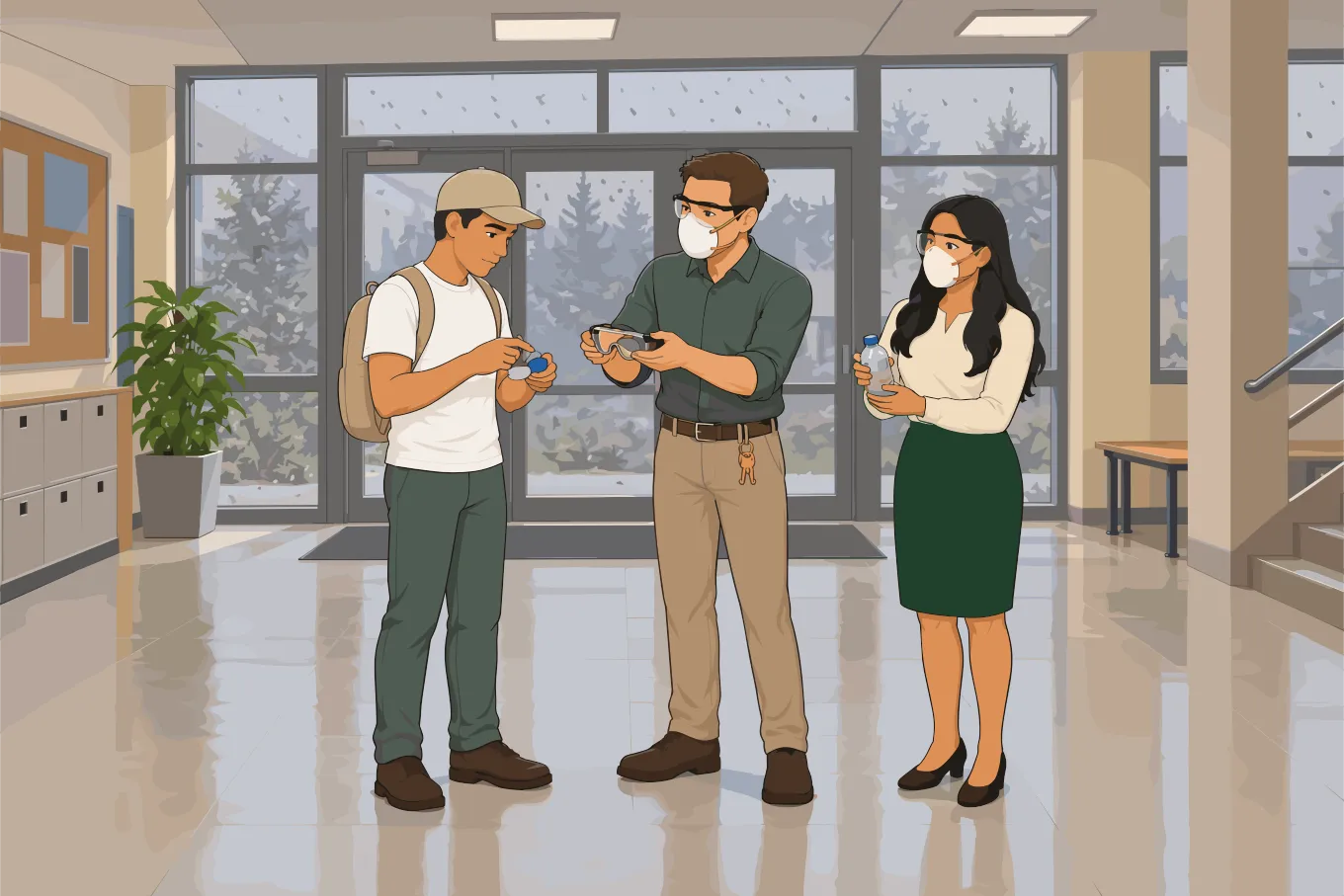
Volcanic ash can cause irritation and eye injuries.
When there is exposure:
- Wear appropriate protective goggles or glasses if available;
- avoid wearing contact lenses when conditions allow;
- people experiencing persistent eye discomfort or injuries should seek medical attention;
- do not rub your eyes.
PAY SPECIAL ATTENTION TO PEOPLE WITH RESPIRATORY CONDITIONS
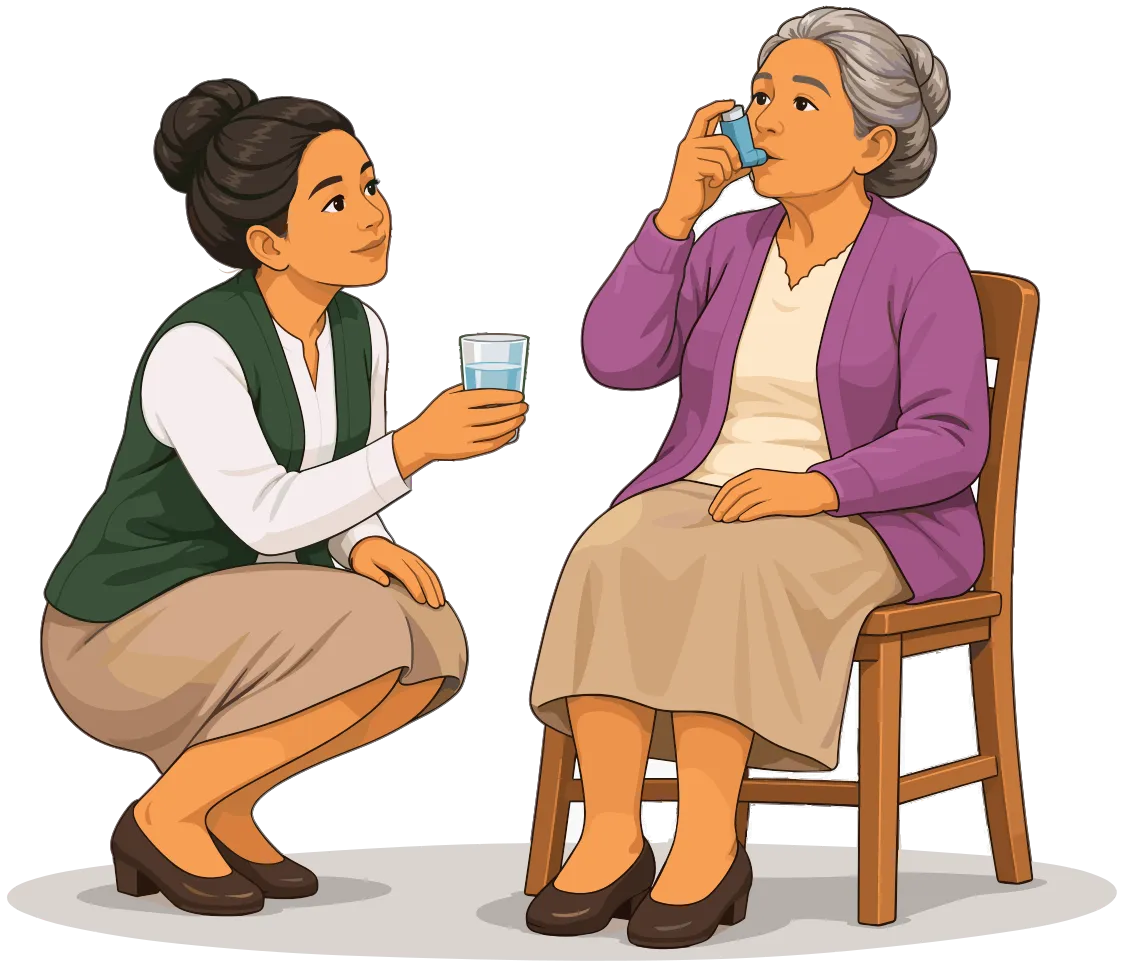
People with asthma, chronic obstructive pulmonary disease (COPD), or other respiratory conditions should remain in indoor areas with the least amount of ash.
Their prescribed medications should be kept readily accessible.
The institution must seek medical assistance in cases of:
- Severe difficulty breathing;
- chest pain or pressure;
- significant worsening of a respiratory condition;
- loss of consciousness;
- any other symptoms that may indicate a medical emergency.
2.13Respond to the danger of lahars
Lahars are currents of water, mud, ash, rocks and other volcanic material capable of moving with great force, mainly through waterways, ravines, valleys and low-lying areas.
They can occur during an eruption and also afterward, even when visible volcanic activity has decreased.
If there is a lahar warning or threat:
- Immediately leave the areas indicated by the authorities;
- do not remain in waterways or ravines;
- move away from valley floors and low-lying areas identified as dangerous;
- head along official routes toward the safe zones;
- if the authorities indicate moving to high ground or out of the valley, do so without delay;
- do not go closer to watch the flow;
- do not try to cross it;
- do not drive vehicles into affected areas;
- do not use bridges, roads, or crossings closed by the authorities.
A lahar can move quickly and carry large objects. Do not attempt to judge by sight whether it is safe to cross.
2.14Do not rely solely on the volcano’s visible activity
The temporary absence of visible explosions does not mean the danger has ended. Some phenomena can occur or continue even when no significant activity is observed from the institution.
For that reason:
- no one should decide to return on their own;
- the official routes must not be modified;
- shelter-in-place measures must not be lifted;
- suspended activities must not be resumed;
until official information is received allowing it.
2.15Respond to the presence or warnings of volcanic gases
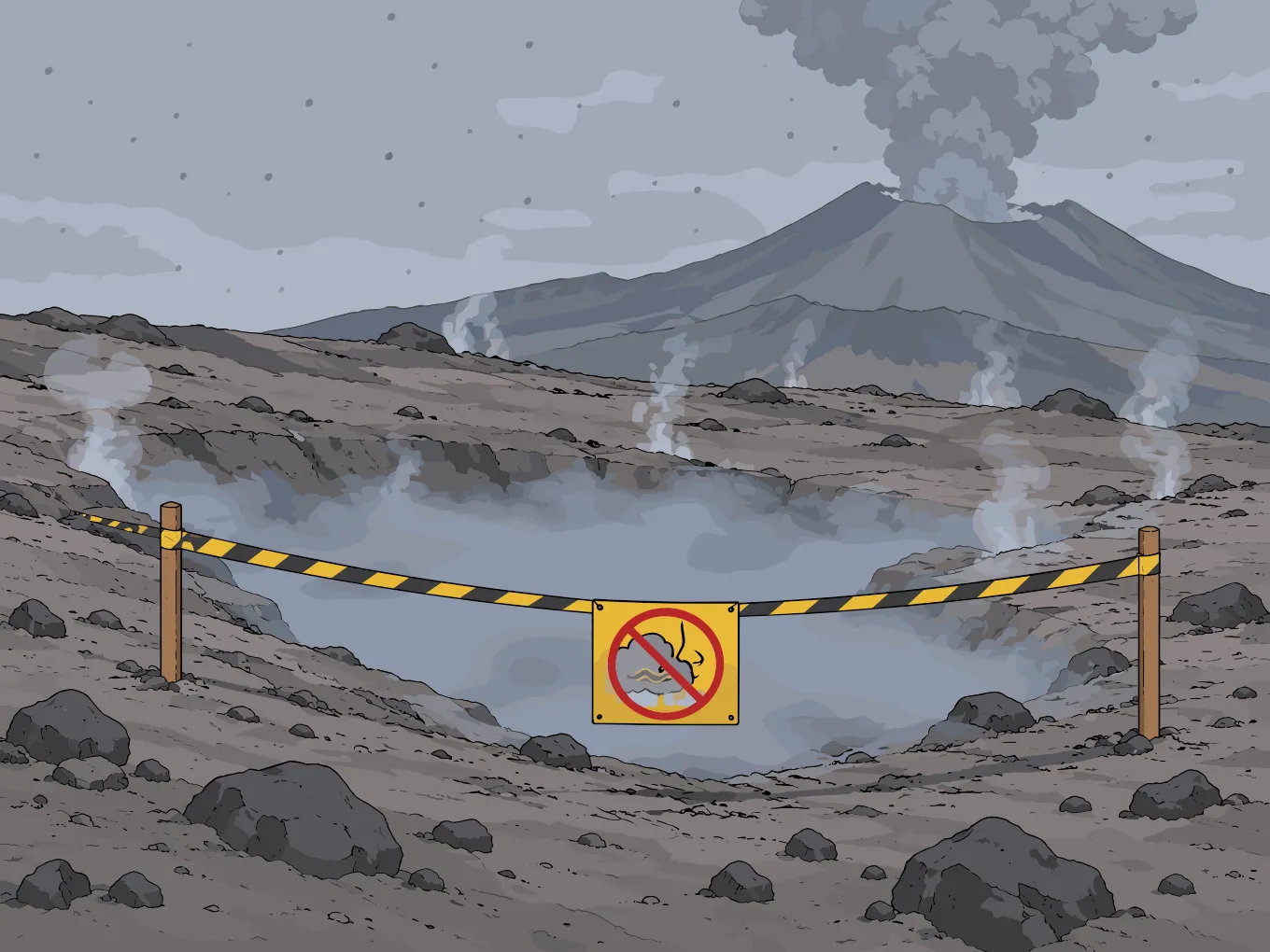
Volcanic gases can affect health and, depending on conditions, concentrate especially in certain areas.
In the face of an official gas warning:
- Immediately respect the exclusion zones;
- follow the evacuation or movement instructions;
- avoid low-lying or depressed areas when the authorities so indicate;
- do not enter restricted zones;
- do not attempt improvised rescues in potentially dangerous environments;
- request intervention from specialized services.
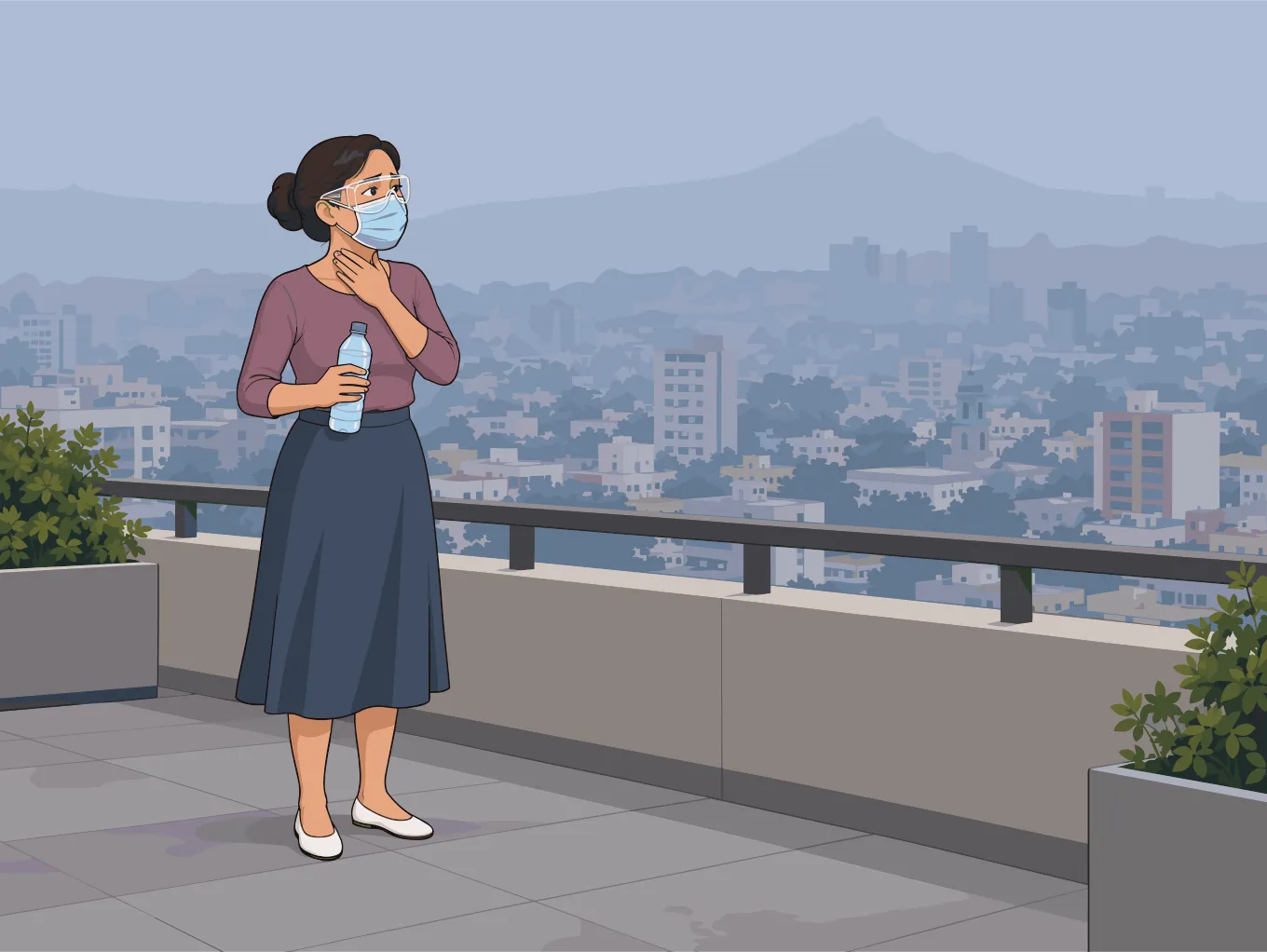
If a person shows difficulty breathing, dizziness, confusion, loss of consciousness, or other significant symptoms in a potentially affected area, emergency assistance must be requested.
No member of the institution should expose themselves to or remain in a potentially dangerous atmosphere to carry out rescues without the specific required training and equipment.
2.16Protect babies, children and adolescents
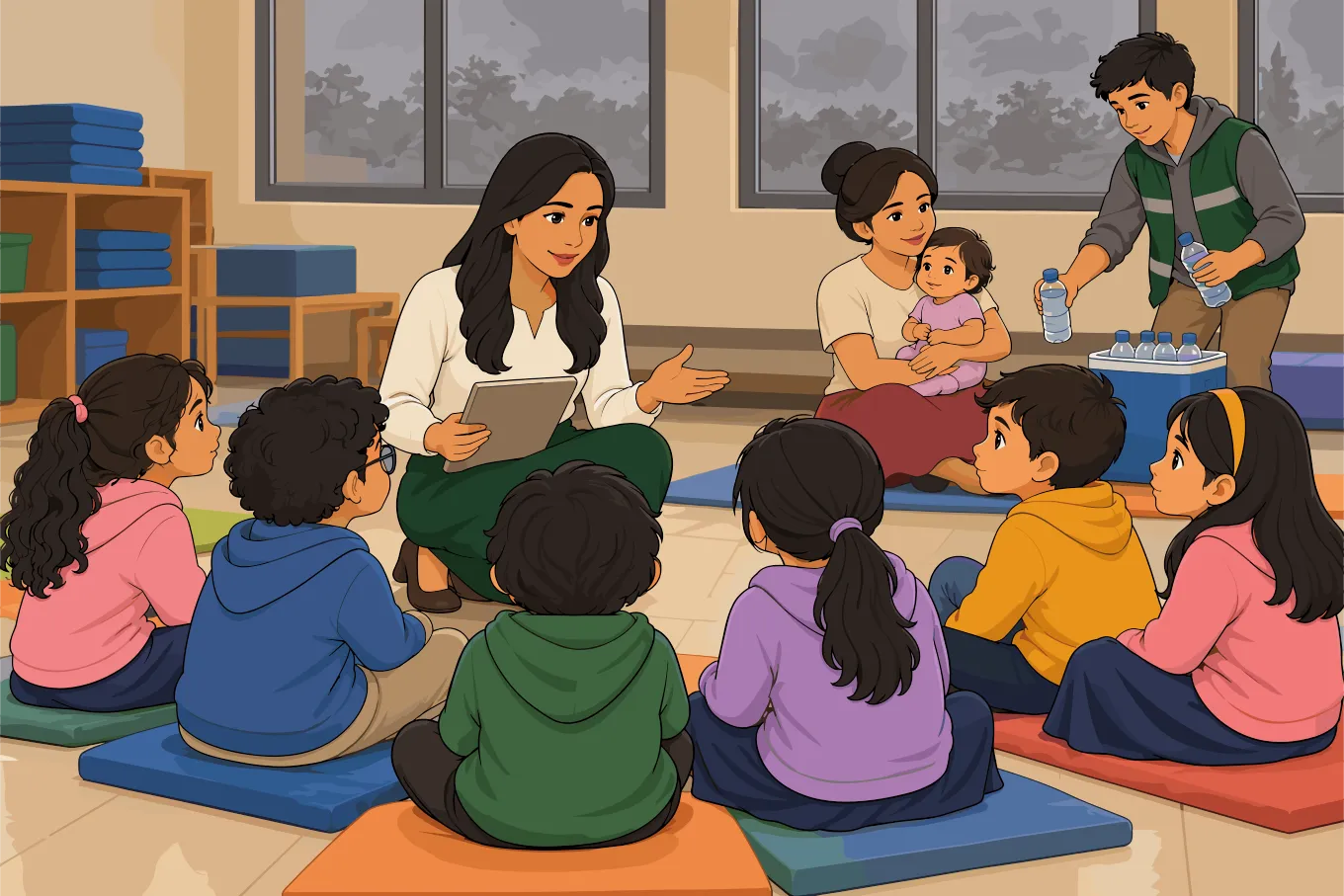
Minors must remain under the constant supervision of staff in charge.
During an evacuation or period of sheltering in place:
- Keep the groups previously organized;
- assign identified leads;
- carry out head counts periodically;
- avoid unnecessary changes of leads;
- do not allow any minor to leave the group on their own;
- do not allow any minor to go back into the building;
- explain what is happening using clear, age-appropriate words;
- avoid unnecessarily exposing them to images or situations that increase their distress;
- keep water, hygiene items, and essential supplies available;
- keep the records needed for later reunification.
2.17Assist people with disabilities and other support needs
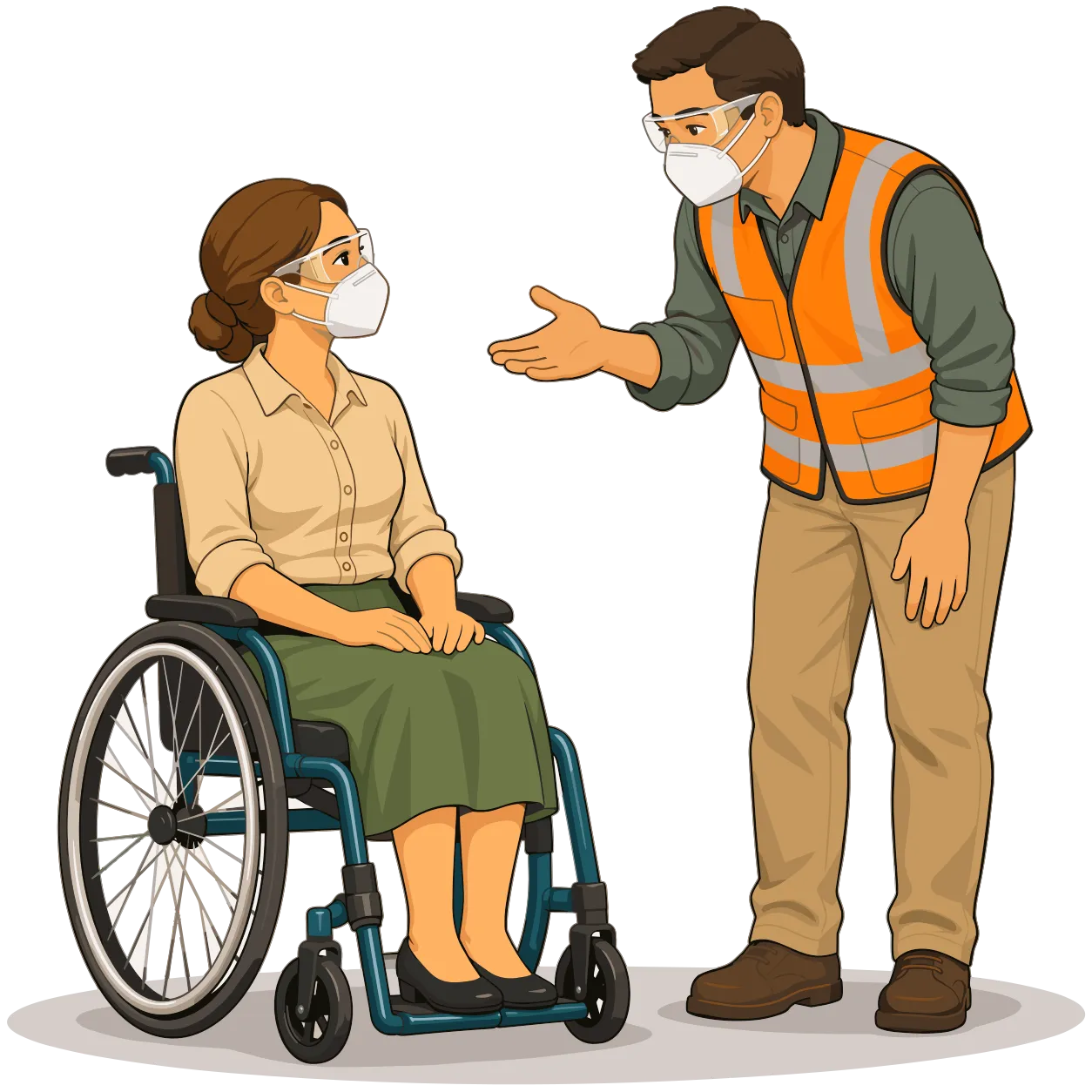
People who need assistance must receive it according to previously established procedures, while respecting their preferences whenever possible.
During the emergency:
- Ask how you can help, when possible;
- communicate what you are about to do before carrying out an assistance maneuver;
- keep the person’s mobility or communication devices with them, such as canes, walkers, hearing aids and other aids, unless a dangerous situation makes their removal unavoidable;
- do not push a wheelchair without warning its user, except in the face of immediate danger;
- use written, visual, gestural, or verbal communication according to the person’s needs;
- take into account the sensory needs of neurodivergent people;
- avoid separating a person from their companion or service animal unless there is an unavoidable safety reason.
2.18Keep groups together
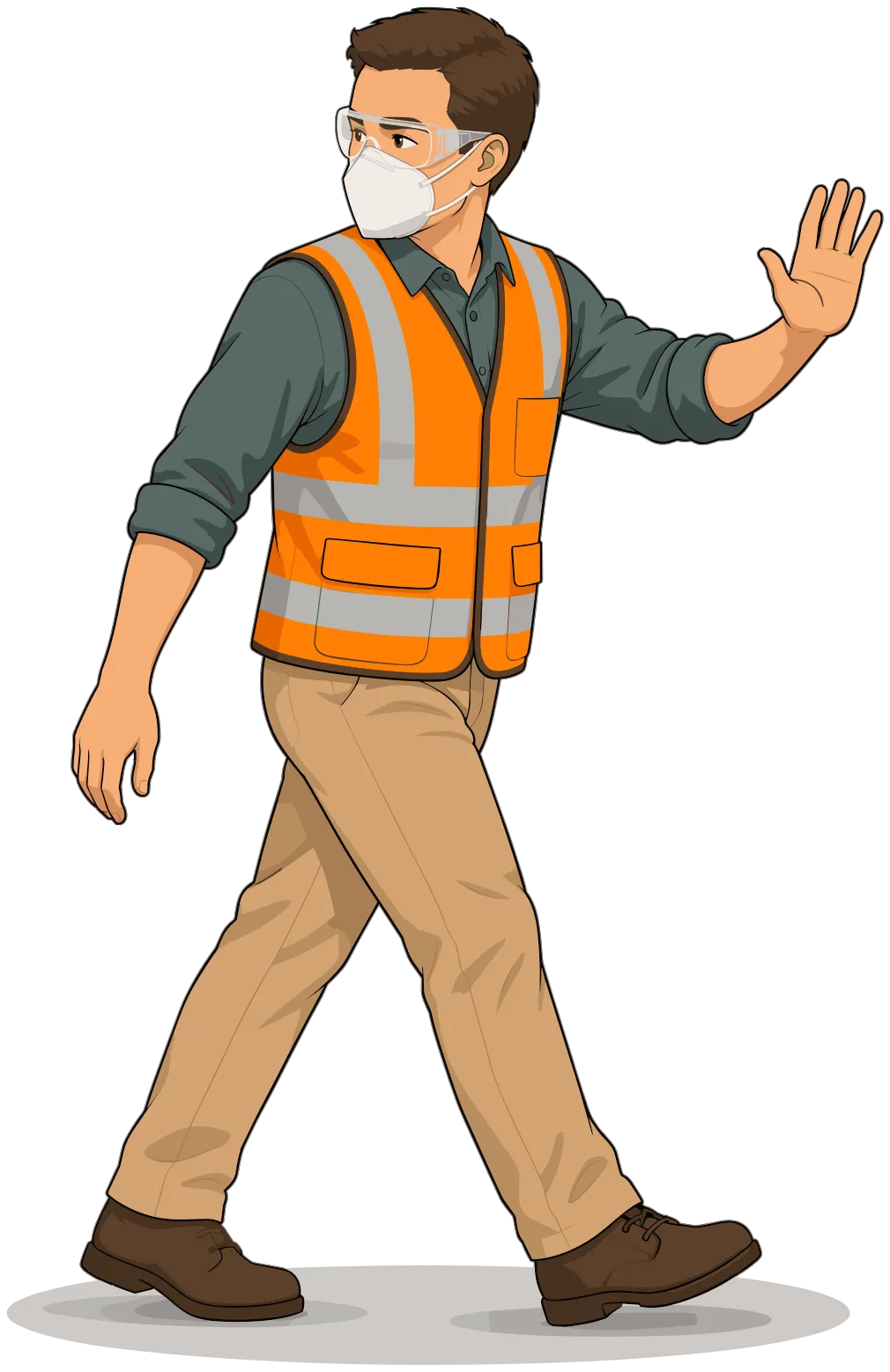
Separating people makes control more difficult and can lead to unnecessary searches in dangerous areas.
During an evacuation:
- Groups must move together;
- leads must maintain visual contact when possible;
- minors must remain with their institutional group;
- people who need assistance must have assigned support;
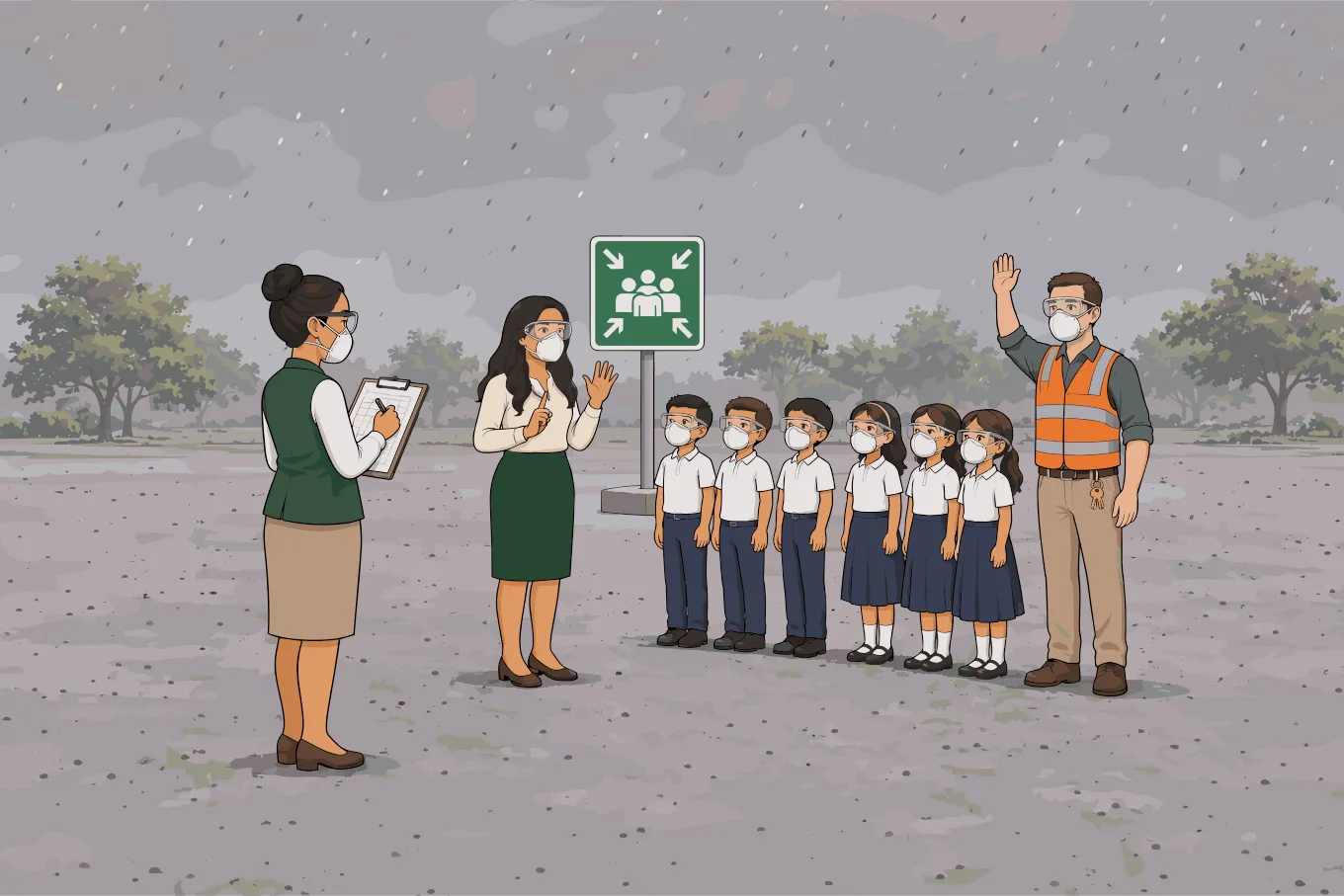
- no one should leave the route to head toward another destination on their own.
A head count must be carried out upon reaching the safe point.
2.19Carry out the head count at the safe point
Once the meeting point, shelter, or indicated destination has been reached, each lead must verify the people in their care.
The overall coordinator must be informed immediately if:
- a person is missing or their whereabouts are unknown;
- someone became separated during the evacuation;
- a person is injured;
- someone was transferred by health services;
- a person is at another safe point;
- there is any discrepancy in the records.
The information available must be communicated to the emergency services so they can determine the appropriate actions.
2.20Act if a person is injured
First aid must be provided only within the limits of the training of whoever is assisting.
The following must be done:
- Confirm that the location is safe before providing assistance;
- request professional help when appropriate;
- use the institutional first aid kit;
- protect the person from further exposure to ash or other hazards;
- avoid unnecessary movement of people with serious injuries, unless a greater immediate danger exists;
- inform the emergency services of the apparent nature of the injury and the person’s location.
2.21Protect water during the emergency
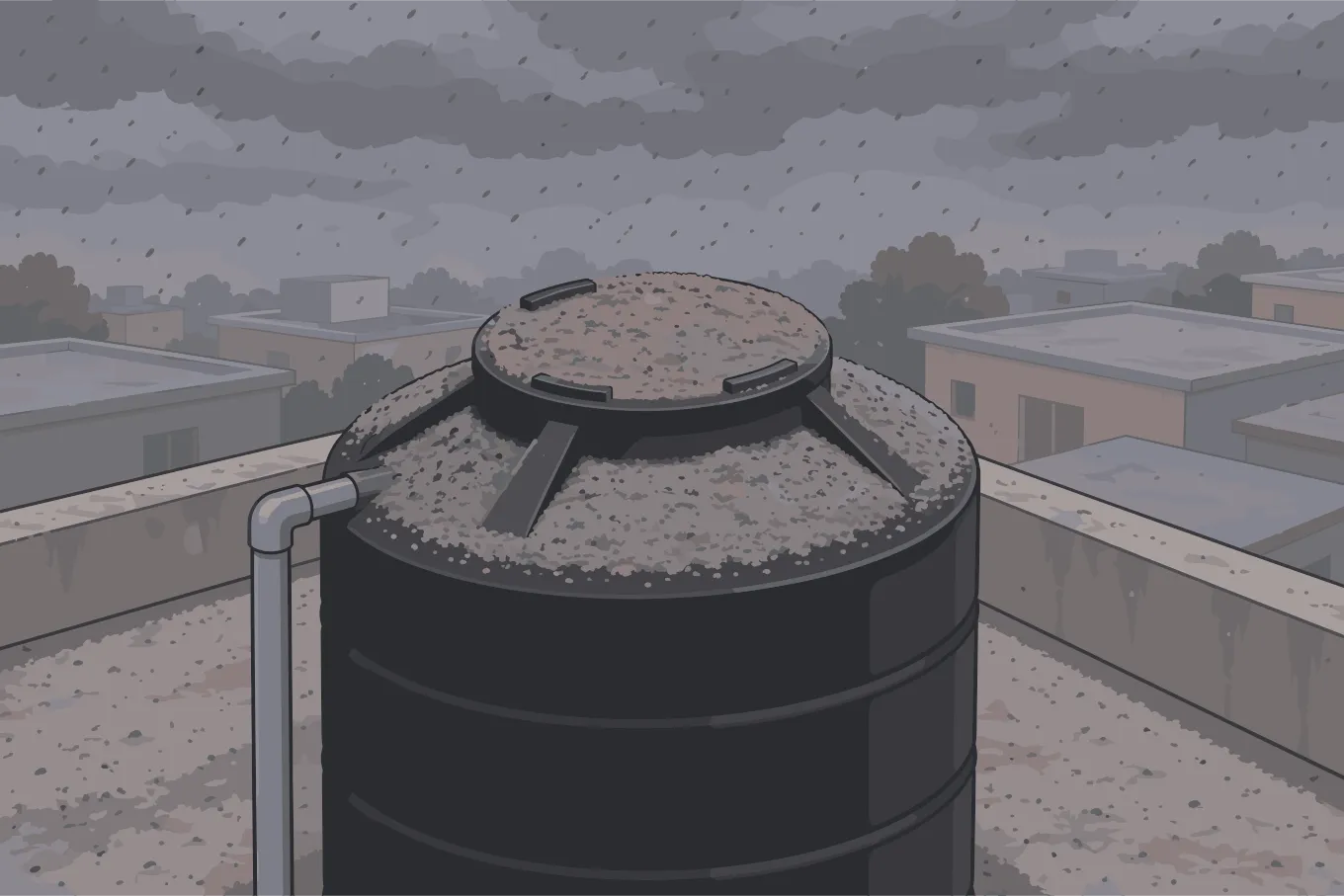
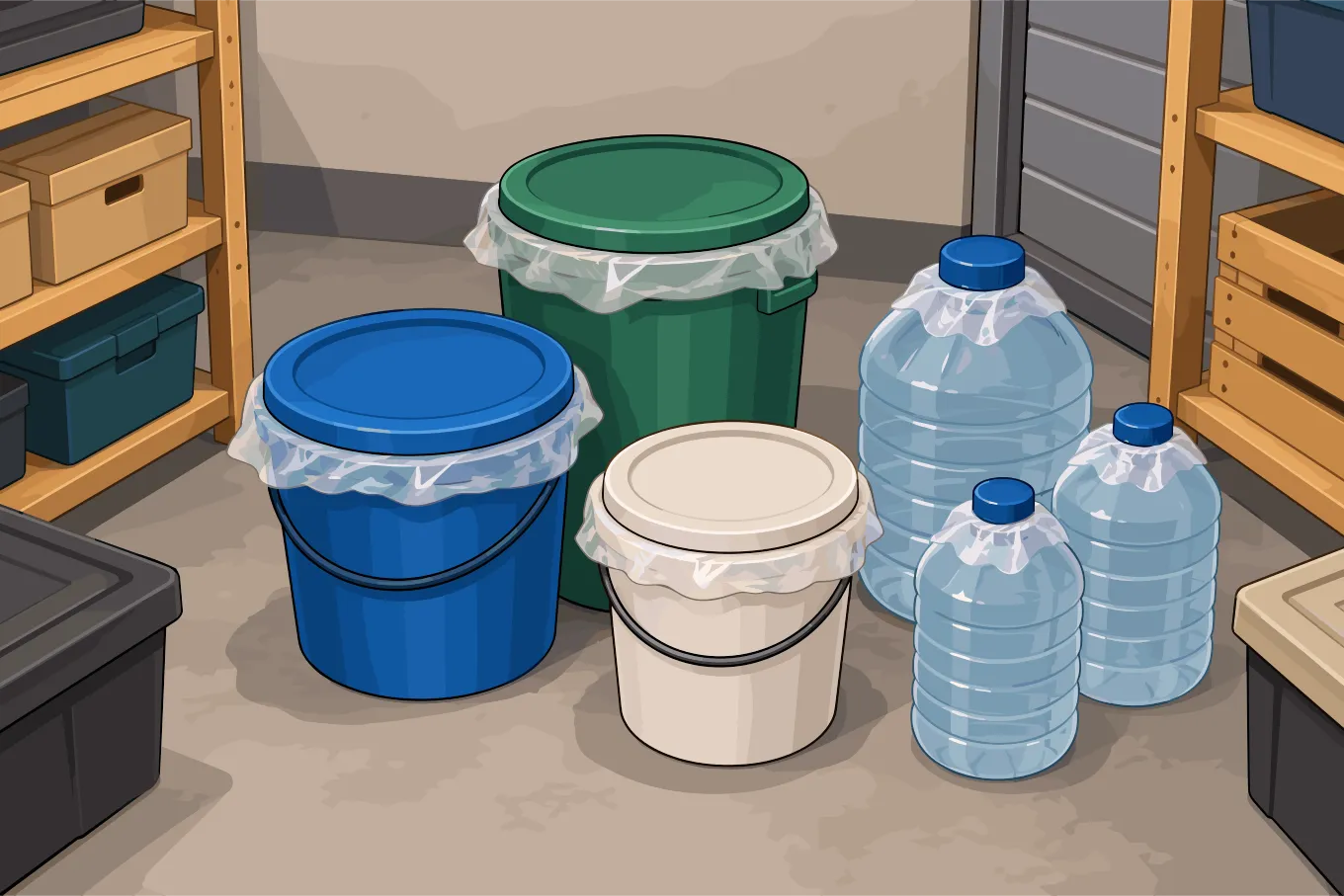
Ash must be kept from entering:
- tanks,
- cisterns,
- open containers,
- storage units,
- water collection systems.
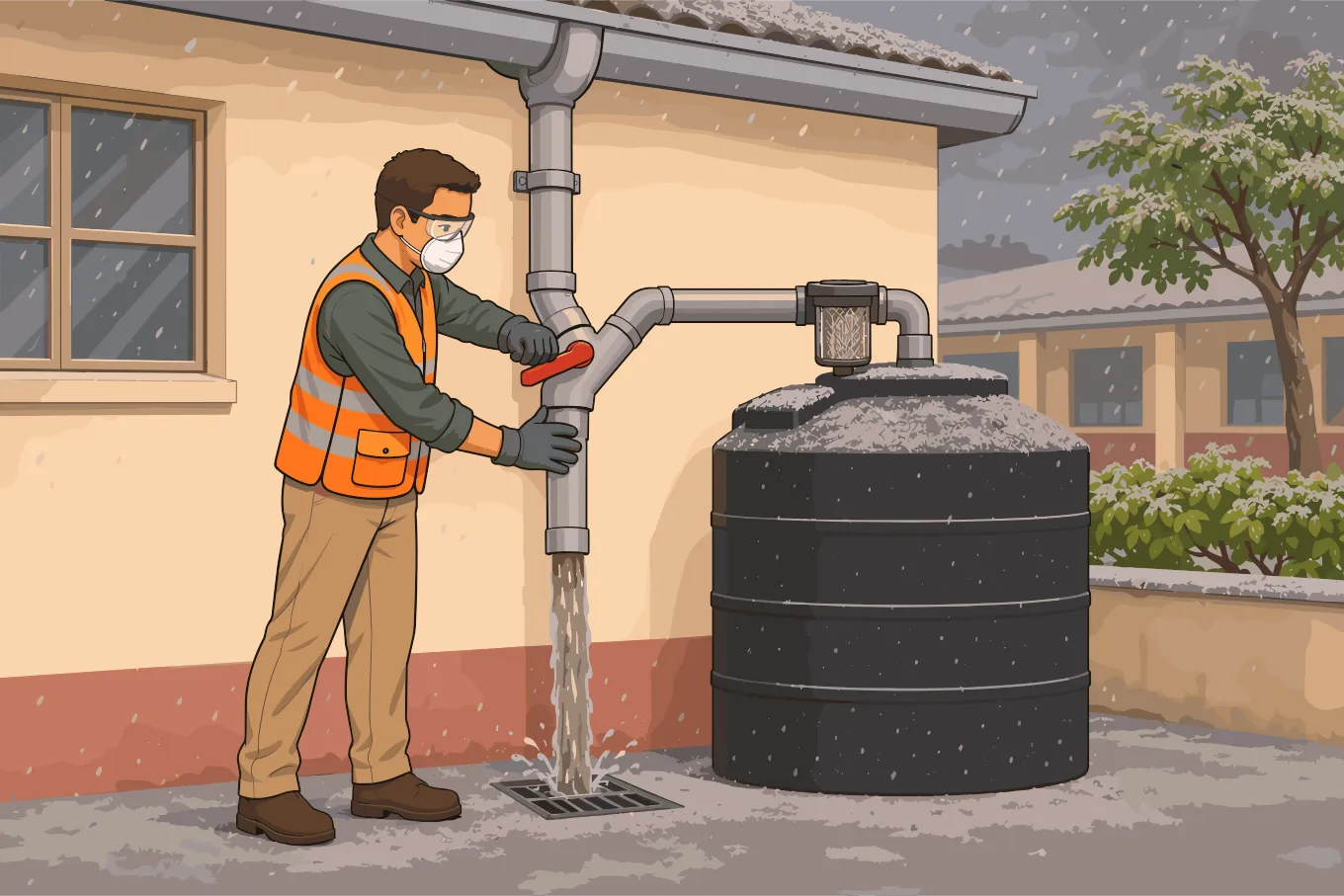
It must not be assumed that boiling water eliminates every possible problem associated with ash contamination.
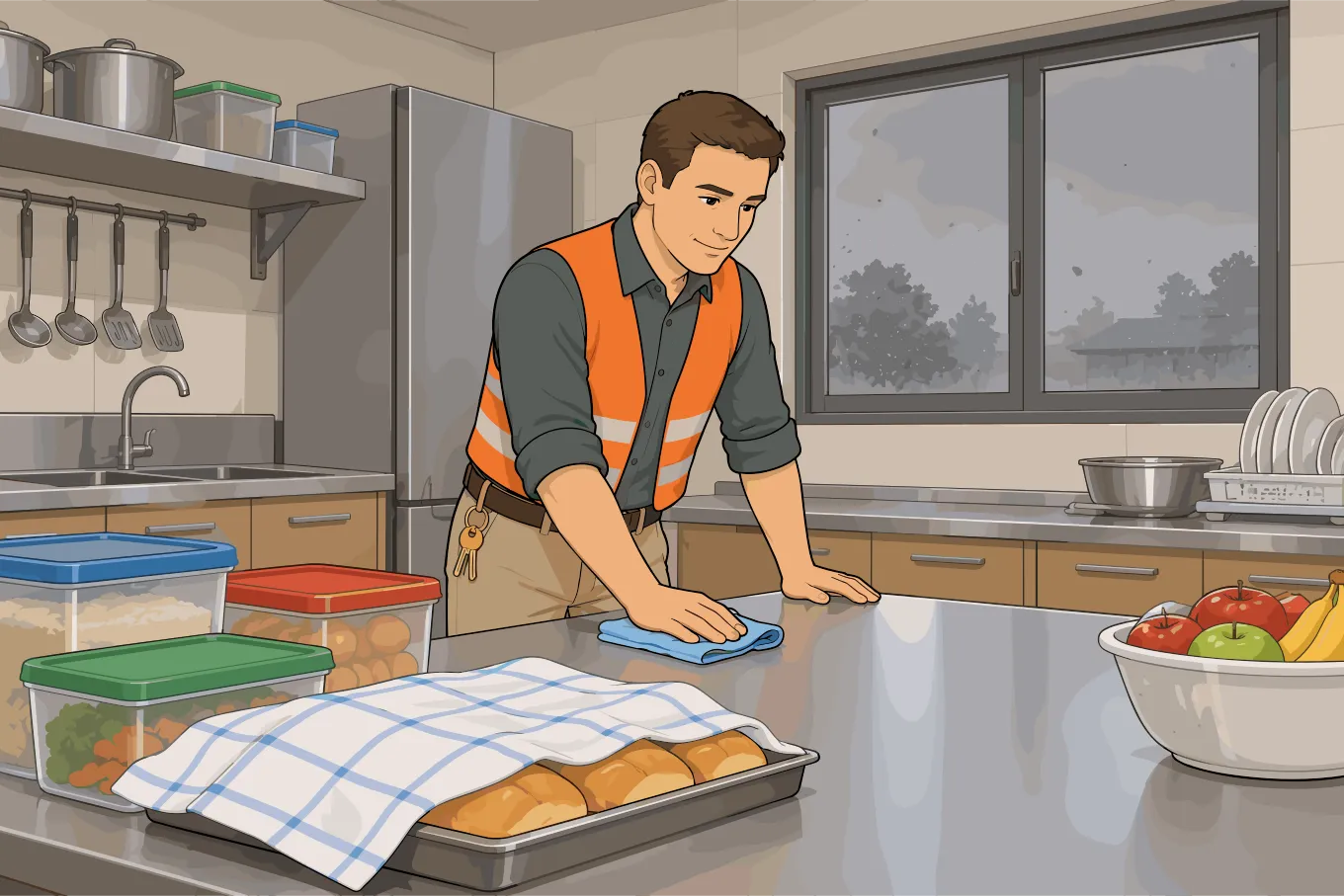
2.22Protect food
- Food must be kept covered or in closed containers.
- Products directly exposed to ash must not be consumed if they cannot be cleaned safely.
- Surfaces used to prepare food must be kept protected and cleaned before being used again.
- Decisions about consuming potentially contaminated food must follow the official health recommendations.
2.23Reduce vehicle travel
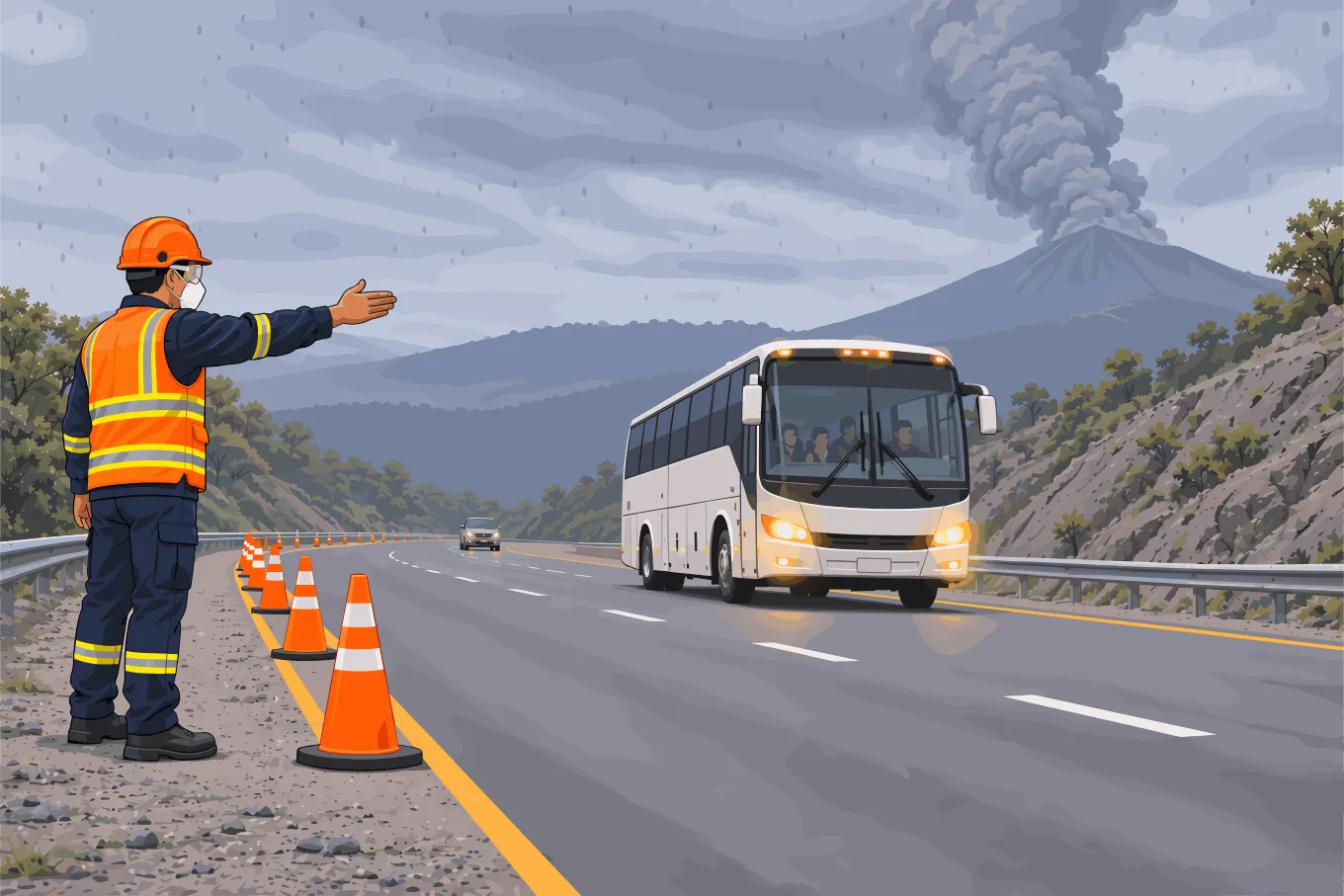
Unnecessary travel must not be undertaken, since ash can:
- considerably reduce visibility;
- hide signage and obstacles;
- make the road surface slippery;
- affect motors, filters, and mechanical components;
- cause congestion;
- make it harder for emergency vehicles to move.
When an evacuation must be carried out by vehicle:
- Use the indicated routes;
- respect closures and checkpoints;
- drive with particular caution;
- maintain sufficient distance from other vehicles;
- avoid high speeds;
- follow the instructions of emergency personnel.
2.24Avoid unnecessary exposure of staff
No material task justifies unnecessarily exposing workers, volunteers, or collaborators.
During the active phase of the emergency, staff must not be sent outdoors to:
- clean ash for purely cosmetic reasons;
- remove vehicles;
- recover non-essential equipment;
- check for damage without immediate need;
- photograph facilities;
- secure low-value items;
- climb onto roofs without safe conditions;
- carry out tasks that can wait.
Every intervention must be assessed according to its necessity and the existing risk.
2.25Do not climb onto roofs under unsafe conditions
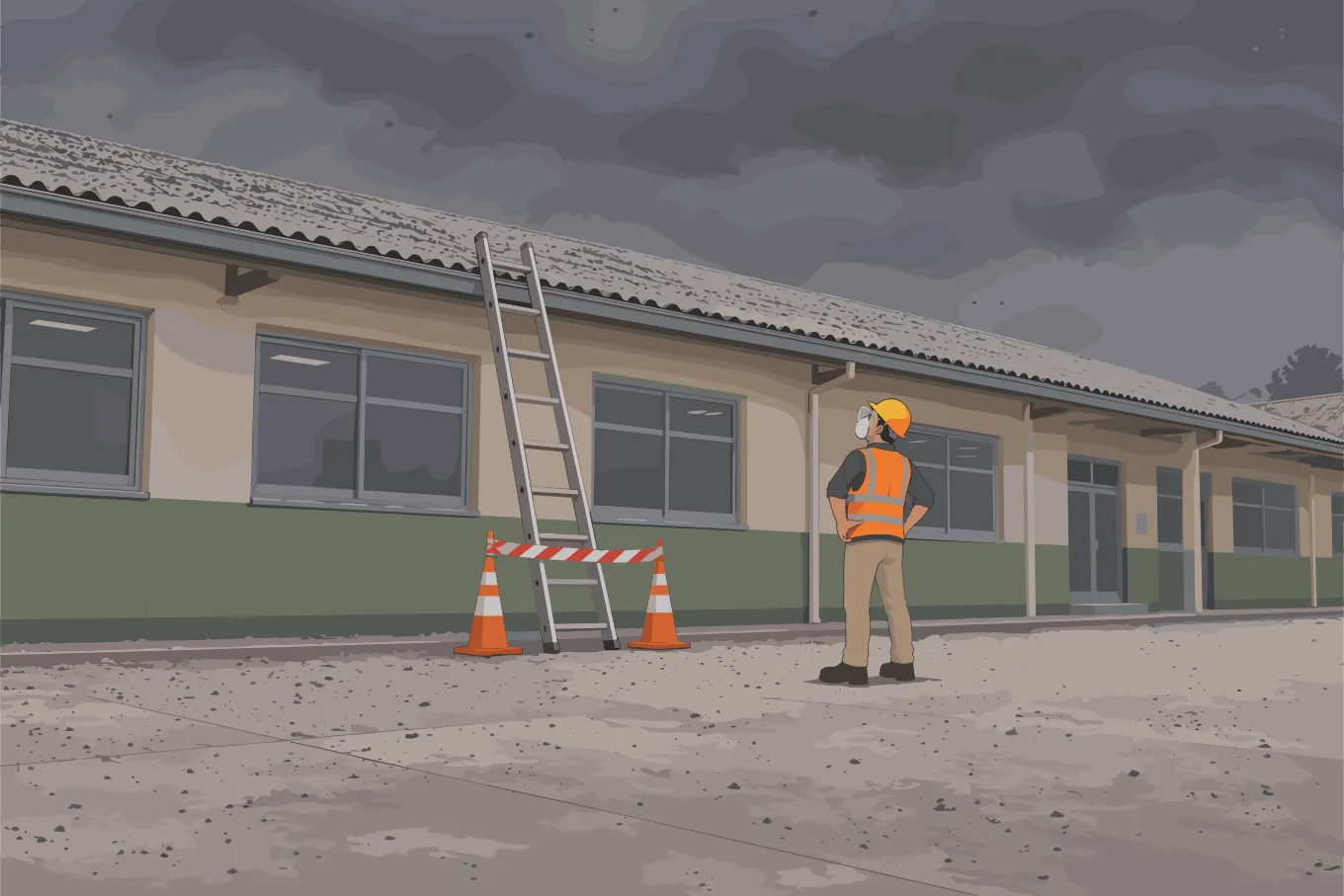
Ash accumulation can considerably increase the load on a roof. However, trying to remove it under dangerous conditions can also cause serious injury or death.
No one should be sent onto a roof when there is:
- heavy ashfall;
- low visibility;
- rain;
- slippery surfaces;
- strong winds;
- volcanic activity that could directly affect the location;
- signs of structural damage;
- a lack of adequate fall-protection systems.
2.26Prevent fires and electrical hazards
Electrical failures, short circuits, or damage to installations can occur during an emergency.
If the following are detected:
- smoke,
- a burning smell,
- sparks,
- damaged cables,
- affected electrical panels,
- fires,
the area must be secured, and assistance must be requested.
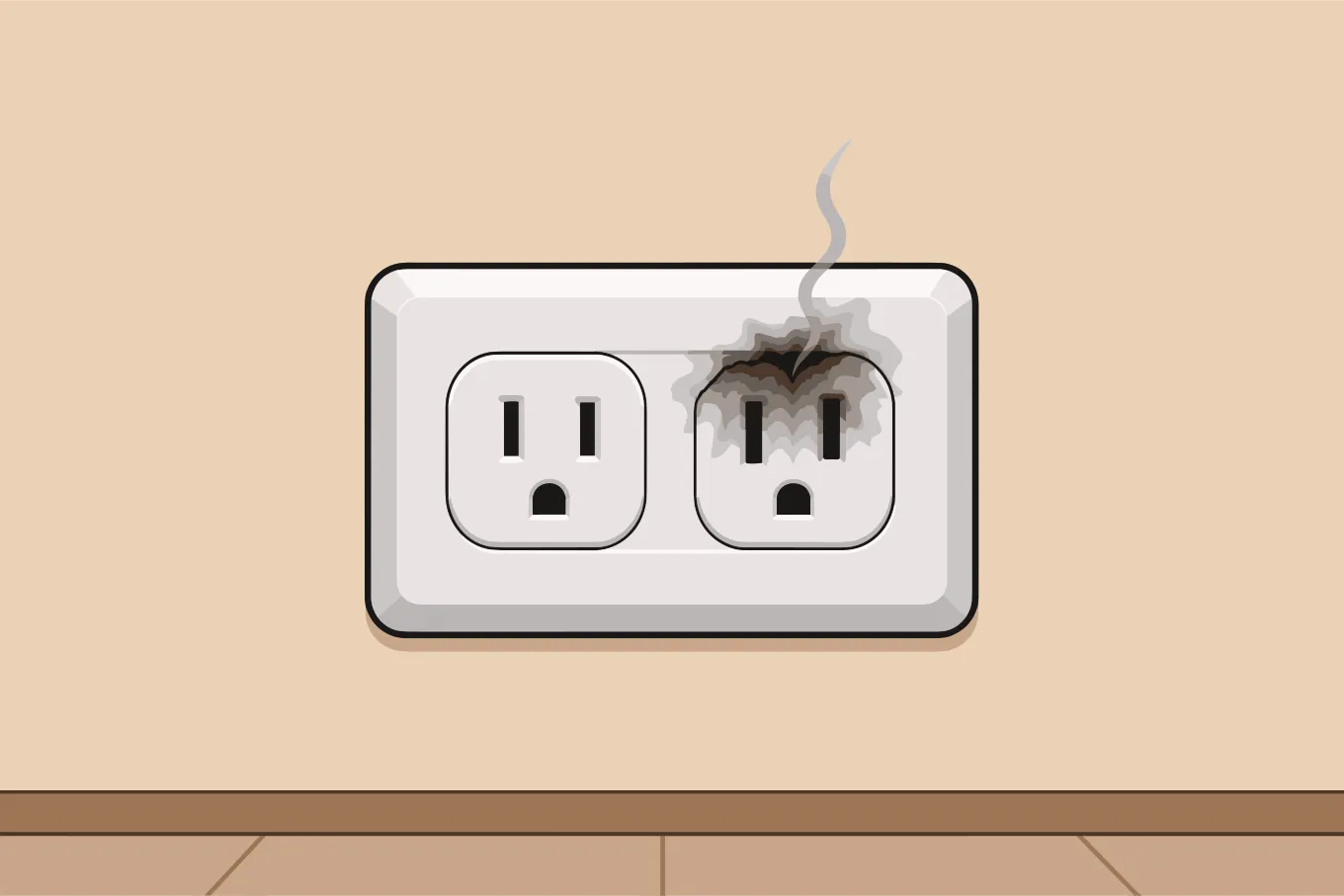
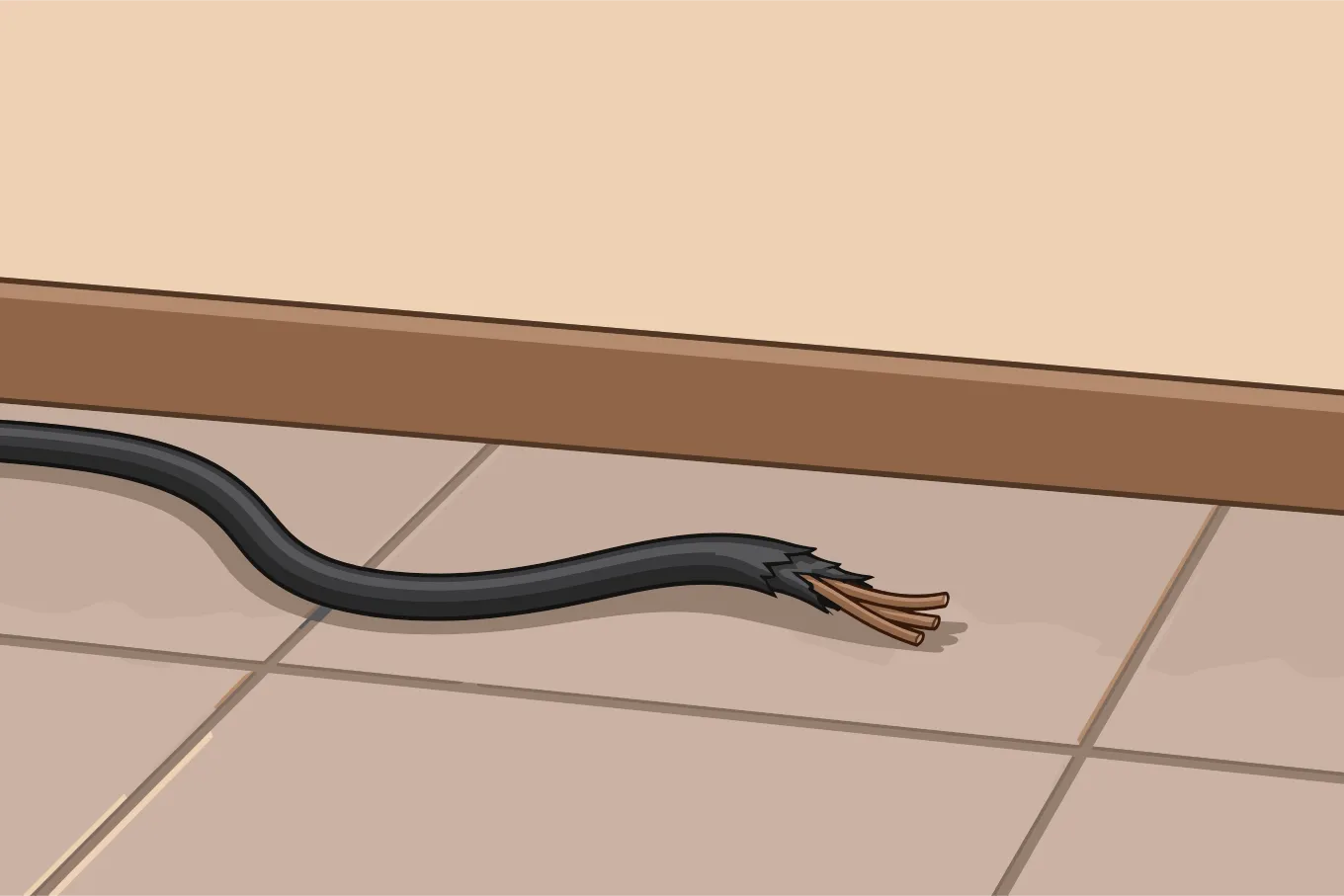
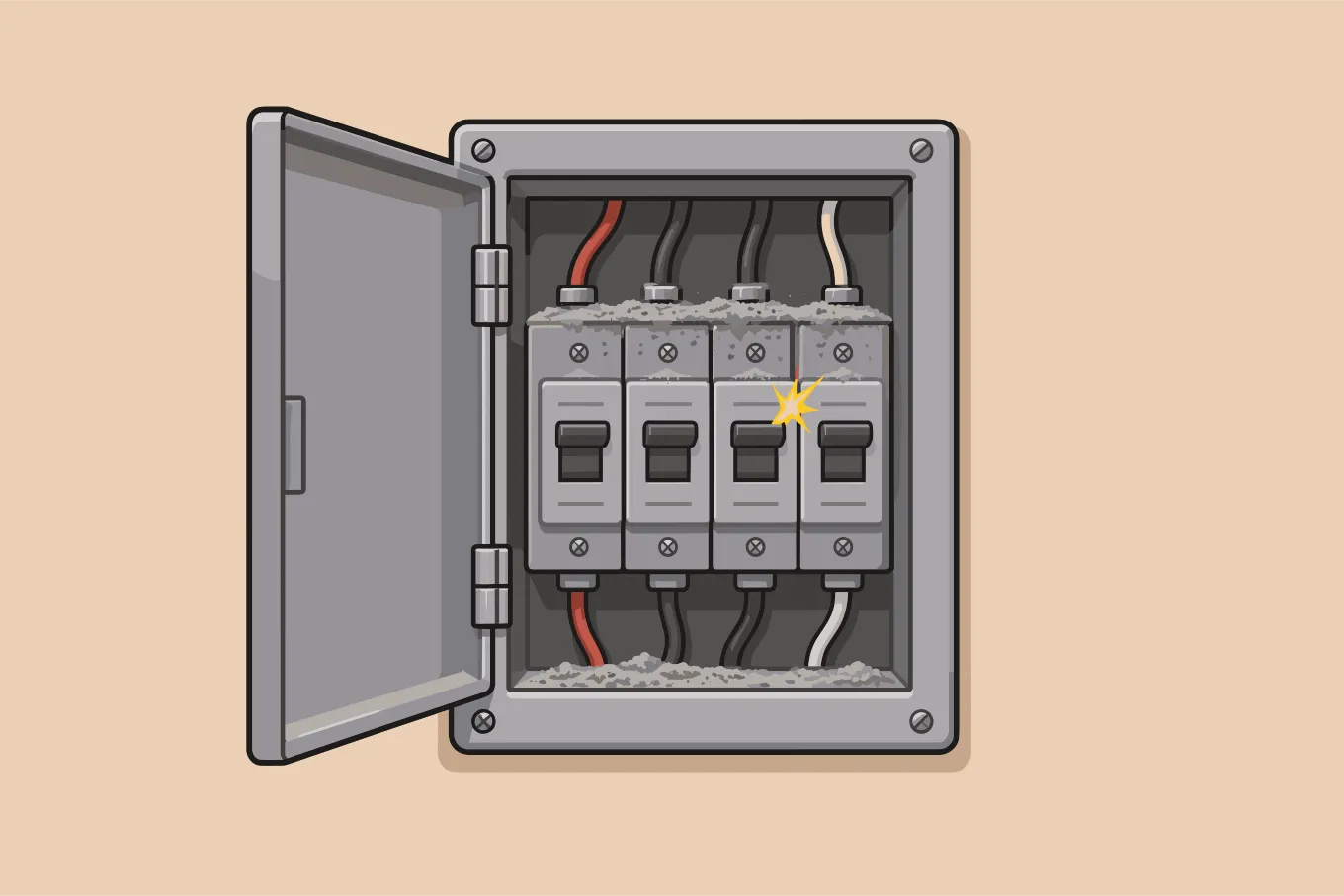
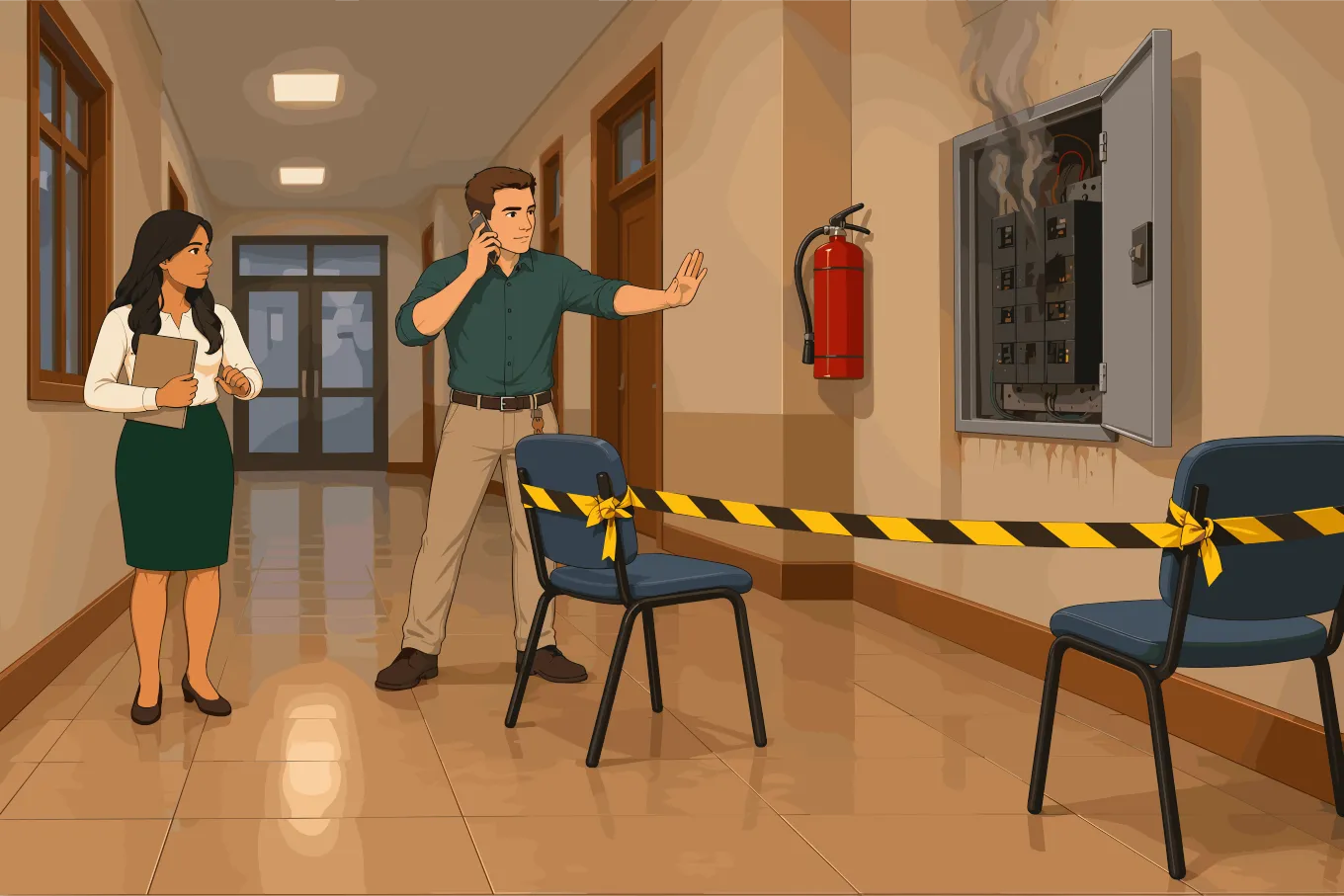
The power supply must only be shut off by people who know how to do so, and only when it can be carried out without exposure to danger.
2.27Keep communications operational
Institutional communication must be used primarily for emergency-related needs.
The person in charge of communications must:
- Follow the official channels;
- inform the coordinator of relevant changes;
- deliver clear messages to staff and to the people present;
- maintain contact with the emergency services when necessary;
- communicate to family members only confirmed information;
- record, when possible, important decisions and instructions.
Overloading communications with unnecessary calls must be avoided.

2.28Control the information being shared
During an emergency, inaccurate information can lead to dangerous decisions. The institution must communicate only verified information.
The following must not be shared:
- rumors,
- forwarded messages with no identified source,
- anonymous audio recordings,
- forecasts made by unauthorized people,
- photographs or videos whose origin cannot be verified.

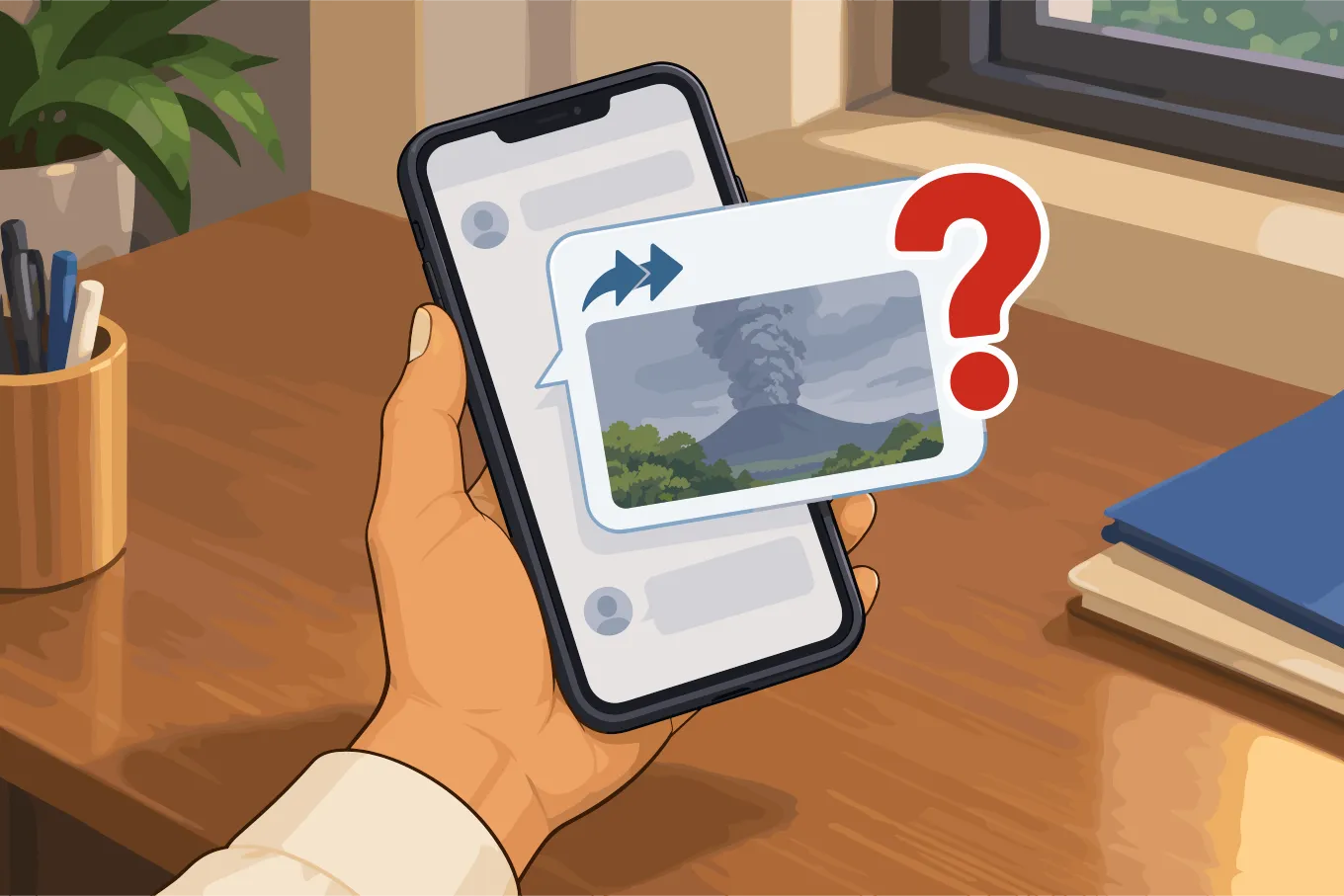

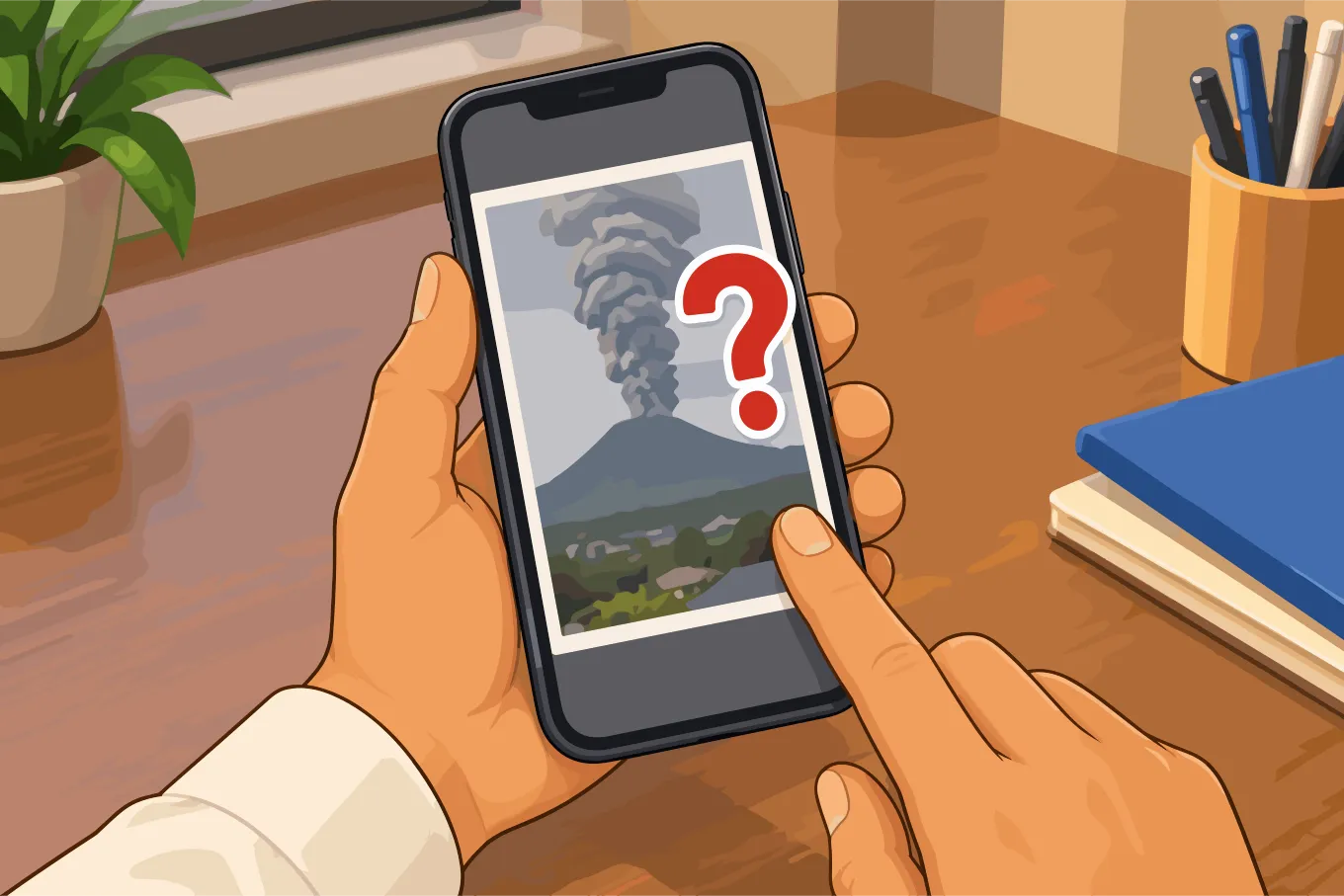
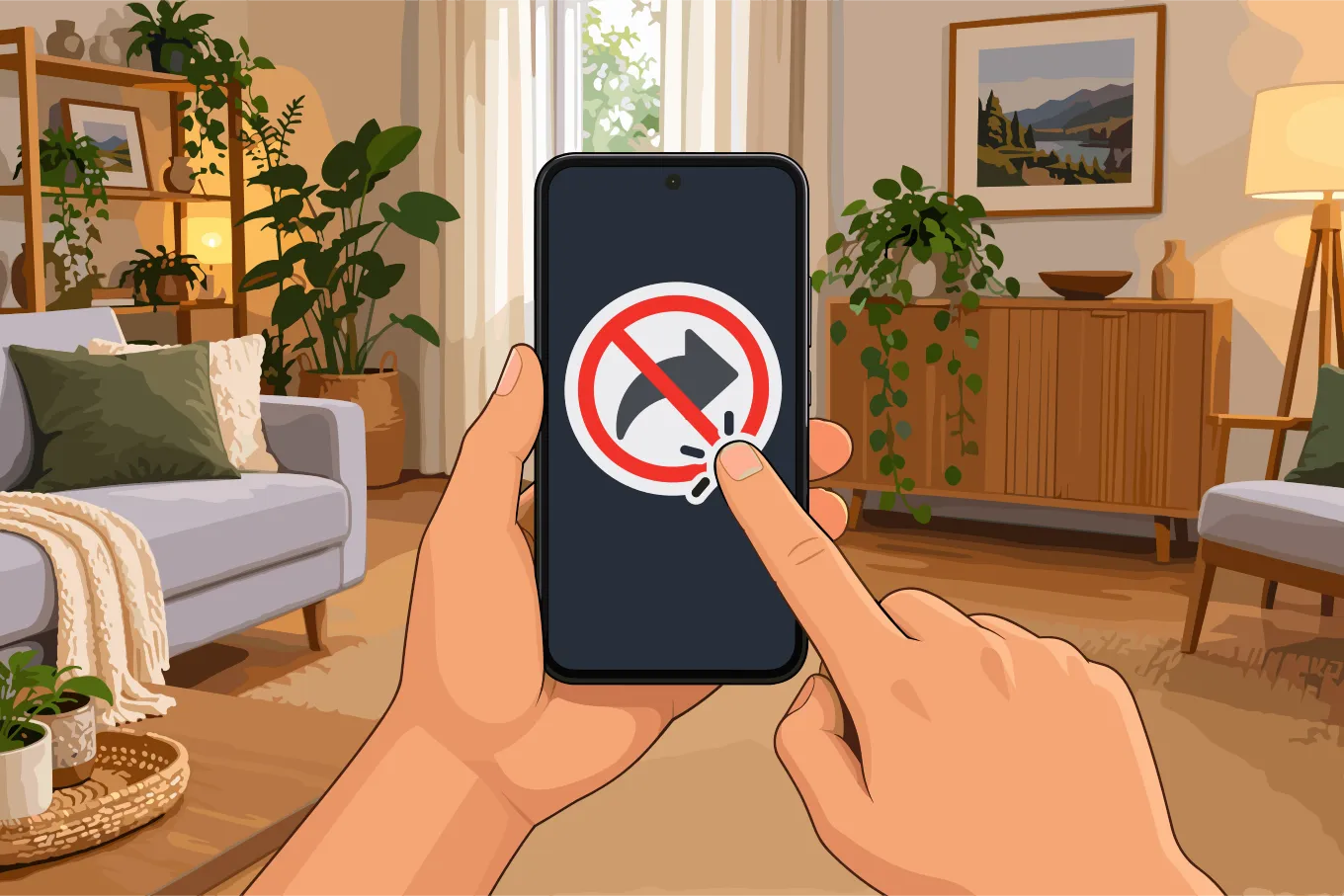
Sensitive personal data must also not be published, nor any information that could compromise the safety or privacy of minors, injured people, or evacuees.
2.29Coordinate with the emergency services
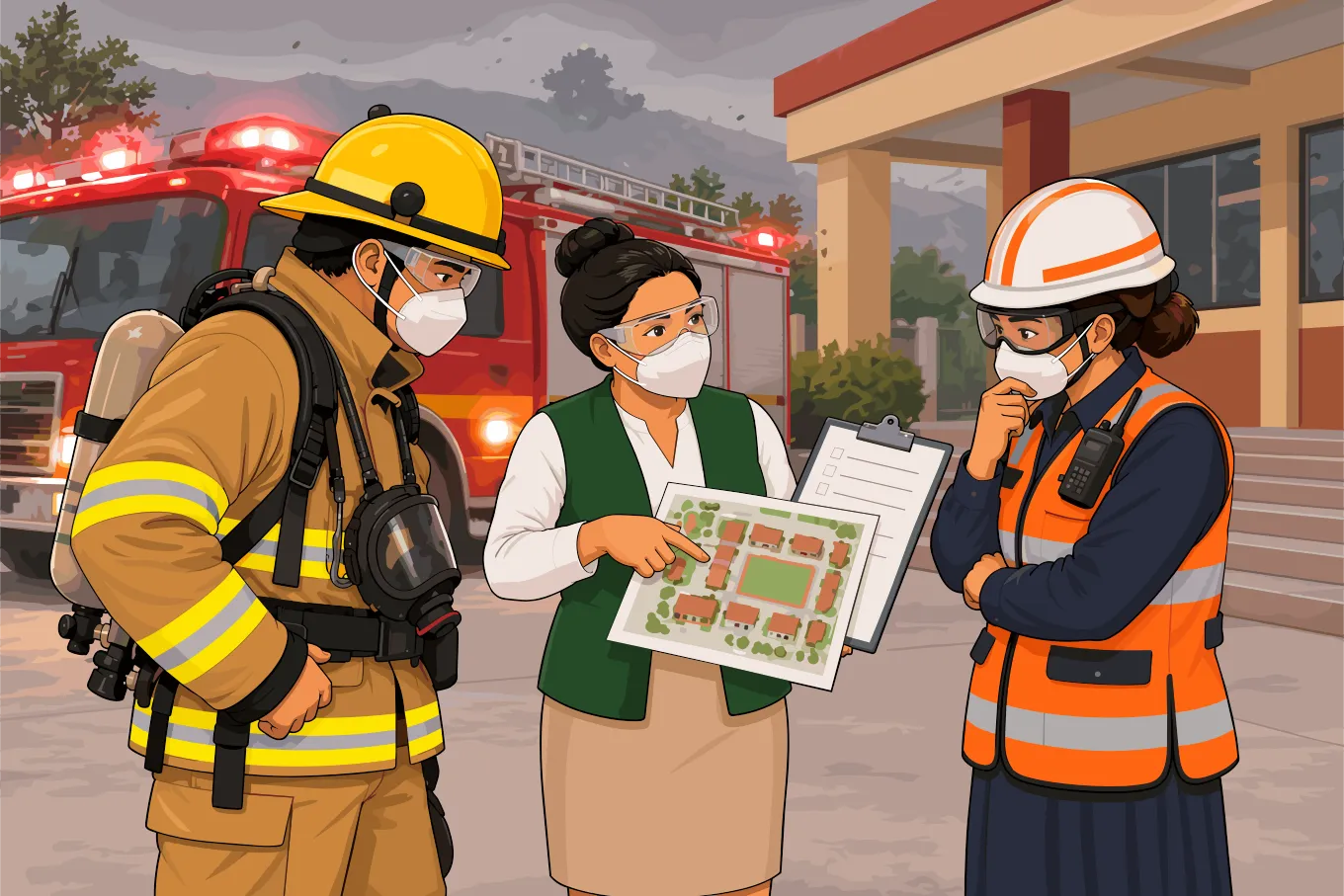
When Civil Protection, firefighters, police, health services, or other authorities intervene, the institution must facilitate their work.
The institutional person in charge must be ready to report:
- What happened;
- what measures were taken;
- the approximate number of people present;
- the number of people evacuated;
- whether there are injured people;
- whether there are people whose whereabouts are unknown;
- the presence of minors;
- the presence of people who need assistance;
- the location of the meeting point;
- risks observed at the establishment;
- relevant information about access points and facilities.
2.30Prepare for a prolonged emergency
A volcanic crisis can last longer than initially expected.
The institution must carefully manage:
- water,
- food,
- medications,
- batteries,
- backup power,
- protective equipment,
- hygiene products,
- communication resources.
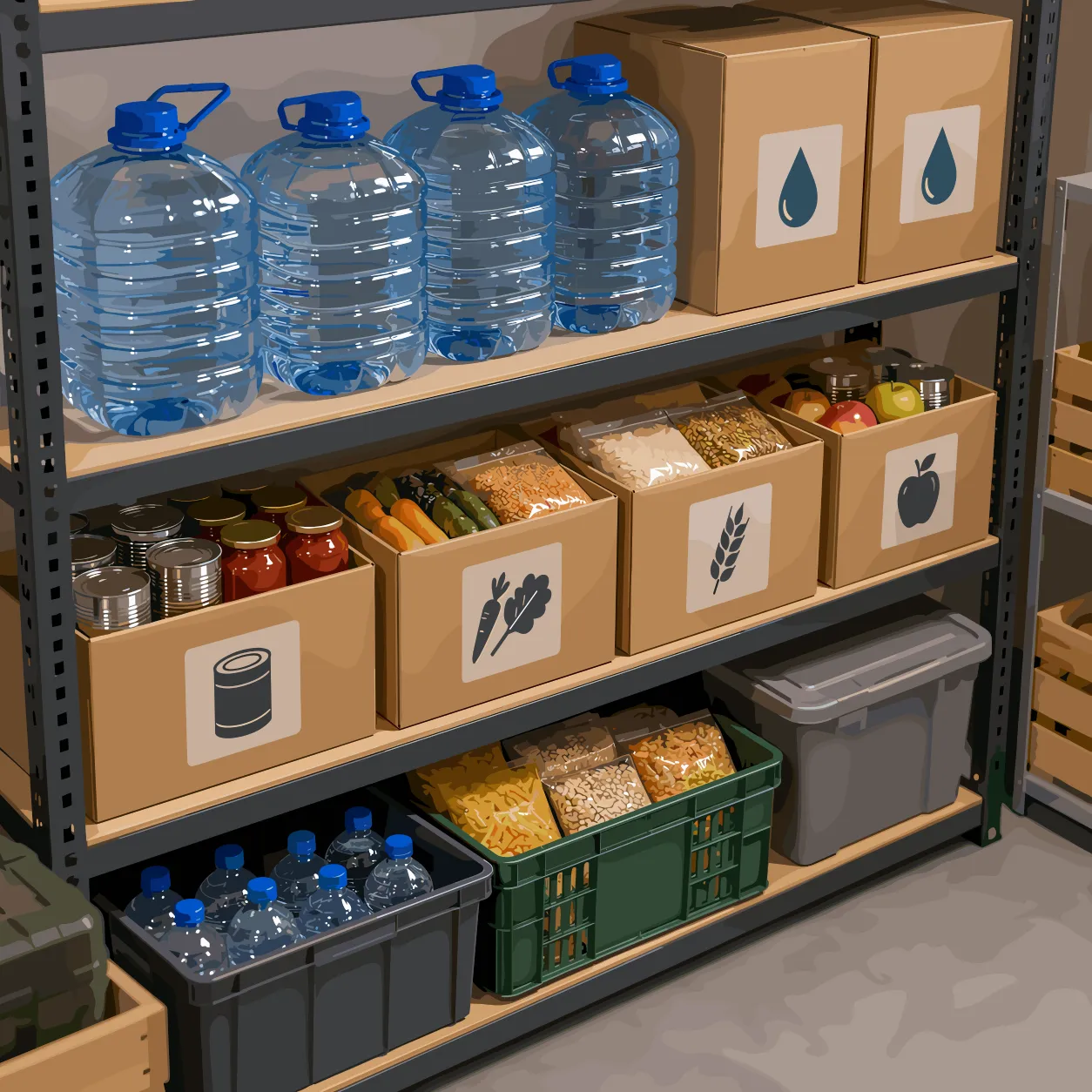
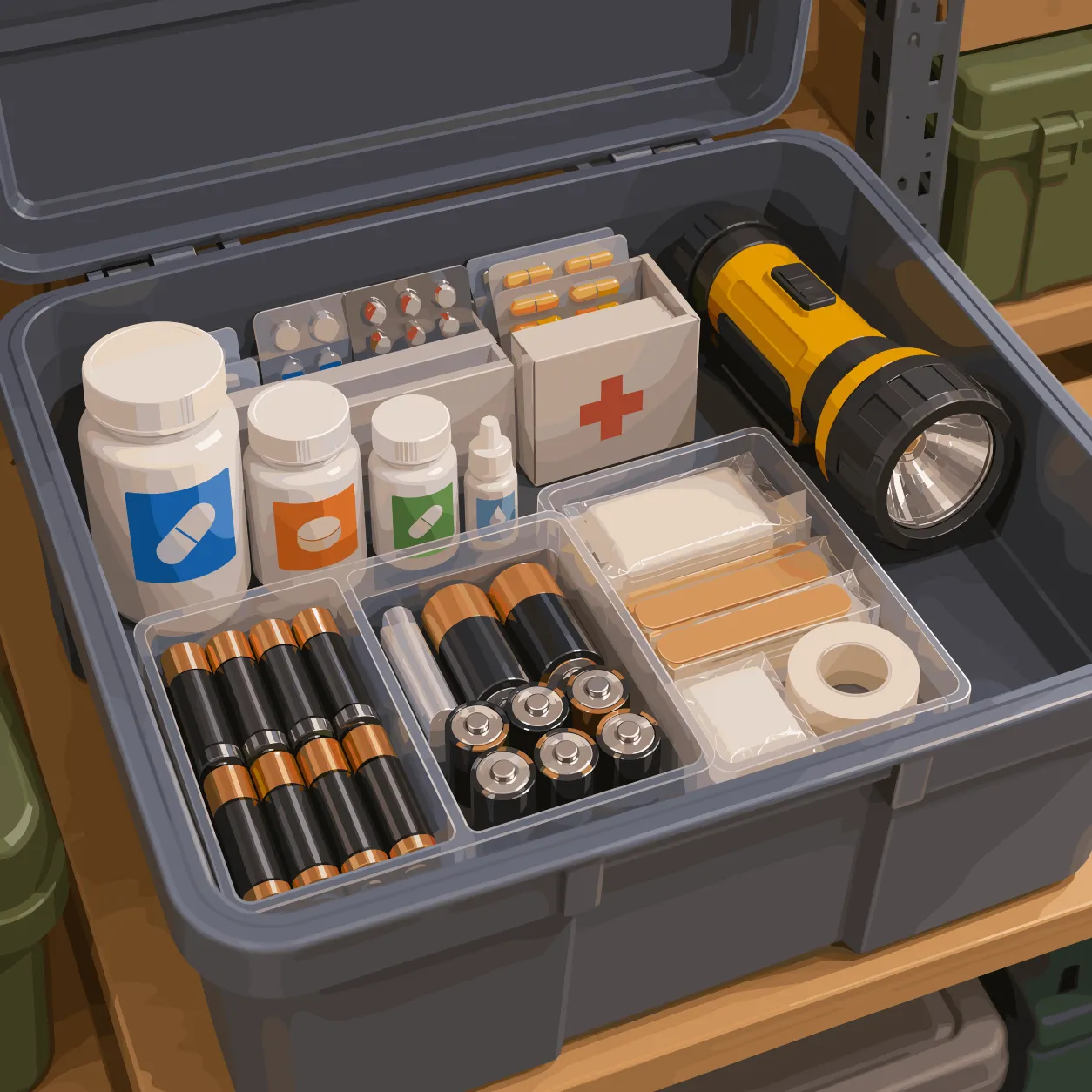
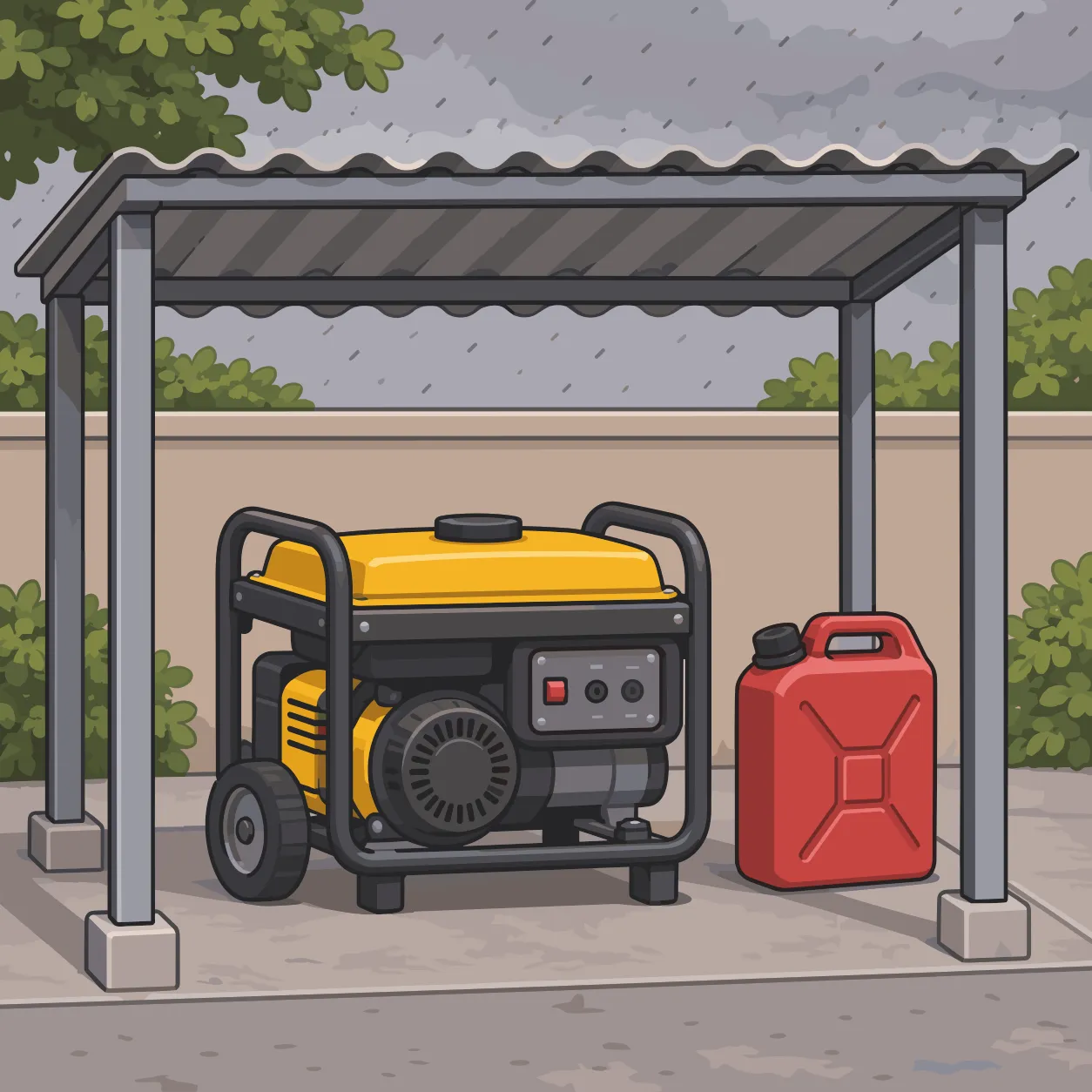
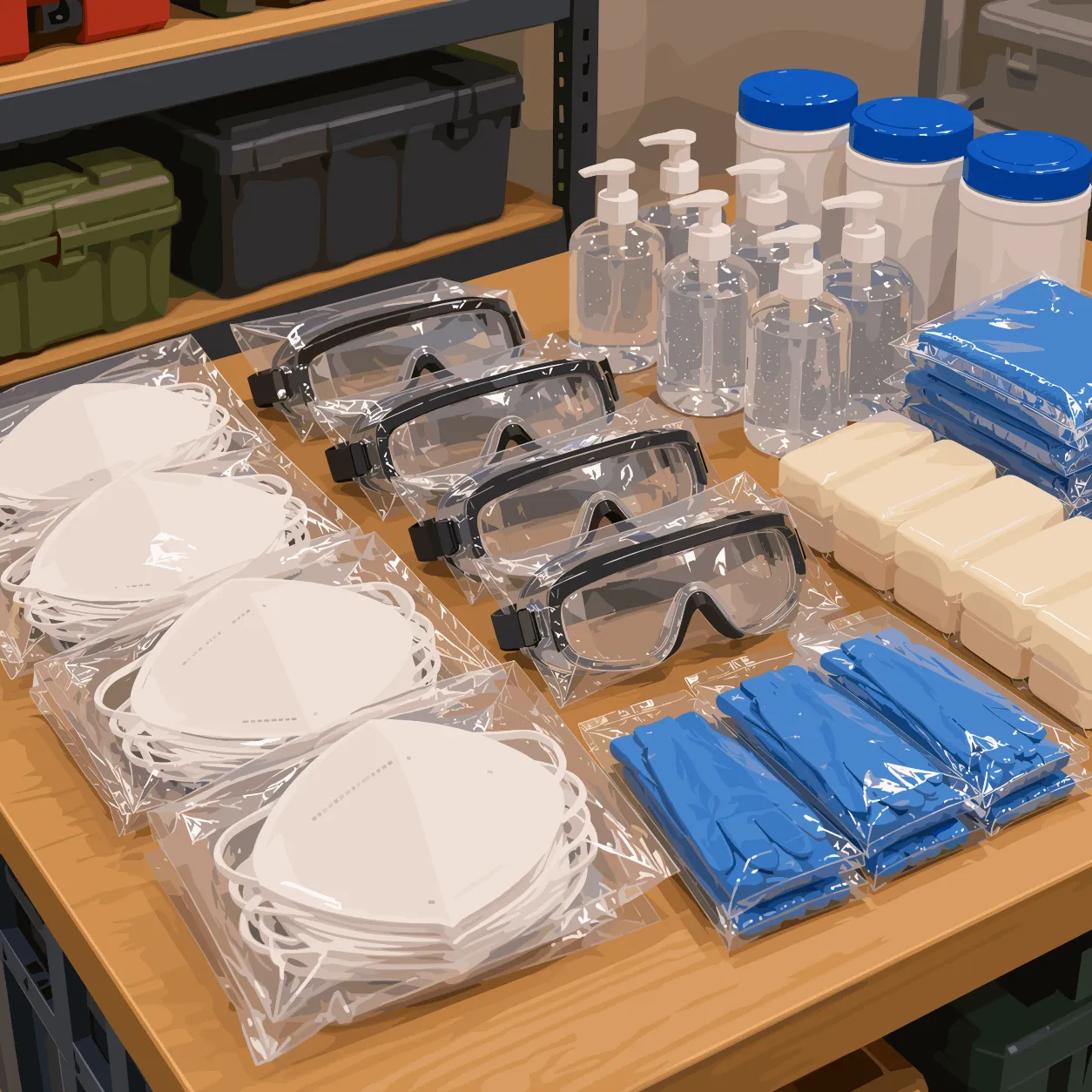
When prolonged sheltering in place occurs, spaces must be organized to maintain basic conditions of safety, hygiene, and assistance.
Special attention must be given to babies, children, older adults, and people with medical needs.
2.31Do not declare the emergency over on your own
A decrease in ashfall, the return of visibility, or the absence of perceptible explosions does not necessarily mean the emergency has ended.
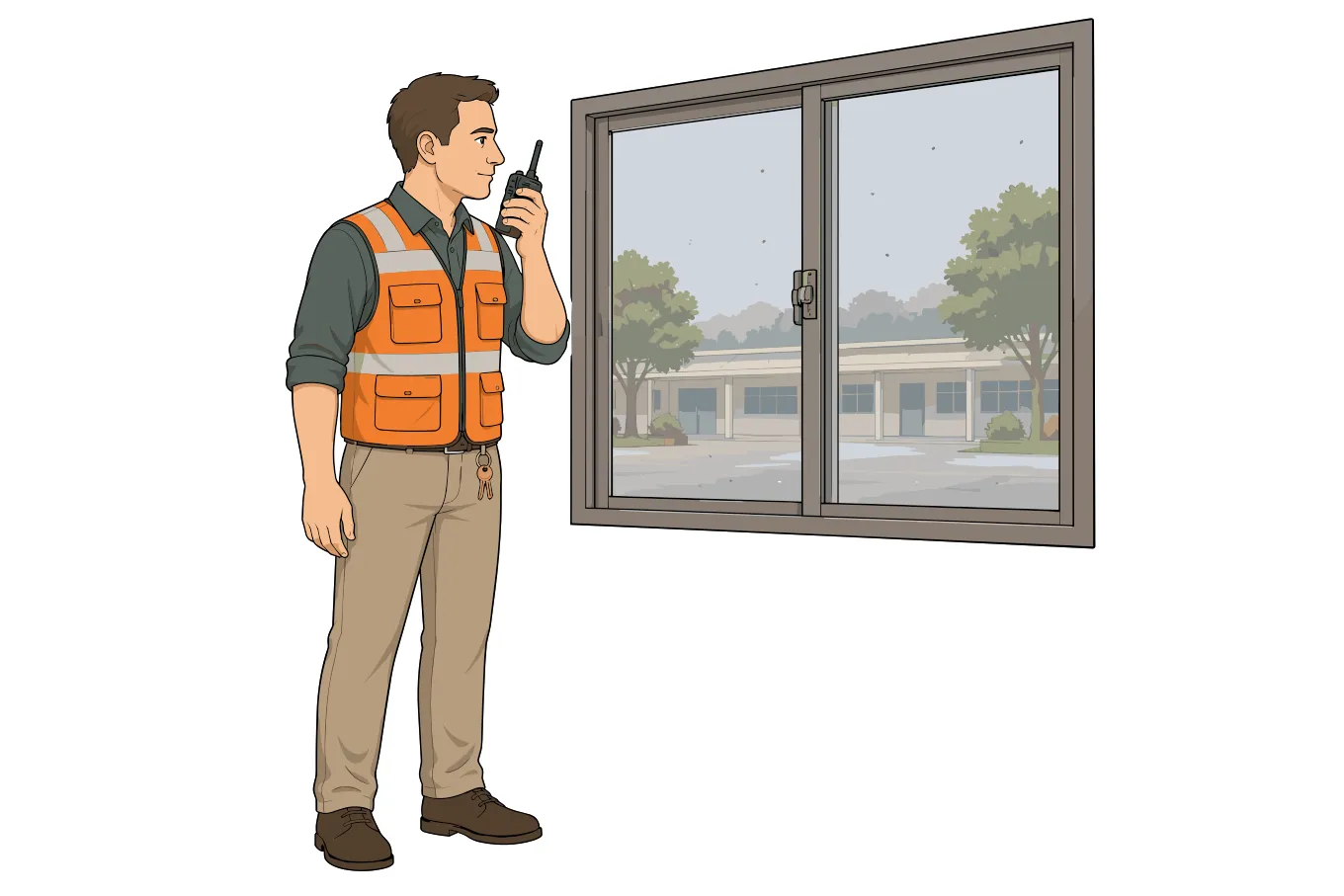
The measures already adopted must remain in place until the authorities indicate that they may be modified.
2.32Fundamental principle during a volcanic eruption
THE PRIORITY IS TO PROTECT PEOPLE, NOT THE BUILDING OR PROPERTY.
IN THE FACE OF A VOLCANIC EMERGENCY:
CONFIRM INFORMATION THROUGH OFFICIAL CHANNELS.
PUT THE INSTITUTION’S EMERGENCY PLAN INTO ACTION.
MAINTAIN CLEAR LEADERSHIP.
AVOID RUMORS AND CONTRADICTORY ORDERS.
PROTECT THOSE WHO NEED ASSISTANCE FIRST.
EVACUATE IMMEDIATELY WHEN ORDERED.
KEEP GROUPS ORGANIZED AND UNDER CONTROL.
MAINTAIN COMMUNICATION WITH THE AUTHORITIES.
IF SHELTERING IN PLACE IS NECESSARY, REDUCE EXPOSURE TO ASH.
DO NOT ALLOW PEOPLE TO RETURN TO DANGEROUS AREAS.
DO NOT PUT STAFF AT RISK TO PROTECT PROPERTY OR MATERIALS.
DO NOT ASSUME THE EMERGENCY IS OVER UNTIL THE AUTHORITIES SAY SO.
Downloads
© 2026 by Kingdom of Peace and Justice Center is licensed under Creative Commons Attribution-NonCommercial-NoDerivatives 4.0 International (CC BY-NC-ND 4.0). To view a copy of this license, visit creativecommons.org/licenses/by-nc-nd/4.0.