


Four Years of War in Ukraine: Memory, Justice, and International Responsibility
Cayey, Puerto Rico – February 24, 2026
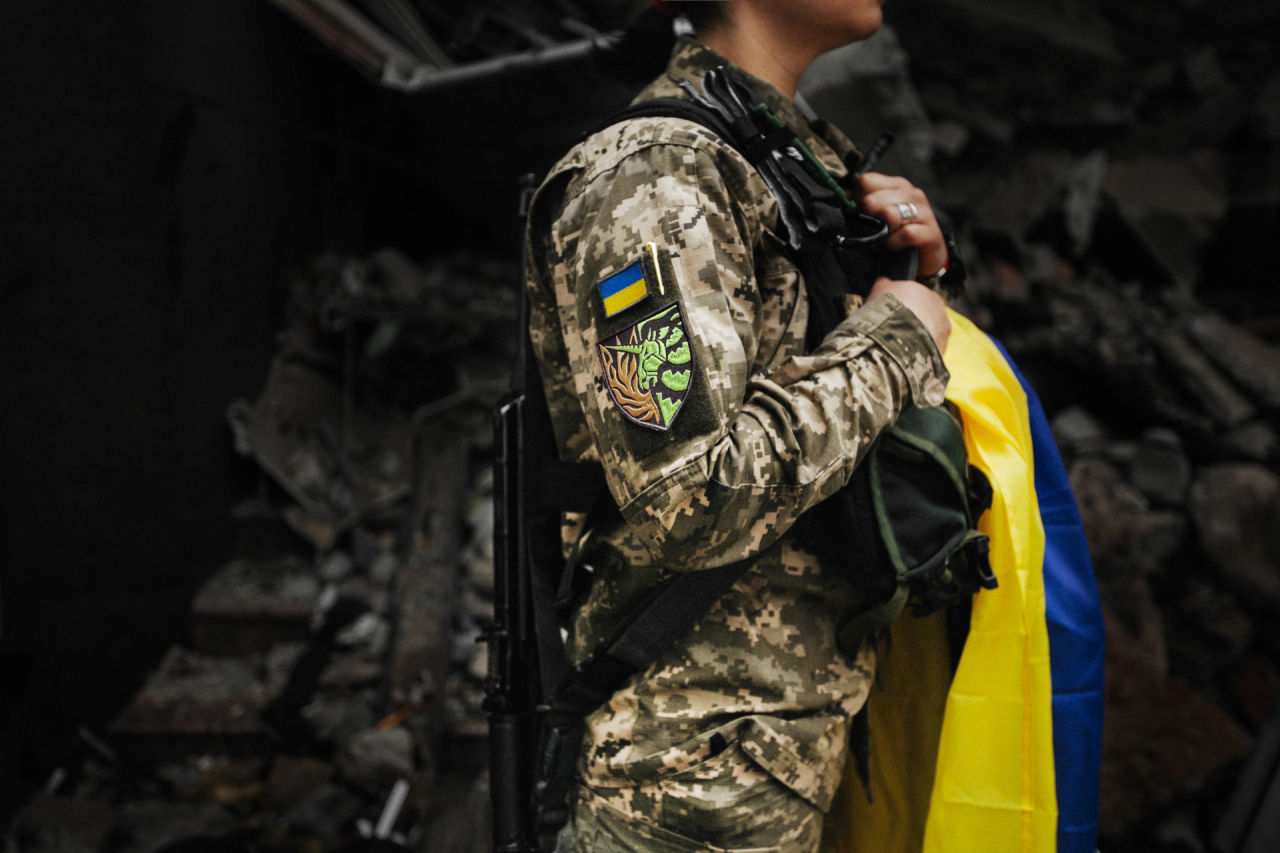
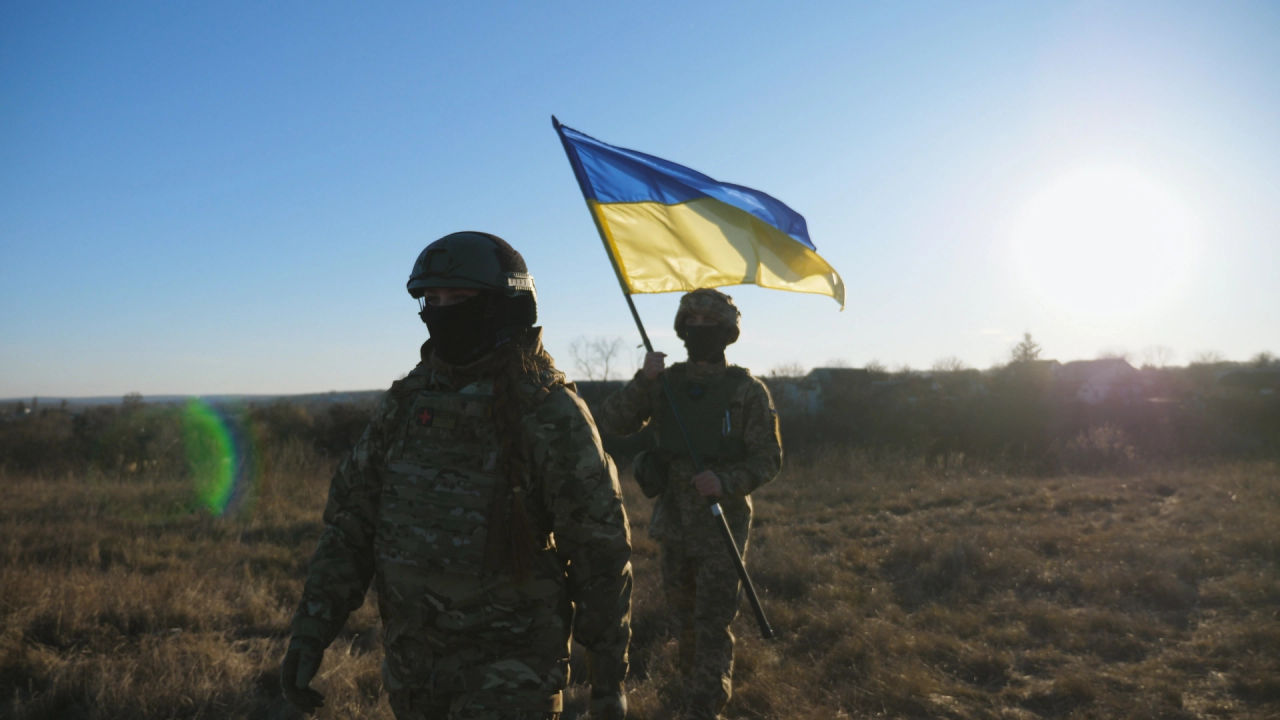
Four years after the start of the full-scale invasion by the Russian Federation against Ukraine, the world is witnessing not only the continuation of an armed conflict, but a profound crisis of the international order, respect for sovereignty, and the effective enforcement of international humanitarian law.
On February 24, 2022, the largest war in Europe since the Second World War began. What many initially considered a short-lived operation turned into a prolonged war, with devastating consequences for millions of people and structural effects on global security.
From the Kingdom of Peace and Justice Center, this anniversary is not merely a commemorative date: it is a call to remember, to moral responsibility, and to international action aimed at peace with justice.
The Start of the Invasion and the First Setbacks
The Russian offensive was launched by land, air, and sea. In the early days, Kherson fell, and an attempt was made to encircle Kyiv. However, the Ukrainian capital resisted. By the end of March 2022, the attempt to force a rapid collapse of the government had failed.
The subsequent liberation of Bucha revealed mass executions of civilians, sparking one of the first major international scandals over alleged war crimes. The siege and destruction of Mariupol exacerbated the humanitarian dimension of the conflict.
In September 2022, Ukraine managed to recapture large areas of the Kharkiv region, and in November, Russia withdrew from Kherson. Since then, the eastern front has stabilized into a prolonged war of attrition, with high human costs.
Technological Transformation of War
The conflict evolved into a highly technological war. Ukraine went from relying on Western anti-tank systems to producing more than three million FPV drones a year, capable of neutralizing high-value armored vehicles at minimal cost.
Today the front combines trenches characteristic of the First World War with unmanned systems, electronic warfare, and long-range precision strikes. A low-cost drone can destroy military equipment valued at millions.
This phenomenon not only redefines contemporary military doctrine, but also raises ethical and legal questions about the future of armed conflicts, the use of autonomous technologies, and the protection of civilians.
Destruction of Infrastructure and Humanitarian Crisis
The humanitarian impact is devastating.
More than 4,400 educational institutions have been damaged or destroyed. More than 2,500 health facilities have been attacked. Cultural heritage has also been systematically targeted.
The energy system became a top priority target. In 2026 alone, more than 200 attacks on electrical infrastructure were recorded. By April 2025, more than 63,000 energy facilities had been damaged across the country.
According to United Nations data, more than 15,000 civilian deaths have been confirmed, including hundreds of children. The actual figures could be higher in occupied territories.
Nearly 5.9 million Ukrainians remain refugees abroad, and 3.7 million are still displaced within the country. Behind every number is a personal story, a separated family, a fractured community.
Military Losses and Strategic Attrition
The Center for Strategic and International Studies (CSIS) estimates that Russia has suffered approximately 1.2 million casualties, including hundreds of thousands of deaths. Ukraine is also facing significant losses, estimated at between half a million and 600,000 troops affected since the start of the invasion.
This level of attrition makes the conflict one of the most costly in Europe in decades, both in human and financial terms. Beyond the figures, the main tragedy is the loss of human lives and the prolongation of suffering.
War Crimes and Search for Justice
Since the start of the invasion, killings of civilians, forced deportations, torture, and deliberate attacks against critical infrastructure have been documented.
International organizations are working alongside Ukrainian authorities to preserve evidence and investigate possible war crimes, crimes against humanity, and command responsibility. The investigation plans include sexual violence, the deportation of minors, cyberwarfare, and the destruction of cultural heritage.
The principle is clear: without truth and without justice, there can be no lasting peace.
International humanitarian law is not a symbolic declaration; it is a legal framework that binds States and protects the most vulnerable in times of war.
Geopolitical Realignment and International Support
The European Union, the United Kingdom, the United States, and other allies continue to provide political, financial, and military support to Ukraine. Sanctions against strategic Russian sectors—including energy, transportation, and finance—have been expanded.
The conflict has spurred the development of a new security architecture in Europe, strengthening NATO and accelerating strategic coordination and defense efforts.
At the same time, the international debate revolves around how to achieve a “just and lasting peace,” based on sovereignty and respect for internationally recognized borders.
Stalled Negotiations and an Uncertain Future
Negotiations remain at an impasse. Moscow is demanding territorial recognition in eastern and southern Ukraine. Kyiv rejects any concession that would compromise its sovereignty.
Russia controls approximately 20% of Ukrainian territory and continues to attack civilian infrastructure.
Recent polls in Ukraine indicate that a significant majority of the population is willing to continue resisting for as long as necessary to preserve its independence.
A Reflection on Peace with Justice
Four years after the invasion began, the war in Ukraine is not a distant conflict. It is a historic test for the international system.
What is at stake is the true reach of the principle of state sovereignty, the validity of international law, the protection of civilians, and the responsibility of the international community in the face of aggression.
At the Kingdom of Peace and Justice Center, we reaffirm that authentic peace is not the absence of combat, but the restoration of law, the reparation of victims, and the respect for human dignity.
Remembering these past four years does not mean fueling hatred. It means reaffirming our commitment to justice, remembrance, and the building of a peace based on principles, not on impositions.
History will judge not only those who started the war, but also those who chose to defend human dignity and the international legal order.